
You’ve done everything right—your cat is potty trained, and you thought the messy accidents were behind you. But now, your cat is peeing on your bed.
It’s confusing, frustrating, and honestly, a bit upsetting. Why would a cat that knows where to go suddenly start using your bed as a bathroom? If you’re scratching your head and wondering what’s going on, you’re not alone. Understanding the reasons behind this behavior is the first step to fixing it—and getting your peaceful nights back.
Keep reading to discover what might be causing this and how you can stop it for good.
Credit: animals.howstuffworks.com
Common Causes Of Bed Peeing
Discovering that your potty trained cat is peeing on your bed can be frustrating and confusing. Before jumping to conclusions, it helps to understand the common reasons behind this unexpected behavior. Identifying the cause is key to finding a solution that works for both you and your cat.
Medical Issues To Consider
Health problems are often the first thing to rule out. Conditions like urinary tract infections, bladder stones, or kidney disease can cause a cat to urinate outside the litter box. If your cat suddenly starts peeing on your bed, a visit to the vet is essential to check for any medical issues.
Sometimes, older cats develop arthritis or mobility problems, making it hard for them to reach the litter box quickly. Has your cat shown any signs of discomfort or changes in appetite? These clues can help your vet diagnose the problem.
Stress And Anxiety Triggers
Cats are sensitive creatures and can react strongly to changes in their environment. New pets, visitors, loud noises, or even changes in your routine might stress your cat out. Stress can cause your cat to seek comfort in unusual places, like your bed.
Think about recent changes in your home. Has there been construction nearby or a new piece of furniture? Try to create a calm space with familiar scents to help your cat feel secure again.
Territorial Marking Behavior
Even neutered or spayed cats sometimes mark territory to feel in control of their space. If your cat feels threatened by other animals or even changes within the household, they might pee on your bed to assert ownership.
Have you noticed other cats outside or new animals in the neighborhood? Using synthetic pheromone sprays or providing extra litter boxes might reduce this behavior. Understanding your cat’s sense of territory can help you address this issue more effectively.
Credit: animals.howstuffworks.com
Environmental Factors Affecting Cats
Cats are very sensitive to changes in their surroundings. Environmental factors can make a potty trained cat start peeing on the bed. Understanding these factors helps solve the problem quickly.
Small changes in the environment may stress cats. Stress often shows through unwanted behaviors like urinating outside the litter box. Cats feel safe when their space stays familiar and clean.
Litter Box Problems
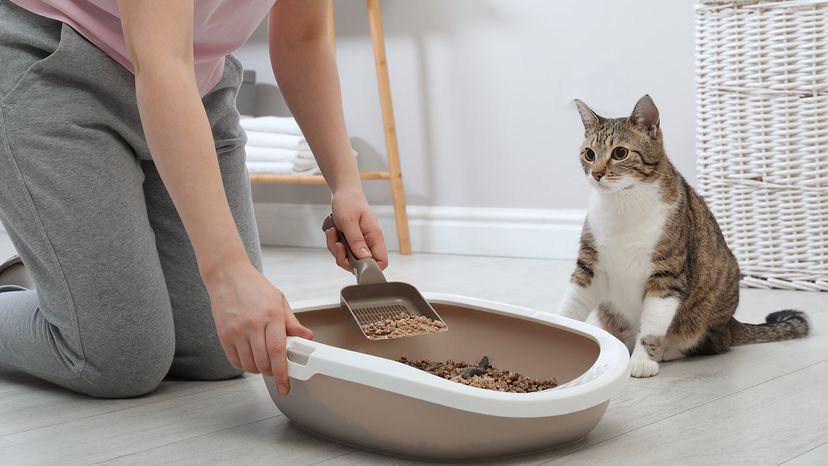
Cats avoid dirty or smelly litter boxes. They may pee elsewhere if the box is not clean. The wrong type of litter can also cause refusal. The box location matters too. Loud or busy spots frighten cats.
- Clean litter box daily
- Use litter type your cat prefers
- Place box in quiet, private area
- Provide enough litter boxes for all cats
Changes In Home Environment
Moving furniture or new people in the house can confuse cats. Loud noises and new pets raise stress levels. Even changes in daily routine affect cats. They need stability to feel secure. Without it, they may mark territory on beds or other soft spots.
Scent And Cleanliness Impact
Cats rely on scent to recognize safe places. Strong smells from cleaners or perfumes can repel them. If the bed has traces of previous accidents, the cat may return. Using enzyme cleaners removes these smells. Keeping the bed fresh stops repeat accidents.
Behavioral Reasons Behind Bed Peeing
Stress or changes in the home can cause a potty trained cat to pee on the bed. Marking territory or seeking attention might also explain this behavior. Understanding these reasons helps in addressing the issue effectively.
Behavioral Reasons Behind Bed Peeing Understanding why your cat pees on your bed can be puzzling. Behavioral reasons play a significant role in this habit. Cats are sensitive creatures. Their actions often reflect their feelings and environment. Let’s explore some common behavioral reasons.Attention-seeking Actions
Cats crave attention. Sometimes, they resort to mischief to get it. Peeing on your bed might be their way of saying, “Look at me!” They might feel neglected. Or they may simply want more interaction. Ensure your cat feels loved and noticed. Spend time playing or petting them.Response To Punishment
Punishing cats can backfire. It often leads to stress and anxiety. If your cat feels threatened, they might pee on your bed. They associate the bed with safety and comfort. Instead of punishment, use positive reinforcement. Reward good behavior with treats or affection.Age-related Behavior Changes
Older cats may experience behavioral changes. Aging can lead to confusion or forgetfulness. Your cat might forget litter box habits. They may also face mobility issues. Visiting the bed can seem easier than the litter box. Regular vet check-ups can help manage age-related changes.How To Address Bed Peeing Issues
Dealing with a potty trained cat peeing on your bed can be frustrating and confusing. Understanding how to tackle this issue effectively requires a mix of medical attention, environmental adjustments, and behavior changes. Let’s explore practical ways to help you stop this problem and restore peace to your home.
Veterinary Checkups And Treatments
First, rule out any medical problems. Cats often urinate outside the litter box due to urinary tract infections, bladder stones, or kidney issues.
Schedule a vet visit to get a thorough checkup. If your cat has an infection or pain, treating it can stop the inappropriate peeing instantly.
Sometimes, your vet may suggest special diets or medications to support urinary health. Don’t ignore this step—your cat’s health could be the key to solving the problem.
Litter Box Management Tips
Is your cat happy with the litter box setup? Small changes can make a big difference in your cat’s bathroom habits.
- Keep the litter box clean by scooping daily and washing weekly.
- Provide multiple boxes in different locations if you have more than one cat.
- Use unscented, clumping litter that your cat prefers.
- Consider the box type—some cats dislike covered boxes or certain materials.
Have you tried moving the litter box to a quieter, more private spot? Cats value privacy, and a noisy or busy location can discourage use.
Reducing Stress And Anxiety
Stress can cause your cat to pee on your bed as a way to mark territory or seek comfort. Identifying stressors in your home is essential.
Changes like new pets, guests, or loud noises can unsettle your cat. Creating a calm environment with safe spaces and familiar scents helps your cat feel secure.
Try pheromone diffusers or sprays designed for cats—they can reduce anxiety and promote relaxation.
Training And Behavior Modification
Redirect your cat’s behavior gently but consistently. If you catch your cat approaching the bed to pee, calmly move them to the litter box.
Reward your cat with treats or praise immediately after they use the litter box. Positive reinforcement strengthens good habits.
Blocking access to your bed temporarily can prevent accidents while you work on retraining. Use washable bed covers and clean any soiled areas with enzyme cleaners to remove odors that attract repeat accidents.
Preventing Future Incidents
Stopping your potty trained cat from peeing on your bed again takes more than just cleaning up after the fact. You need to create an environment and routine that encourages proper behavior and discourages accidents. Let’s look at practical ways you can prevent future incidents and keep both your cat and bed happy.
Maintaining A Clean Environment
Dirty litter boxes are one of the top reasons cats avoid using them. Make sure to scoop waste daily and completely change the litter at least once a week.
Keep your cat’s surroundings tidy and free from strong smells that might confuse or stress them. Using enzyme cleaners on spots where they’ve peed before is essential—you want to remove every trace of odor.
Have you noticed any changes in your home’s cleanliness that might have upset your cat? Sometimes a small adjustment can make a big difference.
Consistent Routine For Your Cat
Cats thrive on routine. Feeding, playtime, and litter box cleaning should happen at roughly the same times each day.
Sudden changes, like new pets or moving furniture, can stress your cat and lead to accidents. Try to keep their daily life as predictable as possible.
Think about your cat’s schedule—are there any disruptions that might be contributing to this behavior? Adjusting your routine could ease your cat’s anxiety and reduce bed peeing.
Using Deterrents Effectively
Deterrents can help teach your cat to avoid the bed. You can place aluminum foil or double-sided tape on the bed when you’re not using it; cats dislike the texture under their paws.
Spraying a safe citrus or herbal scent near the bed can also discourage your cat, as they usually avoid strong smells. Just make sure the products are pet-friendly.
Combine deterrents with positive reinforcement—reward your cat for using their litter box to encourage good habits. What deterrents have you tried, and how did your cat respond?
Credit: pethelpful.com
Frequently Asked Questions
Why Is My Potty Trained Cat Peeing On The Bed?
Cats may pee on beds due to stress, medical issues, or litter box problems. It’s a sign of discomfort or anxiety. Check with a vet to rule out infections. Also, ensure the litter box is clean, accessible, and in a quiet spot.
Can Stress Cause A Cat To Pee Outside The Litter Box?
Yes, stress from changes, new pets, or loud noises can cause inappropriate urination. Cats mark territory when stressed. Identifying stressors and providing a calm environment helps reduce this behavior.
How Can I Stop My Cat From Peeing On My Bed?
Clean soiled areas thoroughly with enzyme cleaners to remove odors. Provide multiple clean litter boxes. Reduce stress and consult a vet for medical causes. Positive reinforcement for correct litter use also helps.
Could Medical Problems Make My Cat Pee On The Bed?
Urinary tract infections, bladder stones, or kidney issues can cause cats to urinate outside the box. A vet visit is essential to diagnose and treat any medical conditions promptly.
Conclusion
A potty-trained cat peeing on your bed can feel confusing. Stress, health issues, or changes at home often cause this behavior. Watch your cat closely and take notes. Visit a vet to rule out medical problems fast. Clean the bed thoroughly to remove smells.
Offer a quiet, clean litter box in a safe spot. Patience and understanding help your cat feel secure again. Small steps can restore good habits over time. Your bond with your cat will grow stronger through care. Keep trying—you both can get through this challenge.



Leave a Reply