
Have you ever picked up a cat only to watch it go completely limp in your arms? It’s a strange and fascinating behavior that makes you wonder—do other cat breeds do this too?
If you’ve noticed your furry friend suddenly relax like a ragdoll, you’re not alone. Understanding why some cats go limp when picked up can change how you connect with your pet. Keep reading to discover which breeds are known for this unique trait and what it means for your cat’s comfort and trust.

Credit: www.latimes.com
Why Cats Go Limp
Cats can react differently when picked up. Some go limp, while others stay stiff or try to escape. Understanding why cats go limp helps us connect better with them. It also reveals their comfort and trust levels.
The Flop Reflex
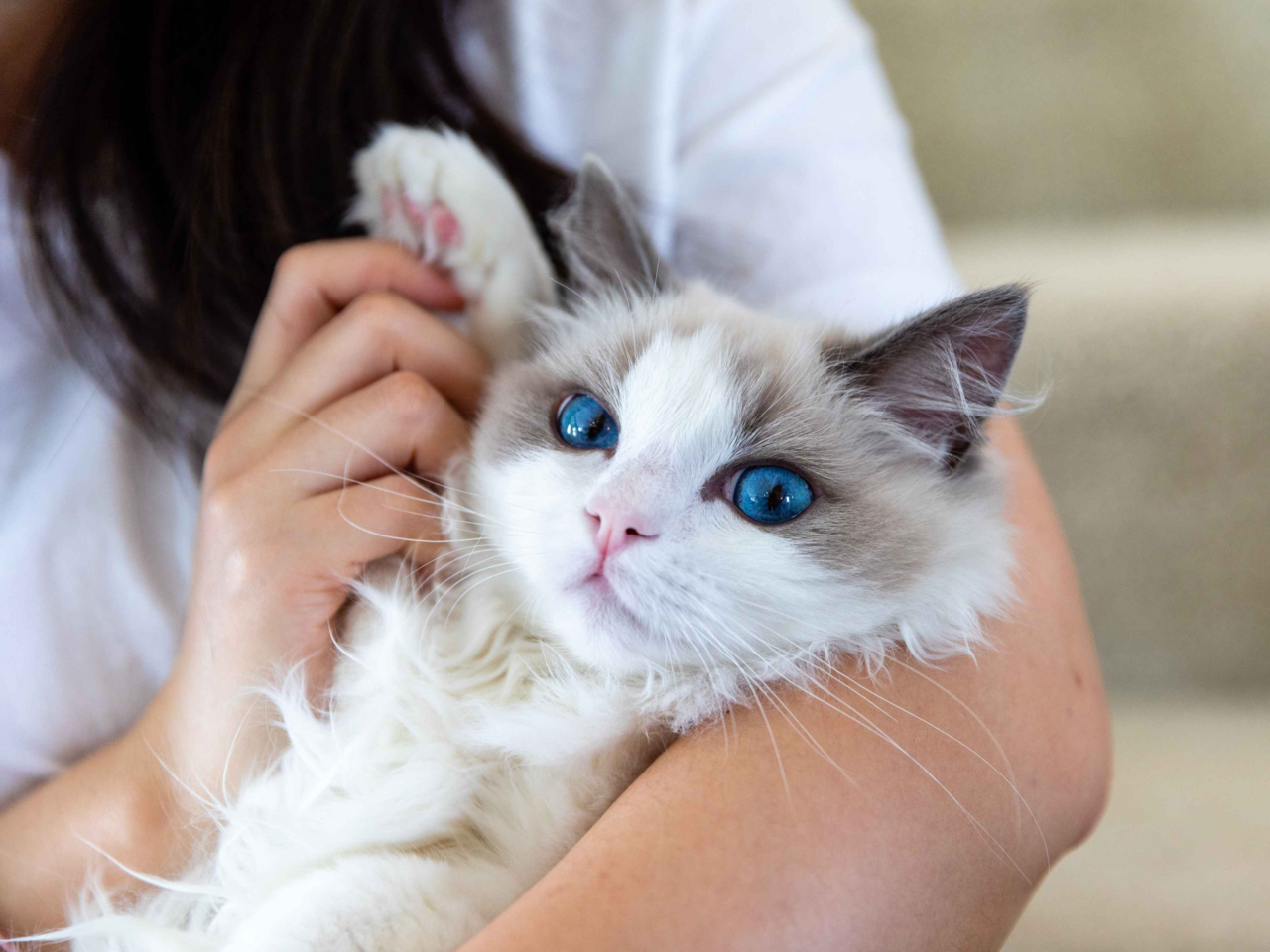
The flop reflex is a natural response in some cats. When lifted, their muscles relax completely. This relaxation makes them go limp in your arms. It shows they feel safe and trust the person holding them. Not all cats have this reflex, but it is common in many.
Stress And Comfort Signals
Going limp can signal comfort or stress. A relaxed cat may flop to show calmness. But a scared cat might freeze and go limp too. This limpness can be a defense mechanism. It helps them avoid struggle or injury. Watching body language helps understand their feelings.
Breed-specific Traits
Some cat breeds are more likely to go limp. For example, Ragdolls are famous for their limpness. Other breeds may stay tense or active instead. Genetics and temperament play a big role. Knowing breed traits helps predict how a cat reacts when held.
Credit: medium.com
The Ragdoll Phenomenon
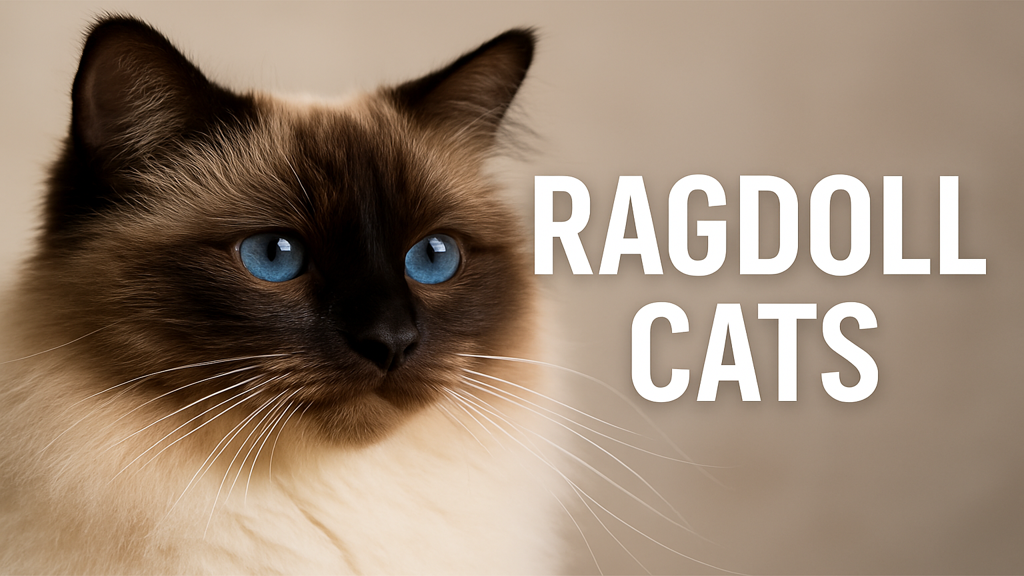
The Ragdoll cat is famous for going limp when picked up. This unique trait fascinates many cat lovers. Unlike most cats that tense up, Ragdolls relax completely. Their floppy nature feels like holding a soft doll. This behavior is rare and often linked to their breed.
Origins Of The Ragdoll Breed
The Ragdoll breed started in the 1960s. A breeder named Ann Baker developed them in California. She noticed some cats relaxed fully when held. These cats became the foundation of the Ragdoll breed. Their calm and gentle personality made them popular quickly.
Genetic Factors Behind Limpness
Limpness in Ragdolls comes from specific genes. These genes affect muscle tone and relaxation. Not all cats have this genetic makeup. It causes their muscles to go soft under gentle pressure. Scientists still study how these genes work exactly.
Behavioral Patterns
Ragdolls show trust by going limp. They feel safe and calm in a person’s arms. This behavior is part of their friendly nature. They rarely struggle or try to escape. Many owners say Ragdolls behave like “puppy cats” because of this.
Other Breeds That May Go Limp
Cats are fascinating creatures with unique behaviors. Some breeds exhibit a peculiar trait where they go limp when picked up. This is often called “flopping.” While the Ragdoll cat is famous for this, other breeds may also display similar behavior. Let’s explore these breeds.
Burmese Cats
Burmese cats are known for their affectionate nature. They enjoy human company and often relax when held. Their friendly disposition makes them prone to going limp. They trust their owners completely. This trust leads them to feel safe and relaxed in your arms.
Scottish Folds
Scottish Folds are easily recognizable by their unique folded ears. They are gentle and calm. Many owners report their Scottish Folds going limp when picked up. This behavior is a sign of their comfort and trust. These cats enjoy being the center of attention and often seek cuddles.
Sphynx Cats
Sphynx cats are hairless and known for their playful personalities. They crave attention and warmth from humans. When held, they often relax and go limp. This is due to their affectionate nature. Sphynx cats thrive on human interaction. Their friendly behavior makes them a joy to hold.
Why Some Cats Resist Being Picked Up
Not all cats enjoy being picked up, and some may even resist it strongly. Understanding why a cat resists can help you build trust and handle them more gently. Let’s look into the reasons behind this behavior and how you can respond to your cat’s feelings.
Personality Differences
Every cat has a unique personality that shapes how they react to being handled. Some cats are naturally independent and prefer to keep their feet on the ground. Others may be more social and enjoy close contact.
Think about your own cat’s behavior. Does your cat seek attention on its terms? Respecting these personality traits helps you avoid stressful interactions. You can try rewarding calm behavior when you do pick them up, making it a more positive experience.
Past Experiences
A cat’s history plays a big role in how it reacts to being picked up. Cats that have had rough or sudden handling before may associate being picked up with fear or discomfort. This can make them tense or defensive.
Imagine a cat rescued from a shelter or stressful environment—it might take longer to build trust. Patience is key here. You can help by approaching slowly and letting your cat choose when to be lifted.
Physical Discomfort
Sometimes a cat resists being picked up because it feels pain or discomfort. Older cats or those with injuries may find certain ways of lifting painful. This resistance is their way of protecting themselves.
Observe your cat’s body language carefully. If they flinch, hiss, or try to escape, they might be signaling pain. Consulting a vet can rule out health issues and help you find a more comfortable way to hold your cat.
How To Safely Pick Up Any Cat
Picking up a cat safely is important for both you and the cat. Cats have different reactions when held. Some go limp, others stay stiff or try to escape. Knowing how to pick up any cat gently helps build trust and keeps the cat calm.
Techniques To Use
- Place one hand under the cat’s chest, behind the front legs.
- Use your other hand to support the cat’s back legs and bottom.
- Lift the cat slowly and close to your body.
- Hold the cat securely but do not squeeze too tight.
- Keep your movements calm and smooth to avoid startling the cat.
Signs Of Relaxation
- The cat’s body feels loose and soft in your arms.
- The cat purrs or kneads with its paws.
- The tail stays still or gently sways.
- The eyes are half-closed or blinking slowly.
- The cat leans into your hold or snuggles close.
When To Avoid Picking Up
- The cat hisses, growls, or shows teeth.
- The ears are flattened backward.
- The tail is puffed up or flicking rapidly.
- The cat tries to escape or scratches.
- The cat is injured or in pain.
Credit: petdirect.co.nz
Health Implications Of Limpness
Noticing your cat go limp when picked up can be puzzling. While some breeds are known for this relaxed trait, limpness might sometimes signal health issues. Understanding when limpness is normal and when it indicates a problem is key to keeping your cat safe and happy.
Normal Vs. Concerning Signs
Some cats, like the Burmese, naturally relax their muscles when held, appearing limp but perfectly healthy. This limpness is usually accompanied by calm behavior and no signs of distress.
However, if your cat suddenly goes limp and shows signs like:
- Weakness or inability to move normally
- Excessive lethargy or unwillingness to engage
- Visible pain or discomfort when touched
- Changes in appetite or bathroom habits
these could be red flags. Limpness caused by injury, illness, or neurological issues requires urgent attention.
When To Consult A Vet
You should contact your vet immediately if limpness is new, persistent, or paired with other worrying signs. Don’t wait to see if it resolves on its own—some conditions worsen quickly.
Early vet visits can detect issues like muscle strain, nerve damage, or systemic illness before they become severe. Sharing detailed observations, such as what triggers the limpness and any other behavior changes, helps your vet make a faster diagnosis.
Have you ever noticed your cat’s limpness change over time? Paying close attention to these shifts can be the difference between a quick fix and a serious health problem.
Training Cats To Be Comfortable When Held
Training cats to be comfortable when held can transform your relationship with your feline friend. Many cats resist being picked up because it feels unfamiliar or stressful. Teaching your cat to relax in your arms takes patience and the right approach.
Positive Reinforcement
Reward your cat with treats or gentle praise whenever they allow you to hold them. This creates a positive link between being held and something enjoyable. Even small moments, like letting you touch their paws or sides, deserve a reward.
Try to catch your cat’s calm moments and pick them up briefly, giving a treat immediately after. This helps them associate your touch with good things. Have you noticed your cat’s favorite treat? Use that to boost cooperation.
Gradual Desensitization
Start slow by simply petting your cat without picking them up. Then, gently place your hands under their body without lifting. Gradually increase the time you hold them just a few seconds before setting them down.
This step-by-step approach reduces fear and builds trust. If your cat struggles, pause and go back to a level they’re comfortable with. How patient can you be during these sessions?
Using Toys And Treats
Engage your cat with their favorite toys before picking them up. Playing creates a relaxed mood, making them more open to being held. After a play session, gently scoop them up and offer a treat right away.
Keeping treats and toys handy turns holding into a rewarding experience. You can also use soft, soothing voices to comfort them as you hold. What combination of treats and toys does your cat respond to best?
Frequently Asked Questions
Do Other Cat Breeds Go Limp When Picked Up?
Yes, some cat breeds like the Burmese and Ragdoll naturally go limp when picked up. This behavior varies by breed and individual cat temperament.
Why Do Some Cats Go Limp When Held?
Cats go limp due to relaxation or trust. It often shows they feel safe and comfortable with their owner.
Is Going Limp A Sign Of A Healthy Cat?
Going limp can indicate a relaxed, trusting cat. However, sudden limpness may need veterinary attention if accompanied by other symptoms.
How Do I Safely Pick Up A Limp Cat?
Support the cat’s body fully when lifting. Use gentle, steady movements to keep the cat comfortable and secure.
Conclusion
Many cat breeds may go limp when picked up, but not all do. This behavior depends on the cat’s personality and comfort level. Some cats relax completely, while others stay alert or tense. Understanding your cat’s unique response helps build trust.
Always handle cats gently and watch their signals. This respect strengthens your bond and keeps your pet happy. Every cat shows affection in different ways. Embrace their individual nature for a loving relationship.

Leave a Reply