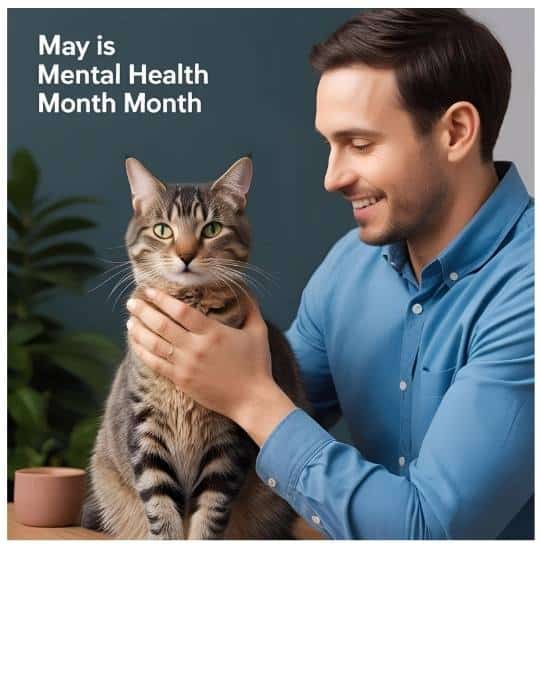
Have you ever noticed how just petting a cat can make your worries fade away? If you’re struggling with stress, anxiety, or feeling down, your feline friend might be more helpful than you think.
Cats have a unique way of calming your mind and lifting your spirits. But how exactly can cats improve your mental health? Keep reading to discover surprising ways these furry companions can support your emotional well-being and why having a cat might be one of the best decisions for your happiness.
Cats And Emotional Support
Cats have a unique way of supporting our emotions. Their gentle presence often brings calm and peace. Many people find comfort in the simple act of petting a cat. This connection can ease feelings of stress and anxiety.
Emotional support from cats is more than just companionship. It is about the quiet moments shared and the comfort they provide without words. Cats respond to human emotions in subtle ways, offering warmth and calmness.
How Cats Provide Comfort
Cats offer comfort through their soft purring and gentle touch. The sound of purring can lower blood pressure and reduce stress. Their soft fur invites stroking, which can be soothing and relaxing.
Watching a cat play or sleep can distract from negative thoughts. Their presence creates a safe space for emotional healing. Cats help create a routine, which can be grounding during tough times.
Reducing Loneliness With Feline Companions
Loneliness can feel heavy, but cats lighten the load. They provide a sense of company without demanding too much attention. This balance helps people feel less alone and more supported.
Cats encourage interaction and create bonds. They respond to voices and touch, which builds connection. Having a cat nearby can reduce feelings of isolation and sadness.
Stress Reduction Through Cat Interaction
Spending time with cats can calm the mind and ease tension. Their gentle presence offers a quiet comfort. People often feel lighter and more relaxed after petting or watching a cat. This simple interaction lowers stress levels naturally.
The Science Behind Cat Purring
Cat purring creates vibrations between 25 and 150 Hertz. These frequencies help reduce stress and promote healing. Studies show purring lowers blood pressure and heart rate. The sound acts like a natural relaxant, soothing nerves and muscles. It can even ease feelings of anxiety.
Physical Effects Of Petting Cats
Touching a cat triggers the release of oxytocin, the “love hormone.” This hormone helps people feel calm and bonded. Petting also reduces cortisol, the stress hormone. The slow, rhythmic motion of stroking a cat relaxes muscles. It can help reduce feelings of tension and worry.
Improving Mood And Reducing Anxiety
Cats offer gentle companionship that can lift spirits and ease feelings of worry. Their calm presence helps create a peaceful mind and reduce stress. Spending time with cats often brings comfort and a brighter mood.
Improving Mood and Reducing Anxiety Cats can be a source of comfort. Their presence can elevate mood and calm nerves. Many people feel happier with cats around. They provide a sense of companionship and warmth.Cats And The Release Of Happy Hormones
Petting a cat can release serotonin and dopamine. These hormones boost mood and reduce stress. The simple act of stroking a cat can bring joy. It can also foster a sense of peace and happiness.Calming Effects During Anxiety Episodes
Cats can sense anxiety in humans. Their gentle purring has a soothing effect. This sound can lower heart rates and ease tension. It creates a calm environment for those feeling anxious. Cats offer non-judgmental support. This can be comforting during stressful times.Cats And Social Connection
Cats have a unique way of drawing people out of their shells. Their presence can create moments that spark conversation and connection, even among strangers. These small social bridges can be powerful in supporting mental health by reducing feelings of loneliness and isolation.
Encouraging Social Interaction
When you have a cat, people often approach you with stories about their own pets or questions about yours. This opens the door to casual chats that might not happen otherwise.
Imagine sitting in a park with your cat nearby. A passerby notices and stops to ask about your furry friend. That brief exchange can brighten your day and theirs. It’s a simple way to practice social skills without pressure.
Have you noticed how cats invite smiles and shared laughter? These small social moments can boost your mood and help you feel more connected to the world around you.
Building Community Among Cat Owners
Being a cat owner often leads you to join groups, forums, or local meetups. These communities offer a sense of belonging and mutual support.
- Sharing tips on cat care
- Swapping funny stories
- Discussing challenges and solutions
These interactions go beyond pets. They help build friendships that support your mental health. Have you ever found comfort in chatting with someone who understands your love for your cat? That shared passion can be a powerful connector.
Would you consider joining a cat-focused group to expand your social circle? Sometimes, the key to feeling less alone is finding others who share your interests—even if it’s just about your cat.
Routine And Responsibility Benefits
Caring for a cat introduces a natural rhythm to your day. This rhythm can be a powerful tool for improving mental health. The simple acts of feeding, grooming, and playing with your cat bring routine and responsibility that can keep you grounded.
How Caring For Cats Creates Structure
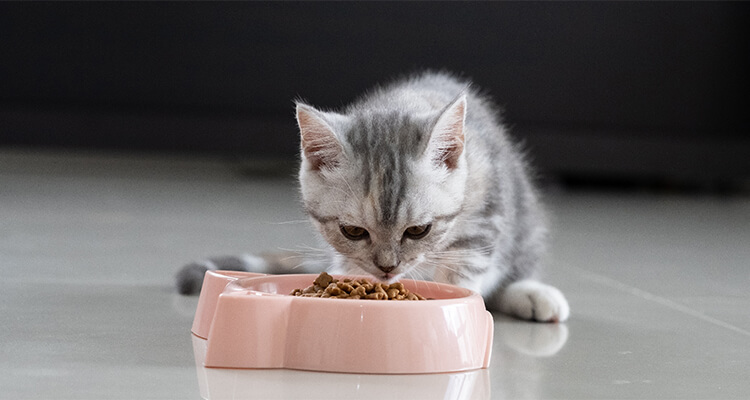
Every cat needs regular feeding times and daily attention. This means you have set moments to focus on something other than your worries. You might find yourself waking up earlier or organizing your day better just to meet your cat’s needs.
Having this structure can reduce feelings of chaos or overwhelm. It encourages you to plan ahead, which sharpens your focus and keeps you active. Could adding small daily tasks help you feel more in control?
Boosting Self-esteem Through Pet Care
Looking after a cat gives you a clear sense of achievement. When your cat responds with affection or playfulness, it feels like a direct reward for your efforts. This positive feedback loop can lift your mood and confidence.
Small wins, like noticing your cat’s health improve or their happy behavior, remind you that your care matters. These moments can help you believe in your ability to manage other challenges too. How might this sense of accomplishment change your outlook on daily struggles?

Credit: www.aol.com
Therapeutic Uses Of Cats
Cats offer more than companionship. Their presence can ease stress and improve mood. Many therapists use cats to support mental health treatment. Cats provide comfort without judgment. Their calm nature creates a soothing environment. This helps people open up and feel safe.
Therapists observe how cats respond to emotions. Cats often sense sadness or anxiety. Their gentle purring and soft touch can calm nerves. This interaction can lower blood pressure and reduce feelings of loneliness.
Cat-assisted Therapy Programs
Cat-assisted therapy programs use cats in mental health care. These programs take place in hospitals, clinics, and care homes. Cats help patients with anxiety, depression, and PTSD. Therapists guide patients to interact with cats. Petting and playing with cats can boost serotonin and dopamine.
Sessions often include:
- Calming activities with cats
- Guided relaxation exercises
- Building trust through interaction
- Reducing feelings of isolation
These programs focus on emotional support. Cats help patients feel less stressed. The therapy can improve mood and social skills.
Success Stories And Case Studies
Many success stories show cats’ positive effects on mental health. One case involved a veteran with PTSD. Regular sessions with a therapy cat helped reduce nightmares and anxiety. The veteran reported feeling calmer and more hopeful.
Another study focused on elderly patients with depression. Interaction with cats increased social engagement and lifted spirits. Patients showed better sleep and less agitation.
Success stories often mention:
- Improved emotional stability
- Better social connection
- Increased motivation
- Enhanced overall well-being
These examples highlight how cats support mental health recovery. Their gentle presence offers comfort and healing.
Choosing The Right Cat For Mental Health
Choosing the right cat can make a big difference in mental health support. Cats offer comfort, but their personality matters. A calm, friendly cat helps reduce stress and anxiety.
Understanding your needs and the cat’s traits creates a better match. The right cat can bring joy, companionship, and a sense of calm daily.
Personality Traits To Consider
Look for cats that are gentle and affectionate. Some cats love to cuddle, while others enjoy playing. A calm cat suits people who need quiet comfort. An active cat fits those who want more interaction.
- Friendly and social cats ease loneliness
- Quiet, calm cats reduce stress
- Playful cats encourage activity and fun
- Independent cats suit low-maintenance needs
Matching Cats To Individual Needs
Think about your lifestyle and mental health goals. Some may need a cat that stays close and offers comfort. Others want a cat that keeps them engaged and active.
| Mental Health Need | Cat Traits | Why It Helps |
|---|---|---|
| Stress relief | Calm, gentle | Soothes nerves and calms the mind |
| Loneliness | Friendly, social | Provides companionship and connection |
| Motivation | Playful, energetic | Encourages movement and daily routine |
| Low energy | Independent, low-maintenance | Fits quiet, less active lifestyles |

Credit: uk.style.yahoo.com
Potential Challenges And Considerations
Caring for a cat can bring comfort and joy. Still, there are challenges to consider before bringing one home. These challenges affect mental health benefits and daily life. Understanding them helps make a better choice for both owner and pet.
Allergies And Health Concerns
Cat allergies are common and can cause sneezing, itching, and breathing problems. People with asthma may face worsened symptoms. Some cats shed more than others, increasing allergens in the home.
Health issues can also arise from cat scratches or bites. Cats may carry parasites like fleas or ticks that affect humans. Regular vet visits and hygiene help reduce risks. Still, health concerns require attention and care.
Time Commitment And Lifestyle Fit
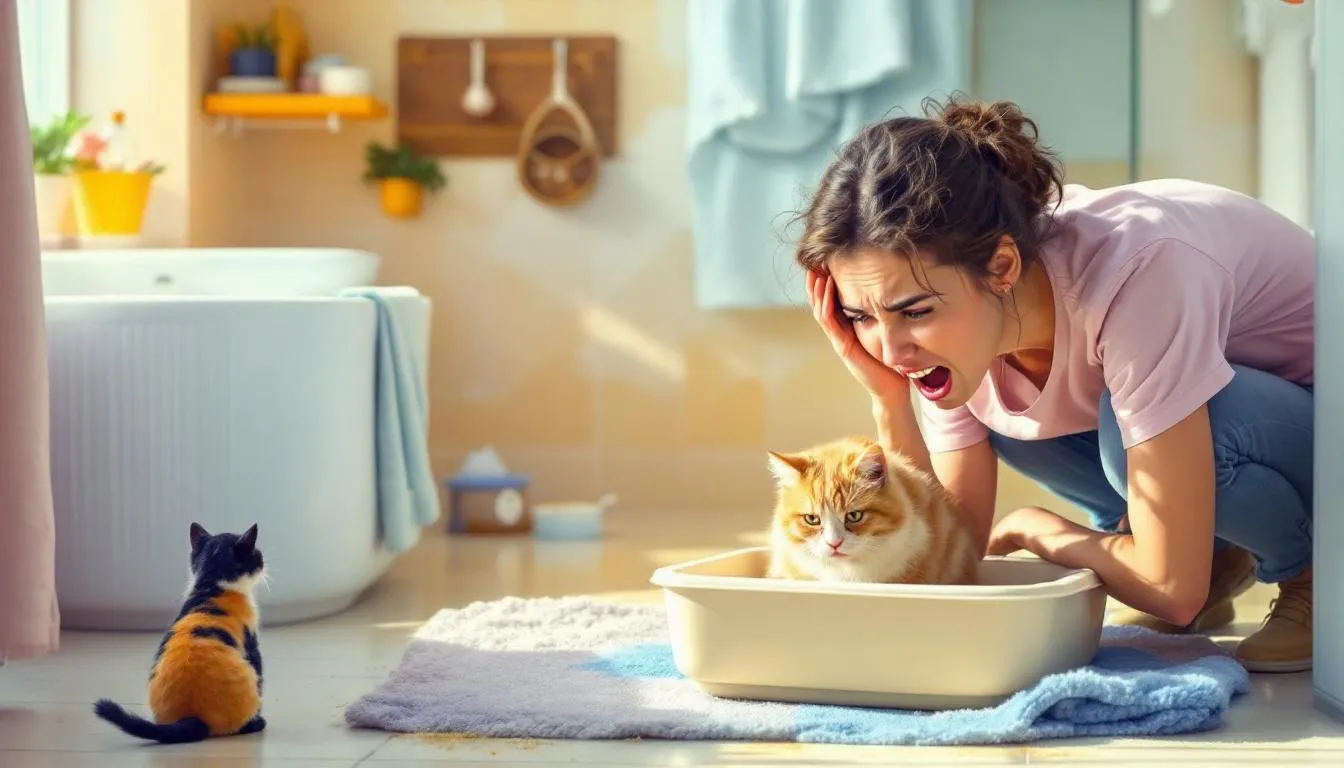
Cats need daily care, including feeding, grooming, and playtime. Busy schedules may make it hard to meet these needs. Cats can get lonely or stressed if left alone too long.
Travel plans and work hours affect a cat’s well-being. Some cats are more independent, but all need attention and love. Consider your lifestyle before adopting a cat to ensure a good fit.

Credit: prmsuat.transre.com
Frequently Asked Questions
Can Cats Reduce Anxiety And Stress?
Yes, cats can reduce anxiety by offering companionship and comfort. Their purring has calming effects that lower stress levels naturally.
How Do Cats Improve Mental Health?
Cats provide emotional support and reduce feelings of loneliness. Interacting with cats releases serotonin, boosting mood and overall mental wellness.
Are Cats Good Therapy Animals For Mental Health?
Cats are effective therapy animals due to their calming presence. They help ease depression symptoms and promote relaxation in stressful situations.
Can Owning A Cat Lower Depression Symptoms?
Owning a cat can lower depression symptoms by offering routine and affection. The bond with cats encourages positive emotions and reduces isolation.
Conclusion
Cats offer comfort and calm to many people every day. Their gentle purring can soothe stress and ease loneliness. Spending time with cats can lift moods and bring joy. They need care and love, which helps people feel needed. Small moments with a cat can make hard days better.
While not a cure, cats support mental health in simple ways. A furry friend can create a peaceful, happy space at home. Caring for a cat is a quiet way to feel connected.


Leave a Reply