
Are you wondering if cats are hard to potty train? You’re not alone.
Many cat owners struggle with this very question. The truth is, potty training a cat might seem tricky at first, but it’s definitely possible with the right approach. Imagine having a clean, odor-free home where your furry friend knows exactly where to do their business.
Sounds great, right? Keep reading, and you’ll discover practical tips and simple tricks that will make potty training your cat easier than you ever thought. Your cat—and your home—will thank you!

Credit: www.purina.com
Why Potty Training Cats Can Be Challenging
Potty training cats can feel like a puzzle with missing pieces. Unlike dogs, cats have unique habits and instincts that influence how they learn where to go. Understanding these challenges helps you set realistic expectations and choose the best approach for your feline friend.
Natural Instincts And Behavior
Cats are naturally clean animals. They bury their waste to hide their scent from predators. This instinct makes them prefer a consistent, private spot for elimination.
Sometimes, if the litter box smells or isn’t in a quiet place, your cat might avoid it. They also dislike dirty litter boxes, so keeping it clean is key. Have you noticed your cat’s strong preference for certain textures or locations?
Common Obstacles Owners Face
Many owners struggle with cats refusing the litter box. This can happen if the box is too small, in a noisy area, or if the cat has stress or health issues.
Changing litter types or box styles without a gradual transition may confuse your cat. Cats can also be sensitive to changes in their environment, like new pets or moving furniture. How often do you check for these subtle stressors that might affect your cat’s habits?
Differences Between Cats And Dogs
Dogs are pack animals and often eager to please, making potty training more straightforward. Cats are solitary by nature and don’t respond the same way to commands or rewards.
Cats rely more on routine and scent cues than on training sessions. This means your approach has to focus on creating a comfortable environment rather than teaching tricks. Are you ready to adapt your expectations and methods to fit your cat’s unique personality?
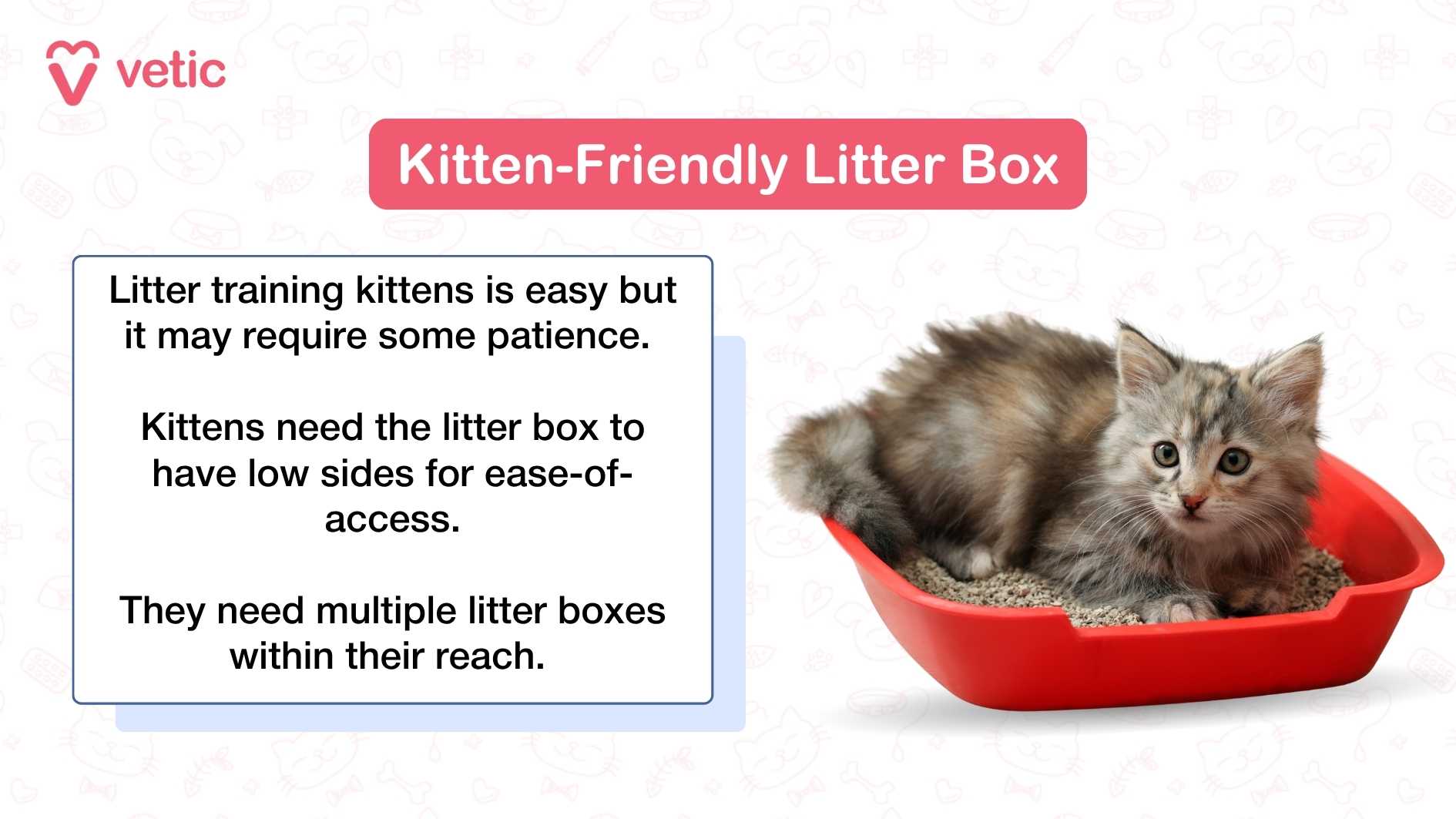
Credit: vetic.in
Choosing The Right Litter Box
Choosing the right litter box is key to successful potty training for cats. Cats have different preferences, so the right box makes a big difference. It should feel comfortable and safe. The box size, shape, and placement impact your cat’s willingness to use it. Selecting the best litter box helps avoid accidents and keeps your home clean.
Size And Shape Options
Pick a litter box that fits your cat’s size. Small boxes can feel cramped for bigger cats. Choose a box with enough space for your cat to turn and dig. Low sides work well for kittens or older cats with mobility issues. Taller sides help contain litter and stop messes. Consider your cat’s habits and preferences when selecting shape and size.
Open Vs Covered Boxes
Open boxes offer easy access and good ventilation. Cats can see around, which feels safer for some. Covered boxes provide privacy and reduce odor spread. Some cats dislike covered boxes because they feel trapped. Observe your cat’s behavior to decide which type suits them. Clean both types regularly to keep your cat happy.
Placement Tips For Success
Put the litter box in a quiet, low-traffic area. Avoid noisy or busy spots that may scare your cat. Place it away from food and water bowls. Easy access is important, especially for kittens and older cats. Provide multiple boxes if you have several cats. Keep boxes clean and fresh to encourage consistent use.
Picking The Best Litter Type
Picking the right litter type can simplify potty training for cats. Understanding litter types helps create a comfortable environment for your cat. Here, we explore different options to guide your choice.
Clumping Vs Non-clumping
Clumping litter forms solid clumps when wet, making scooping easier. It controls odor effectively and reduces waste. Non-clumping litter absorbs moisture but doesn’t form clumps. It’s cheaper but may require more frequent changes.
Scented Vs Unscented
Scented litter masks odors with fragrances, which some cats dislike. Unscented litter is more natural, reducing the chance of irritation. It suits cats with sensitive noses or allergies.
Materials That Cats Prefer
Cats often prefer natural materials like clay, corn, or wheat. These materials mimic outdoor textures, which cats find familiar. Experiment with different types to see what your cat enjoys.

Credit: www.purina.com
Step-by-step Training Techniques
Potty training your cat might seem tricky, but breaking it down into clear steps makes the process manageable. Each technique focuses on building good habits while respecting your cat’s natural behavior. Your patience and consistency will play a big role in success.
Introducing The Litter Box
Start by placing the litter box in a quiet, accessible spot with low foot traffic. Cats prefer privacy but also need easy access, so avoid noisy or hard-to-reach areas.
Show your cat where the box is right away. Gently place them inside after meals or naps to create a natural connection.
Choose a litter type that feels comfortable under their paws. Unscented, clumping litter often works best to encourage use.
Encouraging Regular Use
Consistency helps your cat understand the litter box is their go-to place. Keep the box clean by scooping daily—cats hate dirty spaces.
Notice your cat’s patterns. Do they sniff or scratch around certain spots? Guide them gently back to the litter box when you see these signs.
- Reward your cat with gentle praise or a small treat after using the box.
- Limit access to other parts of the house temporarily if accidents occur.
- Use multiple boxes if you have more than one cat or a large home.
Handling Accidents Effectively
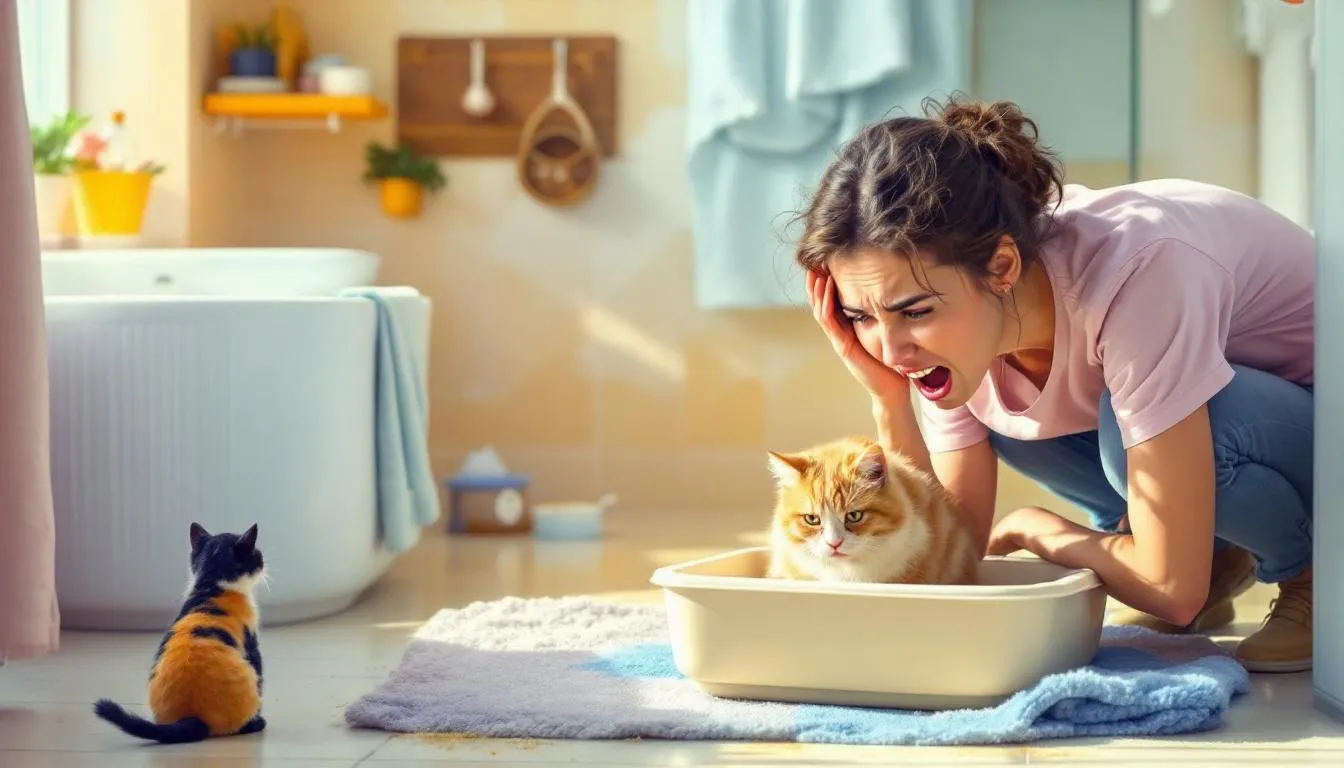
Accidents happen, so don’t punish your cat. Negative reactions can cause stress and make the problem worse.
Clean accidents thoroughly with an enzyme cleaner to remove odors. This prevents your cat from returning to the same spot.
Ask yourself if something changed—new pets, moving furniture, or a dirty box might confuse your cat. Adjust your approach based on what you observe.
Maintaining Cleanliness And Hygiene
Maintaining cleanliness and hygiene is essential when potty training your cat. A clean environment encourages your cat to use the litter box consistently and helps avoid health problems for both of you. Paying close attention to how you manage the litter box can make a big difference in your cat’s behavior and comfort.
Cleaning Frequency
How often you clean the litter box impacts your cat’s willingness to use it. Scoop out waste at least once a day to keep the box fresh. A full cleaning with soap and water should happen once a week to prevent buildup of bacteria and odors.
Some cats are more sensitive and may require even more frequent cleaning. Watch your cat’s behavior—if they start avoiding the box, it might be time to clean more often. Your cat’s comfort depends on your commitment to regular maintenance.
Dealing With Odors
Odors can quickly become a problem if the litter box isn’t managed properly. Use unscented, clumping litter to reduce smells without overwhelming your cat’s sensitive nose. Activated charcoal or baking soda can be added under the litter to absorb odors effectively.
Ventilation in the room where the litter box is located also helps control odors. Have you noticed that your cat avoids the box when it smells too strong? Keeping the area fresh is key to preventing litter box refusal.
Preventing Litter Box Aversion
Litter box aversion is a common issue that stems from poor hygiene or unpleasant experiences. Avoid harsh chemical cleaners that might leave a scent your cat dislikes. Instead, use mild, fragrance-free cleaners to maintain a neutral-smelling box.
Make sure the litter box is in a quiet, accessible spot where your cat feels safe. If you notice your cat going outside the box, it’s a sign to check for any cleanliness problems or discomfort. Consistency in cleaning and location helps your cat feel secure and encourages good habits.
Behavioral Tips For Faster Results
Getting your cat to use the litter box consistently can feel like a puzzle. Behavioral adjustments often make the difference between frustration and success. Understanding your cat’s mindset and adapting your approach can speed up potty training significantly.
Positive Reinforcement Strategies
Rewarding your cat immediately after they use the litter box helps create a strong connection between the action and the positive outcome. Use treats, gentle petting, or calm verbal praise to encourage this behavior.
Try to catch your cat in the act rather than scolding after the fact. Timing matters a lot here. Have a stash of small, tasty treats ready to hand out right after successful use.
Does your cat respond better to playtime or food rewards? Tailor your reinforcement to what motivates them most. This personal touch can make training feel less like a chore and more like bonding time.
Recognizing Stress Signals
Stress can cause a cat to avoid the litter box or regress in training. Watch for signs like excessive grooming, hiding, or sudden aggression. These clues tell you your cat might be overwhelmed.
Address stress by creating a calm environment. Adding a quiet litter box in a low-traffic area or using calming sprays can reduce anxiety. Have you noticed how your cat behaves right before accidents? This can help identify specific triggers.
Sometimes, changes in your household—new pets, guests, or loud noises—can unsettle your cat. Recognizing these signals early allows you to adjust and support your cat better.
Adjusting Training For Kittens Vs Adults
Kittens usually learn faster because they’re naturally curious and adapting to the world. Keep their litter box clean and accessible to encourage use. Short, frequent training sessions work best with their short attention spans.
Adult cats may have habits that take longer to change. Patience is key here. Observing their preferences for litter type or box location can provide clues to tailor your approach.
If your adult cat struggles, consider if past negative experiences have created resistance. Sometimes gradual introduction and extra positive reinforcement can rebuild trust. What small adjustments could you make today to suit your cat’s age and personality?
When To Seek Professional Help
Potty training a cat can sometimes be straightforward. Other times, it becomes a real challenge. Knowing when to seek professional help saves time and stress. It ensures your cat stays healthy and happy.
Persistent potty issues might signal deeper problems. Professionals have the skills to diagnose and fix these problems. Early intervention can prevent bad habits from becoming permanent.
Signs Of Medical Issues
Changes in litter box behavior can indicate medical problems. Watch for signs like:
- Frequent urination or accidents outside the box
- Straining or crying when using the litter box
- Blood in urine or stool
- Sudden avoidance of the litter box
- Excessive licking of the genital area
These signs may point to infections, bladder stones, or other health issues. Ignoring them can cause pain or worsen the condition.
Consulting Veterinarians
Veterinarians can rule out or treat medical causes. They perform exams and tests to find hidden problems. Treatment might include medication or dietary changes. Follow their advice closely for best results.
Sometimes, a vet visit is the first step to solving potty issues. They can also guide you on proper litter box care and hygiene.
Working With Animal Behaviorists
Behaviorists help with training and emotional problems. They study your cat’s habits and environment. Then, they create a plan to change unwanted behaviors.
Behaviorists can teach you techniques to encourage good litter box habits. They also help reduce stress or anxiety that affects potty training.
Professional help supports your efforts and improves your cat’s wellbeing.
Frequently Asked Questions
Are Cats Naturally Easy To Potty Train?
Cats instinctively use litter due to their clean habits. Most cats quickly learn to use a litter box without much training. Patience and consistency help if issues arise during potty training.
How Long Does It Take To Potty Train A Cat?
Potty training a cat usually takes a few days to weeks. Kittens learn faster, while adult cats may need more time. Regular litter box cleaning and positive reinforcement speed up the process.
What Are Common Potty Training Challenges With Cats?
Common challenges include litter box avoidance, marking, or fear of the box. Health issues or stress also cause accidents. Identifying the root problem and addressing it improves potty training success.
Can All Cats Be Potty Trained Successfully?
Most cats can be potty trained with proper methods. Some cats with behavioral or medical issues may need extra care. Consistency, patience, and a clean litter box increase training success rates.
Conclusion
Potty training cats takes patience and consistency. Cats learn best with gentle guidance. Each cat’s personality affects how fast they learn. Small, clear steps help your cat feel safe. Clean litter boxes encourage good bathroom habits. Expect some accidents, but don’t get discouraged.
Over time, most cats adapt well to training. Remember, kindness and routine make a big difference. Your effort helps create a happy home. Potty training is possible with care and time.

Leave a Reply