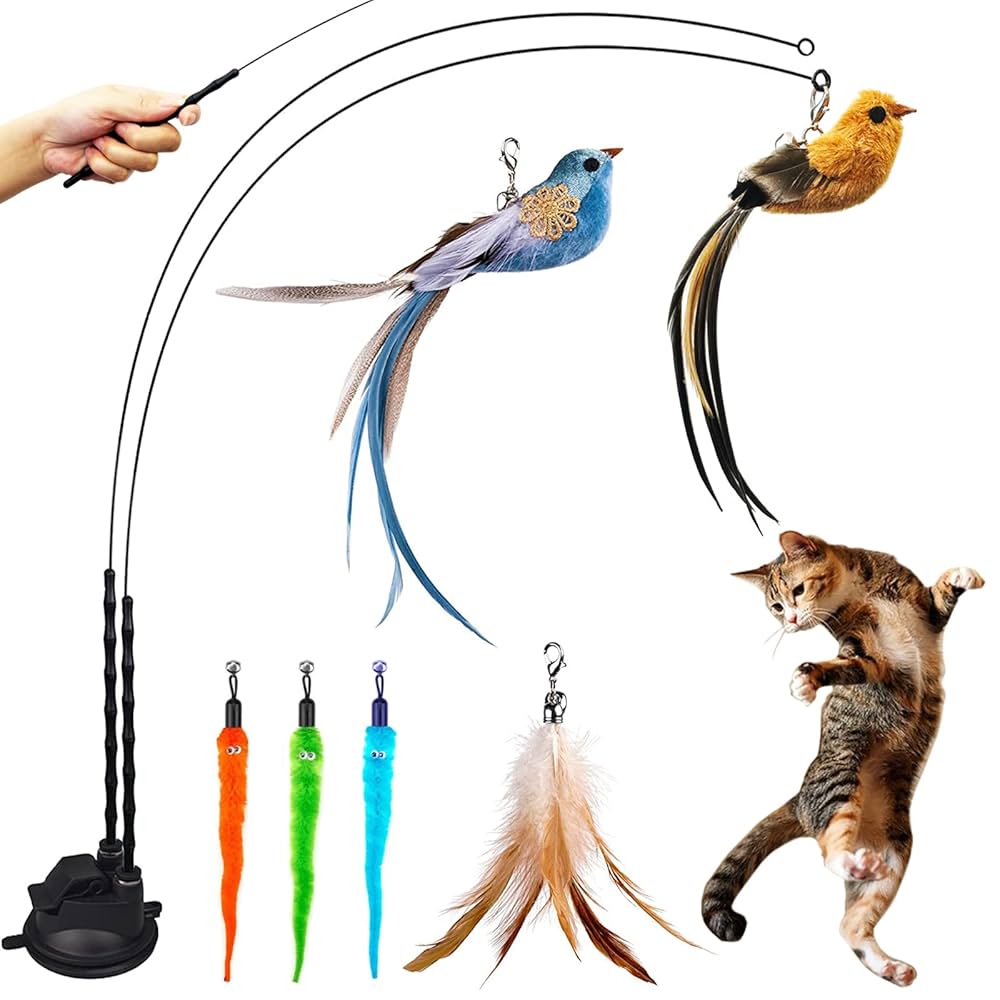
Have you ever wondered if your dog would enjoy playing with a cat toy wand? It’s a common question for pet owners who want to keep their furry friends happy and entertained.
You might be surprised to learn how your dog reacts to this simple, colorful toy designed for cats. You’ll discover the surprising reasons why your dog might love—or dislike—the cat toy wand. Keep reading to find out how this playful tool could change your dog’s playtime for the better.

Credit: www.amazon.com
Dog Reactions To Cat Wand Toys
Watching dogs interact with cat wand toys can be surprisingly entertaining. These toys, designed to mimic the quick movements of prey, catch a dog’s attention in unique ways. Understanding how your dog reacts to these toys can help you decide if they’re a fun addition to your pet’s playtime.
Initial Curiosity
Most dogs show immediate interest when they see the cat wand toy moving. The fluttering feathers or dangling strings often trigger their natural hunting instincts. You might notice your dog tilting their head or sniffing the toy before deciding how to engage.
Some dogs hesitate at first, unsure if it’s a toy for them. This brief pause is your chance to encourage interaction by gently moving the wand and praising their attention. Have you seen your dog’s eyes widen in surprise at the sudden movement? That’s their curiosity kicking in.
Play Behavior Differences
Dogs and cats play differently, and this shows clearly with cat wand toys. While cats often stalk and pounce, dogs tend to chase, bite, or even carry the toy around. Your dog might try to grab the wand itself rather than just the dangling parts.
Keep an eye on how your dog uses their mouth during play. Some dogs get overly excited and might accidentally damage the toy or hurt themselves. Adjusting your play style by controlling the wand’s movement can help keep playtime safe and fun.
Common Responses
- Chasing and snapping:Many dogs love to chase the moving toy and snap at it, enjoying the chase more than the catch.
- Chewing the handle:Some dogs focus on the wand’s stick, which might not be the intended target but shows their playful nature.
- Ignoring the toy:A few dogs may not find the toy stimulating, preferring balls or other chew toys instead.
Have you noticed your dog’s favorite play style? Tailoring play sessions to their preferences can make a big difference. If your dog enjoys the wand, it’s a great way to add variety to their daily activity.
Why Dogs Might Enjoy Cat Toys
Dogs often enjoy playing with cat toys like the wand because these toys match their natural behaviors. Though designed for cats, the way these toys move and sound can catch a dog’s interest quickly. Dogs have strong instincts that drive them to chase and catch moving objects.
Playing with cat toys can keep dogs active and entertained. This type of play also helps build a bond between dogs and their owners. Understanding why dogs like cat toys helps pet owners choose the right toys for their dogs.
Stimulating Their Hunting Instincts
Dogs have an instinct to chase and catch moving things. Cat toy wands mimic the quick, unpredictable movements of prey. This triggers a dog’s natural hunting drive. The fast motions keep dogs alert and eager to pounce. Playing this way helps dogs use their energy positively.
Movement And Sound Appeal
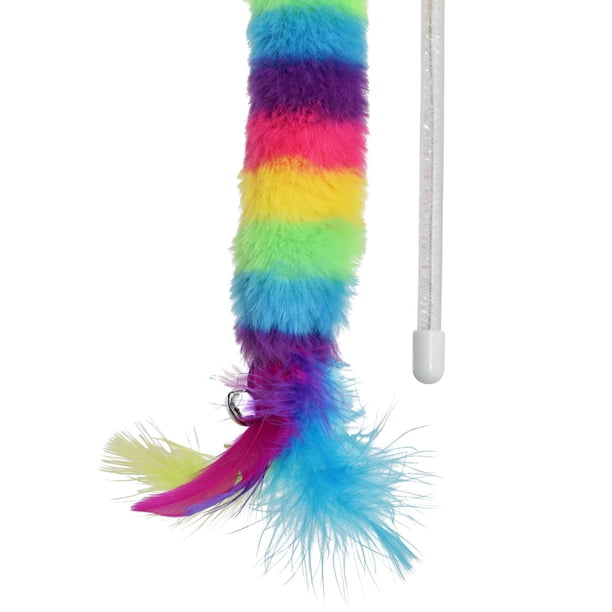
Cat toy wands often make rustling sounds or have feathers that flutter. Dogs are attracted to these noises and motions. The combination creates a sensory experience that holds a dog’s attention. The toy’s movement looks like something alive, which dogs find exciting.
Interactive Play Benefits
Using a cat toy wand encourages interaction between dogs and owners. This play improves a dog’s focus and obedience. It also helps reduce boredom and destructive behavior. Interactive play strengthens trust and communication in the relationship. Dogs enjoy the challenge and reward of chasing the toy.
Limitations Of Cat Wand Toys For Dogs
Dogs may not always enjoy cat wand toys because they are designed for cats’ play style. These toys often lack the durability and size needed for dogs. Some dogs might lose interest quickly or find the toy hard to catch.
Cat wand toys might entertain dogs, but they have limitations. These toys, designed for cats, may not meet a dog’s needs. Understanding these limitations helps ensure your pet’s safety and enjoyment.Durability Concerns
Cat wands are often delicate. They are usually made with thin strings and fragile attachments. Dogs are generally stronger than cats. They can easily break these toys during play. This can lead to small parts breaking off. These parts pose a choking hazard for dogs.Size And Safety Issues
Cat wand toys are small and lightweight. They are not built for a dog’s larger mouth and stronger bite. These toys can be swallowed easily, posing a risk. Dogs can chew on these toys, leading to broken pieces. These pieces can cause harm if ingested.Lack Of Appropriate Engagement
Cats and dogs play differently. Cat wands provide entertainment for cats through swift movements. Dogs prefer toys that they can chew and fetch. This makes the wand less engaging for dogs. They may lose interest quickly, leading to boredom. Dogs need toys that match their energetic play style.
Credit: zigly.com
Best Alternatives For Dog Play
Not every toy designed for cats will capture your dog’s interest. Dogs have different play styles and needs, so finding the right alternatives can make a big difference in keeping your furry friend happy and engaged. Let’s look at some options that work better for dogs and keep playtime exciting.
Recommended Dog Toys
Dogs love toys that challenge their minds and bodies. Durable chew toys like KONGs or Nylabones are perfect for keeping teeth healthy and minds busy. Balls and frisbees work great for fetch, which taps into your dog’s natural chasing instincts.
Consider toys that offer variety. Some dogs enjoy plush toys, while others prefer rubber or rope toys. Think about your dog’s size and chewing strength before picking a toy to avoid quick destruction or choking hazards.
Diy Toy Ideas
You don’t need to spend a lot to keep your dog entertained. Simple household items can turn into fun toys with a little creativity. For example, tie old t-shirts into knots for a tug toy or hide treats inside a rolled-up towel for a sniff-and-search game.
Try making a treat-dispensing toy using a plastic bottle with holes. Your dog will need to roll it around to get the snacks out. These homemade toys stimulate their brain and provide mental exercise without costing much.
Interactive Games For Dogs
Interactive games can strengthen the bond between you and your dog while providing much-needed stimulation. Teaching new tricks or playing hide-and-seek with toys or yourself keeps their mind sharp and their body active.
Use puzzle feeders during mealtime to slow down eating and engage their problem-solving skills. Have you noticed how your dog perks up when you introduce a new game? That excitement shows how much they enjoy being part of the action.
Tips For Introducing Cat Toys To Dogs
Introducing cat toys, like the wand toy, to dogs can be a fun way to boost their playtime variety. However, it’s important to do this thoughtfully to keep your dog engaged and safe. Here are some practical tips to help you bring these toys into your dog’s world smoothly.
Supervised Play Sessions
Always watch your dog closely when introducing a cat toy wand. Dogs may chew or swallow parts that aren’t safe for them. Being present lets you step in quickly if the play gets too rough or if the toy starts to break.
Try short play sessions at first. This helps your dog get used to the toy without feeling overwhelmed. You might notice your dog’s unique way of interacting with the wand—do they chase it, paw at it, or just sniff it?
Monitoring Dog Interest
Not every dog will take to a cat toy wand right away. Pay attention to their body language and enthusiasm. If your dog seems bored or uninterested, don’t force the toy on them.
You can increase interest by moving the wand slowly or quickly, mimicking small prey movements. Have you noticed your dog’s eyes light up with certain motions? Use those to keep their attention.
Ensuring Safety
Check the toy regularly for damage. Cat wand toys often have feathers or strings that can come loose and become choking hazards. Remove the toy immediately if any parts are coming off.
Keep in mind your dog’s chewing habits. If your dog is a heavy chewer, it might be better to use sturdier dog toys instead. Safety always comes first—your dog’s health depends on it.
Credit: www.walmart.ca
Frequently Asked Questions
Do Dogs Enjoy Playing With Cat Toy Wands?
Many dogs are curious and may enjoy cat toy wands. Their interest depends on the dog’s personality and play style. Some dogs love chasing the wand’s movement, while others may ignore it. Always supervise to ensure safe play.
Are Cat Toy Wands Safe For Dogs?
Cat toy wands can be safe for dogs if used properly. Avoid letting dogs chew or swallow parts. Supervise play to prevent injury. Choose durable wands without small, detachable pieces to ensure safety.
How Can I Make Cat Toy Wands Appealing To Dogs?
To attract dogs, move the wand like prey, mimicking quick movements. Use toys with feathers or ribbons that entice dogs. Experiment with different speeds and angles to engage your dog’s natural hunting instincts.
Can Cat Toy Wands Help Exercise Dogs?
Yes, cat toy wands can encourage dogs to chase and jump. This activity provides light exercise and mental stimulation. However, they may not replace dog-specific toys for vigorous workouts.
Conclusion
Dogs often enjoy the cat toy wand as a fun distraction. The wand’s movement catches their attention quickly. Many dogs like to chase and bite the toy’s feathers or strings. It can help keep them active and entertained indoors. Some dogs may prefer toys made just for dogs, though.
Always watch your pet during play to keep them safe. Trying different toys helps find what your dog loves most. Overall, the cat toy wand can be a simple, enjoyable choice for many dogs.

Leave a Reply