
Have you ever wondered just how many breeds of domesticated cats exist? If you’re a cat lover or thinking about bringing a feline friend into your home, knowing the variety of breeds can help you find the perfect match.
From fluffy and playful to sleek and mysterious, each breed has its own unique charm. You’ll discover the fascinating world of cat breeds, learn what makes each one special, and find out how many different types of domesticated cats are out there waiting to steal your heart.
Keep reading—you might be surprised by what you learn!
Cat Breed Classification
Cat breed classification helps us understand the many types of domesticated cats. It groups cats based on their appearance, origin, and traits. This system makes it easier for breeders, owners, and cat lovers to identify and appreciate different breeds.
Classifying cat breeds is not simple. Different organizations recognize different breeds. They also use various rules and categories. This variety shows how diverse the world of cats truly is.
Official Breed Registries
Official breed registries are groups that recognize and register cat breeds. They set the standards for each breed’s look and behavior. These registries keep track of pedigrees and breed history.
- The Cat Fanciers’ Association (CFA) is one of the largest registries worldwide.
- The International Cat Association (TICA) recognizes many breeds and promotes cat shows.
- The Fédération Internationale Féline (FIFe) is popular in Europe and has strict breed rules.
- The Governing Council of the Cat Fancy (GCCF) is the main registry in the UK.
Each registry may list different breeds. Some breeds may be accepted by one registry but not by another. This affects how many breeds are officially recognized.
Breed Groups And Categories
Breed groups help organize cats with similar traits. These groups make it easier to understand breed types and their needs.
- Natural Breeds:Cats that developed without much human influence, like the Maine Coon.
- Hybrid Breeds:Cats bred by crossing domestic cats with wild species.
- Mutation Breeds:Cats with unique traits caused by natural mutations, such as the Scottish Fold’s folded ears.
- Crossbreeds:Cats created by mixing two or more established breeds.
Each group shares common characteristics. This helps breeders and owners make choices about care and breeding.

Credit: www.youtube.com
Popular Cat Breeds Worldwide
Popular cat breeds worldwide show just how diverse and fascinating our feline friends can be. Whether you’re a seasoned cat lover or thinking about adopting your first pet, knowing the difference between various breeds can help you find a perfect match. Some breeds are known for their pedigree and unique traits, while others are beloved common domestic cats with charming personalities.
Top Pedigree Cats
Pedigree cats often come with a detailed lineage, making them a favorite among enthusiasts who appreciate specific traits. Breeds like the Siamese, Maine Coon, and Bengalstand out for their striking looks and distinctive behaviors.
- Siamese:Known for their sleek bodies and striking blue eyes, Siamese cats are vocal and social. They thrive on interaction and love being part of your daily routine.
- Maine Coon:One of the largest domesticated cats, Maine Coons have a thick coat and a gentle personality. Their playful nature makes them perfect for families.
- Bengal:With a wild appearance resembling a leopard, Bengals are energetic and intelligent. They require plenty of stimulation to stay happy.
Have you ever noticed how some pedigree cats quickly become the center of attention at home? Their unique looks and behaviors often create a strong bond with their owners, making your relationship unforgettable.
Common Domestic Breeds
Not all beloved cats come from pedigrees. Many common domestic cats, often called Domestic Shorthairs or Domestic Longhairs, make wonderful companions. They don’t have a specific breed but bring endless charm and personality.
- Domestic Shorthair:These cats vary widely in appearance but are generally healthy and easy to care for. Their mixed ancestry often means fewer health problems.
- Domestic Longhair:Similar to shorthairs but with longer fur, these cats need regular grooming. Their fluffy coats can make them look like little royalty.
Have you met a domestic cat whose personality felt larger than life? These cats prove that a pedigree isn’t the only way to get a unique and loving pet.
Rare And Exotic Breeds
Cats captivate with their diverse appearances and charming antics. Among them, rare and exotic breeds stand out. These unique felines allure with their distinct features and histories. Their presence adds a touch of the extraordinary to any home.
Uncommon Cat Varieties
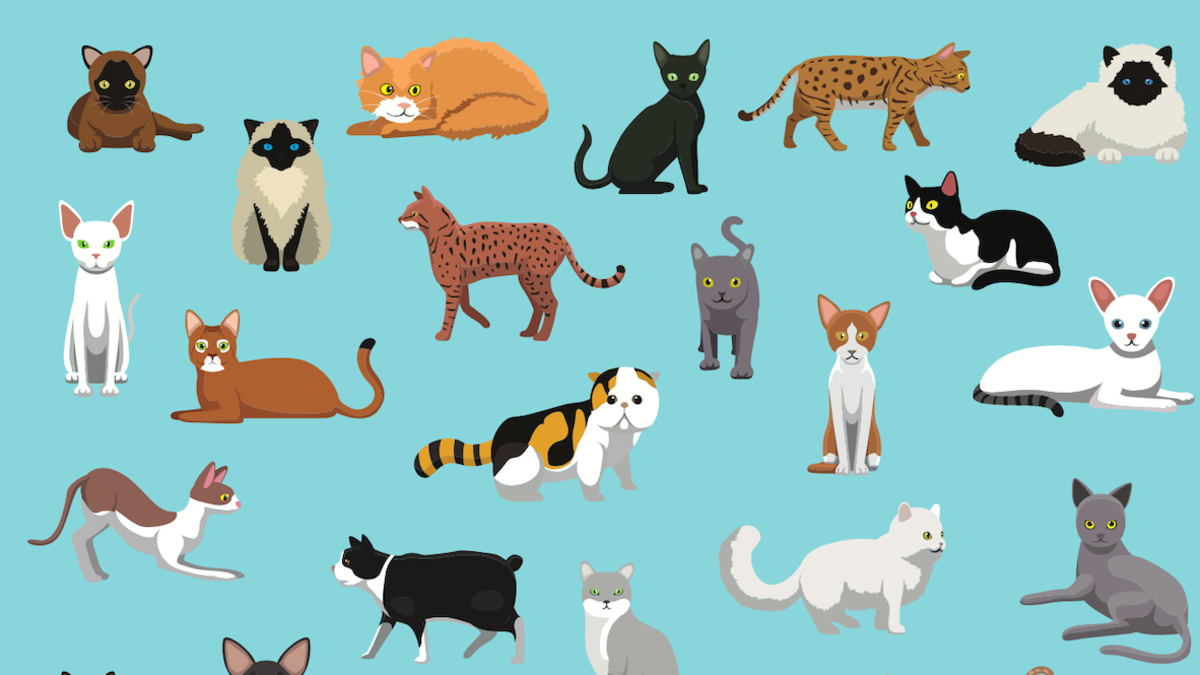
Some cat breeds are less common, making them intriguing. The Turkish Van, for instance, is known for its love of water. Its striking white coat with colored markings is unforgettable. Another rare breed is the Sokoke. It originates from Kenya and has a wild look.
The Lykoi, or “werewolf cat,” fascinates with its unusual appearance. Its sparse coat gives it a haunting yet endearing look. These uncommon breeds captivate those who seek something different.
Emerging Breeds
New cat breeds emerge as breeders experiment. The Toyger, designed to resemble a tiger, is one such breed. It combines a striking appearance with a friendly nature. Another emerging breed is the Bambino. It’s a mix of the Munchkin and Sphynx, resulting in a hairless cat with short legs.
Breeders continue to develop unique cats. Each offers new traits and characteristics. These emerging breeds add diversity to the world of domesticated cats.
Credit: paradepets.com
Breed Characteristics
Understanding breed characteristics is key to choosing the right cat for your home. Each breed has unique traits that affect how they look and behave. Knowing these details helps you find a feline companion that fits your lifestyle and personality.
Physical Traits
Cat breeds differ widely in size, coat type, and colors. Some, like the Maine Coon, are large with thick fur, perfect if you like a fluffy cat. Others, such as the Siamese, have short, sleek coats and striking blue eyes that stand out.
Consider the shape of their ears, tail, and body too. For example, Scottish Folds have folded ears, while the Sphynx is known for being hairless. These traits are not just about looks—they can influence grooming needs and how much attention your cat requires.
Personality Types
Personality varies just as much as appearance. Some breeds, like the Ragdoll, are famously gentle and love being held. Others, such as the Bengal, are energetic and curious, needing lots of playtime to stay happy.
Think about how active you want your cat to be. Do you prefer a calm lap cat or one that enjoys interactive toys and exploring? Matching your energy level with your cat’s personality can make living together much more enjoyable.
Breed Recognition Process
The breed recognition process is a crucial step in defining and preserving the unique traits of domesticated cat breeds. It involves careful evaluation and official registration, ensuring that each breed meets specific standards. Understanding this process helps you appreciate how new breeds emerge and gain acceptance in the cat-loving community.
How Breeds Get Registered
Registration starts with a clear and consistent set of breed characteristics. Breeders document traits like appearance, behavior, and genetics over several generations.
Once enough cats display these consistent traits, breeders submit an application to a recognized cat registry. This application often includes photos, pedigrees, and health records.
After submission, the breed undergoes a review by experts who check if the breed standards are met. They may request additional evidence or breeding records before granting official recognition.
Role Of Cat Associations
Cat associations play a major role in the breed recognition process. They set the breed standards and manage the registry where recognized breeds are listed.
Associations like The International Cat Association (TICA) and the Cat Fanciers’ Association (CFA) act as gatekeepers. They ensure new breeds meet high standards and maintain breed integrity.
These organizations also organize shows and events, giving breeders a platform to showcase their cats. This public exposure helps the broader community understand and accept new breeds.
Mixed Breeds And Hybrids
Mixed breeds and hybrids form an interesting part of the domesticated cat world. These cats often combine traits from different breeds or species. They add diversity beyond the standard purebred categories.
Many mixed breed cats come from natural breeding without human intervention. Hybrids, on the other hand, result from deliberate breeding between domestic cats and wild species. Both types show unique features and behaviors.
Common Crossbreeds
Crossbreeds occur when two purebred cats mate. These cats inherit traits from both parents. Some popular crossbreeds include:
- Bengal (Asian Leopard Cat + Domestic Cat)
- Toyger (Bengal + Domestic Cat)
- Chausie (Jungle Cat + Domestic Cat)
- Savannah (Serval + Domestic Cat)
These cats often have striking patterns and personalities. Crossbreeds can be healthier due to genetic variety. They may also show unique looks or behaviors not found in purebreds.
Hybrid Species
Hybrid species come from crossing domestic cats with wild cat species. Breeders aim to create exotic pets with wild traits. Examples include:
| Hybrid Name | Wild Parent | Traits |
|---|---|---|
| Bengal | Asian Leopard Cat | Spotted coat, energetic, playful |
| Savannah | Serval | Large size, spotted pattern, active |
| Chausie | Jungle Cat | Long legs, curious, social |
Hybrids require special care and attention. Their wild ancestry affects their behavior and needs. Owners should research before adopting these unique cats.
Choosing The Right Breed
Choosing the right breed of domesticated cat can make a big difference in your daily life. Each breed has unique traits and needs. These can affect how well the cat fits with your home and lifestyle. Understanding key factors helps you pick a cat that will be happy and healthy with you.
Lifestyle Considerations
Different cat breeds have different energy levels. Some breeds are very active and playful. Others prefer quiet and calm environments. Think about your daily routine and home setup. Do you have time to play with a high-energy cat? Or do you want a more relaxed companion? Some breeds enjoy socializing with people and other pets. Others like being alone most of the time. Consider how much attention and interaction you can provide. Your lifestyle helps narrow down the best breed choices.
Care And Maintenance Needs
Cat breeds vary in grooming and care demands. Long-haired breeds need regular brushing to avoid mats. Short-haired cats usually require less grooming. Some breeds shed a lot, which may affect allergies. Others are known for cleaner coats. Think about your willingness to handle grooming tasks. Certain breeds may need special diets or health checks. Research breed-specific health issues to be prepared. Matching care needs to your ability helps keep your cat healthy and happy.

Credit: uk.style.yahoo.com
Frequently Asked Questions
How Many Domesticated Cat Breeds Exist Worldwide?
There are about 70 recognized domesticated cat breeds globally. Different cat associations may list varying numbers. These breeds differ in appearance, personality, and care needs.
Which Cat Breed Is The Most Popular Domesticated Breed?
The Domestic Shorthair is the most common domesticated cat breed. It is known for its adaptability, friendly nature, and diverse colors. Many households prefer it as a pet.
How Do Cat Breeds Differ From Each Other?
Cat breeds differ in size, coat type, color patterns, and temperament. Some breeds are more active, while others are laid-back. These variations make each breed unique.
Are New Cat Breeds Still Being Developed?
Yes, new cat breeds are continually developed through selective breeding. Breeders aim to enhance specific traits or create unique appearances. This process adds diversity to domesticated cats.
Conclusion
Domesticated cats come in many breeds, each with unique traits. Over 70 recognized breeds exist worldwide today. Some breeds have long hair, others short or curly. Colors, patterns, and sizes also differ a lot. Choosing a cat breed depends on your lifestyle and preferences.
Every breed brings its own charm and personality. Cats make great pets, no matter their breed. Knowing the variety helps you find the perfect companion. Enjoy learning about these fascinating feline friends!



Leave a Reply