
Have you ever noticed your cat scratching its ears more than usual or shaking its head? You might wonder if some cat breeds are more prone to dirty ears than others.
Understanding whether certain breeds have a higher risk can help you keep your furry friend comfortable and healthy. You’ll discover which cats need extra ear care and simple tips to prevent problems before they start. Keep reading to learn how to protect your cat’s ears and avoid common troubles that could affect their well-being.
Cat Ear Anatomy
Cats have unique ear anatomy that helps them hear very well. Their ears are built to catch sounds from far away. Understanding the structure of a cat’s ear can explain why some cats might have dirtier ears than others.
Structure Of A Cat’s Ear
A cat’s ear has three main parts:
- Outer ear:The visible part that collects sound.
- Middle ear:Transfers sound to the inner ear.
- Inner ear:Sends signals to the brain for hearing and balance.
The outer ear has a large flap called the pinna. It moves to catch sounds from different directions. Inside the ear canal, hair and skin protect the ear from dirt and insects.
Ear Wax Production
Ear wax, also called cerumen, is natural and protects the ear. It traps dust, dirt, and small debris. Each cat produces different amounts of ear wax. Some breeds have more wax, which can look like dirt.
Wax keeps the ear clean by stopping harmful particles from reaching deep inside. Too much wax can build up if not cleaned. Regular ear checks help keep your cat’s ears healthy and clean.
Credit: www.petscare.com
Common Causes Of Dirty Ears
Dirty ears in cats can be a sign of several common issues. These problems affect cats of all breeds. Understanding the causes helps in keeping your cat healthy. Some issues need quick attention to avoid pain or infections.
Ear Mites And Parasites
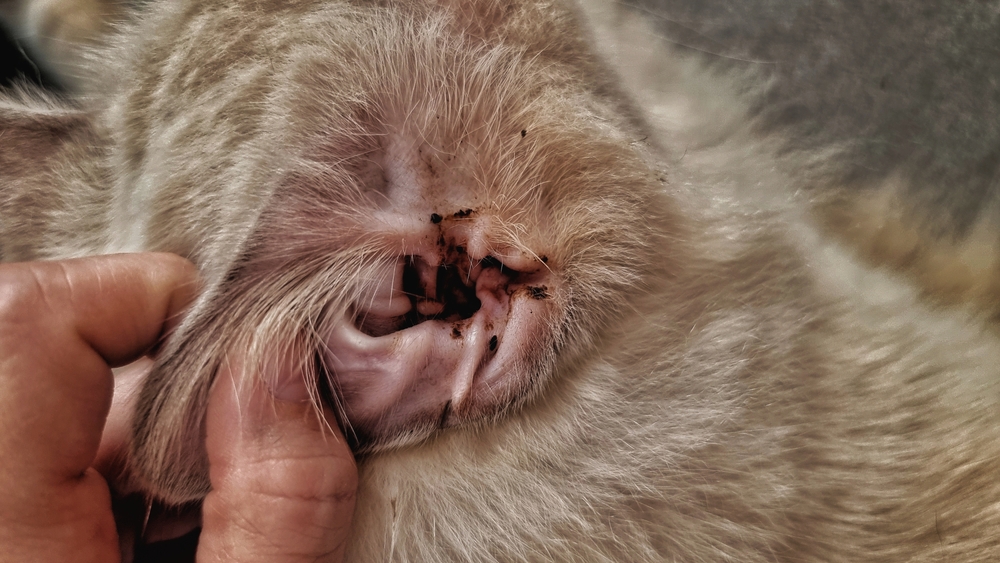
Ear mites are tiny parasites that live in a cat’s ear canal. They cause itching and dark debris in the ears. Cats often scratch their ears or shake their heads. Ear mites spread easily between cats in close contact. Treatment usually requires medication prescribed by a vet.
Infections And Allergies
Infections happen when bacteria or yeast grow inside the ear. They cause redness, swelling, and bad odor. Allergies can also irritate the ears, leading to dirt buildup. Cats with allergies may scratch their ears often. Both infections and allergies need veterinary care to heal properly.
Environmental Factors
Dust, dirt, and pollen from the environment can collect in a cat’s ears. Outdoor cats face more exposure to these particles. Moisture from bathing or humidity can worsen ear dirtiness. Keeping your cat’s ears clean helps prevent buildup from these factors. Regular checks and gentle cleaning keep ears healthy.
Breed-specific Ear Traits
Breed-specific traits in cats can significantly affect their ear health and cleanliness. Understanding these traits can help you better care for your feline friend’s ears. Some breeds are more prone to dirty ears due to their unique physical features.
Ear Shape And Size Variations
The shape and size of a cat’s ears can play a crucial role in how easily dirt and debris accumulate. Cats with large, open ears like the Abyssinian may have more exposure to environmental elements, leading to dirtier ears. In contrast, breeds with smaller, tightly folded ears, such as the Scottish Fold, may trap wax and moisture more easily, requiring regular cleaning.
Consider your cat’s ear shape when planning their grooming routine. Does your cat have large ears that gather dust, or small, tucked ears that might hold onto wax? Knowing this can tailor your approach to ear care.
Hair Growth In Ear Canal
Another factor influencing ear cleanliness is hair growth within the ear canal. Breeds like the Maine Coon or Persian often have more hair in their ears. This can trap debris and wax, making their ears appear dirtier if not maintained.
Regular trimming or plucking of excess hair can help maintain ear hygiene. Do you notice your cat scratching their ears more than usual? It might be time to check for excess hair causing discomfort.
Each breed has its unique ear characteristics, and recognizing these can be the key to keeping your cat’s ears healthy and clean. Are you ready to observe and adjust your ear care routine based on your cat’s breed-specific needs?
Breeds Prone To Ear Issues
Some cat breeds naturally face more ear issues than others due to their unique physical traits. These issues often lead to dirtier ears or frequent infections. Understanding which breeds are prone to ear problems can help you keep your cat’s ears clean and healthy.
Sphynx And Hairless Cats
Sphynx cats and other hairless breeds lack the usual fur that protects their ears. Without this natural barrier, their ears tend to accumulate more dirt, oil, and wax. You might notice frequent ear cleaning needs and sometimes a stronger odor.
Because of their exposed skin, these cats can also be more sensitive to ear infections. Regular gentle wiping with a vet-approved cleaner can make a big difference. Have you checked your Sphynx’s ears lately? They might need more attention than you expect.
Scottish Fold
The Scottish Fold’s signature folded ears can trap dirt and moisture more easily than straight ears. This unique shape reduces airflow, which can create a cozy environment for bacteria and yeast. You might see more frequent ear wax buildup or scratching.
Owners often find that checking inside their Scottish Fold’s ears weekly helps catch problems early. Using a soft cloth and some ear cleaner can prevent infections. Does your Scottish Fold show signs of ear discomfort like head shaking or scratching?
Persian Cats
Persians have narrow ear canals and a lot of fur around their ears. This combination can trap dirt and moisture, making ear cleaning a must. Their flat faces sometimes contribute to ear drainage issues, which increase the risk of infections.
Regular grooming and ear checks can keep your Persian comfortable and prevent nasty infections. You might want to schedule routine vet visits just to monitor their ear health closely. How often do you inspect your Persian’s ears?
Ear Care Tips For Different Breeds
Ear care varies among cat breeds due to differences in ear shape and hair growth. Some breeds need more attention to keep their ears clean. Regular care helps prevent infections and discomfort. Knowing the right cleaning and care routines protects your cat’s health.
Cleaning Techniques
Use a soft cloth or cotton ball dampened with a vet-approved ear cleaner. Avoid using cotton swabs inside the ear canal. For breeds with hairy ears, trim excess hair gently to improve airflow. Clean the outer ear folds carefully to remove dirt. Wipe away debris after each session to prevent buildup.
Preventive Measures
- Check ears weekly for redness, odor, or wax buildup.
- Keep your cat’s environment clean and dry.
- Brush hairy ears regularly to reduce dirt and wax.
- Limit moisture exposure during baths or rainy weather.
- Feed a balanced diet to support overall ear health.
When To See A Vet
Visit the vet if you notice constant scratching or head shaking. Seek help if ears have a foul smell or discharge. Redness and swelling also require professional care. Early treatment stops infections from worsening. Regular vet checkups help maintain clean and healthy ears.

Credit: www.reddit.com
Myths About Cat Ear Cleanliness
Many people believe some cat breeds have dirtier ears than others. This idea leads to misunderstandings about cat care. Ear cleanliness often depends on factors beyond breed. Myths about cat ear cleanliness can cause unnecessary worry or neglect. It helps to separate fact from fiction to care for cats properly.
Breed Stereotypes
Some breeds get labeled as having dirty ears without real proof. For example, cats with folded ears or large ears are thought to have more earwax. These stereotypes do not reflect actual ear health. Ear dirtiness varies among individual cats, not breeds. Genetics, environment, and grooming habits matter more than breed.
Natural Cleaning Abilities
Cats have natural ways to keep their ears clean. Their ears produce wax to trap dust and dirt. Cats use their paws and tongue to remove this wax regularly. This natural cleaning usually prevents buildup. Problems arise only if there is infection or poor grooming. Most cats keep their ears clean without much help.
Credit: justcatsclinic.com
Frequently Asked Questions
Do Some Cat Breeds Have Dirtier Ears Naturally?
Yes, certain cat breeds like Siamese and Oriental Shorthairs tend to have oilier skin. This can lead to more earwax buildup, making their ears appear dirtier than other breeds.
Can Ear Shape Affect Ear Cleanliness In Cats?
Yes, cats with folded or hairy ears, such as Scottish Folds, often trap more dirt and wax. This makes their ears prone to looking dirty and needing regular cleaning.
How Often Should I Clean My Cat’s Ears?
Generally, clean your cat’s ears once a month. Breeds prone to wax buildup may need cleaning every two weeks to prevent infections and discomfort.
Are Dirty Ears A Sign Of Health Problems In Cats?
Dirty ears can indicate infections or mites. If your cat’s ears smell bad or have discharge, consult a vet promptly for proper diagnosis and treatment.
Conclusion
Certain cat breeds may have more ear wax than others. Regular cleaning helps keep their ears healthy and clean. Watch for signs like itching or bad smell. These signs might mean an ear infection or mites. Always check your cat’s ears gently and often.
Clean ears make your cat more comfortable. Healthy ears also help your cat hear well. Remember, each cat is different, so care varies. Keeping ears clean protects your cat’s overall health. Simple care makes a big difference in your cat’s life.

Leave a Reply