
Are you wondering when the right time is to start potty training your cat? Knowing how old your cat should be before beginning this process can make all the difference in success.
If you start too early or too late, you might face frustration and setbacks. But don’t worry—this guide will help you understand the perfect age to begin and share simple tips to make potty training easier for both you and your furry friend.
Keep reading to discover how to set your cat up for success and enjoy a cleaner, stress-free home.
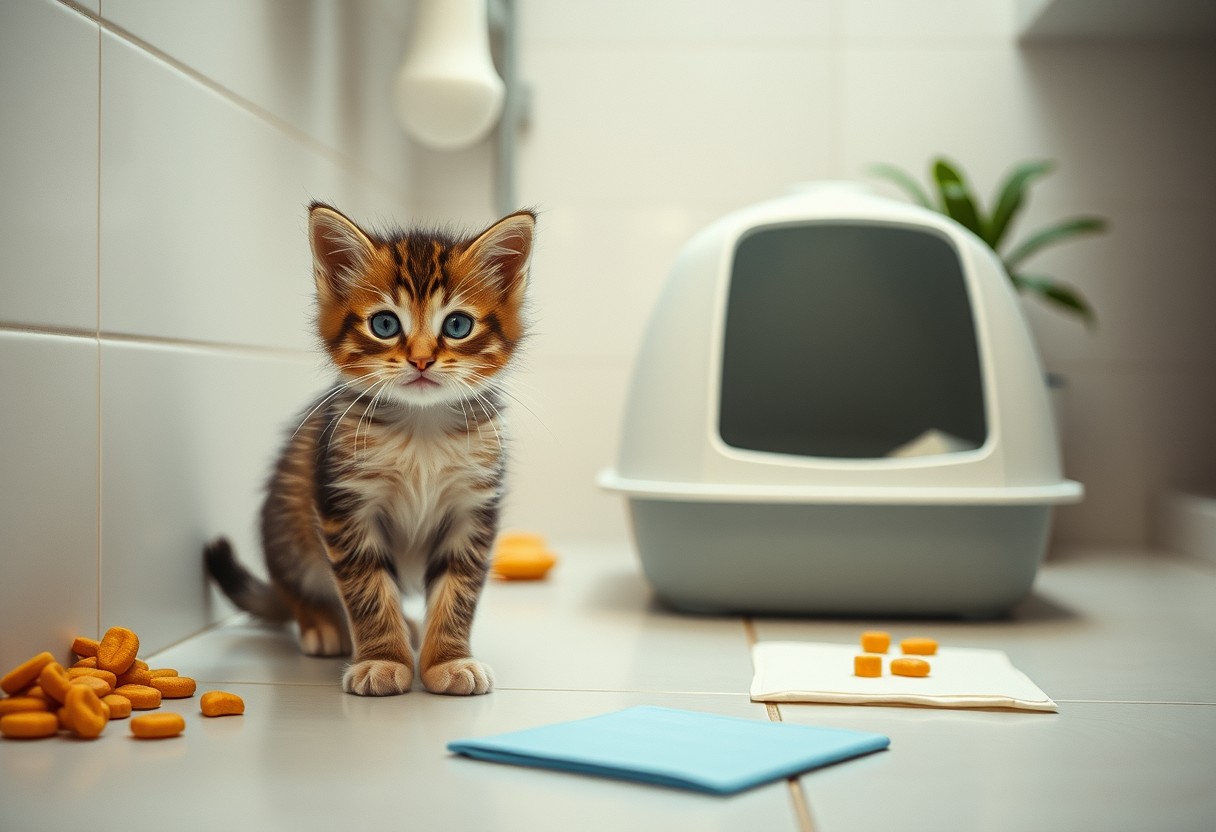
Credit: drpashu.com
Ideal Age To Start
Knowing the ideal age to start potty training a cat helps set clear expectations. It ensures your cat learns quickly and comfortably. Starting too early or too late can cause frustration for both you and your cat.
Most cats begin to show potty habits naturally. Timing your training to match their development leads to better results.
Kitten Potty Training Timeline
Kittens usually begin learning bathroom habits around 3 to 4 weeks old. At this age, they start exploring their surroundings.
By 6 to 8 weeks, kittens can use a litter box with some guidance. This is an excellent time to introduce training.
Between 8 to 12 weeks, kittens become more independent and consistent with using the litter box. Training during this period is most effective.
After 12 weeks, cats generally have established habits. Training an older cat may take more patience and time.
Signs Your Cat Is Ready
- Shows curiosity about the litter box or bathroom area
- Begins to dig or scratch in soft surfaces
- Stays near the litter box or bathroom spots for a while
- Walks or moves in circles before sitting down
- Leaves small urine spots on surfaces, signaling a need to go
These signs indicate your cat can start learning proper potty habits. Acting on these cues helps avoid accidents.

Credit: www.purina.com
Choosing The Right Litter Box
Choosing the right litter box helps your cat learn quickly. It makes potty training easier and more pleasant. Cats prefer comfort and privacy. A good litter box meets their needs and fits your space. Think about size, type, and litter material. These factors affect your cat’s willingness to use the box.
Size And Type Options
Pick a litter box large enough for your cat. It should allow easy turning and digging. Small boxes cause stress and accidents. Consider covered or uncovered boxes. Covered boxes give privacy and reduce odors. Uncovered boxes offer easy access and ventilation. Some cats prefer open spaces. Older or larger cats may need extra space or lower sides to enter easily.
Litter Material Choices
Choose litter your cat likes to walk on. Common types include clumping clay, silica gel, and natural materials. Clumping clay absorbs moisture well and is easy to clean. Silica gel controls odor longer but can be rough on paws. Natural litters like wood or corn are eco-friendly and soft. Avoid scented litters that may irritate your cat. Watch your cat’s reaction to litter type. Comfort encourages consistent use of the box.
Setting Up The Training Area
Create a quiet, clean space for your cat’s potty training. Place the litter box in a low-traffic area to help your cat feel safe. Keep the area tidy and easy to access at all times.
Setting up the training area for potty training your cat is a crucial step in ensuring success. This environment should be inviting and comfortable, encouraging your feline friend to embrace the new habit. By carefully selecting the location and maintaining cleanliness, you set the stage for a smooth transition.Location Tips
Choosing the right spot for your cat’s litter box can make all the difference. You want a location that’s easy for your cat to access but offers some privacy. A quiet corner in your home can be ideal, away from high-traffic areas and loud appliances. Consider your cat’s habits when choosing the spot. If they often nap in a particular area, placing the litter box nearby might encourage them to use it. Ensure the location is consistent, as frequent changes can confuse your cat.Maintaining Cleanliness
Keeping the training area clean is vital for success. Cats are naturally clean animals and may refuse to use a dirty litter box. Scoop waste daily and change litter regularly to keep it fresh. Invest in a litter box that is easy to clean and maintain. Some cats prefer clumping litter, while others might like a different texture. Experiment with different types to find what your cat prefers. Consider using a litter mat to catch stray litter and keep the surrounding area tidy. This can also help in reducing the spread of litter throughout your home. Keeping the area clean not only benefits your cat but also maintains a pleasant environment for you.Step-by-step Training Process
Training a cat to use the litter box takes patience and clear steps. This process helps your cat learn where to go without confusion. Each stage builds on the last to create good habits. Follow these simple steps to guide your cat smoothly through potty training.
Introducing The Litter Box
Place the litter box in a quiet and easy-to-find spot. Use a shallow box at first for kittens. Fill it with unscented, clumping litter that feels soft to paws. Show your cat the box gently by placing them inside for a few minutes. Keep the box clean by scooping waste daily. Cats dislike dirty litter and may avoid the box.
Encouraging Use
After meals or naps, guide your cat to the litter box. Praise softly when your cat uses it correctly. Use treats or gentle petting as rewards. Avoid loud noises or punishment near the box. Keep the routine steady to build confidence. Watch for signs like scratching or sniffing and lead your cat to the box then.
Handling Accidents
Clean accidents quickly with an enzyme cleaner to remove smells. Avoid ammonia-based cleaners that can confuse cats. Never punish your cat for accidents; it causes fear and stress. Instead, gently place your cat in the litter box after an accident. Observe for health issues if accidents continue. Patience is key; accidents will reduce over time.
Common Challenges
Potty training a cat can bring many challenges. Some cats take to the litter box easily. Others struggle and resist the new habit. Understanding common challenges helps create a better training plan. Patience and consistency are key to success. Here are some common issues cat owners face during potty training.
Avoiding Litter Box Aversion
Cats may avoid the litter box for many reasons. A dirty box is the top cause. Cats prefer a clean, fresh space to do their business. The type of litter also matters. Some cats dislike strong scents or rough textures.
Place the box in a quiet, private spot. Avoid moving it often. Loud noises or busy areas scare cats away. Use unscented, soft litter to encourage use.
Watch for signs of discomfort. If your cat avoids the box, try changing the litter or location. Clean the box daily. This builds trust and comfort.
Dealing With Older Cats
Older cats may resist potty training more than kittens. Habits formed over years take time to change. Health problems can also affect behavior. Arthritis or mobility issues make reaching the litter box hard.
Be patient and gentle with older cats. Use a litter box with low sides for easy access. Place multiple boxes around the home to reduce walking distance.
Consult a vet to rule out medical issues. Older cats need extra support and care during training. Positive reinforcement helps build good habits slowly.
Expert Tips For Success
Potty training a cat can feel like a puzzle, but expert tips can make the process smoother and more successful. Understanding how to encourage your cat’s natural habits while staying patient and consistent is key. Let’s dive into some practical strategies that really work.
Positive Reinforcement Techniques
Reward your cat immediately after they use the litter box correctly. Use treats, gentle praise, or extra playtime to reinforce good behavior. Cats respond well to positive signals, so keep rewards consistent and timely.
Avoid punishment—it confuses your cat and can create fear around the litter box. Instead, focus on celebrating small wins. Have you noticed how your cat perks up when you offer a treat? That’s your moment to strengthen good habits.
Consistency And Patience
Stick to a regular schedule for feeding and litter box cleaning. Cats thrive on routine and knowing what to expect reduces accidents. Clean the litter box daily to keep it inviting and fresh.
Be patient, especially if your cat is very young or nervous. Some cats take weeks to fully adjust. What can feel like slow progress is often just your cat learning at their own pace.
Ask yourself: Are you being consistent enough with your training approach? Sometimes a small change in timing or tone can make a big difference.

Credit: raleighncvet.com
Frequently Asked Questions
At What Age Can You Start Potty Training A Cat?
You can start potty training a cat around 3 to 4 months old. Kittens are more adaptable at this age and can learn quickly. Early training helps build good habits and makes the process easier for both you and your cat.
How Long Does It Take To Potty Train A Cat?
Potty training a cat usually takes 2 to 4 weeks. The exact time depends on the cat’s age and temperament. Consistency and patience are key. Regular positive reinforcement speeds up the learning process.
Can Adult Cats Be Potty Trained Successfully?
Yes, adult cats can be potty trained, but it may take longer. Older cats may resist change but with patience, they can learn. Start with gradual training steps and use treats to encourage progress.
What Are The Best Methods To Potty Train A Cat?
Using a litter box consistently and rewarding good behavior works best. Gradually introduce the potty area and keep it clean. Positive reinforcement and patience are essential for success.
Conclusion
Potty training a cat takes patience and time. Start when your kitten is about three months old. Keep training sessions short and consistent. Reward good behavior with treats or praise. Expect some accidents along the way. Every cat learns at its own pace.
Stay calm and positive throughout the process. Soon, your cat will use the litter box regularly. A little effort now saves frustration later. Helping your cat learn this skill strengthens your bond. Trust yourself and your pet during training. Success feels great for both of you.

Leave a Reply