Have you ever wondered if your cat can really see in the dark? You’re not alone.
Many pet owners are curious about how their furry friends navigate dim rooms and nighttime adventures with such ease. Understanding how cats’ eyes work can help you better care for your pet’s health and safety. You’ll discover the truth behind your cat’s night vision and learn practical tips to keep your beloved companion healthy, no matter the hour.
Keep reading to unlock the secrets of your cat’s amazing eyesight!
Cat Vision Basics
Understanding how cats see the world is key to caring for their eye health. Their vision is quite different from ours, shaped by their needs as hunters and nocturnal creatures. Knowing these basics helps you notice when something might be off with your cat’s eyesight.
How Cats See Compared To Humans
Cats have better night vision than humans, allowing them to spot movement in very low light. They see fewer colors—mostly blues and greens—but their ability to detect motion is sharper than yours.
Think about the last time you noticed your cat suddenly pouncing in dim light. This skill comes from their eyes being tuned to detect the slightest movement, which is crucial for hunting.
Eye Structure Adaptations
Cats’ eyes have a layer called the tapetum lucidum that reflects light back through the retina, boosting their night vision. This is why their eyes seem to glow in the dark.
Their pupils can open wide to let in more light, much more than human pupils can. Plus, cats have more rod cells in their retinas, which helps them see better in darkness but reduces color sensitivity.
- Tapetum lucidum: Reflects light for night vision
- Wide pupils: Let in maximum light
- More rod cells: Better motion detection in low light
Have you ever wondered why your cat sometimes seems to see something you don’t? Their unique eye structure gives them an advantage in dim conditions, something you can observe firsthand during evening play sessions.

Credit: www.scmp.com
Night Vision Myths
Many people believe cats can see perfectly in total darkness. This idea has been passed around so often that it feels true, but is it really? Let’s break down some common myths about cats’ night vision and see what science says.
Do Cats See In Complete Darkness?
Cats cannot see in complete darkness. Their eyes need at least a tiny bit of light to detect shapes and movement. If you’ve ever tried to spot your cat in a pitch-black room, you know they aren’t invisible—they simply rely on other senses like hearing and smell.
Think about a time you switched off all lights and watched your cat. Did it suddenly become a ninja? Probably not. This shows that cats need some light, even if it’s very faint, to navigate.
Role Of Tapetum Lucidum
The tapetum lucidum is a special layer behind your cat’s retina. It acts like a mirror, reflecting light back through the retina to improve vision in low light. This is why their eyes seem to glow in the dark when light hits them.
This reflective layer helps cats make the most of dim light, but it doesn’t create light on its own. Without any light, the tapetum lucidum can’t help. So, it enhances night vision but doesn’t give cats superpowers.
Understanding this can change how you think about your cat’s abilities. It also reminds you to provide safe, dim lighting at night if you want your cat to move around safely.
Light Sensitivity In Cats
Cats are fascinating creatures with unique visual abilities. Their eyes are adapted to see in the dark, making them excellent night hunters. Light sensitivity plays a crucial role in their vision. Understanding how cats perceive light can help pet owners ensure better care.
Rod And Cone Cells Function
Cats’ eyes contain rod and cone cells. Rod cells are more numerous than cone cells. Rod cells help cats see in low light. They are highly sensitive to light. This allows cats to detect movement in the dark. Cone cells, though fewer, help cats see colors. Cats do not see as many colors as humans. Their vision is more attuned to detect motion and shapes.
Adjusting To Low Light Conditions
Cats can adjust their eyes to different light levels. Their pupils can expand and contract quickly. This helps them control the amount of light entering their eyes. In dim light, their pupils open wide, resembling large black circles. This maximizes light intake, enhancing night vision. Cats also have a reflective layer behind their retinas. This layer, called the tapetum lucidum, reflects light back through the retina. It increases the light available to photoreceptors. This gives cats their characteristic eye shine in the dark.

Credit: www.purina.com
Surprising Facts About Cat Eyes
Cats have a unique way of seeing the world, and their eyes hold some fascinating secrets. Understanding these details can help you better care for your feline friend’s health and well-being. Let’s uncover some surprising facts about cat eyes that might change how you look at your pet.
Color Changes In Different Light
Have you noticed your cat’s eye color seems to shift depending on the lighting? This is not just a trick of the light. Cats have a reflective layer behind their retinas called the tapetum lucidum, which enhances night vision and can cause their eyes to appear different colors under various lighting conditions.
In bright daylight, their eyes might look green, yellow, or amber. But in dim light or darkness, you might see a glowing effect, often green or blue. This glow helps them see better at night but can also surprise you when their eyes suddenly shine in the dark.
Pupil Shape And Size Variations
Unlike humans, cats have vertically slit pupils that can change size dramatically. When your cat is relaxed in bright light, their pupils shrink to narrow slits to reduce light entry.
In low light or when your cat is excited or hunting, their pupils widen to allow more light in. This change helps them see better in darkness and focus on moving objects. Have you ever caught your cat’s pupils shifting rapidly? It’s a sign they are alert or curious about their surroundings.
Eye Health And Care Tips
Keeping your cat’s eyes healthy is more important than many pet owners realize. Cats rely heavily on their vision for daily activities and overall well-being. Paying attention to their eye health can prevent discomfort and serious issues down the line.
Common Eye Problems In Cats
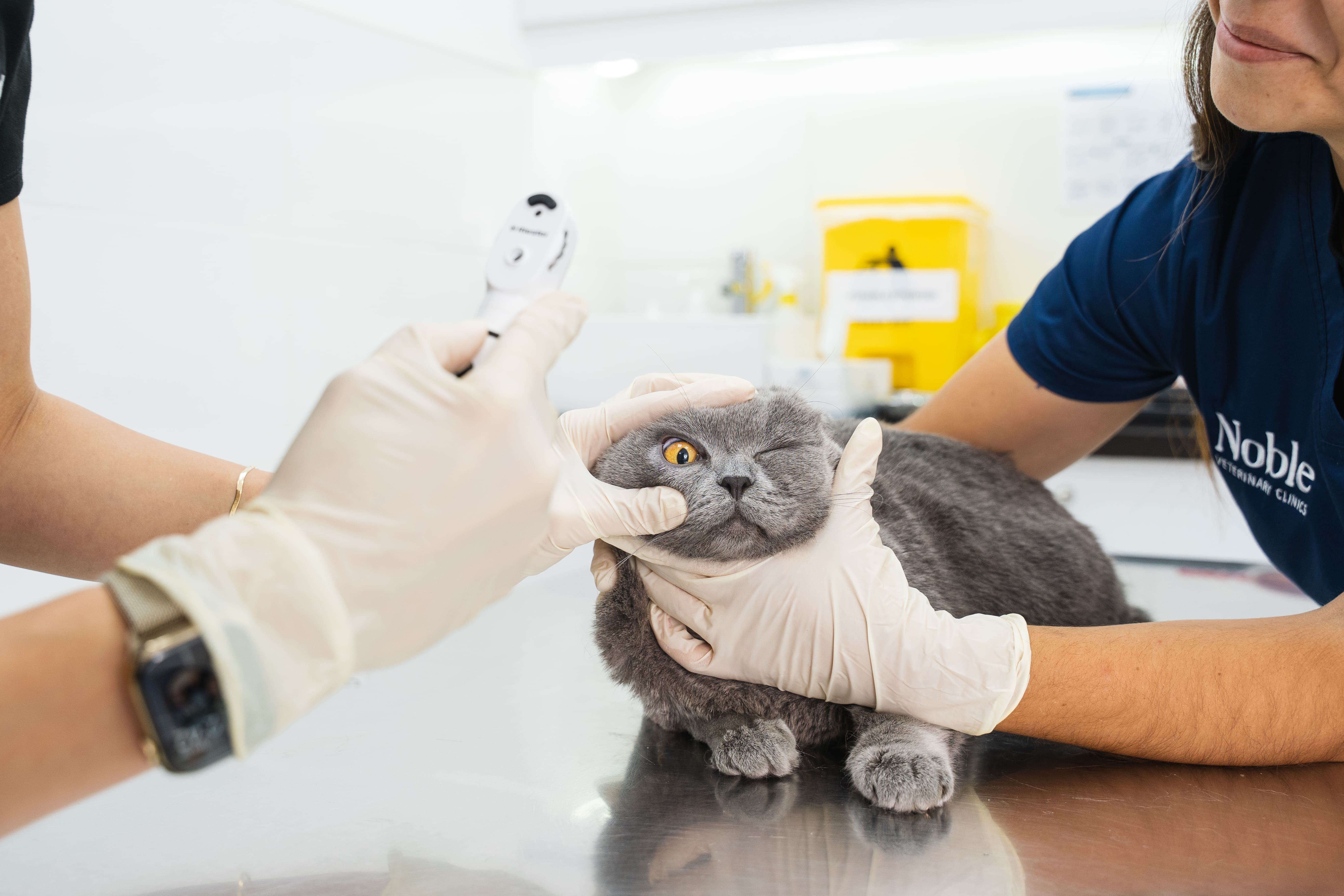
Redness, excessive tearing, and squinting are signs your cat might be struggling with eye problems. Conditions like conjunctivitis, cataracts, and glaucoma can affect cats of all ages.
Sometimes, your cat’s eyes might develop a cloudy appearance or discharge. These symptoms should never be ignored, as early detection can save your cat from long-term damage.
Preventive Measures And Treatments
Regularly check your cat’s eyes for changes in color, size, or discharge. Clean around their eyes gently with a damp cloth if you notice any dirt or crust buildup.
- Keep your cat’s environment clean to reduce the risk of infections.
- Ensure your cat’s vaccinations are up to date to prevent viral causes of eye disease.
- Schedule routine vet visits to catch problems early.
If you spot any unusual signs, don’t wait. A quick vet visit can provide the right treatment like eye drops or antibiotics.
Have you ever noticed your cat avoiding light or pawing at their eyes? These behaviors might be subtle cries for help. Paying attention can make a big difference in their comfort and health.
Credit: noblevetclinic.com
Impact Of Vision On Cat Behavior
The impact of vision on cat behavior is profound and often shapes how your feline friend interacts with the world. Cats rely heavily on their eyesight to make decisions, whether hunting prey or exploring their surroundings. Understanding this connection can help you better support your cat’s health and happiness.
Hunting And Navigational Skills
Cats are natural hunters, and their vision plays a key role in their success. Their eyes are adapted to detect movement even in low light, giving them an edge during dawn or dusk. If your cat seems to hesitate or miss targets, it might indicate a vision issue worth checking.
Have you noticed how your cat can effortlessly stalk toys or small insects in dim light? This ability is due to their tapetum lucidum—a reflective layer behind the retina that enhances night vision. Ensuring your cat’s eyes stay healthy supports these essential skills.
Interaction With Environment
Your cat’s vision affects how it explores and reacts to its environment daily. Sharp eyesight helps them recognize familiar places, avoid hazards, and feel secure. If your cat bumps into furniture or seems disoriented, this could signal vision problems impacting their confidence.
Think about how your cat reacts to new objects or changes in your home. Cats with good vision often investigate quickly and adjust smoothly. Supporting eye health with regular vet checks can keep your cat’s interaction with their world safe and enjoyable.
Frequently Asked Questions
Do Cats Really See In Complete Darkness?
Cats cannot see in total darkness. They need some light to see. Their eyes are highly sensitive to low light, helping them navigate better than humans in dim environments.
How Do Cats’ Eyes Help Them See At Night?
Cats have a high number of rod cells in their eyes. These cells detect low light. Their reflective layer, called tapetum lucidum, enhances night vision by reflecting light back through the retina.
Can Cats See Color In The Dark?
Cats see limited colors in bright light but not in darkness. At night, their vision focuses on shapes and movement, not colors, to help them hunt and move safely.
Why Do Cats’ Eyes Glow In The Dark?
The glowing effect comes from the tapetum lucidum. It reflects light through the retina, improving night vision. This glow varies in color depending on the cat’s eye pigment and light source.
Conclusion
Cats have special eyes that help them see better in low light. They don’t see in complete darkness but can spot shapes and movements. This ability helps them stay safe and hunt at night. Knowing how cats see helps you care for their health and safety.
Keep their eyes clean and watch for changes. Healthy eyes mean a happier cat and better night vision. Understanding your cat’s sight keeps your pet safe and comfortable. Simple care can protect their vision for years.




Leave a Reply