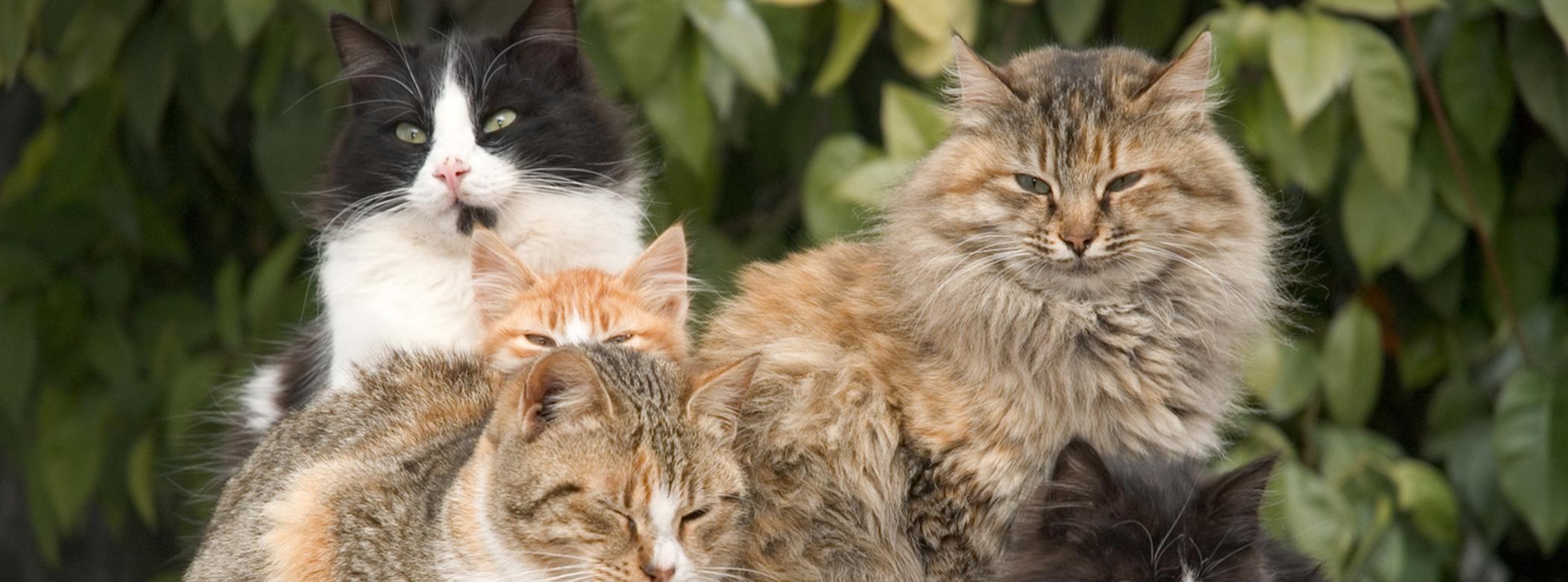
Have you ever wondered just how many different breeds of domestic cats exist? If you’re a cat lover or thinking about adding a feline friend to your family, knowing the variety of breeds can help you find the perfect match for your lifestyle.
From fluffy to sleek, playful to calm, each breed has its own unique traits that might surprise you. Keep reading to discover the fascinating world of domestic cat breeds and find out which one could be your ideal companion.
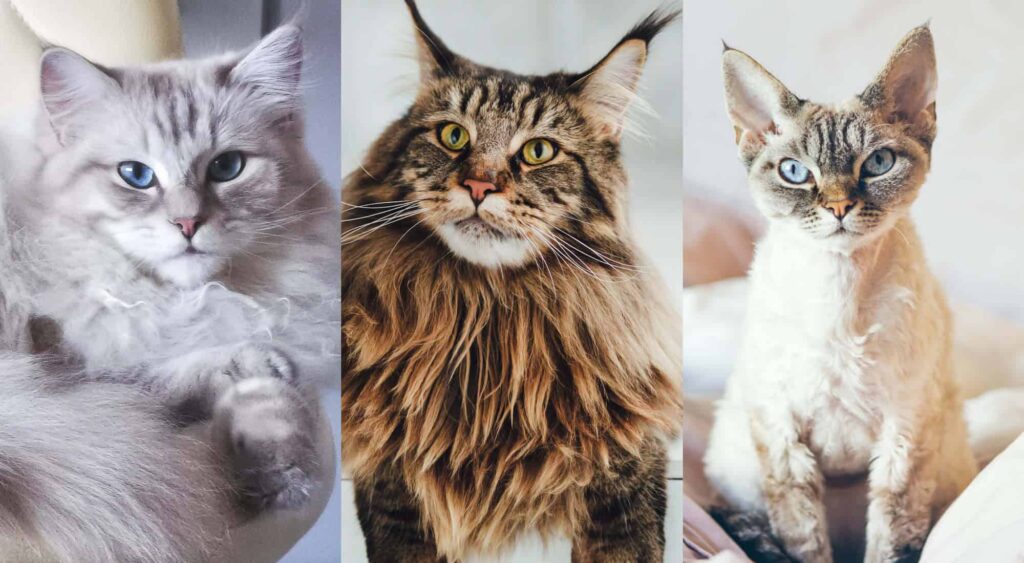
Credit: rawznaturalpetfood.com
Cat Breed Categories
Understanding cat breed categories helps you appreciate the diversity in the feline world. Each category shows different traits and backgrounds, influencing how these cats look and behave. Whether you’re a new cat owner or a seasoned enthusiast, knowing these categories can guide you in choosing the right companion.
Pedigree Cats
Pedigree cats come from documented lineage and are registered with cat associations. These cats have specific breed standards, including coat color, pattern, and body structure. Breeds like the Siamese, Persian, and Maine Coon fall into this group, each with unique traits that breeders carefully maintain.
If you want a cat with predictable features and temperament, pedigree cats are usually the way to go. Their histories often include health screenings, which can give you more confidence about their well-being. Have you ever noticed how some pedigree cats almost look like living art?
Non-pedigree Cats
Non-pedigree cats, often called moggies or domestic cats, have mixed ancestry without formal records. They come in countless colors and patterns and often have robust health due to genetic diversity. These cats bring a special kind of charm because each one is truly unique.
Choosing a non-pedigree cat can feel like adopting a mystery wrapped in fur. Their personalities can surprise you, and many become lifelong friends despite not fitting any breed standard. How does the idea of having a one-of-a-kind feline friend appeal to you?
Hybrid Breeds
Hybrid breeds result from crossing domestic cats with wild species, aiming to combine wild looks with domestic behavior. Examples include the Bengal, which has leopard-like spots, and the Savannah, known for its tall, slender frame. These cats often require more care and attention due to their wild ancestry.
Owning a hybrid breed is not just about aesthetics; it demands understanding their unique needs and energy levels. If you enjoy an active and playful cat, hybrids might be intriguing, but they may not suit every household. Are you prepared to meet the challenges that come with such an extraordinary pet?
Popular Cat Breed Registries
Popular cat breed registries play a key role in recognizing and preserving domestic cat breeds. These organizations set breed standards and host cat shows worldwide. They maintain detailed records on the traits and lineage of many breeds. This helps breeders and cat lovers understand breed diversity better.
The Cat Fanciers’ Association
The Cat Fanciers’ Association (CFA) is one of the largest cat registries globally. Founded in 1906, it registers over 70 recognized breeds. The CFA promotes responsible breeding and organizes many cat shows. Its breed standards focus on health, temperament, and appearance.
The International Cat Association
The International Cat Association (TICA) registers more than 70 cat breeds. It encourages new breed development and innovation. TICA hosts international cat competitions and maintains a large database of pedigrees. The association values diversity and supports breeders worldwide.
Other Major Registries
Several other registries also contribute to cat breed recognition. These include:
- The Governing Council of the Cat Fancy (GCCF) in the UK
- The Fédération Internationale Féline (FIFe) in Europe
- The World Cat Federation (WCF), which covers many countries
Each registry has unique standards and rules. Together, they enrich the global understanding of domestic cat breeds.
Number Of Recognized Breeds
Domestic cats come in many shapes, sizes, and colors. The number of recognized breeds changes based on different cat organizations. Each group has its own rules for what counts as a breed. This makes the total number of breeds a bit unclear.
Knowing the exact number of breeds helps cat lovers understand the variety better. It also shows how breeders and experts classify cats worldwide.
Breed Counts By Registry
Different cat registries list different numbers of breeds. Some focus on traditional breeds, while others accept new types. Here are examples of breed counts from major registries:
- The International Cat Association (TICA) recognizes around 73 breeds.
- The Cat Fanciers’ Association (CFA) recognizes about 44 breeds.
- The Fédération Internationale Féline (FIFe) lists approximately 48 breeds.
These numbers vary because each group has different criteria. Some registries accept experimental breeds, while others do not.
Reasons For Variation
The number of breeds varies due to several reasons. One is how strict the rules are for breed recognition. Some registries require a breed to have a long history. Others accept new breeds faster.
Another reason is geographical differences. Some breeds are popular in one region but unknown elsewhere. This affects whether a registry includes them.
Breeders also play a role. They develop new breeds and seek recognition for them. This process can take years and varies by registry.
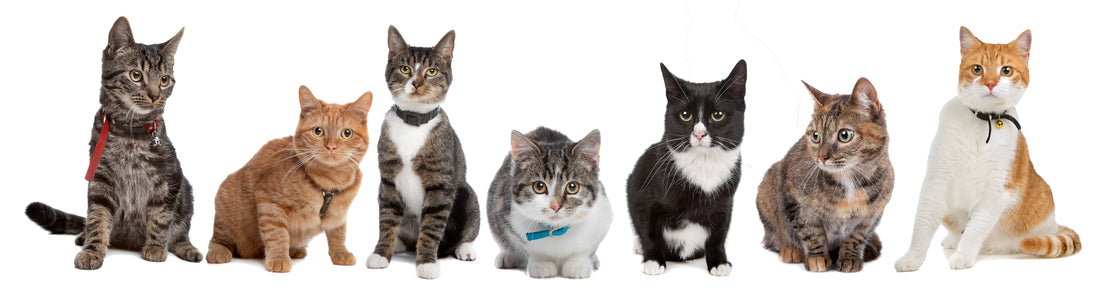
Credit: meowfia.us
Common Domestic Cat Breeds
Domestic cats come in various breeds, each with unique features. Some breeds are more popular due to their distinct looks and temperaments. Below, we explore some common domestic cat breeds you might find intriguing.
Siamese
Siamese cats are known for their striking blue eyes. They have short coats with a sleek and elegant appearance. Siamese cats are social and vocal, often forming strong bonds with their owners. Their coat color typically includes shades of cream, chocolate, and seal.
Maine Coon
Maine Coons are one of the largest domestic cat breeds. They have long, shaggy coats and bushy tails. Known for their friendly nature, they are often called “gentle giants.” Maine Coons adapt well to different environments and are good with families.
Persian
Persian cats have long, lush coats and a distinctive flat face. They require regular grooming to maintain their beautiful fur. Persians are calm and enjoy a relaxed lifestyle. They thrive in quiet homes where they can lounge comfortably.
Bengal
Bengal cats have a wild appearance with spots and rosettes. Their sleek, muscular bodies give them an athletic look. Bengals are energetic and love to play. They need plenty of activities to keep them entertained.
Emerging And Rare Breeds
Emerging and rare cat breeds bring fresh diversity to the world of domestic cats. These breeds often have unique traits or histories. Some are just gaining recognition, while others face the threat of extinction. They add excitement and interest for cat lovers everywhere.
Newly Recognized Breeds
New breeds are often discovered through careful breeding or natural mutations. Cat associations may officially recognize them after thorough evaluation. These breeds typically have distinct looks or behaviors that set them apart.
- The Lykoi, known as the “werewolf cat,” has a patchy coat and playful nature.
- The Dwelf combines features of the Munchkin and Sphynx, creating a unique small cat.
- The Serengeti, bred to resemble wild cats, has tall ears and long legs.
Recognition allows these breeds to grow in popularity and gain protection.
Endangered Breeds
Some rare cat breeds face extinction due to low numbers or loss of habitat. Conservation efforts work to preserve their unique genetics and traits. These breeds often have ancient origins or are native to specific regions.
- The Sokoke, an African breed, is known for its spotted coat and wild look.
- The Kurilian Bobtail, from Russia and Japan, has a distinct short tail and strong build.
- The Turkish Van is famous for its love of water and unique color pattern.
Protecting endangered breeds keeps the variety of domestic cats alive for future generations.

Credit: www.rd.com
Traits That Define Breeds
Traits that define cat breeds help us understand what makes each type unique. These traits go beyond just looks—they include behavior and personality too. Knowing these differences can help you find the breed that fits your lifestyle and preferences.
Physical Characteristics
Physical traits are often the first thing you notice. Each breed has distinct features like coat length, color patterns, and body shape.
- Coat Type:Some cats have short, sleek fur while others boast long, fluffy coats. Think of the sleek Siamese versus the fluffy Maine Coon.
- Color Patterns:Breeds can have solid colors, stripes, spots, or even unique markings. The Bengal’s leopard-like spots stand out compared to the solid colors of the Russian Blue.
- Body Shape:From the slender, elegant Oriental Shorthair to the stocky British Shorthair, body build is a clear breed marker.
Have you ever picked up a cat and immediately felt how different their build or fur texture was? That’s a clear physical trait that defines their breed.
Behavioral Traits
Behavior is just as telling as looks when it comes to breeds. Some cats are naturally playful, others more reserved.
- Activity Level:Active breeds like the Abyssinian love to climb and explore, while Persian cats tend to be calmer and more relaxed.
- Social Tendencies:Some breeds enjoy constant companionship and interaction, such as the social Ragdoll, while others prefer solitude.
- Vocalization:Breeds like Siamese are known for being talkative, often “chatting” with their owners.
Think about your own cat or one you’ve met—did their behavior match what you’d expect from their breed? Recognizing these traits can help you understand your cat’s needs better and improve your bond.
How Breeds Are Developed
Breeds of domestic cats have come about through careful and intentional efforts by breeders and enthusiasts. These efforts focus on enhancing specific traits, whether physical or behavioral, to meet particular standards or preferences. Understanding how breeds are developed can give you insight into the diversity you see in cats today.
Selective Breeding
Selective breeding involves choosing cats with desired traits and mating them to strengthen those characteristics in future generations. Breeders might focus on coat color, eye shape, personality, or even health traits. This method helps maintain the purity of a breed and ensures the traits remain consistent over time.
For example, the Siamese breed is known for its distinctive color points and vocal personality. Breeders selectively mate Siamese cats that best represent these traits, preserving the breed’s unique identity. Have you noticed how some traits, like the Bengal’s spotted coat, are so striking that they clearly stand out?
Crossbreeding
Crossbreeding combines two different breeds to create a new breed with a blend of traits from both parents. This approach can introduce fresh genetics and bring out qualities that might not appear in purebred lines. It’s often used to develop breeds with specific goals, such as hypoallergenic coats or particular temperaments.
The Ocicat, for instance, originated by crossing Abyssinians, Siamese, and American Shorthairs. This mix gave rise to a cat that looks wild but behaves like a friendly domestic pet. Could crossbreeding be the key to solving some common cat health issues by increasing genetic diversity?
Tips For Choosing A Cat Breed
Choosing the right cat breed makes a big difference in your life. Each breed has unique traits. Matching a breed to your needs helps create a happy home for both of you. Think about your daily routine and what kind of cat fits best. Consider health needs and care levels. This guide shares simple tips to help you pick the best breed for your lifestyle.
Lifestyle Considerations
Think about your daily activities and home environment. Some cats need a lot of attention and playtime. Others are more independent and quiet. If you work long hours, a calm breed may suit you better. Active families might enjoy a playful, energetic cat. Space matters too. Large, energetic breeds need room to roam. Small apartments fit better with smaller, less active cats. Also, consider allergies. Some breeds shed less and cause fewer reactions.
Health Factors
Every breed has different health risks. Some cats are prone to specific diseases. Research common health issues in the breed you choose. Regular vet visits are important for all cats. Some breeds need special care or diets. Lifespan varies by breed, so know what to expect. Choose a breed with a good health record to reduce future vet bills. Ask breeders or shelters about health history before adopting.
Frequently Asked Questions
How Many Domestic Cat Breeds Exist Worldwide?
There are approximately 70 to 75 recognized domestic cat breeds globally. Different cat associations may vary slightly in breed count.
What Is The Most Popular Domestic Cat Breed?
The Persian cat is one of the most popular and recognizable domestic breeds worldwide due to its long fur and gentle nature.
How Do Cat Breeds Differ From Each Other?
Cat breeds differ in size, coat type, color patterns, personality, and sometimes health predispositions.
Are New Domestic Cat Breeds Still Being Developed?
Yes, breeders continue to develop new cat breeds by selective breeding to enhance unique traits.
Conclusion
Domestic cats come in many different breeds, each unique and special. There are over 70 recognized breeds worldwide today. Each breed has its own look, personality, and history. Knowing about these breeds helps us appreciate cats more. Whether you like fluffy, short-haired, or big-eared cats, there is a breed for you.
Cats bring joy and comfort to many homes. Exploring their variety makes caring for them more fun. Keep learning about cats and enjoy their wonderful diversity.



Leave a Reply