
Potty training a cat might sound tricky, but it’s easier than you think. Imagine your home without litter boxes cluttering the space and no more scooping daily.
You can teach your cat to use the toilet with patience and the right steps. If you want a cleaner, fresher home and a smarter pet, this guide is made just for you. Keep reading, and you’ll discover simple tips that make potty training your cat smooth and stress-free.
Your cat—and your home—will thank you!
Choosing The Right Toilet Setup
Choosing the right toilet setup is key to potty training your cat successfully. Cats need a comfortable and safe place to adjust to the new habit. The toilet seat and supplies should suit your cat’s size and behavior. This helps reduce stress and makes learning easier.
Selecting A Suitable Toilet Seat
The toilet seat must be sturdy and fit your toilet well. Look for seats designed for pets or those with a removable center. A wide seat helps your cat balance better. Avoid seats that are slippery or unstable. The height should be easy for your cat to reach without jumping too high. A seat with a smooth surface cleans easily and stays hygienic.
Gathering Necessary Supplies
Prepare all tools before starting the training. You need a special training seat or insert to fit inside the toilet bowl. Have litter that your cat prefers ready to use. Use flushable litter to keep the toilet clean. Keep cleaning wipes or sprays nearby for accidents. Patience and treats help encourage your cat during training sessions.
Preparing Your Cat For Training
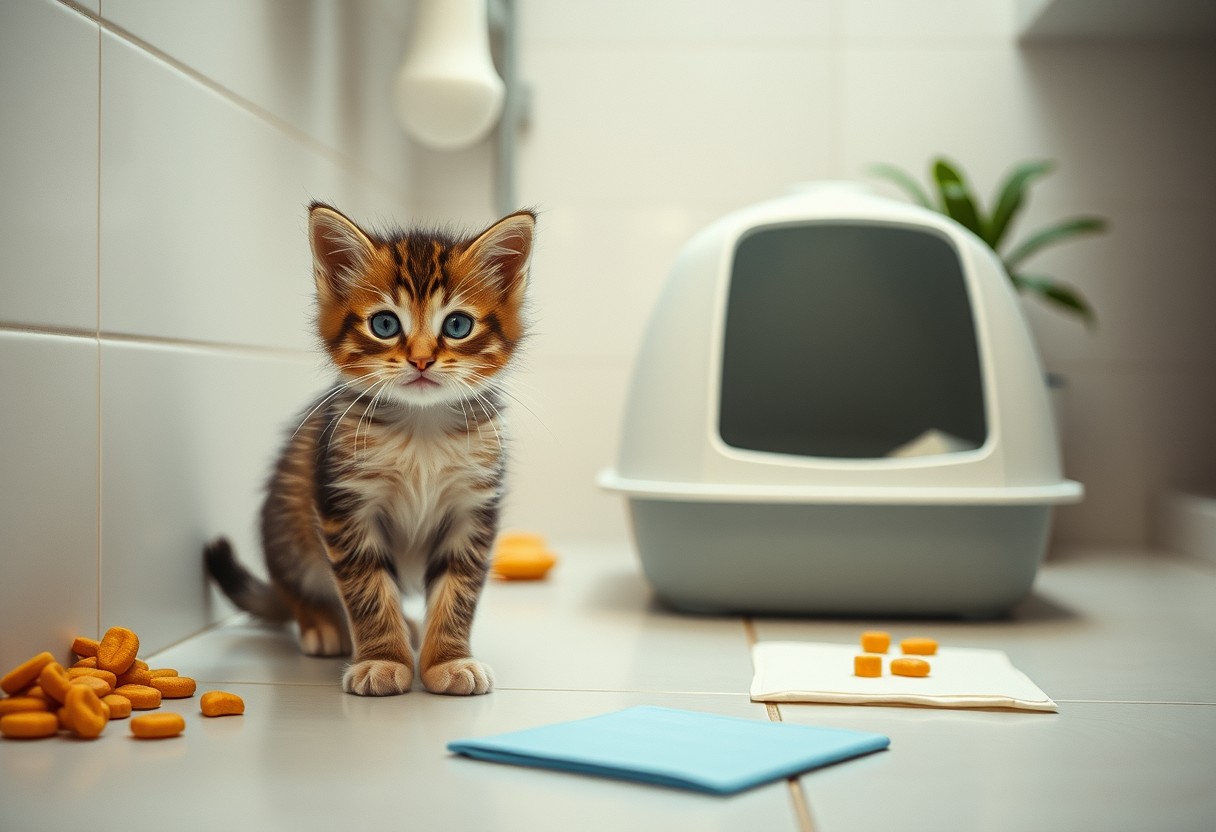
Getting your cat ready for potty training helps the process go smoothly. Choose a quiet, clean spot for the litter box and introduce it gently. Patience and consistency make your cat feel safe and eager to learn.
Preparing your cat for potty training requires patience and a systematic approach. Cats need time to adapt to new routines. Start by familiarizing them with the process. This helps reduce stress and make training easier.Introducing The Litter Box Near The Toilet
Place the litter box near the toilet. This helps your cat adjust to the new environment. Gradually elevate the box over time using sturdy materials. Ensure each elevation step is small. This mimics the height of the toilet. It allows your cat to adapt comfortably.Encouraging Toilet Exploration
Encourage your cat to explore the toilet area. Use treats to create positive associations. Place treats or toys on the closed toilet lid. This makes your cat curious and comfortable. Patience is key. Let them explore at their own pace. Reward them with affection or more treats. This builds trust and confidence in the new setup.Step-by-step Training Process
Potty training a cat can seem like a big challenge, but breaking it down into clear steps makes the process manageable. Each stage helps your cat adjust comfortably to new habits without stress. You’ll see progress faster if you stay patient and consistent.
Gradually Raising The Litter Box Height
Start by placing your cat’s litter box on a stable surface and slowly raise it a few inches every few days. Use phone books, boxes, or sturdy platforms to elevate the box. This helps your cat get used to higher surfaces and prepares them for using the toilet seat.
Watch your cat’s behavior closely. If they seem hesitant or avoid the box, slow down the raising process to keep them confident. Have you noticed how cats are curious but cautious? This step taps into that natural curiosity while building comfort.
Transitioning To The Toilet Seat
Once the litter box is at the toilet seat level, move it directly onto the closed toilet lid. Keep it secure to avoid any slips. Your cat will start associating the toilet area with their bathroom routine.
Keep the litter in the box at this stage. It’s a familiar scent that reassures your cat. Are you ready to celebrate small wins? Each visit to the toilet is progress and a sign your cat is adapting well.
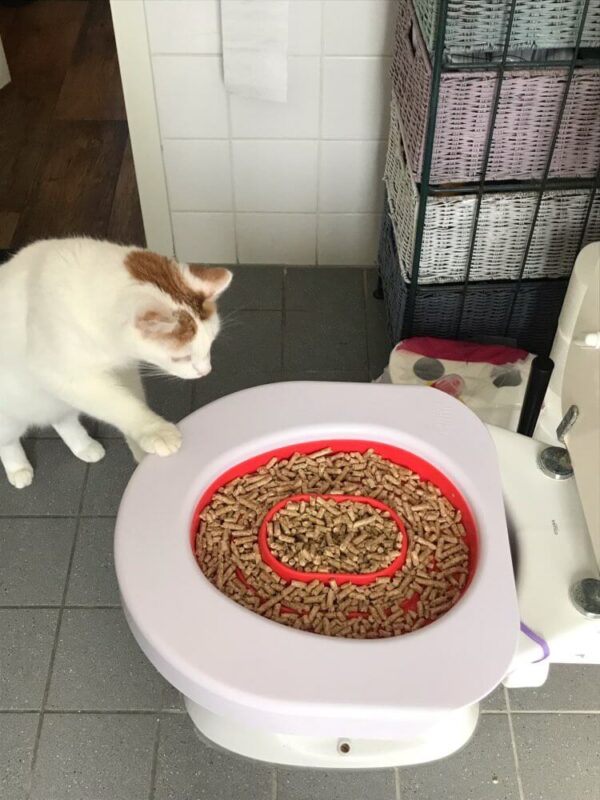
Using A Training Seat Insert
Replace the litter box with a special training seat that fits inside the toilet bowl. These inserts hold a small amount of litter and have a hole that you gradually enlarge over time. This encourages your cat to balance on the seat while adjusting to doing their business directly over the water.
Be patient as your cat learns to balance and use the hole. Some cats may take longer to feel confident. Your consistent encouragement and gentle praise will help your cat master this new skill.
Credit: advantia.com.au
Handling Common Challenges
Potty training a cat can bring many challenges. Patience and understanding help overcome these hurdles. Each cat learns at its own pace. Some problems might slow down progress but can be handled well with care. Here is how to manage common issues during cat potty training.
Managing Accidents
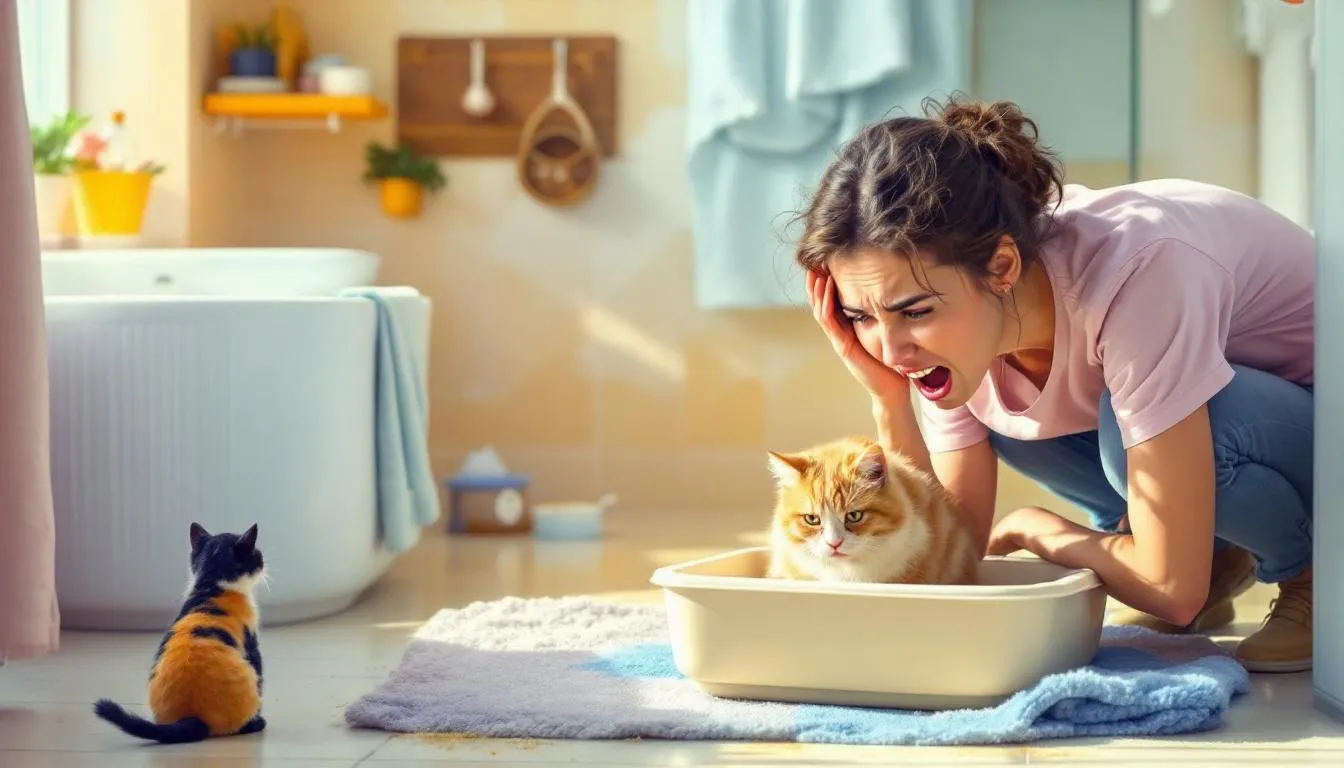
Accidents are normal during potty training. Never punish your cat. Punishment can create fear and confusion. Clean accidents thoroughly to remove odors. Use enzyme-based cleaners to stop your cat from returning to the same spot. Provide easy access to the litter box or training area. Watch your cat closely and gently guide it to the right place.
Dealing With Resistance
Some cats resist using the potty at first. This can happen due to fear or discomfort. Try different potty types or locations. Cats prefer quiet, safe spaces for their bathroom needs. Offer gentle encouragement with praise or treats. Avoid forcing your cat near the potty. Let it explore at its own speed. Patience is key to easing resistance.
Maintaining Consistency
Consistency helps your cat learn faster. Keep the potty area clean and accessible at all times. Use the same potty type and location daily. Follow a routine for potty breaks, especially after meals and naps. Family members should follow the same rules to avoid confusion. Consistent actions build good habits in your cat.
Reinforcing Positive Behavior
Reinforcing positive behavior is essential when potty training a cat. Cats respond well to encouragement and clear signals that they’re doing the right thing. By rewarding good habits and keeping track of their progress, you can make the training process smoother and more effective.
Using Rewards And Praise
Reward your cat immediately after they use the litter box or toilet correctly. This helps them connect the action with the positive outcome.
- Offer small treats your cat loves, like bits of chicken or special cat snacks.
- Use gentle petting or soft verbal praise to make them feel appreciated.
- Avoid scolding, as it can confuse or scare your cat, slowing down progress.
Think about what motivates your cat the most. Is it food, attention, or toys? Tailoring rewards to your cat’s preferences makes the training more effective and enjoyable for both of you.
Monitoring Progress
Keep a simple journal or checklist to track your cat’s potty habits. Note when they use the box successfully and any accidents that happen.
This helps you understand patterns and identify what triggers success or setbacks. Maybe your cat prefers a certain time of day or location.
Ask yourself: Are there changes in the environment or routine that might confuse your cat? Adjust your approach based on what you observe.

Credit: www.purina.com
When To Seek Professional Help
Potty training a cat can sometimes hit unexpected roadblocks. It’s important to recognize when your cat might be struggling beyond what you can handle alone. Knowing when to seek professional help can save both you and your feline friend from frustration and stress.
Signs Of Stress Or Anxiety
Watch your cat closely for signs of stress during potty training. If your cat starts hiding, vocalizing excessively, or showing aggression, these could be red flags. Sudden changes in appetite or grooming habits also signal anxiety.
Some cats may avoid the litter box entirely, choosing odd places to relieve themselves. This behavior often points to emotional discomfort rather than simple stubbornness. Have you noticed your cat pacing or scratching at the door to the litter area? That’s another sign they might be overwhelmed.
Consulting A Veterinarian Or Trainer
If stress signs persist, it’s time to reach out to a professional. A veterinarian can check for health problems like urinary tract infections that might be causing litter box avoidance. Sometimes, physical issues masquerade as behavioral problems.
Animal behaviorists and professional trainers can also provide tailored strategies. They understand the subtle cues cats give and can guide you in adjusting your training approach. Have you tried everything and still feel stuck? A professional’s perspective could reveal what you’re missing.
Remember, seeking help is not a failure. It’s a step towards ensuring your cat’s well-being and creating a happier home for both of you.
Credit: drpashu.com
Frequently Asked Questions
How Long Does It Take To Potty Train A Cat?
Potty training a cat usually takes 4 to 6 weeks. Consistency and patience are key. Gradual steps help cats adjust to the new routine.
What Supplies Are Needed For Cat Potty Training?
You need a cat toilet seat, cleaning supplies, and treats. Choose a sturdy, comfortable training seat that fits your toilet.
Can All Cats Be Potty Trained Successfully?
Most cats can learn with proper training. Age, temperament, and patience affect success. Older cats may take longer to adapt.
How Do I Start Potty Training My Cat?
Begin by moving the litter box near the toilet. Gradually raise its height over days. Introduce the training seat once the cat adapts.
Conclusion
Potty training a cat takes time and patience. Stay calm and keep training sessions short. Praise your cat often for good behavior. Expect some accidents, but don’t get upset. Use a clean, quiet spot for the toilet. Watch your cat’s progress and adjust as needed.
With care, your cat will learn this new skill. Enjoy a cleaner home and a happy pet. Small steps lead to great results. Keep trying, and your efforts will pay off.

Leave a Reply