Feeding your adult cat the right amount of food is more important than you might think. Too much can lead to weight gain and health problems, while too little leaves your furry friend hungry and unhappy.
You want to give your cat just what they need to stay healthy and full of energy. But how do you know the perfect portion size? You’ll discover simple tips and clear guidelines to help you feed your adult cat the right amount every day.
Keep reading to make sure your cat stays happy, healthy, and well-fed.
Daily Caloric Needs
Understanding your adult cat’s daily caloric needs helps maintain their health. Cats need the right energy amount to stay active and avoid weight issues. Calories are units of energy that food provides. Feeding too much or too little affects your cat’s well-being. Each cat’s calorie needs differ based on many factors. Knowing these helps you feed your cat properly and keep them happy.
Factors Affecting Calorie Requirements
Several factors change how many calories your cat needs daily. Age plays a role; younger cats need more energy. Activity level is key; active cats burn more calories. Health status matters, as sick cats may need fewer calories. Neutered cats often require fewer calories than intact ones. Breed and size also influence calorie needs. Larger cats usually eat more calories than smaller ones.
Calories For Indoor Vs Outdoor Cats
Indoor cats usually need fewer calories than outdoor cats. They move less and burn less energy inside. Outdoor cats are more active, exploring and hunting, so they need more fuel. Feeding indoor cats too many calories can cause weight gain. Outdoor cats require extra calories to support their energy use. Adjust food portions based on your cat’s lifestyle to keep them healthy.
Types Of Cat Food
Choosing the right type of food for your adult cat is essential to keep them healthy and satisfied. Cats have unique dietary needs, and the type of food you provide can impact their energy, weight, and overall well-being. Understanding the different types of cat food helps you decide what works best for your furry friend.
Dry Food Benefits And Drawbacks
Dry food is convenient and easy to store. It typically costs less and can be left out for your cat to nibble on during the day.
However, dry food often contains more carbohydrates and less moisture than wet food, which might not be ideal for cats prone to urinary issues. Some cats may also find it less appealing, leading to picky eating habits.
Wet Food Advantages
Wet food provides higher moisture content, which supports hydration and kidney health—especially important if your cat doesn’t drink enough water. It tends to be more flavorful, making it a good choice for picky eaters or older cats with dental problems.
Keep in mind, wet food can be more expensive and requires refrigeration after opening. But the health benefits often outweigh these inconveniences for many cat owners.
Raw And Homemade Diets
Raw and homemade diets allow you to control exactly what your cat eats, often avoiding fillers and additives found in commercial foods. They can offer a balanced diet if prepared correctly, mimicking what cats would naturally eat.
However, these diets demand time, effort, and a solid understanding of feline nutrition. Mistakes in preparation can lead to nutritional imbalances or health risks, so consulting a vet is crucial before switching your cat to homemade meals.
Portion Sizes By Cat Weight
Figuring out the right portion size for your adult cat depends heavily on their weight. Cats of different sizes have different energy needs, so feeding the same amount can lead to weight issues or malnutrition. Adjusting food portions according to your cat’s weight ensures they stay healthy and active without gaining or losing too much weight.
Feeding Guidelines For Small Cats
Small cats, typically weighing under 8 pounds, need less food but still require a balanced diet rich in nutrients. On average, a small adult cat should eat about 150 to 180 calories per day. This usually translates to around 1/4 to 1/3 cup of dry foodor 3 to 4 ounces of wet food, depending on the brand and calorie content.
If your small cat is very active, you might need to increase the portions slightly. Have you noticed your cat losing weight or seeming hungry after meals? That’s a sign to tweak their portions carefully.
Portions For Medium Cats
Medium-sized cats, generally between 8 and 12 pounds, require more energy to maintain their weight. They typically need about 180 to 220 calories daily. This equals roughly 1/3 to 1/2 cup of dry foodor 4 to 6 ounces of wet food.
Portion sizes can vary based on your cat’s activity level and metabolism. If your cat is more sedentary, aim for the lower end of the range to prevent weight gain. It’s helpful to measure portions precisely and observe how your cat responds over a week or two.
Large Cat Feeding Portions
Large cats, those weighing more than 12 pounds, need significantly more calories to fuel their bodies. They often require 220 to 300 calories daily, which translates to about 1/2 to 2/3 cup of dry foodor 6 to 8 ounces of wet food.
Keeping a large cat at a healthy weight can be challenging. I once had a big tabby who needed careful portion control and daily playtime to avoid becoming overweight. Do you track your cat’s weight regularly to adjust portions before problems arise?

Credit: www.temptationstreats.com
Feeding Frequency And Schedule
Adult cats usually eat two meals a day. Feeding small, consistent portions helps maintain a healthy weight. Adjust amounts based on your cat’s activity and health needs.
Understanding the right feeding frequency and schedule for your adult cat is crucial for their health and well-being. Cats are creatures of habit and thrive on consistency, so finding the perfect balance between meal timing and portion control can make a significant difference. Let’s explore how you can tailor a feeding routine that suits both you and your feline friend.Meal Timing Options
Deciding when to feed your cat can be a bit of a puzzle. Some cat owners prefer feeding their cats twice a day—once in the morning and once in the evening. This routine mimics the natural hunting cycle of cats, who would catch small prey several times a day in the wild. Alternatively, you can break the meals into smaller portions and feed them three to four times a day. This approach might suit cats who tend to overeat when given larger meals. Consider your schedule and your cat’s behavior to find a timing that works best for both of you.Free Feeding Vs Scheduled Meals
Free feeding involves leaving food out for your cat to nibble on throughout the day. This can be convenient for busy owners but might lead to overeating, especially if your cat isn’t good at self-regulating. It’s generally recommended to use this method only with dry food, as wet food can spoil quickly. On the other hand, scheduled meals offer more control over portion sizes and help maintain a healthy weight. This method requires a bit more planning but ensures your cat eats the right amount without going overboard. It can also prevent food aggression in multi-cat households, as each cat will have their designated meal time. Which method aligns with your lifestyle? Would your cat thrive with the freedom of free feeding, or do they need the structure of scheduled meals? Observing your cat’s eating habits and health can guide you to make the best choice.Signs Of Overfeeding And Underfeeding
Feeding an adult cat the right amount of food is crucial for its health. Both overfeeding and underfeeding cause noticeable signs. Recognizing these signs early helps maintain your cat’s well-being.
Changes in weight, energy, and coat condition often indicate feeding issues. Your cat may become less active or show changes in appetite. Pay attention to these clues to adjust feeding amounts properly.
Weight Gain And Obesity Risks
Excess food leads to weight gain in cats. Overfed cats may have a rounder body shape or a visible belly. They often become less active and may struggle to groom themselves well.
Obesity increases the risk of diabetes, arthritis, and heart problems. Watch for difficulty jumping or breathing. If your cat gains weight quickly, reduce food portions and increase playtime.
Nutritional Deficiencies And Weight Loss
Underfeeding causes weight loss and poor muscle tone. Your cat may appear thin with ribs or spine showing. They might seem weak or tired and lose interest in play.
Insufficient food also leads to dull fur and poor skin health. Nutrient shortages affect the immune system, making your cat prone to infections. Increase feeding carefully and consult a vet if weight loss continues.
Credit: www.walmart.ca
Adjusting Food Intake
Adjusting your adult cat’s food intake is crucial to keeping them healthy and happy. Cats don’t eat the same amount throughout their lives, so tuning into their changing needs can prevent weight problems and keep their energy steady. Let’s look at how you can tailor their meals based on lifestyle and health.
Changes For Activity Level
Active cats burn more calories and usually need extra food to fuel their adventures. If your cat loves to run and play or spends a lot of time outdoors, you might need to increase their daily portions. On the other hand, if your cat has become more sedentary, cutting back on food can prevent unwanted weight gain.
Try observing your cat’s behavior for a week. Are they energetic or more relaxed? Adjust their meals accordingly and watch for changes in their weight and coat condition.
Feeding Older Cats
Older cats often slow down, so their calorie needs drop. However, they might need food that supports joint health or kidney function. It’s not just about feeding less but feeding smarter.
Switch to senior cat food or consult your vet for recommendations. You might notice your cat eating less, so smaller, more frequent meals can help keep them interested and nourished.
Special Dietary Needs
Some cats require special diets due to health issues like allergies, diabetes, or digestive problems. These conditions can drastically change how much and what type of food they should eat.
- Allergies may require hypoallergenic food
- Diabetic cats need controlled carbohydrate intake
- Digestive issues often call for easily digestible ingredients
Have you ever noticed your cat’s reaction to certain foods? Keeping a food diary can help you and your vet make the best choices for your cat’s unique needs.
Measuring And Monitoring Food
Measuring and monitoring your adult cat’s food is essential for their health. Proper portion sizes keep your cat fit and active. Feeding too much or too little causes problems. Accurate measurement and careful observation help maintain balance.
Using Measuring Tools
Use a kitchen scale for precise portion sizes. Measuring cups work well but weigh food for best accuracy. Dry and wet food have different densities. Always measure food before feeding. Consistent portions prevent overeating and obesity.
Tracking Eating Habits
Keep a daily log of your cat’s food intake. Note the amount and time of feeding. Watch for changes in appetite or refusal to eat. Sudden changes can signal health issues. Regular tracking helps spot problems early.
When To Consult A Vet
Consult a vet if your cat loses or gains weight fast. Difficulty eating or swallowing needs immediate attention. Persistent changes in eating habits are warning signs. Your vet can adjust food amounts or check for illness. Regular vet visits support a healthy diet plan.

Credit: thelittlecarnivore.com
Frequently Asked Questions
How Much Food Should I Feed An Adult Cat Daily?
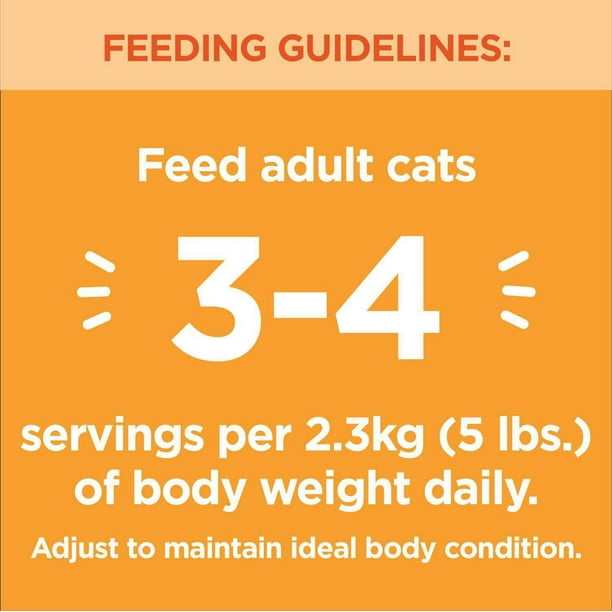
Adult cats typically need 20 to 30 calories per pound daily. This equals about 1/3 to 1/2 cup of dry food or 3 to 6 ounces of wet food, depending on activity and metabolism. Adjust based on your cat’s weight and health.
Does Cat Weight Affect Daily Food Amount?
Yes, a cat’s weight directly influences its food needs. Overweight cats require fewer calories, while underweight cats need more. Regularly monitor your cat’s weight and consult a vet to adjust portions accordingly for optimal health.
How Often Should I Feed My Adult Cat?
Most adult cats do well with two meals per day. Feeding twice daily helps maintain stable energy and weight. Avoid free-feeding to prevent overeating and obesity.
Can I Feed An Adult Cat Only Dry Food?
Dry food can meet nutritional needs if it is high-quality and balanced. However, adding wet food improves hydration and variety. Consult your vet to ensure your cat’s diet is complete and healthy.
Conclusion
Feeding your adult cat the right amount keeps them healthy and happy. Watch their weight and energy to adjust food portions. Quality food and fresh water matter a lot. Avoid overfeeding to prevent health problems. Every cat is different; find what works best.
Regular vet visits help guide proper feeding. Enjoy the time with your furry friend. Small changes make a big difference in their life. Keep meals consistent and balanced for best results. Your cat will thank you with love and purrs.



Leave a Reply