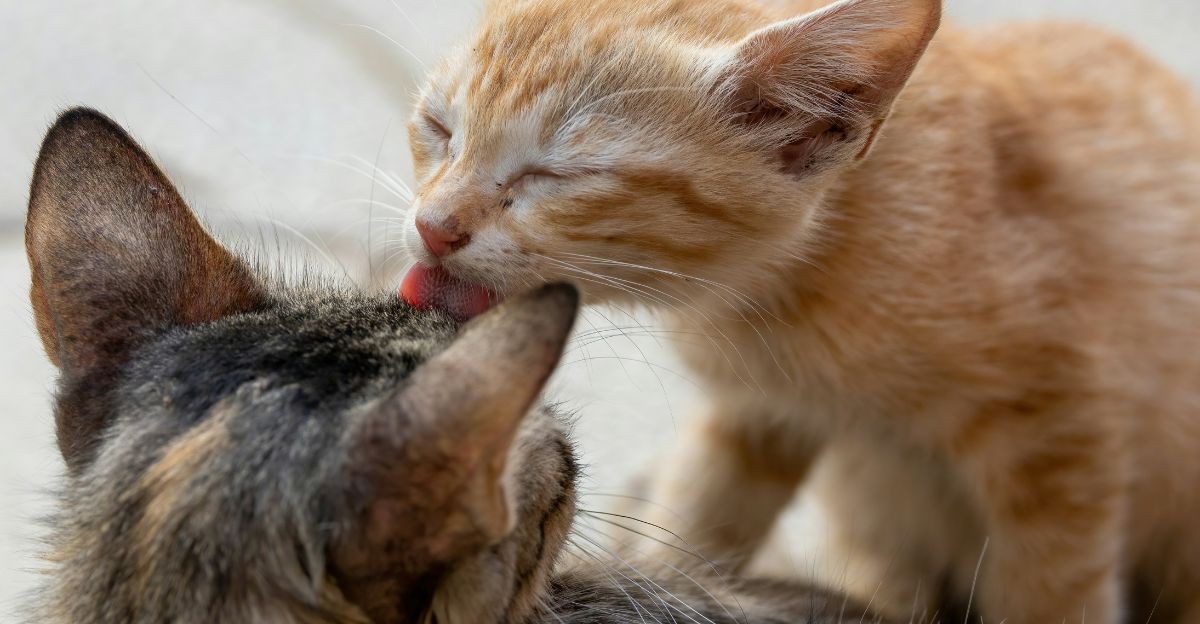
Have you ever watched cats carefully licking each other and wondered if there’s more to it than just staying clean? When cats groom each other, it’s not just about hygiene—it’s a powerful way they show love and build trust.
If you want to understand what this behavior really means and how it strengthens their bond, keep reading. You’ll discover surprising facts that will change the way you see your furry friends and deepen your connection with them.

Credit: catgroomerla.com
Cat Grooming Behavior
Cats are known for their fastidious grooming habits. Grooming is not just about cleanliness for cats. It also plays a key role in their social life. Understanding cat grooming behavior helps us see how cats bond and communicate.
What Is Allogrooming
Allogrooming means one cat grooming another. It is a social activity. Cats lick and nibble each other’s fur to clean hard-to-reach spots. This behavior builds trust and friendship between cats. It reduces stress and strengthens their bond. Allogrooming is common among cats that live together.
Common Grooming Patterns
Cats often groom each other in specific ways:
- Licking around the head and neck, areas cats cannot easily reach themselves.
- Nibbling gently on the ears or chin to remove dirt or loose fur.
- Using their tongue to smooth out fur and remove debris.
- Taking turns grooming to show mutual care and respect.
These patterns show affection and social connection. Cats who groom each other tend to have stronger relationships.
Grooming And Affection
Grooming is more than just a cleaning routine for cats; it’s a powerful way they show affection. When cats groom each other, it signals trust and comfort. This behavior helps build and maintain strong social bonds in their group.
Bond Strengthening Role
Mutual grooming, or allogrooming, creates a physical connection that deepens relationships. Cats often focus on hard-to-reach spots like the head and neck, showing they care for each other’s well-being. You might notice your cats grooming each other after playtime or during calm moments, which helps reduce stress and strengthens their friendship.
Have you ever seen your cats pause their activities to clean one another? This simple act can prevent conflicts and promote harmony in a multi-cat household. It’s a natural way for them to say, “I trust you.”
Social Hierarchy Influence
Grooming also reflects the social order among cats. Dominant cats often groom those lower in the hierarchy, which can be a gentle reminder of their status. However, it’s not just about power; even lower-ranking cats may groom dominant ones to show respect and maintain peace.
Observing which cat initiates grooming can give you clues about their social dynamics. Do you see one cat frequently grooming another, or is the behavior mutual? Understanding this helps you support a balanced and stress-free environment for your cats.
Other Reasons For Grooming
Cats grooming each other goes beyond affection. It serves practical purposes, enhancing their well-being. Grooming strengthens social bonds. It also has several other benefits, essential for a cat’s overall health.
Health And Hygiene Benefits
Grooming helps maintain their fur’s cleanliness. It removes dirt and debris. This process reduces the risk of skin infections. Cats also distribute natural oils across their fur. This keeps their coat shiny and healthy. Grooming each other helps reach areas they can’t clean alone. This ensures they stay clean and free from parasites.
Stress Reduction Effects
Grooming offers stress relief for cats. It is a soothing activity. When cats groom each other, it creates a calming effect. It lowers anxiety and helps them relax. This mutual grooming can strengthen their bond. Cats feel more secure and comfortable. This reduces stress in their environment.

Credit: basepaws.com
When Grooming Signals Conflict
Grooming among cats often looks like a gentle act of friendship, but it can sometimes carry a different message. When grooming signals conflict, the interaction may reveal power struggles or discomfort rather than affection. Understanding these signs can help you better interpret your cats’ behavior and maintain harmony in your home.
Dominance Displays
Not all grooming is about kindness. Sometimes, a dominant cat will groom a less dominant one to assert control. This can look like intense licking or biting in sensitive areas, making the other cat uncomfortable.
You might notice a cat repeatedly grooming another but not allowing the favor to be returned. This one-sided grooming often signals dominance rather than mutual care. If you’ve seen your cats freeze or try to escape during grooming, it’s a sign that the dominant cat is pushing boundaries.
Avoiding Grooming Aggression
Preventing grooming from turning into conflict starts with knowing your cats’ limits. Watch for signs like tail twitching, ears flattening, or sudden jerks away during grooming sessions. These are warnings that a cat feels threatened or annoyed.
To help your cats avoid grooming aggression, give them plenty of space and separate their interactions if needed. You can gently distract them with toys or treats before tension builds up. Have you tried observing your cats’ body language closely during grooming? It can give you clues on when to step in and help calm the situation.
Encouraging Positive Grooming
Encouraging positive grooming between cats strengthens their bond and reduces stress. Grooming is more than cleanliness—it’s a social activity that helps cats feel safe and connected. You can support this behavior by creating the right atmosphere and carefully managing introductions.
Creating A Comfortable Environment
Start by making your home inviting and calm for your cats. Provide plenty of cozy spots and hiding places where they can retreat if they feel overwhelmed. A relaxed cat is more likely to approach and groom a companion.
Keep feeding areas, litter boxes, and resting places separate to avoid competition. Cats are territorial, so having their own space reduces tension. Have you noticed how your cats act differently in shared versus personal zones?
Use soothing scents and soft lighting to set a peaceful mood. Familiar smells help cats feel secure and encourage friendly interactions. Small changes in the environment can lead to big improvements in grooming behavior.
Introducing Cats To Each Other
Introducing cats slowly is key to encouraging grooming. Let them sniff each other’s scent by swapping bedding before they meet face to face. This builds curiosity without pressure.
When they meet, keep sessions short and positive. Use treats and gentle praise to reward calm behavior. If you see signs of stress, separate them and try again later.
Observe their body language closely. Look for relaxed postures and mutual sniffing as good signs. Asking yourself how your cats communicate can help you guide their relationship toward grooming and friendship.

Credit: basepaws.com
Observing Grooming In Different Cat Groups
Watching cats groom each other reveals much about their relationships and social bonds. Different cat groups display unique grooming behaviors that reflect their environment and social structure. Understanding these patterns can help you better read your cats’ interactions and strengthen your bond with them.
Multi-cat Households
In homes with several cats, grooming often serves as a peacekeeping tool. Cats that groom each other usually share a strong bond and trust. You might notice your cats taking turns licking each other’s heads, ears, or necks, areas they can’t easily reach themselves.
Sometimes, one cat may initiate grooming to calm tensions or invite play. If you see this, it’s a good sign they feel comfortable and connected. Pay attention to who grooms whom; dominant cats often receive more grooming, while submissive cats tend to groom more.
Stray And Feral Cat Colonies
In feral cat groups, grooming plays a vital role in survival and community building. Stray cats that form colonies rely on grooming to reinforce social ties and reduce stress. Grooming here is less frequent but highly significant for maintaining group harmony.
Observing a feral colony, you might see grooming between mother cats and their kittens or among adults that share close bonds. This behavior helps keep the group united, which is crucial in a challenging outdoor environment. Have you noticed how grooming can change when cats face new threats or challenges?
Frequently Asked Questions
Why Do Cats Groom Each Other Frequently?
Cats groom each other to strengthen social bonds and show affection. This behavior, called allogrooming, helps build trust and reduce stress among cats in the same group or family.
Is Mutual Grooming A Sign Of Cat Friendship?
Yes, mutual grooming is a clear sign of friendship and trust between cats. It helps maintain social harmony and reinforces their emotional connection within the group.
Can Grooming Reduce Cat Stress And Anxiety?
Absolutely. Grooming releases endorphins, which calm cats and lower stress. When cats groom each other, it creates a peaceful environment and fosters relaxation.
Do Cats Groom Each Other To Stay Clean?
Yes, grooming helps cats remove dirt and loose fur from hard-to-reach areas. It also supports healthy skin and fur, promoting overall hygiene and well-being.
Conclusion
Cats grooming each other shows trust and friendship. It helps them feel close and safe. This behavior also keeps their fur clean and healthy. You can see cats gently licking and nibbling each other. It’s their way of saying, “I care about you.
” Watching this can help you understand your cats better. Remember, grooming is a natural sign of love in the cat world. It’s one of the many ways cats connect with each other every day.



Leave a Reply