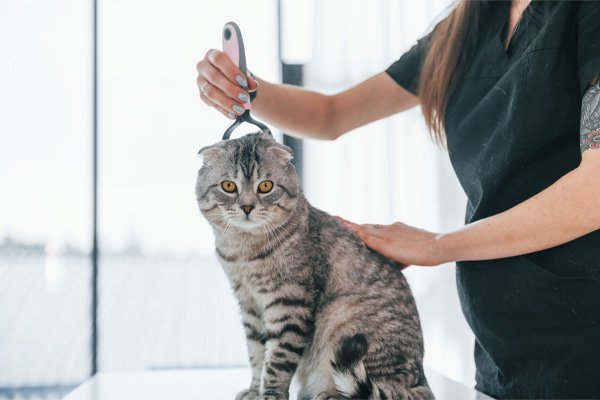
Have you ever noticed your cat spending a lot of time grooming itself? It might seem like just a simple habit, but there’s more to it than meets the eye.
You might wonder, do cats only groom when they feel safe? Understanding this can help you connect better with your furry friend and create a home where they truly feel comfortable. Keep reading, and you’ll discover surprising reasons behind your cat’s grooming behavior—and how it reflects their sense of security around you.

Credit: icatcare.org
Cat Grooming Basics
Understanding the basics of cat grooming helps you see more clearly why your feline friend spends so much time licking and cleaning themselves. Grooming is not just about keeping clean—it’s a window into your cat’s health and comfort. Recognizing the reasons behind their grooming habits can help you know when your cat feels secure and when something might be off.
Why Cats Groom Themselves
Cats groom themselves primarily to stay clean. Their tongues act like tiny brushes, removing dirt and loose fur. But grooming also cools them down and helps spread natural oils for a shiny coat.
Another key reason is stress relief. If you’ve ever seen your cat lick itself after a loud noise or a visit to the vet, that’s their way of calming down. Grooming signals that your cat feels safe enough to relax.
Different Grooming Behaviors
Not all grooming looks the same. Some cats focus on their faces and paws, while others lick their entire body. You might notice your cat nibbling at a spot—this can mean an itch or irritation.
- Excessive grooming could indicate anxiety or skin problems.
- Less grooming than usual might suggest illness or pain.
- Cats sometimes groom each other, called allogrooming, to strengthen social bonds.
Have you noticed your cat stopping mid-groom to look around? That’s a sign they’re alert and still assessing their environment. Paying attention to these subtle differences gives you clues about how your cat feels.

Credit: www.youtube.com
Grooming And Safety Connection
Grooming is more than just a cleaning habit for cats. It reflects their feelings about safety and comfort. When cats groom themselves, they show they feel secure in their surroundings. This connection between grooming and safety helps us understand cat behavior better. Observing grooming patterns can reveal a cat’s emotional state.
Signs Of Comfort During Grooming
Cats show comfort through relaxed body language while grooming. Their eyes may be half-closed or gently blinking. The tail is calm, not twitching or puffed up. They groom slowly and thoroughly, focusing on hard-to-reach spots. Sometimes, cats purr softly while grooming. This shows they feel safe and content.
How Stress Affects Grooming Habits
Stress causes changes in a cat’s grooming habits. Some cats stop grooming and look messy. Others groom too much, causing hair loss or skin problems. Stress can make cats lick certain areas repeatedly. This behavior shows anxiety or discomfort. Understanding these signs helps pet owners provide a calm environment for their cats.
Other Reasons Cats Groom
Cats grooming themselves is often seen as a sign they feel safe and relaxed. But there’s more to this behavior than just comfort. Grooming serves several important roles in a cat’s daily life, helping them stay healthy and connected.
Temperature Regulation
Grooming helps cats cool down or warm up by controlling their fur’s condition. When a cat licks its coat, it spreads saliva that evaporates and cools the skin, much like sweat on humans. Have you noticed your cat grooming more on hot days? This behavior helps them manage their body temperature naturally.
Social Bonding Through Grooming
Cats don’t just groom themselves; they groom each other to build trust and strengthen social bonds. If you’ve seen cats gently licking each other, it’s their way of saying, “You’re part of my group.” You can encourage your cat’s social behavior by observing and respecting their grooming rituals with other pets or even with you.
Health Maintenance
Grooming keeps a cat’s fur clean and free of dirt, parasites, and loose hair. It also stimulates blood flow and helps detect injuries early. Next time you see your cat grooming, think of it as a natural health check-up that keeps them feeling their best every day.
Credit: www.kitty-safe.com.au
When Grooming Indicates Stress
Cats often groom to feel calm and safe. Grooming is a sign of comfort. But sometimes, grooming shows stress instead of peace. Stress can change how and how much a cat grooms. Watching your cat’s grooming habits can help spot stress early.
Excessive Grooming Signs
Too much grooming may mean anxiety or discomfort. Cats might lick one spot too much. This can cause hair loss or skin sores. Pacing or hiding can happen with over-grooming. Cats may focus on wounds or irritations. This behavior often means the cat feels unsafe.
Lack Of Grooming Concerns
When cats stop grooming, it can signal stress too. A messy or oily coat shows neglect. Cats may feel too anxious or sick to groom. Lack of grooming may lead to skin problems. It suggests the cat is not feeling secure. Poor grooming habits need attention from owners or vets.
Creating A Safe Environment
Cats often groom themselves when they feel calm and safe in their surroundings. Grooming helps them relax and shows they trust their environment. A quiet, cozy space encourages this natural behavior.
Creating a safe environment for your cat is crucial. It helps them feel secure and promotes healthy grooming habits. Cats often groom when they feel relaxed and safe. A stress-free environment can enhance their overall well-being.Reducing Stress Triggers
Stress can affect your cat’s grooming habits. Identify and reduce stress triggers in your home. Loud noises and sudden changes can unsettle them. Create a calm and quiet space for your cat. Ensure they have a cozy bed and safe hiding spots. Consistent routines can also help reduce stress. Feed them at regular times and maintain a familiar daily schedule.Encouraging Healthy Grooming
Support your cat’s grooming habits with a healthy environment. Provide clean and accessible litter boxes. Ensure fresh water and nutritious food are always available. Regularly brush your cat to reduce shedding. It helps prevent hairballs and keeps their coat healthy. Offer toys and activities to engage their natural instincts. This keeps them active and reduces stress.Observing Your Cat’s Grooming Patterns
Observing your cat’s grooming habits can reveal a lot about their emotional state and well-being. Cats usually groom themselves when they feel comfortable and safe in their environment. Paying close attention to these patterns helps you understand your cat better and notice any changes that might indicate stress or health issues.
What Changes May Mean
If you notice your cat grooming more than usual, it might be a sign of anxiety or discomfort. Excessive licking can lead to bald patches or skin irritation, which suggests your cat is trying to soothe itself. On the other hand, a sudden drop in grooming could mean your cat feels unsafe, stressed, or is experiencing pain.
Think about moments when your cat stops grooming during a loud thunderstorm or after meeting a new pet. These changes in behavior can tell you when your cat is feeling uneasy. Are there other signs like hiding, loss of appetite, or aggression accompanying the shift in grooming? These clues help you assess their emotional and physical health.
When To Consult A Vet
Not all grooming changes require a vet visit, but some definitely do. If your cat’s grooming habits change drastically and persist for several days, or if you see wounds, redness, or hair loss, it’s time to seek professional advice. A vet can check for underlying issues like skin infections, allergies, or pain that your cat can’t express.
Also, if your cat stops grooming entirely and appears lethargic or withdrawn, don’t wait. These signs could point to serious health problems. Catching these early can make a big difference in your cat’s recovery and comfort.
Frequently Asked Questions
Do Cats Groom Only When They Feel Safe?
Cats primarily groom when they feel secure. Grooming is a sign of comfort and relaxation. If a cat feels threatened, it may delay grooming to stay alert. Safe environments encourage regular grooming habits, showing trust and contentment.
How Does Grooming Indicate A Cat’s Emotional State?
Grooming reflects a cat’s mood and stress level. Frequent grooming suggests calmness, while excessive grooming may signal anxiety. Lack of grooming can indicate illness or discomfort. Observing grooming patterns helps understand a cat’s emotional well-being.
Can Stress Affect A Cat’s Grooming Behavior?
Yes, stress can reduce or increase grooming. Some cats groom less when stressed, neglecting their hygiene. Others may groom excessively as a coping mechanism. Identifying stress triggers is important to maintain healthy grooming habits.
Is Grooming A Social Behavior In Cats?
Grooming is both self-care and social interaction for cats. Cats often groom each other to bond and show affection. Social grooming strengthens relationships and builds trust within cat groups or with humans.
Conclusion
Cats groom to stay clean and calm. They often groom more when they feel safe around people or other pets. Grooming also helps them relax and show comfort. If a cat stops grooming, it might feel stressed or unwell. Watching your cat’s grooming habits can tell you a lot about its mood.
Trust and safety play a big role in this behavior. Taking time to build trust helps your cat feel secure and happy. Simple moments of calm can make a big difference for your cat’s well-being.



Leave a Reply