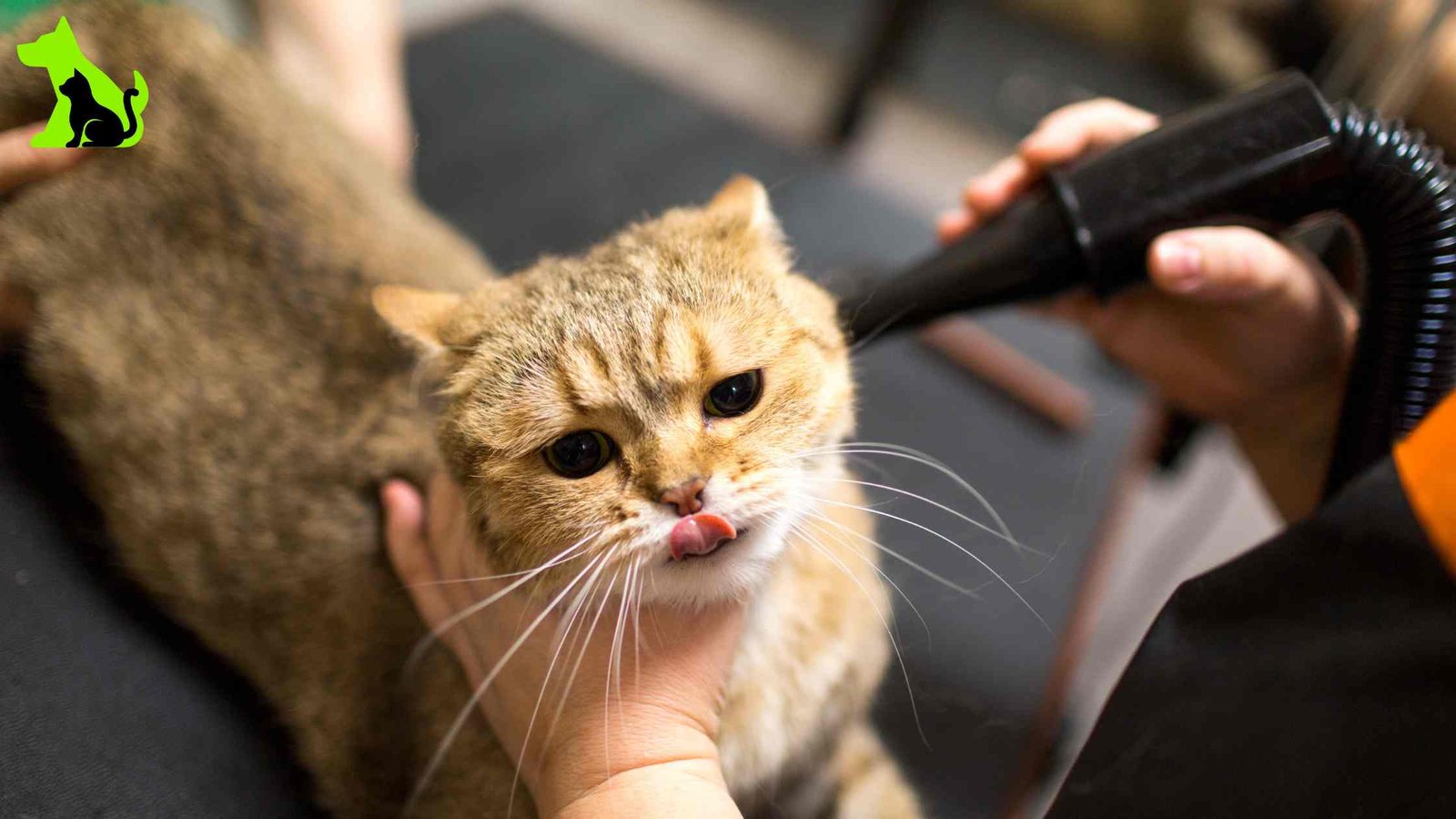
Are you wondering if your cat really needs a professional grooming session? You might think that cats can take care of themselves, but there’s more to grooming than just a quick lick.
Taking your cat to the groomer can help keep them healthy, comfortable, and looking their best. You’ll discover why grooming matters, when it’s necessary, and how it can make a big difference in your cat’s life. Keep reading to find out if a trip to the groomer is right for your furry friend.
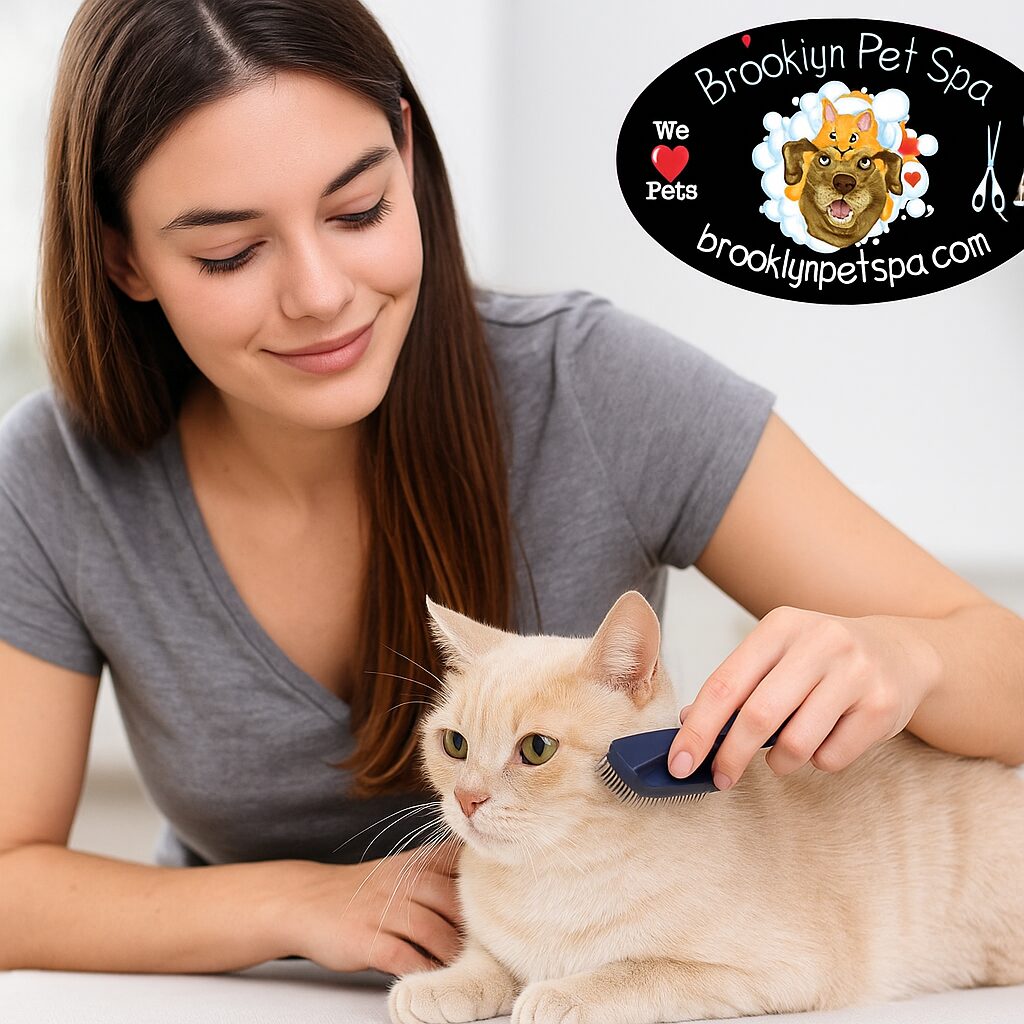
Credit: brooklynpetspa.com
When To Visit A Groomer
Knowing when to visit a groomer helps keep your cat healthy and happy. Grooming is more than just a beauty routine. It prevents mats, reduces shedding, and checks for skin problems. Some cats need professional care more often than others.
Signs Your Cat Needs Professional Grooming
- Coat looks matted or tangled
- Excessive shedding around the house
- Foul odor coming from fur or skin
- Difficulty cleaning itself due to age or illness
- Visible dirt or debris stuck in fur
- Long nails that cause discomfort
- Persistent scratching or signs of skin irritation
Frequency Of Grooming Appointments
Short-haired cats usually need grooming every 6 to 8 weeks. Long-haired cats require appointments every 4 to 6 weeks. Older or less active cats might need more frequent visits. Cats with health issues may need special care schedules. Regular grooming helps catch problems early.
Grooming For Different Cat Breeds
| Breed | Grooming Needs | Recommended Frequency |
|---|---|---|
| Sphynx | Skin cleaning, nail trimming | Every 3-4 weeks |
| Persian | Daily brushing, mat removal | Every 3-4 weeks |
| Maine Coon | Brushing, nail care | Every 6-8 weeks |
| Domestic Short Hair | Basic brushing | Every 8-12 weeks |

Credit: www.latimes.com
Basic Grooming At Home
Taking care of your cat’s grooming needs at home can save time and build a stronger bond between you and your furry friend. Basic grooming tasks like brushing, bathing, and nail trimming help keep your cat healthy and comfortable. These simple routines also alert you to any skin issues or abnormalities early on.
Brushing Techniques For Cats
Brushing your cat regularly removes loose fur and reduces hairballs. Use a brush suited to your cat’s coat type—slicker brushes for long hair, and rubber brushes for short hair work well.
Start brushing gently from the head down, moving in the direction of hair growth. Pay close attention to areas where mats can form, such as behind the ears and under the legs. If your cat shows signs of discomfort, try shorter sessions and offer treats to create a positive experience.
Bathing Your Cat Safely
Bathing isn’t always necessary unless your cat gets into something messy or has a skin condition. When you do bathe your cat, use a mild, cat-specific shampoo to avoid irritation.
Prepare everything beforehand—towels, shampoo, and a cup for rinsing. Keep water lukewarm and avoid getting water in your cat’s ears and eyes. Talk softly and move slowly to keep your cat calm during the bath.
Trimming Nails And Cleaning Ears
Regular nail trims prevent your cat from scratching furniture or you. Use a proper cat nail clipper and trim only the sharp tips, avoiding the pink quick inside the nail.
Ear cleaning is often overlooked but important. Use a damp cotton ball with a vet-recommended ear cleaner to gently wipe away dirt. Never insert anything deep into the ear canal.
How do you feel about adding these grooming habits to your routine? They might seem small, but they make a big difference in your cat’s well-being and your peace of mind.
Benefits Of Professional Grooming
Professional grooming offers many advantages for your feline friend. It goes beyond just making your cat look good. Regular grooming sessions help maintain your cat’s overall health and happiness. Let’s explore some specific benefits.
Dealing With Matted Fur
Matted fur can be uncomfortable for cats. It can pull on their skin and cause pain. Professional groomers know how to handle matted fur gently. They have the right tools and techniques. This prevents injury to your cat. Regular visits reduce the risk of mats forming.
Health Checks During Grooming
Groomers often notice health issues that owners might miss. They check for lumps, bumps, or skin problems. Early detection of these issues can lead to timely treatment. This keeps your cat healthier and happier. Groomers can also spot signs of fleas or ticks.
Stress Reduction For Cats
Some cats find grooming stressful. Professional groomers know how to calm nervous cats. They create a soothing environment. This helps reduce stress during grooming sessions. Cats become more comfortable over time with regular visits. A stress-free cat is a happy cat.

Credit: www.latimes.com
Choosing The Right Groomer
Finding the right groomer for your cat is more important than you might think. A skilled groomer can make the experience safe, comfortable, and even enjoyable for your furry friend. Choosing carefully helps prevent stress and ensures your cat’s coat and skin stay healthy.
What To Look For In A Grooming Service
Start by checking if the groomer specializes in cats rather than just dogs. Cats need gentle handling and a different grooming approach. Look for a clean, calm environment where cats don’t seem anxious or crowded.
Experience matters. Ask how long they have been grooming cats and if they have any certifications. Friendly staff who communicate well with you and your cat make a big difference in comfort.
Questions To Ask Before Booking
- Do you have experience with my cat’s breed or coat type?
- What specific services do you offer (nail trimming, ear cleaning, haircuts)?
- How do you handle a cat that is nervous or resistant?
- Are there extra fees for difficult cats or special requests?
- Can you provide references or reviews from other cat owners?
These questions help you understand how prepared the groomer is to meet your cat’s needs and reduce surprises on grooming day.
Preparing Your Cat For The Groomer
Before the appointment, get your cat used to being touched on paws, ears, and under the chin. This lowers anxiety during grooming. Practice gentle brushing at home to mimic the groomer’s work.
Bring along your cat’s favorite blanket or toy to provide comfort. Feeding your cat before the visit can also calm nerves. You might even visit the groomer’s place beforehand to help your cat get familiar with the new surroundings.
Diy Grooming Tools And Products
Taking care of your cat’s coat at home can save money and build trust. Using the right tools and products makes grooming safe and effective. Knowing what to use and what to avoid helps keep your cat happy and healthy. Here are some tips for DIY grooming tools and products.
Essential Tools For Cat Grooming
- Soft-bristle brush: Removes loose hair gently.
- Fine-toothed comb: Helps detangle mats and knots.
- Nail clippers: Keeps claws trimmed and prevents scratches.
- Grooming gloves: Makes brushing easier and soothes cats.
- Styptic powder: Stops bleeding from small nail cuts.
Safe Grooming Products To Use
- Cat-specific shampoo: Avoids skin irritation and dryness.
- Waterless shampoo: Cleans without full baths, good for shy cats.
- Detangling spray: Softens fur for easier combing.
- Ear cleaner: Keeps ears free from wax and dirt.
- Flea comb: Removes fleas without harsh chemicals.
Avoiding Common Grooming Mistakes
- Don’t use human products on cats; they cause harm.
- Avoid pulling mats; cut them carefully instead.
- Never rush; a calm pace reduces stress.
- Don’t trim claws too short; avoid pain and bleeding.
- Never force grooming; stop if your cat resists strongly.
Frequently Asked Questions
How Often Should I Take My Cat To The Groomer?
Most cats benefit from grooming every 4 to 8 weeks. Regular visits help maintain coat health, reduce shedding, and prevent mats. Frequency depends on your cat’s breed, coat length, and lifestyle. Consult your vet or groomer for personalized advice.
What Services Do Cat Groomers Typically Offer?
Cat groomers provide brushing, bathing, nail trimming, ear cleaning, and haircuts. They also check for skin issues and parasites. These services keep your cat clean, healthy, and comfortable. Specialized grooming suits long-haired or older cats needing extra care.
Can Grooming Reduce My Cat’s Shedding And Hairballs?
Yes, professional grooming removes loose fur and undercoat, which decreases shedding. It also lowers hairball formation by reducing the amount of fur your cat ingests. Regular brushing at home complements grooming sessions for the best results.
Is Professional Grooming Safe For All Cats?
Professional groomers are trained to handle cats safely and gently. However, shy or elderly cats might need extra care or sedation. Always inform the groomer about your cat’s health and temperament for a stress-free experience.
Conclusion
Taking your cat to the groomer can help keep them clean and healthy. Some cats need grooming more often than others. Regular grooming stops mats and reduces shedding. It also helps spot health problems early. You know your cat best.
Think about their coat type and behavior. Grooming can be a good choice for busy pet owners. It saves time and stress. Keep your cat comfortable and happy with proper care. Trust your instincts and choose what works for you both.



Leave a Reply