Are you wondering if switching your cat to adult food will help them lose weight? You’re not alone.
Many cat owners struggle with keeping their pets at a healthy weight and hope that changing their diet is the answer. But will simply changing their food make a real difference? Understanding how adult cat food affects weight can help you make the best choice for your furry friend’s health.
Keep reading to find out what really happens when your cat switches to adult food—and how you can support their weight loss journey effectively.
Credit: companion-vets.com
Cat Food And Weight Connection
Switching a cat to adult food can impact its weight. Cat food and weight have a close relationship. The type of food affects how much energy the cat gets and uses. Understanding this link helps manage your cat’s health better. Let’s explore how adult cat food differs and why portion control matters.
Nutritional Differences In Adult Food
Adult cat food has balanced nutrients for grown cats. It contains less fat than kitten food. Protein levels remain high to support muscles. Vitamins and minerals match the needs of adult cats. This helps maintain a healthy weight and body condition.
Kitten food has extra calories for growth. Adult food reduces those calories to avoid weight gain. The fiber content may increase to aid digestion. This can make your cat feel full without overeating. Switching to adult food adjusts nutrition to your cat’s life stage.
Calorie Content And Portion Control
Calories in adult food are lower than in kitten food. Feeding the right amount keeps your cat fit. Overfeeding leads to extra weight and health problems. Use feeding guidelines on the package to measure portions. Monitor your cat’s weight regularly to adjust food amounts.
Smaller, frequent meals can prevent overeating. Free feeding may cause your cat to eat too much. Portion control helps balance calorie intake and energy use. This balance is key to weight management in adult cats.
Factors Affecting Cat Weight
Understanding the factors that affect your cat’s weight is crucial before switching their diet to adult food. Weight changes depend on more than just food type. Various elements like age, metabolism, and lifestyle play a key role in how your cat’s body responds to new nutrition.
Age And Metabolism Changes
As cats grow older, their metabolism naturally slows down. This means they burn fewer calories even if their eating habits remain the same. A five-year-old cat will process food differently than a kitten.
Older cats often need fewer calories to maintain a healthy weight. If you switch to adult food without adjusting portions, you might see unexpected weight gain or loss. Have you noticed your cat becoming less energetic as they age? This could be a sign their metabolism is changing.
Activity Levels And Lifestyle
Your cat’s daily activity significantly affects their weight. Indoor cats tend to be less active than outdoor cats, which impacts calorie needs. A playful kitten burns more energy than a lazy adult cat.
Think about your cat’s routine—do they have access to toys or climbing spaces? Adding even small bursts of playtime can help balance calorie intake and prevent weight issues. Could increasing your cat’s activity be the key to managing their weight alongside adult food?
Expert Opinions On Weight Loss
Switching cats to adult food can help manage their weight by providing balanced nutrients. Experts say portion control and regular exercise are also important for weight loss. Cats may lose weight gradually with a proper diet and healthy lifestyle.
Switching your feline friend to adult cat food often raises questions about their weight management. As your kitten matures, their dietary needs evolve, which can impact their weight. Many pet owners wonder if this transition will lead to weight loss or gain. To offer clarity, let’s explore insights from experts in the field.Veterinarians’ Perspectives
Veterinarians often highlight that adult cats have different calorie needs compared to kittens. Adult cat food is formulated to meet the nutritional requirements of a mature cat, which might naturally reduce calorie intake, aiding weight maintenance or loss. If your cat was on kitten food for too long, they might have consumed more calories than needed. This shift to adult food can help regulate their weight. However, vets emphasize the importance of monitoring your cat’s weight regularly and adjusting portions as needed.Animal Nutritionists’ Advice
Animal nutritionists suggest that the quality of the ingredients in adult cat food plays a crucial role in weight management. Opting for a high-protein, low-carb diet can promote lean muscle mass and reduce fat accumulation. Nutritionists also advise paying attention to portion sizes. Overfeeding, even with adult food, can lead to weight gain. They recommend using measuring cups and following package guidelines to ensure your cat receives the right amount of food. Have you noticed your cat’s eating habits change after switching to adult food? Observing their behavior can provide insights into whether they’re satisfied or need dietary adjustments.
Credit: www.tippaws.com
Choosing The Right Adult Food
Choosing the right adult food for your cat is crucial when aiming to manage their weight effectively. Not all adult cat foods are created equal, and selecting the best one can make a big difference in your cat’s health journey. Understanding what to look for and what to avoid helps you make informed decisions that support your cat’s weight goals.
Ingredients To Look For
High-quality protein should be at the top of the ingredient list. Cats are obligate carnivores, so meat sources like chicken, turkey, or fish provide essential amino acids that keep muscles strong and metabolism active.
Look for foods with moderate fat content to provide energy without excess calories. Ingredients such as omega-3 and omega-6 fatty acids also promote a healthy coat and skin.
Fiber is another important ingredient. It aids digestion and helps your cat feel full longer, reducing overeating. Ingredients like beet pulp or pumpkin are great sources.
Avoiding Weight Gain Triggers
Steer clear of foods high in fillers like corn, wheat, and soy. These ingredients add calories without much nutritional value and can contribute to weight gain.
Beware of added sugars and artificial preservatives. They not only add empty calories but can also cause health issues over time.
Watch out for excessive carbohydrates. Cats don’t need a high-carb diet, and many adult foods pack in unnecessary grains that turn into fat.
Have you checked your cat’s food label lately to spot these hidden weight gain triggers? Making small changes in your cat’s diet can lead to noticeable improvements in their weight and overall health.
Transition Tips For Switching Food
Switching a cat to adult food requires care and patience. A smooth transition helps avoid stomach upset and encourages acceptance of new food. Understanding simple tips makes the process easier for both you and your cat.
Gradual Change Strategies
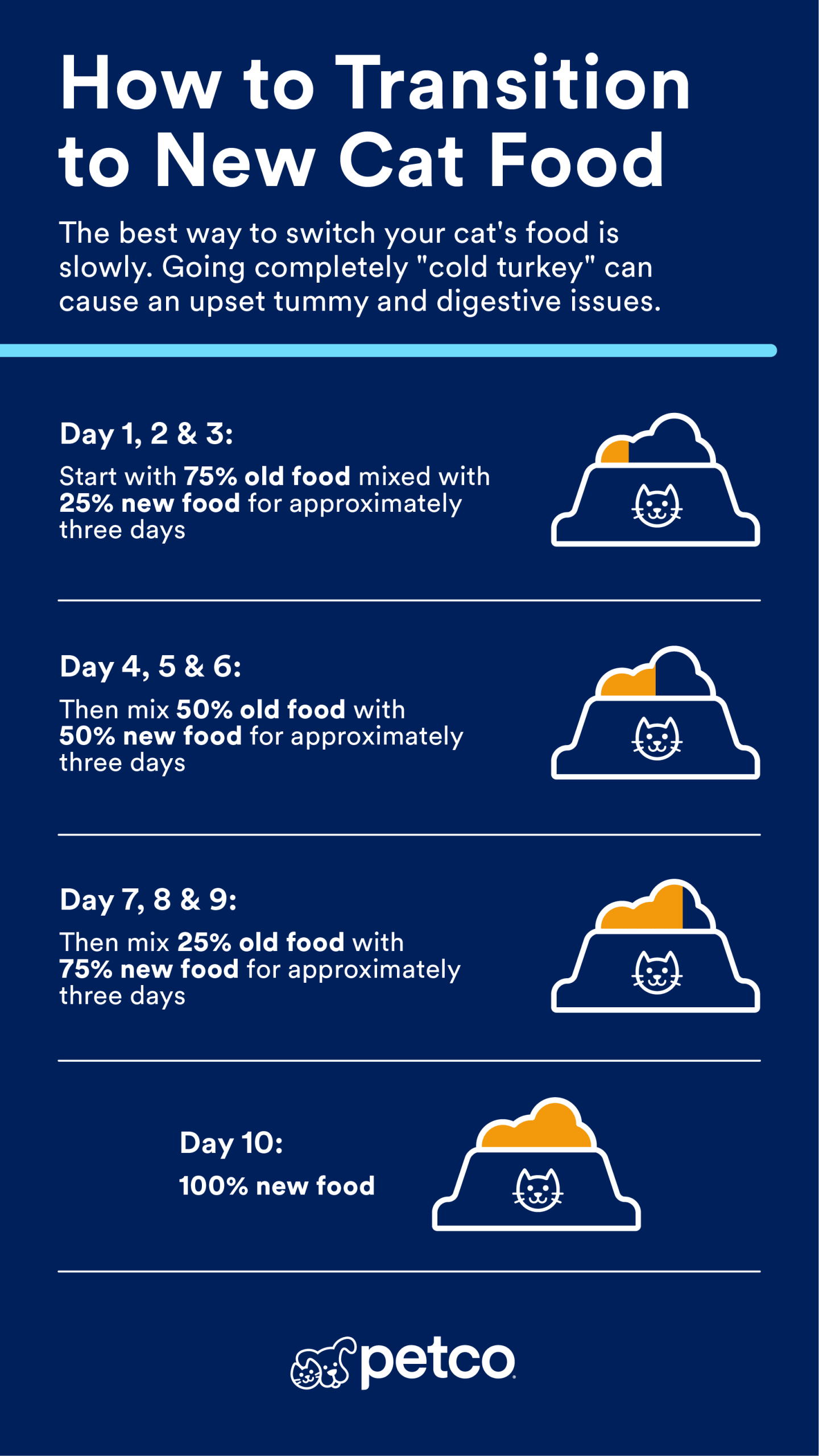
Start by mixing a small amount of adult food with the current diet. Increase the adult food portion slowly over 7 to 10 days. This helps your cat adjust to new flavors and textures.
- Day 1-3: 25% adult food, 75% old food
- Day 4-6: 50% adult food, 50% old food
- Day 7-9: 75% adult food, 25% old food
- Day 10: 100% adult food
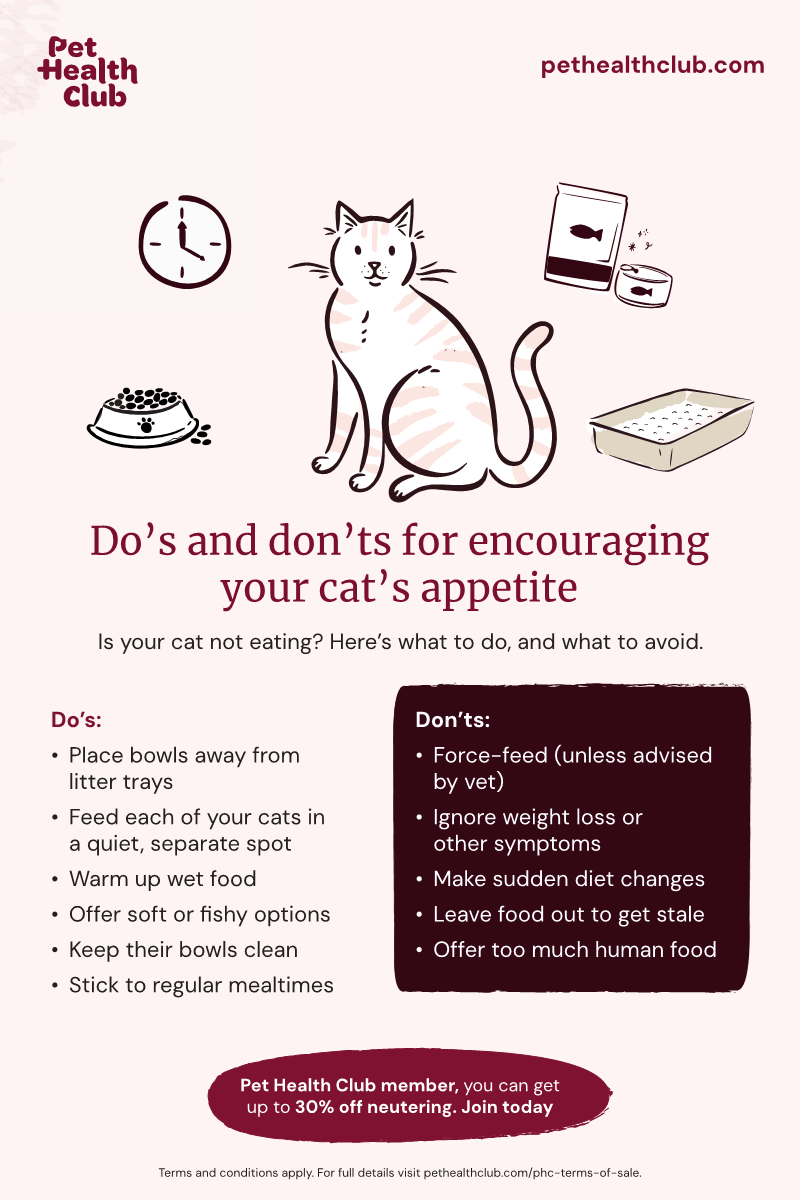
Keep feeding times consistent. Avoid sudden changes in meal schedules during this period.
Monitoring Cat’s Response
Watch for signs of digestive upset like vomiting or diarrhea. Check your cat’s energy levels and appetite daily. Healthy cats usually adapt well within two weeks.
Note any changes in weight or behavior. A sudden drop in appetite or lethargy needs a vet’s attention. Keep a simple log to track progress and food intake.
Credit: www.pethealthclub.com
Other Weight Management Methods
Switching a cat to adult food can help manage weight, but it is not the only way. Other methods support healthy weight and overall well-being. These methods work best when combined with proper diet. They help cats stay active and prevent obesity-related problems.
Exercise And Playtime
Exercise is vital for cats to burn calories. Playtime keeps cats active and happy. Simple toys like balls, feathers, or laser pointers encourage movement. Schedule short play sessions daily to boost activity. Regular exercise strengthens muscles and improves metabolism. It also reduces boredom, which can cause overeating. Active cats are less likely to gain excess weight.
Regular Health Checkups
Regular vet visits are important for weight management. Vets check for health issues that affect weight. Conditions like thyroid problems can cause weight gain or loss. A vet can recommend diet changes and exercise plans. They monitor progress and adjust care as needed. Early detection of problems helps cats stay healthy. Consistent checkups support long-term weight control.
Frequently Asked Questions
Will Switching To Adult Cat Food Help Cats Lose Weight?
Switching to adult cat food can aid weight loss if the formula is lower in calories. It supports healthy metabolism and portion control, but exercise and overall diet also matter for effective weight management.
How Long Does It Take For Cats To Lose Weight?
Cats typically lose weight gradually over several weeks to months. Consistency in diet and exercise is key. Rapid weight loss can harm cats, so a slow, steady approach is safest.
Can Adult Cat Food Prevent Obesity?
Yes, adult cat food designed for weight control can help prevent obesity. These foods often have balanced nutrients and controlled calories to maintain a healthy weight when fed properly.
Should I Consult A Vet Before Changing Cat Food?
Always consult a vet before switching cat food. They can recommend the best diet based on your cat’s health, age, and weight goals. This ensures safe and effective weight management.
Conclusion
Switching to adult cat food can help control your cat’s weight. Adult food has balanced nutrients for grown cats. It often contains fewer calories than kitten food. This helps prevent extra weight gain. Still, watch your cat’s portions and activity level.
Regular check-ups with the vet are important too. Weight loss takes time and patience. A healthy diet combined with exercise works best. Keep your cat happy and fit with the right food. Small changes can make a big difference. Your cat deserves the best care every day.



Leave a Reply