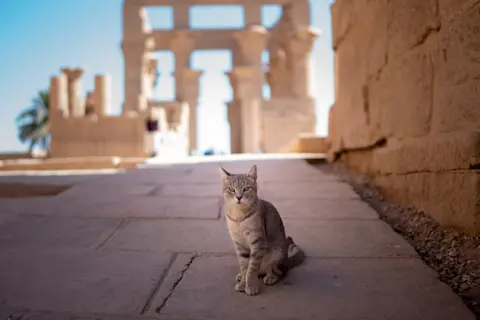
Have you ever wondered how cats became the beloved companions they are today? The story of how cats started breeding is more fascinating than you might think.
It’s a tale that connects your curious kitty to ancient times, wild ancestors, and human history. Understanding this journey will change the way you see your furry friend—and maybe even how you care for them. Keep reading, and you’ll discover secrets about your cat’s past that will surprise and delight you.

Credit: felinefancy.co.uk
Early Domestication
Early domestication marks the beginning of the unique bond between humans and cats. This period reveals how wild cats gradually became companions. It traces the roots of cat breeding and their journey from wild hunters to house pets.
Wild Ancestors
Wild cats lived in diverse environments across Africa and Asia. The African wildcat, Felis silvestris lybica, is the closest ancestor to today’s domestic cats. These cats were solitary hunters, skilled at catching rodents and small animals. Their independence and hunting skills made them valuable in controlling pests near human settlements.
First Human Interactions
Humans first noticed wild cats around their grain stores. Cats hunted the rodents attracted to the food supplies. Humans tolerated and even welcomed these cats for pest control. Over time, cats grew less fearful of people and stayed closer to settlements. This mutual benefit started the gradual process of domestication.
Role In Ancient Societies
The role of cats in ancient societies goes beyond being mere pets. Their presence shaped cultures, beliefs, and even economies. Understanding this role helps you appreciate why cats were valued and how their breeding began as part of human history.
Cats In Egypt
In ancient Egypt, cats were more than animals; they were symbols of protection and fertility. Egyptians believed cats had divine qualities and linked them to gods like Bastet, the goddess of home and family. This reverence led to cats living inside temples and homes, often cared for with great attention.
You might find it interesting that Egyptians actively bred cats to maintain their qualities, such as hunting skills and friendly behavior. This early form of selective breeding shows how people started shaping the traits of cats to fit their needs and beliefs. Cats also helped control pests, making them valuable for protecting food supplies.
Cats In Other Civilizations
Outside Egypt, cats also held important roles but in different ways. In ancient Rome, cats were appreciated for their ability to keep grain stores free from mice. Romans often let cats roam in public spaces, showing a practical approach to their value.
In Japan, cats gained status for bringing luck and good fortune. People started breeding cats with specific features, like the famous Maneki-neko, the beckoning cat figurine. This highlights a cultural shift where cats became symbols beyond their physical presence.
Think about your own experiences with cats. Have you noticed how certain traits, like friendliness or calmness, seem more common in some breeds? This reflects thousands of years of human influence and selective breeding aimed at enhancing qualities that fit societal needs.
Spread Across Continents
Cats began their journey across continents centuries ago. Their spread is a tale of survival and adaptation. As humans moved, cats followed. This companionship led to their spread across various lands. Let’s explore how trade, travel, and adaptation played roles in their journey.
Trade And Travel
Trade routes connected distant lands. Merchants took cats aboard ships to control pests. This practice helped cats reach new regions. As ships docked, cats often stayed behind. They quickly adapted to local environments. This made them popular among traders. Cats became a common sight in bustling port cities. Their presence was both practical and comforting.
Adaptation To New Environments
Cats are masters of adaptation. In new lands, they adjusted to different climates. Whether in deserts or snowy regions, they thrived. Their hunting skills kept them indispensable to humans. Different cultures appreciated their qualities. This led to various breeds suited to diverse environments. Their ability to adapt ensured their survival across continents.
Selective Breeding Origins
Selective breeding in cats marks a fascinating chapter in their history. It reflects how humans influenced the traits and behaviors of these animals over centuries. Understanding these origins helps you appreciate the diverse cat breeds you see today and the reasons behind their unique features.
Natural Vs. Human-led Breeding
Before humans stepped in, cats bred naturally, selecting mates based on survival instincts and environmental factors. This natural process favored traits like hunting skill and adaptability.
Human-led breeding changed the game. People began choosing cats for specific traits such as appearance, temperament, or even coat color. This shift created new breeds with distinct characteristics that wouldn’t have appeared through natural breeding alone.
Have you ever wondered why some cats have such unique patterns or behaviors? It’s often because humans guided their breeding to highlight those traits.
Early Breeding Goals
Early breeders focused on practical traits. For example, cats with strong hunting abilities were prized for controlling pests around farms.
Besides functionality, aesthetics soon became a priority. Breeders started selecting cats with unusual colors or patterns, sparking the creation of breeds like the Siamese and Persian.
These goals show how your favorite cat’s look or personality might be the result of centuries-old decisions. What traits do you value most in your cat? Chances are, those were once goals for early breeders too.
Development Of Cat Breeds
The development of cat breeds is a fascinating journey that reflects both natural evolution and human influence. Over centuries, people have shaped cats’ appearances and personalities to suit their environments and lifestyles. Understanding this history gives you a clearer picture of how your favorite feline traits came to be.
Popular Ancient Breeds
Some of the earliest recognized cat breeds have roots stretching back thousands of years. The Egyptian Mau, known for its spotted coat, was admired in ancient Egypt and often depicted in art. This breed’s natural markings and graceful build show how wild traits were prized.
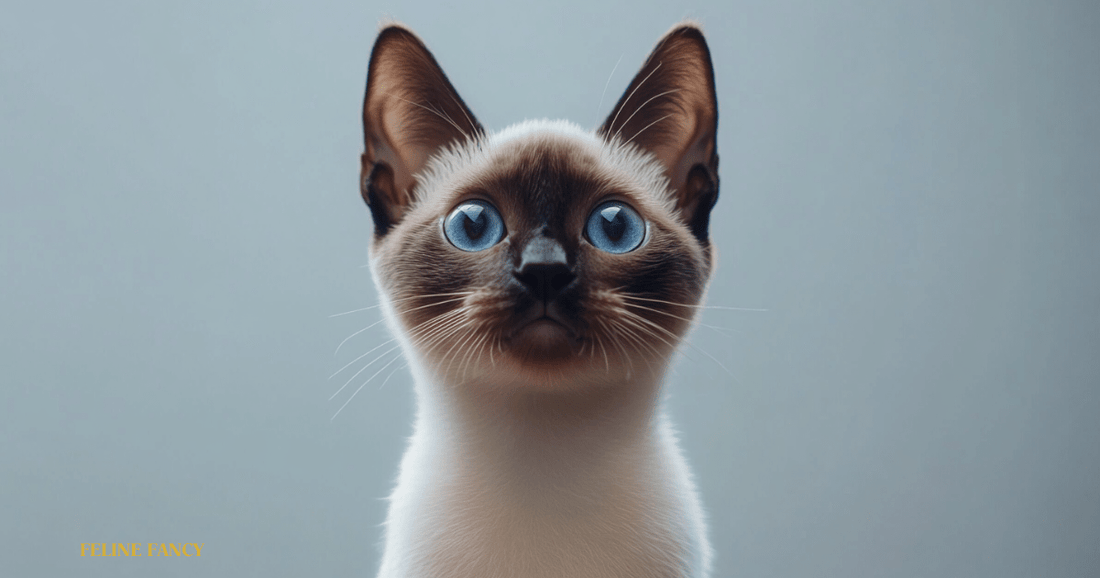
The Siamese cat from Thailand stands out with its striking color points and vocal personality. This breed was cherished in royal households, highlighting how cats became symbols of status and companionship. These ancient breeds were not created by careful breeding but by natural selection and human admiration for unique qualities.
Modern Breed Formation
Today’s cat breeds often result from intentional breeding programs aimed at enhancing specific traits. Breeders select cats for size, coat color, temperament, and even health factors. This selective approach has produced breeds like the Maine Coon, known for its large size and friendly nature, or the Sphynx, famous for its hairless appearance.
Consider how breeders balance maintaining breed standards with keeping cats healthy and happy. You might wonder, how do breeders decide which traits to keep or change? The answer lies in genetics, health screenings, and sometimes, a bit of trial and error.
By learning about these developments, you can better appreciate the diversity you see in cats today. How does knowing your cat’s breed history change the way you care for it? Perhaps you’ll find new ways to celebrate what makes your cat unique.
Cultural Impact On Breeding
The cultural impact on cat breeding reveals how human beliefs and creativity shaped the way certain breeds became popular and valued. Our attitudes toward cats influenced which traits were encouraged and preserved over generations. Understanding this connection helps you see cat breeding not just as a biological process but as a reflection of society’s changing views.
Folklore And Superstitions
Throughout history, cats have been tied to many superstitions that affected how people treated and bred them. In some cultures, black cats were considered bad luck, while in others, they were symbols of good fortune.
This mix of fear and admiration led to selective breeding, often favoring cats with specific colors or temperaments that matched cultural beliefs. Did you know that in ancient Egypt, cats were so revered that harming one was a serious crime? This respect influenced breeding standards to keep cats elegant and graceful.
Think about your own experiences—have you noticed how some cat colors or breeds get more attention or care? These preferences often have deep cultural roots.
Cats In Art And Literature
Art and literature have played a big role in shaping public opinion about cats and their breeding. Famous paintings and stories often highlighted certain breeds, making them desirable to own and breed.
For example, the Siamese cat gained popularity in the West partly because of its frequent appearances in books and movies. These cultural icons made people want to breed cats that looked like those admired figures.
When you see a cat breed featured in a story or artwork, it’s not just about looks—it reflects how society values those cats. Next time you read a story or see a painting of a cat, consider how it might influence your thoughts about that breed.
Genetic Insights
Genetic insights shed light on the origins and development of cat breeds. Scientists use modern tools to explore the DNA of cats worldwide. These studies reveal how cats evolved and spread alongside humans. They also explain the diversity seen in today’s cat breeds. Understanding genetics helps trace the history and breeding patterns of cats.
Dna Studies
DNA studies analyze the genetic makeup of cats from different regions. They identify common ancestors and migration paths. Scientists compare wild and domestic cat DNA to find key differences. These studies show cats were first domesticated about 9,000 years ago. Genetic markers help track how breeds developed over time. They also reveal links between breeds thought to be unrelated.
Breed Diversity
Breed diversity comes from natural selection and human intervention. Different environments and needs led to unique traits in cat populations. Breeders selected cats for specific features like coat color or behavior. This created distinct breeds with special characteristics. Genetic research uncovers how diverse breeds share common genes. It also highlights rare breeds and their origins.
Credit: www.nationalgeographic.com
Contemporary Cat Breeding
Contemporary cat breeding is a blend of tradition and science. It shapes the cats we see today, focusing on health, appearance, and temperament. Breeders use knowledge from genetics and animal care to improve cat breeds. The aim is to maintain breed standards and create healthy, happy cats. Breeding practices have evolved with better understanding and technology.
Breeding Practices Today
Modern breeders follow strict guidelines to ensure cat health. They select cats with strong genes and good behavior. Breeding pairs are chosen to avoid genetic problems. Many breeders use health tests before mating cats. They keep detailed records of lineage and traits.
Breeders often focus on specific traits like coat color or eye shape. Some breeds are developed through careful crossbreeding. This helps maintain diversity and avoid inbreeding issues. Breeding programs also include socializing kittens early. This helps kittens grow into well-adjusted pets.
Ethical Considerations
Ethical breeding respects the welfare of cats above all. Breeders avoid overbreeding or forcing cats to produce many litters. They ensure cats live in clean and safe environments. Health screening is vital to prevent inherited diseases.
Ethical breeders promote adoption and responsible pet ownership. They educate buyers about care and breed needs. Avoiding breeding for extreme physical traits helps cats stay healthy. The goal is to create cats that live long and happy lives.

Credit: seethewild.org
Frequently Asked Questions
How Did Cats First Become Domesticated?
Cats were first domesticated around 9,000 years ago. Early farmers welcomed cats to control rodents near grain stores. This mutual benefit led to a close bond and gradual domestication of wildcats into today’s domestic cats.
What Is The Origin Of Domestic Cats?
Domestic cats originated from the African wildcat, Felis silvestris lybica. Genetic studies show they were first tamed in the Near East. Over time, humans selectively bred cats for companionship and pest control.
When Did Cat Breeding Start Historically?
Cat breeding began thousands of years ago with natural selection. Formal breeding practices emerged in the 19th century. Breeders started creating distinct cat breeds based on traits like coat patterns and temperament.
Why Did Humans Start Breeding Cats Selectively?
Humans bred cats to enhance desirable traits such as appearance and behavior. Selective breeding improved coat colors, patterns, and friendliness. This helped cats become popular pets and companions worldwide.
Conclusion
Cats have a long history of breeding that shaped their unique traits. People started breeding cats to keep them as pets and for practical uses. Over time, different breeds appeared with special looks and skills. Today, cats are loved companions worldwide.
Understanding their past helps us appreciate them more. Breeding practices changed cats in many ways. Each breed tells a story of human care and nature’s touch. Cats continue to charm us with their history and personalities. Their journey from wild to pet shows a deep bond with humans.

Leave a Reply