Are you wondering if it’s okay to feed your adult cat kitten food? You’re not alone.
Many cat owners ask this question because they want the best for their furry friends. The food you give your cat affects their health, energy, and happiness. But is kitten food the right choice for your grown-up cat? Keep reading to discover what you need to know before making this important decision.
Your cat’s well-being depends on it!
Differences Between Kitten And Adult Cat Food
Understanding the differences between kitten and adult cat food is essential before deciding whether to feed your adult cat kitten food. These differences go beyond just size and taste; they affect your cat’s health and well-being. Feeding the wrong type of food can lead to nutritional imbalances or unnecessary weight gain.
Nutritional Content Variations
Kitten food is formulated to support rapid growth and development, so it contains higher levels of certain nutrients compared to adult cat food. This means more protein, fats, and calories are packed into each serving to fuel energy and build strong muscles.
Adult cat food focuses on maintaining health and preventing obesity, with balanced nutrients tailored for slower metabolism. If you feed kitten food to an adult cat regularly, you risk providing excess nutrients that their body doesn’t need.
Calorie And Protein Levels
Kitten food typically has 20-30% more calories and higher protein content than adult cat food. These extra calories help kittens grow quickly and stay active.
Adult cats need fewer calories because they are less active and have slower growth rates. Overfeeding your adult cat with kitten food can lead to unwanted weight gain and health problems like diabetes.
Essential Vitamins And Minerals
Kitten food contains extra vitamins and minerals such as calcium and phosphorus to support bone development and strong teeth. It also includes DHA, a fatty acid important for brain and eye growth.
Adult cat food has nutrients balanced to maintain overall health without promoting excessive growth. Feeding your adult cat kitten food means they get more of these vitamins and minerals than necessary, which can sometimes stress their kidneys.
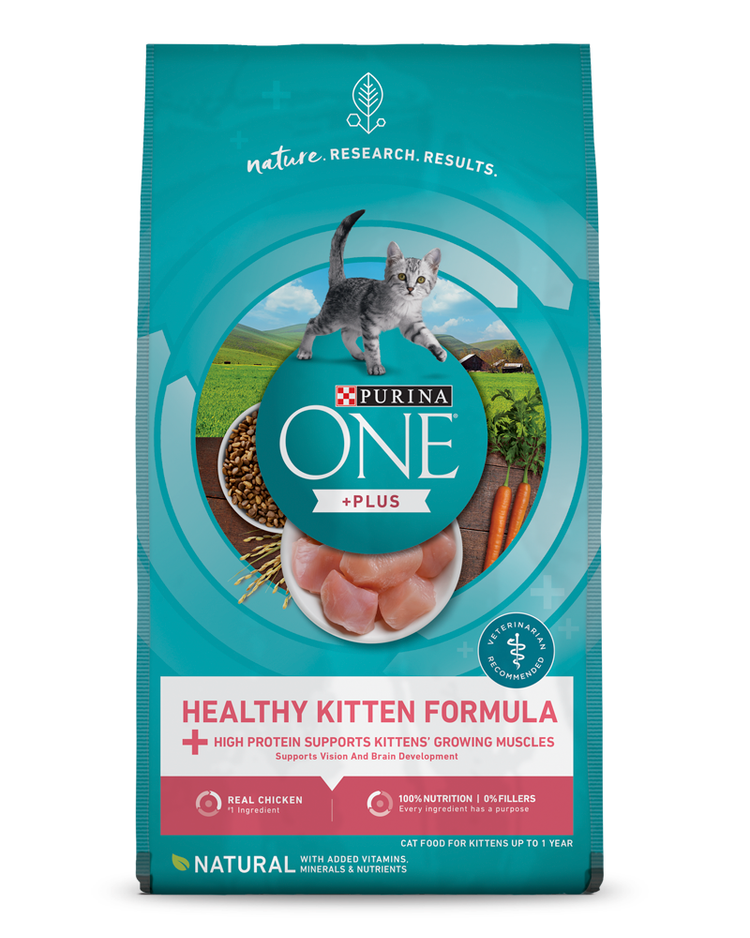
Credit: www.purina.com
Benefits Of Feeding Kitten Food To Adult Cats
Feeding kitten food to your adult cat can offer surprising benefits that go beyond basic nutrition. Kitten food is packed with extra nutrients and calories designed to support rapid growth, but these same qualities can boost your adult cat’s health in unique ways. If you’re wondering whether this switch could help your furry friend, here are some benefits worth considering.
Enhanced Energy And Vitality
Kitten food contains higher protein and calorie levels than adult cat food. This extra energy can help your adult cat stay more active and playful throughout the day. If you notice your cat seems sluggish or less interested in play, kitten food might give them the boost they need.
Think about your own energy levels when you eat well-balanced meals rich in nutrients. Your cat’s body functions similarly. Could this be the key to keeping your cat lively as they age?
Improved Coat And Skin Health
The rich nutrient profile of kitten food often includes more essential fatty acids like omega-3 and omega-6. These fats play a big role in maintaining shiny fur and healthy skin. If your adult cat’s coat looks dull or flaky, the extra nourishment from kitten food can help restore its natural glow.
Many cat owners notice a visible difference after switching to kitten food for a few weeks. Have you observed changes in your cat’s fur after diet adjustments before?
Support For Active Or Senior Cats
Active adult cats and seniors sometimes need extra calories and nutrients to maintain muscle mass and overall health. Kitten food provides a nutrient-rich option without needing to increase portion sizes dramatically. This can be especially helpful if your cat is recovering from illness or has a high metabolism.
Consider your cat’s lifestyle and health status. Could kitten food offer tailored support during more demanding life stages?
Potential Risks Of Kitten Food For Adult Cats
Feeding your adult cat kitten food might seem harmless or even beneficial at first glance. However, kitten food is specially formulated to support rapid growth and higher energy needs, which can create problems for adult cats. Understanding the potential risks helps you make informed choices about your cat’s diet and health.
Weight Gain And Obesity
Kitten food contains more calories and fat to fuel growth. When adult cats eat this richer food regularly, they can quickly gain excess weight. Over time, this can lead to obesity, increasing the risk of diabetes, joint issues, and heart problems.
Have you noticed your adult cat putting on pounds after switching foods? That extra energy might be more than they need, turning into fat instead of fuel.
Digestive Issues
Adult cats have different digestive requirements than kittens. The higher protein and fat levels in kitten food can sometimes cause stomach upset, diarrhea, or vomiting in adult cats. Their digestive systems may struggle to handle the richer ingredients designed for growing kittens.
Pay attention if your cat shows signs of discomfort or irregular stools after changing their diet. These could be clues that kitten food isn’t agreeing with them.
Nutrient Imbalance Concerns
Kitten food is formulated with specific vitamins and minerals to support development, such as extra calcium and phosphorus. Adult cats don’t need these in the same amounts, and an imbalance can strain their kidneys or cause other health issues. Feeding kitten food long-term might lead to nutrient excesses or deficiencies.
Are you aware of what nutrients your cat truly needs at their current life stage? Consulting your vet can help tailor the diet to avoid hidden risks.
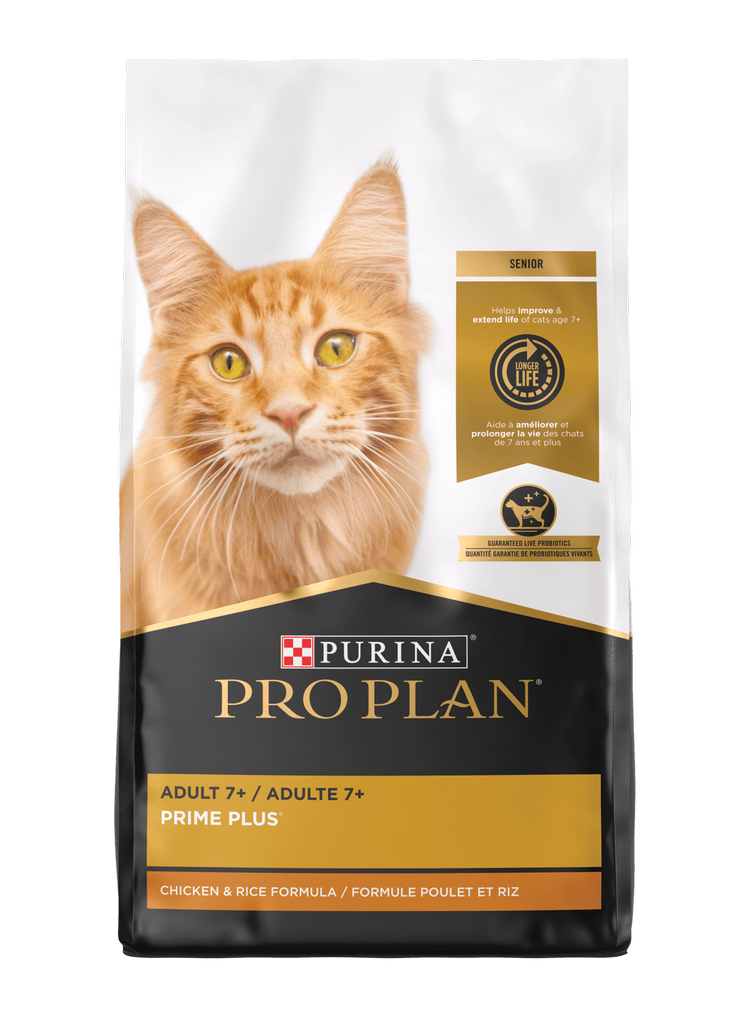
Credit: www.purina.com
When Kitten Food Might Be Suitable For Adult Cats
Kitten food can suit adult cats needing extra energy or growth support. It offers more protein and fat than regular adult cat food. Consult a vet before changing your cat’s diet to ensure it fits their health needs.
When it comes to feeding your feline friend, you might find yourself wondering if kitten food can be suitable for your adult cat. While adult cats have different nutritional requirements, there are specific situations where kitten food might just be the perfect choice. Understanding these scenarios can help you make informed decisions about your cat’s diet.Underweight Or Malnourished Cats
If your cat is underweight or appears malnourished, kitten food can provide the extra calories and nutrients needed for weight gain. Kitten food is rich in proteins and fats, which are crucial for building muscle and energy. It’s like giving your cat a nutritional boost to get back to a healthy weight. Have you ever noticed your cat looking a bit too skinny? It might be time to consider this option. However, it’s essential to consult with your vet to ensure it’s the right choice for your furry friend.Pregnant Or Nursing Cats
Pregnant or nursing cats require a high-energy diet to support both their health and that of their kittens. Kitten food is formulated to meet these increased nutritional demands. It provides the necessary nutrients for milk production and the energy needed during this demanding time. Think of it as giving your cat the best start for her growing family. Have you ever watched a mother cat tirelessly care for her kittens? Ensuring she has the right nutrients can make a world of difference.Cats Recovering From Illness
Cats recovering from illness or surgery often need additional nutrients to aid their recovery. Kitten food, with its rich nutrient profile, can be an excellent choice to help them regain strength. It supports the immune system and promotes faster healing. Have you ever nursed a sick cat back to health? It can be a challenging time, but feeding them nutrient-rich kitten food can make the journey smoother. In these situations, kitten food isn’t just a meal; it’s a tool to support your cat’s health. But remember, always check with your vet before making any dietary changes. Your cat’s health is worth it.How To Transition Adult Cats To Kitten Food Safely
Switching your adult cat to kitten food might seem like a quick fix for extra nutrition, but doing it safely is crucial. Sudden diet changes can upset your cat’s stomach or cause refusal to eat. Let’s look at how you can make this transition smooth and stress-free for your feline friend.
Gradual Introduction Process
Start by mixing a small amount of kitten food into your cat’s regular adult food. You can try a ratio like 25% kitten food and 75% adult food for a few days. Gradually increase the kitten food portion while decreasing the adult food over one to two weeks.
This slow change helps your cat adjust to new flavors and textures without digestive problems. Have you noticed your cat’s preferences shifting when you introduce new foods? Observing their reactions can guide you in adjusting the transition pace.
Monitoring Health And Behavior
Keep a close eye on your cat’s appetite, energy levels, and litter box habits during the switch. Look for signs like vomiting, diarrhea, or constipation, which can indicate digestive distress. Also, notice any changes in their mood or activity—does your cat seem more lethargic or restless?
Tracking these details daily helps you catch problems early. If your cat refuses the new food or shows negative symptoms, pause the transition and consult a vet. Did your cat show any unexpected reactions during past diet changes? Use that insight to anticipate possible issues now.
Consulting A Veterinarian
Before you make any dietary changes, talk to your veterinarian about your plan. They can confirm whether kitten food suits your cat’s specific health needs and suggest the best products. This step is especially important if your cat has health conditions or is overweight.
Your vet might recommend alternatives or supplements to balance your cat’s diet. Don’t hesitate to ask questions like, “Is kitten food necessary for my adult cat?” or “How long should the transition last?” These conversations ensure you make informed decisions tailored to your cat.

Credit: www.purina.com
Alternatives To Kitten Food For Adult Cats
Adult cats need food made just for their stage of life. Kitten food is too rich for them and can cause weight gain or health issues. Choosing the right alternative helps keep your cat healthy and happy. Many options exist that fit your adult cat’s needs well.
Specialized Adult Cat Diets
Adult cat diets have the right balance of nutrients. They contain less fat and calories than kitten food. These diets support your cat’s energy without overfeeding. Many brands offer formulas for different adult cat needs. Look for food that supports healthy skin, teeth, and digestion.
Prescription Diet Options
Some adult cats need special prescription diets. These foods target health problems like kidney disease or allergies. A vet can recommend the best option for your cat’s condition. Prescription diets help manage illness and improve quality of life. They have controlled nutrients and ingredients to support healing.
Homemade Balanced Meals
Preparing homemade meals can be a good choice. Use fresh ingredients like cooked meat, rice, and vegetables. Avoid harmful foods like onions, garlic, or raw fish. Consult a vet or pet nutritionist for a balanced recipe. Homemade meals allow control over what your cat eats. Make sure the diet meets all nutritional needs to avoid deficiencies.
Frequently Asked Questions
Can Adult Cats Eat Kitten Food Safely?
Adult cats can eat kitten food occasionally but it’s not ideal. Kitten food has higher calories and nutrients meant for growth. Feeding it long-term may cause weight gain or nutrient imbalance in adults.
What Are The Differences Between Kitten And Adult Cat Food?
Kitten food contains more protein, fat, and calories for growth. Adult cat food has balanced nutrients for maintenance and weight control. These differences ensure each life stage gets the right nutrition.
Will Feeding Kitten Food To Adult Cats Cause Weight Gain?
Yes, kitten food is calorie-dense and can lead to weight gain in adults. Adult cats need fewer calories, so overfeeding kitten food risks obesity and related health issues.
How Often Can I Give My Adult Cat Kitten Food?
Feeding kitten food to adult cats occasionally is okay. Use it as a treat or supplement, but avoid making it their main diet to maintain balanced nutrition.
Conclusion
Adult cats need food made just for them to stay healthy. Kitten food has too many nutrients for adult cats. Feeding kitten food to adults can cause weight gain and health issues. Always choose the right food based on your cat’s age and needs.
Check with a vet if you are unsure what to feed. Healthy eating helps your cat live a long, happy life. Keep your cat’s diet balanced and suitable for their stage. It makes all the difference.


Leave a Reply