Have you ever wondered if you can potty train your cat to go outside? If you’re tired of cleaning the litter box or want to give your feline friend a more natural bathroom routine, this idea might sound perfect.
But is it really possible? And how can you make it work without stressing your cat or your home? Keep reading to discover practical tips and surprising facts that can help you decide if outdoor potty training is right for you and your furry companion.
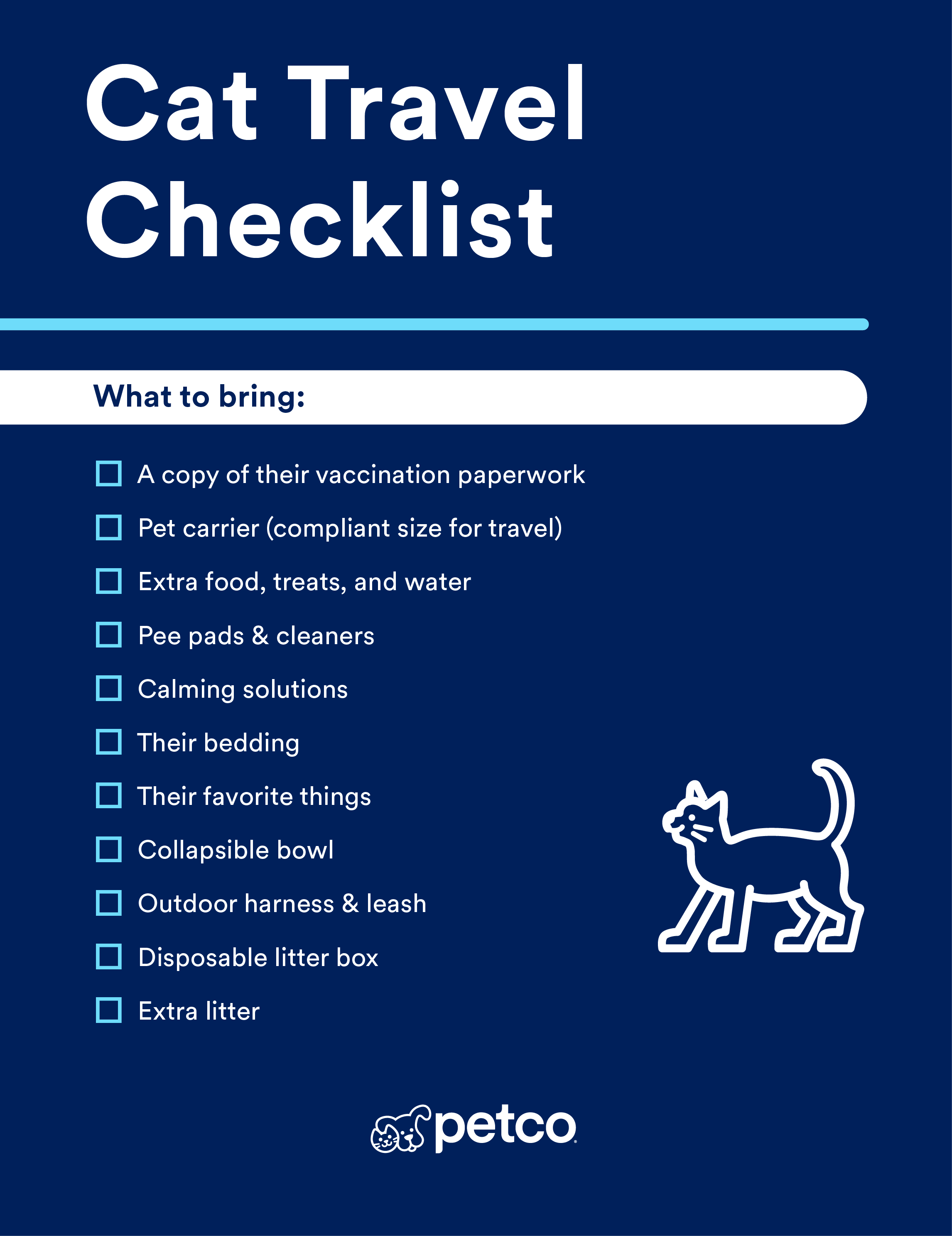
Credit: www.petco.com
Benefits Of Outdoor Potty Training
Teaching a cat to use the outdoors for potty needs offers many benefits. It supports your cat’s well-being and keeps your home cleaner. It also helps reduce waste and its effects on the environment. Outdoor potty training can make life easier for both cats and owners.
Health Advantages For Cats
Outdoor potty training encourages natural behaviors. Cats get fresh air and exercise during potty breaks. This can improve their mood and reduce stress. Using soil or grass feels more natural than litter. It may lower the risk of urinary infections by promoting better hygiene.
Reducing Indoor Mess
Indoor litter boxes can cause spills and odors. Training a cat to go outside cuts down on litter tracking. It keeps floors and furniture cleaner. Less cleaning means more free time for owners. It also prevents litter box accidents inside the house.
Environmental Impact
Outdoor potty training can reduce litter waste. Traditional cat litter often contains clay or chemicals. These materials can harm the environment when disposed of. Using the outdoors avoids the need for frequent litter changes. It lowers the amount of plastic bags used for waste disposal.
Choosing The Right Spot Outside
Choosing the right spot outside for potty training your cat can make all the difference in success. It’s not just about finding any patch of dirt or grass. Your cat’s comfort and safety are key to encouraging consistent outdoor bathroom habits.
Safe And Accessible Areas
Your cat needs a spot that feels secure and is easy to reach. Avoid places near busy roads or where other animals frequently roam. A fenced backyard corner or a quiet garden bed works well because it limits distractions and dangers.
Think about how often you or others will be able to supervise the area. Is it easy for your cat to get there quickly? If your cat has to cross through unfamiliar or risky territory, they might avoid using the spot altogether.
Privacy For Your Cat
Cats value privacy when they go to the bathroom. Choose a spot hidden from plain sight—behind bushes, shrubs, or a small garden structure. This helps your cat feel safe and reduces stress, encouraging them to use the area regularly.
Have you noticed your cat’s preference for quiet corners inside the house? That instinct carries outside too. Respect their need for discretion to make potty training smoother.
Avoiding High-traffic Zones
Places with lots of foot traffic or noisy activity can scare your cat away from their designated spot. Avoid areas where children play or where pets gather frequently. Your cat needs calm surroundings to feel comfortable.
Consider how the environment changes throughout the day. A spot that’s quiet in the morning might be busy in the afternoon. Observing these patterns can help you pick the ideal location your cat will stick with.
Preparing Your Cat For Outdoor Training
Preparing your cat for outdoor potty training requires patience and a safe, quiet area outside. Begin by introducing your cat to the spot and encouraging use with praise and gentle guidance. Consistency helps your cat learn to go outside for bathroom breaks.
Preparing your cat for outdoor potty training can be a rewarding journey for both of you. Transitioning your feline friend from the litter box to the great outdoors requires patience and consistency. It’s important to remember that every cat is unique, so tailor your approach to suit their personality and needs.Gradual Exposure Techniques
Start by allowing your cat to explore the outdoor environment in a controlled way. Supervised visits to a secure garden or yard can help them get accustomed to the sights, sounds, and smells of the outside world. Use a harness and leash for added safety while they learn to navigate this new terrain. Introduce them to different textures they might encounter outside, like grass and soil. This can make the transition smoother when they start using the outdoor potty area. Do you have a favorite spot in your garden? Show it to your cat and observe their reaction.Using Positive Reinforcement
Encourage your cat’s progress with treats and praise. Reward them whenever they explore the designated potty area outside. Positive reinforcement makes them more likely to repeat the behavior. Keep training sessions short but frequent to maintain your cat’s interest. Consistency is key, so aim for daily outdoor visits. Have you noticed how your cat responds to different treats? Use their favorite to celebrate small wins.Addressing Fears And Anxieties
Be aware of any signs of fear or anxiety your cat may show. Loud noises, unfamiliar animals, or sudden movements can cause stress. Create a calming environment by choosing quiet times for outdoor visits. If your cat seems hesitant, try sitting with them outside to offer reassurance. Your presence can provide comfort and help build their confidence. What steps will you take to make your cat feel safe and secure during this transition?Step-by-step Training Process
Training a cat to use the outdoors for potty needs takes patience and care. The process involves gentle steps that guide your cat to new habits. Consistency and positive reinforcement make this transition easier for both you and your pet.
Creating a familiar and comfortable space outside is the first key. Gradually encouraging your cat to use this area builds confidence. Expect some setbacks, but handling them calmly helps your cat learn faster.
Introducing The Outdoor Litter Area
Choose a quiet, safe spot outside for your cat’s toilet area. Use similar litter to what your cat uses indoors. Place the litter box or a shallow tray filled with litter in this spot.
Bring your cat to the outdoor litter area several times a day. Let your cat explore and sniff around without pressure. Reward your cat with gentle praise or treats when it shows interest.
Encouraging Consistent Use
Keep the outdoor litter area clean to attract your cat. Take your cat to this area after meals or naps. Watch for signs your cat needs to go, like sniffing or circling.
Use a calm voice and gentle touch to guide your cat outside. Praise and treat your cat immediately after it uses the outdoor spot. Repeat this routine daily to build a habit.
Handling Setbacks And Accidents
Expect some accidents during training; this is normal. Avoid punishment; it can scare your cat and slow progress. Clean accidents with an enzyme cleaner to remove odors.
Return your cat to the outdoor area after accidents to remind it of the goal. Keep patience high and offer extra praise when your cat uses the outdoor spot correctly. Gradual progress leads to success.
Tools And Supplies To Support Training
Potty training a cat to go outside requires more than just patience and time. The right tools and supplies can make a huge difference in how smoothly the process goes. Setting up an environment that encourages your cat to use the outdoors starts with thoughtful choices in litter, barriers, and ways to track progress.
Choosing The Right Litter
Not all litter is created equal when transitioning your cat outside. You want something that closely mimics natural outdoor textures to make the shift easier for your cat. Try using biodegradable or sandy litter types that feel similar to soil or sand.
One surprising tip is to gradually mix outdoor dirt or sand with your cat’s current litter. This small change can help your cat get comfortable with the new texture. Have you noticed how some cats prefer certain textures? Paying attention to this can speed up training.
Protective Barriers And Enclosures
Keeping your cat safe during outdoor potty training is crucial. Protective barriers or small enclosures give your cat a secure area to explore and relieve themselves without wandering off. These can be simple mesh fences or specially designed cat enclosures.
Consider setting up a designated potty zone with clear boundaries. This not only trains your cat where to go but also protects your garden and neighbors’ yards. Have you thought about how a small, controlled space might reduce your worries about your cat’s safety?
Tracking Progress
Keeping track of your cat’s potty habits helps you understand their learning curve. Use a simple notebook or an app to note times, locations, and behaviors. This data reveals patterns and highlights any setbacks early on.
Tracking progress can also motivate you by showing clear improvements. Are there times of day your cat prefers to go outside? Observing this can help you schedule outdoor visits more effectively. What small changes can you make based on your cat’s habits to improve training success?
Common Challenges And Solutions
Training a cat to potty outside can be rewarding, but it comes with real challenges. Understanding these obstacles helps you prepare better and find practical solutions. Here are some common issues you might face and ways to handle them effectively.
Dealing With Weather Changes
Weather plays a big role in your cat’s willingness to go outside. Rain, snow, or extreme heat can discourage your cat from using an outdoor potty spot.
Try creating a sheltered area outdoors where your cat can go comfortably in bad weather. A small covered box or an outdoor litter box with a roof can make a difference.
Also, watch your cat’s behavior closely. If they avoid going out during certain weather, you might need to provide an indoor backup option temporarily.
Managing Other Pets And Wildlife
Other animals can disrupt your cat’s potty routine. Stray cats, neighborhood dogs, or even local wildlife might intimidate your cat or take over the potty spot.
Keep your cat safe by choosing a quiet and less visible area for their outdoor potty. You can also use fencing or motion-activated deterrents to keep unwanted visitors away.
Observe interactions carefully. Sometimes, your cat may need more time to feel secure outside or may prefer a time when other animals are less active.
Maintaining Hygiene Outdoors
Keeping the outdoor potty spot clean is crucial to prevent odors and attract your cat back to the area.
Regularly remove waste and refresh the soil or litter material. Using natural deodorizers like baking soda can help maintain freshness without harmful chemicals.
Also, consider the location carefully. Avoid areas near food bowls or play spaces to keep hygiene standards high for your cat.
When Outdoor Potty Training Isn’t Suitable
Potty training a cat to go outside sounds ideal, but it’s not always the best choice. Some cats and environments just aren’t suited for outdoor bathroom habits. Knowing when to skip outdoor potty training can save you frustration and keep your cat safe and healthy.
Indoor Alternatives
If outdoor potty training isn’t an option, don’t worry—you have effective indoor choices. Many cats adapt well to litter boxes that mimic natural outdoor settings, like those filled with soil or grass pellets. You can also try different types of litter to find one your cat prefers, which makes the transition easier.
Consider setting up multiple litter boxes around your home. This reduces accidents and gives your cat more freedom to choose a comfortable spot. Have you thought about adding a covered litter box for privacy? Some cats feel safer that way.
Health Concerns
Outdoor potty training isn’t safe if your cat has health issues or weak immunity. Cats exposed to dirt, parasites, or other animals risk infections and illnesses. I once had a cat who developed a skin infection after using an unsanitary outdoor spot—preventable with indoor training.
Older cats or those with mobility problems may struggle to get outside quickly. This can lead to stress and accidents inside. Always consider your cat’s health before deciding on outdoor potty training.
Local Regulations And Safety
Some neighborhoods have rules against letting cats roam freely. These laws protect wildlife and your cat too. Ignoring these regulations can lead to fines or worse—your cat getting lost or injured.
Safety is another big issue. Busy roads, predators, or toxic plants can turn outdoor potty training into a dangerous adventure. Would you risk your pet’s safety just for convenience? Sometimes, staying indoors is the smartest choice.

Credit: www.purina.com
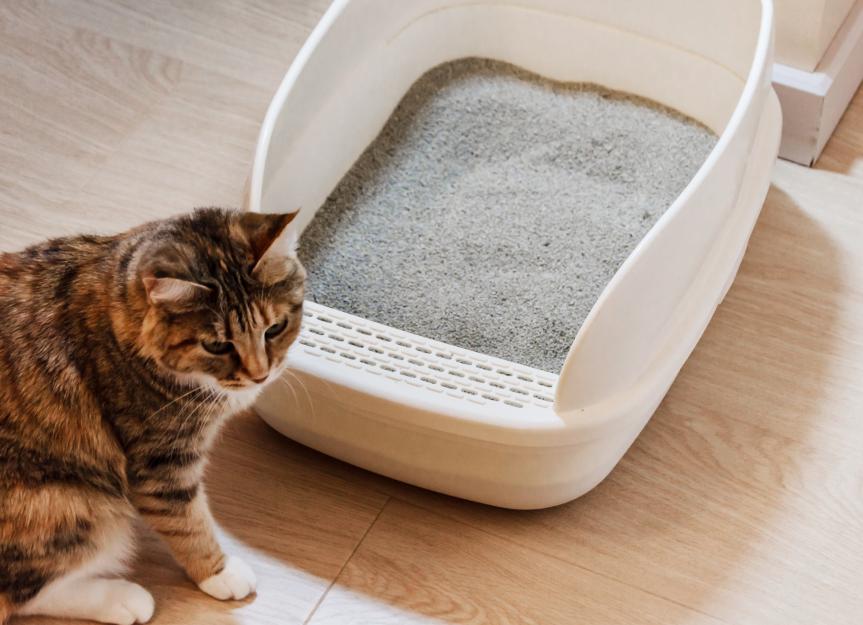
Credit: www.petmd.com
Frequently Asked Questions
Can Cats Be Trained To Use The Outdoors For Potty?
Yes, cats can learn to use outdoor spaces for their bathroom needs. Gradual training and positive reinforcement help them adapt. Consistent supervision ensures safety while transitioning from indoor litter boxes to outdoor potty areas.
How Long Does Outdoor Potty Training Take For Cats?
Outdoor potty training duration varies by cat personality. It may take days to weeks with patience. Regular outdoor visits and encouragement speed up the process. Avoid rushing to prevent accidents and stress.
What Are The Best Outdoor Potty Training Tips?
Start by selecting a quiet, accessible outdoor spot. Use treats and praise to reward successful potty trips. Keep a consistent schedule and supervise initially. Gradually increase outdoor time as your cat becomes comfortable.
Is Outdoor Potty Training Safe For Cats?
Outdoor potty training is safe with proper precautions. Ensure the area is free from harmful chemicals and predators. Supervise your cat during initial training. Provide vaccinations and identification to protect your cat’s health.
Conclusion
Training a cat to go outside takes patience and consistency. Not all cats will adapt quickly or easily. Some enjoy the freedom, while others prefer indoors. Always watch your cat’s comfort and safety first. Outdoor potty training can work, but it needs time and care.
Remember, each cat is different and learns at its own pace. Keep trying, stay calm, and celebrate small successes. Your cat can learn new habits with your help. Patience and kindness go a long way in this process.

Leave a Reply