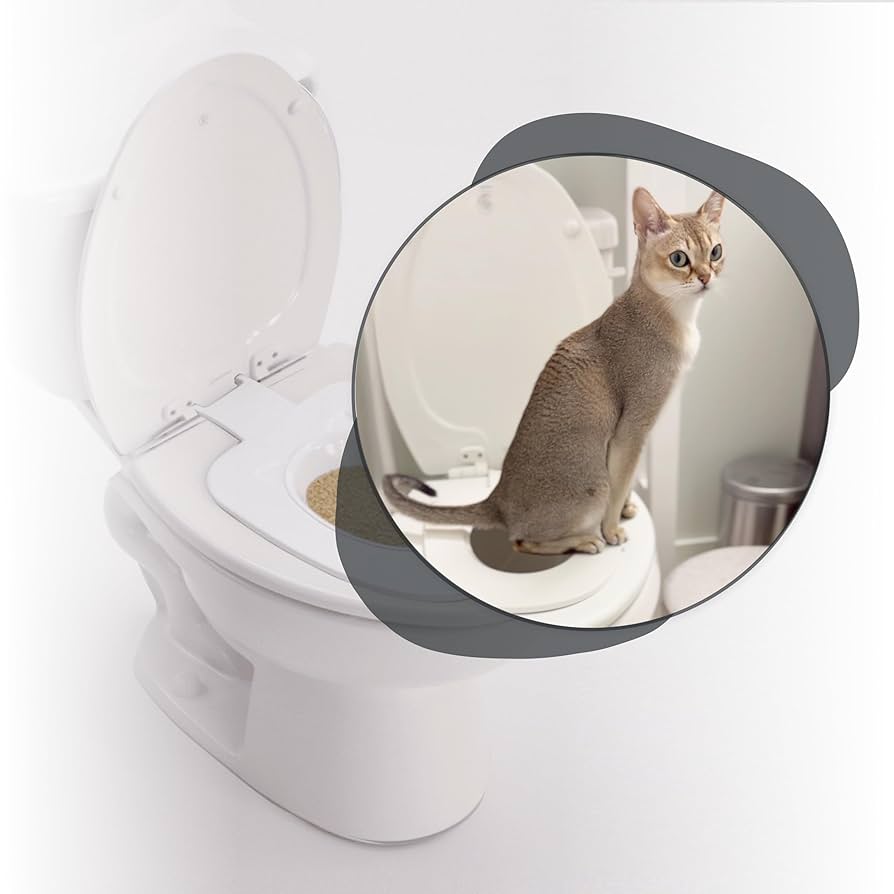
Are you wondering if it’s easy to potty train a cat? You’re not alone.
Many cat owners dream of saying goodbye to litter boxes and messy cleanup. But is it really possible to teach your feline friend to use the toilet? The idea sounds great, but the reality can be tricky. You’ll discover what makes potty training a cat challenging—and what simple steps you can take to make it work.
Keep reading to find out if this training method fits your lifestyle and how you can make your home cleaner and your cat happier.
Cat Potty Training Basics
Potty training a cat requires patience and understanding of their behavior. Cats have natural habits, but guiding them to use a toilet is possible. Knowing the basics helps set a clear path for success. This section covers the key steps to start training your cat effectively.
When To Start Training
Begin training once your cat is at least six months old. At this age, they have better control of their bladder. Kittens younger than six months may not be ready for this change. Also, wait until your cat is comfortable with its litter box.
Choosing The Right Equipment
Select a sturdy, stable training seat that fits your toilet. The seat should be safe and comfortable for your cat. Some kits come with stages to slowly transition the cat. Avoid slippery surfaces to prevent accidents.
Setting Realistic Expectations
Potty training a cat takes time. Some cats learn quickly, others need weeks or months. Expect accidents and setbacks during training. Stay calm and patient. Praise your cat for small successes to encourage progress.
Step-by-step Training Process
Potty training a cat takes patience and a clear plan. The process involves gradual changes. Each stage helps your cat adjust smoothly. Consistency is key to success. This step-by-step guide breaks down the main phases.
Introducing The Litter Box
Start by placing a clean litter box in a quiet spot. Show your cat where it is. Cats learn by exploring. Encourage your cat to use the box after meals and naps. Praise or gently pet your cat when it uses the box. Keep the litter fresh and scoop daily. This builds good habits and trust.
Transitioning To The Toilet
Move the litter box closer to the toilet over several days. Raise the box a little each day using books or boxes. This helps your cat get used to height changes. Eventually, place the box on the toilet seat. Let your cat sit and explore. Gradual changes reduce stress and confusion. Watch your cat’s comfort closely.
Using Training Seats
Replace the litter box with a toilet training seat. These seats fit over the toilet bowl. They hold litter while your cat learns to balance. Start with a full litter tray in the seat. Slowly reduce litter each day. Some training seats have removable sections. This helps your cat get used to the toilet water. Reward calm behavior and patience. Keep sessions short and positive.
Common Challenges
Potty training a cat can be tricky due to their natural habits and preferences. Patience and consistency are key to overcoming resistance and accidents. Some cats may never fully adapt to using a toilet instead of a litter box.
Potty training a cat can be a rewarding experience, but it’s not always straightforward. You might face some challenges along the way. These obstacles can vary from resistance to anxiety and stress, but understanding them can make the process smoother for both you and your feline friend.Dealing With Resistance
Cats are creatures of habit. Introducing a new potty routine can disrupt their comfort zone. Some cats might resist the change, preferring their usual litter box. Patience is key. Gradually introduce the new setup, allowing your cat to explore and get comfortable with it. You might need to offer a few incentives, like treats or praise, to encourage their cooperation.Managing Accidents
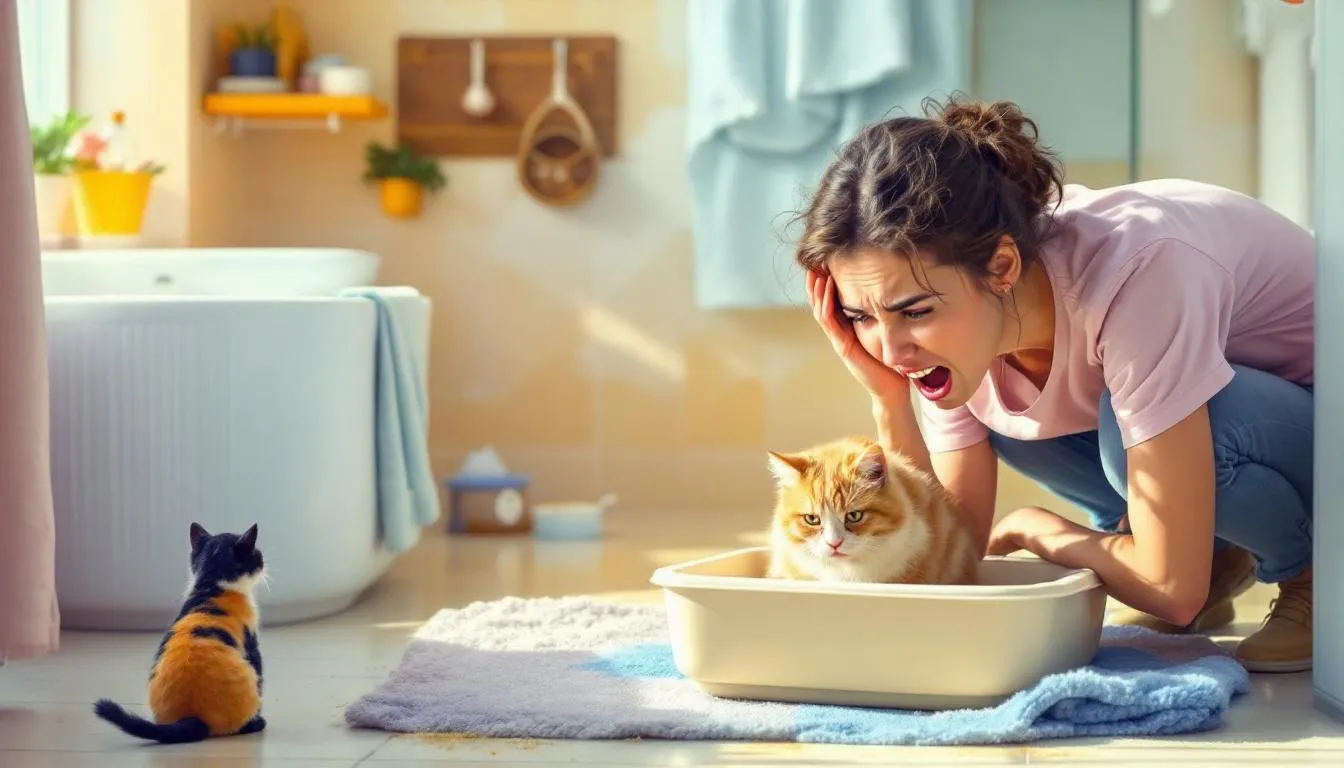
Accidents are bound to happen, especially in the early stages of training. It’s crucial to address these incidents without frustration. Clean up accidents promptly and thoroughly to remove any lingering odors that might attract your cat back to the same spot. Consider using enzymatic cleaners for this purpose. Keep an eye on your cat’s behavior to anticipate when they need to go, guiding them gently to the appropriate spot.Addressing Anxiety And Stress
Change can be stressful for cats, and potty training is no exception. Anxiety can manifest in various ways, such as excessive grooming or hiding. Create a calm environment by maintaining a consistent routine. Ensure your cat has a quiet, private space for their potty needs. If stress persists, consult with your veterinarian. They can offer guidance and, if necessary, recommend calming aids or techniques. Every cat is unique, and the time it takes to potty train can vary. Have you noticed any particular challenges with your cat? What strategies have worked for you? Engaging with your cat and observing their reactions can provide valuable insights into making the process smoother.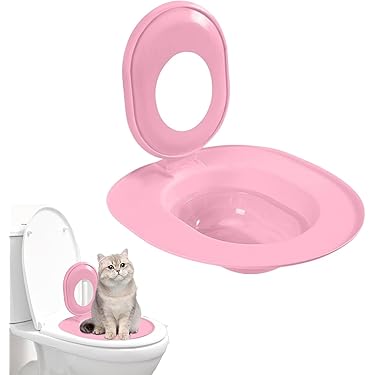
Credit: www.amazon.com
Tips For Success
Potty training a cat can be a challenging task, but with the right approach, it becomes much easier. Success depends largely on how you guide your cat through the process and the environment you create. Here are some practical tips to help you achieve your goal smoothly.
Positive Reinforcement
Reward your cat immediately after it uses the potty correctly. Use treats, gentle praise, or extra playtime to encourage this behavior. Cats respond well to positive feedback, so focus on what you want them to do rather than punishing mistakes.
I once rewarded my cat with a small treat every time she used her new potty spot. This simple act made her associate the place with something good, speeding up the training.
Consistency And Patience
Stick to a regular schedule for bathroom breaks and feeding times. Cats thrive on routine, and consistency helps them understand expectations. Be patient—some cats take longer to adjust, and rushing them can cause setbacks.
Ask yourself: Are you giving your cat enough time to learn, or are you expecting too much too soon? Remember, patience often leads to better results than pressure.
Maintaining Hygiene
Keep the potty area clean to encourage your cat to use it regularly. Cats are very particular about cleanliness and may avoid a dirty spot. Scoop waste daily and wash the area frequently with mild soap and water.
Neglecting hygiene can undo all your progress, so make cleaning part of your routine. A fresh and inviting potty space helps your cat feel comfortable and secure.
Alternative Options
Potty training a cat can be challenging, but there are alternative options that might suit your cat’s personality and your lifestyle better. These methods offer different approaches that don’t rely solely on traditional litter boxes or toilet training. They can make the process less stressful for both you and your feline friend.
Outdoor Training
Teaching your cat to use the outdoors as their bathroom can be a natural and effective solution. This works especially well if you have a secure yard or live in a safe neighborhood. It gives your cat freedom while keeping your home clean.
Start by creating a designated potty area outside, such as a small patch of soil or sand. Encourage your cat to use this spot by placing some of their used litter or waste there. Gradually, your cat will associate this area with bathroom time.
One thing to consider is your cat’s safety. Are there busy roads or predators nearby? If so, outdoor training might require more supervision or might not be the best option for your cat.
Using Specialized Products
There are many products designed to help with potty training that can make the experience easier for you. For example, potty training kits come with step-by-step guides and tools like seat attachments or training pads. These can simplify the transition and reduce accidents.
Some products use natural attractants to encourage cats to use the toilet or a specific spot. You might also find training kits that include flushable litter, which can help in gradually moving your cat away from traditional litter boxes.
Have you tried any specialized products before? Sometimes, a small change in tools can make a big difference in your cat’s behavior and your patience during training.

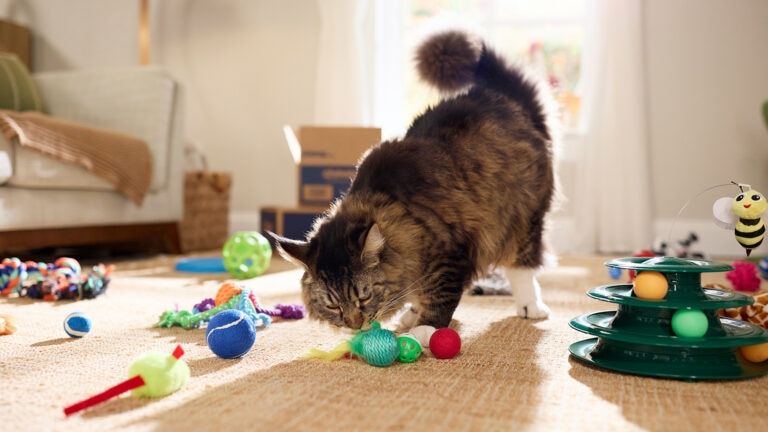
Credit: www.purina.com

Credit: www.amazon.com
Frequently Asked Questions
Is Potty Training A Cat Difficult?
Potty training a cat can be challenging but doable with patience. Cats need consistent guidance and positive reinforcement. Success depends on the cat’s temperament and age. Some cats adapt quickly, while others take longer. Using the right tools and techniques improves chances of success.
How Long Does It Take To Potty Train A Cat?
The time varies from a few weeks to several months. It depends on the cat’s age, personality, and previous habits. Younger cats usually learn faster than older ones. Consistency and patience are key to speeding up the process. Regular practice helps reinforce the new behavior.
Can All Cats Be Potty Trained?
Most cats can be potty trained, but some resist change. Cats with strong litter habits may struggle initially. Training success depends on patience, consistency, and using the right methods. Some cats have physical or behavioral issues that can hinder training.
Consulting a vet can help in such cases.
What Tools Help Potty Train A Cat?
Specialized cat toilet training kits are very useful. These kits gradually transition cats from litter boxes to toilets. Training kits include seat inserts and step-by-step instructions. Positive reinforcement with treats and praise also encourages learning. Keeping the training area clean is essential.
Conclusion
Potty training a cat takes time and patience. Cats may not learn as fast as dogs. Small steps help your cat understand better. Each cat is different; some catch on quicker. Stay calm and keep trying every day. Rewards and praise encourage good behavior.
Expect some accidents along the way. The process is possible but needs effort. Your cat can learn, but it’s not easy. Keep realistic goals and enjoy small wins.

Leave a Reply