
Are you wondering when it’s safe to start feeding your kitten adult cat food? Choosing the right diet at the right time is crucial for your kitten’s growth and health.
Feeding adult food too early might leave your kitten missing essential nutrients, while waiting too long can slow their development. You’ll discover the perfect timing to make the switch, so your furry friend stays strong and happy. Keep reading to learn the simple steps that will help you give your kitten the best start in life.
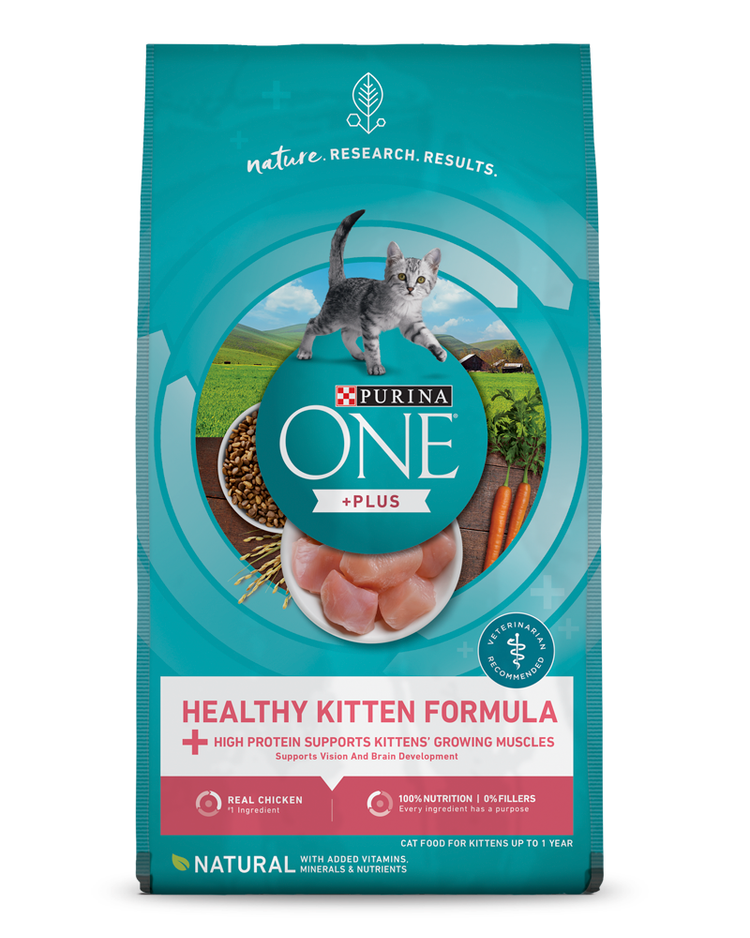
Credit: www.purina.com
Kitten Growth Stages
Kittens grow fast and their nutritional needs change quickly. Understanding their growth stages helps decide the right time to switch foods. Each stage has unique feeding requirements for healthy development. Knowing these stages guides proper feeding choices for your kitten.
Newborn To Weaning
Kittens rely on their mother’s milk during this stage. Milk provides all needed nutrients for growth and immunity. Around four weeks, they start tasting solid food. At this time, soft, wet kitten food mixed with water helps transition. Proper nutrition here supports strong bones and organs.
Weaning To 6 Months
After weaning, kittens eat mainly solid food. They need food rich in protein and fat for energy. Frequent small meals suit their fast metabolism. Kitten food is specially made to support rapid growth. This stage builds muscle, brain, and immune health.
6 Months To One Year
Growth slows down but remains important. Kittens still need balanced nutrition for body and brain. Portion sizes and feeding frequency may decrease. Some vets suggest starting adult food near one year. Watch your kitten’s weight and health to guide feeding.

Credit: www.purina.com
Nutritional Needs Of Kittens
Kittens have unique nutritional needs that differ significantly from adult cats. Their bodies are growing rapidly, which demands a diet rich in specific nutrients to support development. Understanding these needs helps you decide the right time and type of food to offer your kitten.
Essential Nutrients For Growth
Your kitten requires a higher amount of protein compared to adult cats. Protein supports muscle development and overall growth. Look for foods with high-quality animal protein sources like chicken, fish, or turkey.
Fat is another critical nutrient. It provides energy and helps with brain development. Kittens also need certain fatty acids like DHA, which are vital for vision and cognitive function.
Calcium and phosphorus are key for strong bones and teeth. Too little or too much of these minerals can cause health issues. The balance must be just right to support healthy skeletal growth.
Don’t forget vitamins and antioxidants. They strengthen the immune system and promote healthy skin and coat. Your kitten’s diet should include vitamins A, E, and C, along with minerals like zinc and selenium.
Differences Between Kitten And Adult Food
Kitten food is specially formulated with higher calories to fuel their fast metabolism. Adult cat food contains fewer calories because grown cats are less active and don’t need as much energy.
Protein levels are significantly higher in kitten food. This helps build muscle mass and supports organ development. Adult food has moderate protein designed for maintenance rather than growth.
Another difference lies in the texture and size of the kibble. Kitten food pieces are often smaller and softer, making them easier to chew and digest. Adult cat food can be tougher and larger to suit stronger jaws.
Have you noticed how your kitten’s appetite changes as they grow? Paying attention to these changes can guide you on when to switch to adult food without compromising their health.
Signs Your Kitten Is Ready
Kittens show signs like eating solid food and losing baby teeth before switching to adult cat food. Their growth slows, and they become more independent during feeding. These changes signal readiness for new diet stages.
Signs Your Kitten is Ready Transitioning your kitten from kitten food to adult cat food is a significant milestone in their growth journey. Knowing when to make this switch can be tricky, but understanding the signs that your kitten is ready can help ease the process. Look out for key behavioral and physical indicators that signal the time is right.Behavioral Indicators
Kittens often show a keen interest in what adult cats are eating. If your kitten starts to show curiosity about the food in your older cat’s dish, it might be a sign they’re ready for a change. Observing your kitten trying to sample adult food can be a clear behavioral cue. Another behavioral sign is a shift in energy levels. If your kitten starts behaving more like an adult cat, with less frantic play and more calm, it might be time to consider the transition. Their play style may become more strategic rather than the erratic bursts of energy typical of younger kittens.Physical Development Milestones
Physically, kittens are ready for adult food when they reach about 80% of their expected adult weight. This usually happens between 9 to 12 months of age, although it can vary by breed. Weigh your kitten regularly to track this milestone. Dental development is another critical factor. If your kitten’s baby teeth have been replaced with adult teeth, they may be ready for the texture of adult food. This development typically occurs around six months of age. You might wonder, is your kitten growing at the right pace? Regular vet check-ups can help ensure your kitten is hitting all the necessary growth targets. Always consult your vet if you’re uncertain about the right time to make the switch to adult cat food.Risks Of Early Transition
Switching your kitten to adult cat food too soon can create several problems. Kittens have unique nutritional needs that adult food might not meet. Ignoring these needs can affect their growth and overall health in ways you might not expect.
Digestive Issues
Kittens’ digestive systems are sensitive and still developing. Adult cat food often contains more protein and fat, which can be hard for a young kitten to digest properly.
This mismatch can lead to upset stomachs, diarrhea, or constipation. Have you noticed sudden changes in your kitten’s bathroom habits after a food change? That might be a sign their tummy isn’t ready for adult food yet.
Keeping your kitten on specially formulated food helps avoid these uncomfortable digestive problems and supports smooth growth.
Nutrient Deficiencies
Kittens need extra nutrients like calcium, phosphorus, and certain vitamins to build strong bones and muscles. Adult cat food usually lacks these in the right amounts for growing kittens.
Feeding adult food too early may cause gaps in essential nutrition. This can stunt growth or lead to long-term health issues.
Think about this: would you expect a child to grow properly on adult-sized meals? Your kitten’s body needs tailored nutrition just like a growing child does.
To keep your kitten thriving, stick to kitten-specific formulas until they are ready for the adult diet.
Transitioning To Adult Food
Transitioning a kitten to adult cat food is an important step in their growth. This change supports their new nutritional needs as they mature. A smooth switch helps avoid digestive problems and ensures they enjoy their meals. Start this change around one year of age, but watch your kitten’s behavior and health closely.
Gradual Food Change Tips
- Mix 25% adult food with 75% kitten food for the first three days.
- Increase adult food to 50% and kitten food to 50% for the next three days.
- Move to 75% adult food and 25% kitten food for another three days.
- Feed only adult food after about 10 to 12 days.
- Offer fresh water alongside every meal.
- Keep feeding times consistent to build a routine.
Monitoring Your Kitten’s Health
Check your kitten’s appetite daily during the transition. Look for any vomiting or diarrhea. Monitor their energy levels and weight. Keep an eye on their coat for shine and softness. If you notice any issues, slow the transition or consult a vet. Healthy kittens adjust smoothly to the new food with no signs of distress.
Expert Feeding Recommendations
Knowing when to switch your kitten to adult cat food is a key step in their growth journey. Getting expert advice can make this transition smoother and healthier for your furry friend. Let’s look at what veterinarians suggest and popular feeding schedules that can help you decide the right time to start adult cat food.
Veterinarian Advice
Veterinarians generally recommend waiting until your kitten is about one year old before switching to adult cat food. This is because kittens have different nutritional needs that support their rapid growth and development.
Some vets suggest a gradual transition starting around 9 to 12 months. You can mix increasing amounts of adult food with kitten food over a week or two. This helps avoid digestive upset and lets your kitten adjust to the new taste and texture.
If your kitten has special health concerns, such as allergies or digestive issues, your vet might recommend a specific diet or feeding timeline. Always check with your vet if you notice any changes in your kitten’s appetite or behavior during the switch.
Popular Feeding Schedules
Many cat owners follow a feeding schedule that reflects their kitten’s growth stages. Here’s a simple outline:
| Age | Food Type | Feeding Frequency |
|---|---|---|
| 0-6 months | Kitten food | 3-4 times a day |
| 6-12 months | Kitten food with gradual adult food introduction | 2-3 times a day |
| 12+ months | Adult cat food | 2 times a day |
Have you noticed how your kitten’s eating habits change as they grow? Adjusting meal frequency and food type based on their age can help maintain their energy and health. Watching their behavior closely during these changes gives you clues about when they’re ready for adult food.
Special Considerations
Feeding a kitten adult cat food requires careful thought beyond age alone. Some kittens have unique needs that affect their diet choices. Paying attention to these special considerations helps keep your kitten healthy and happy as it grows.
Breed-specific Needs
Different cat breeds grow at different rates. Some large breeds, like Maine Coons, take longer to mature. They may need kitten food for up to 18 months. Smaller breeds often switch to adult food sooner.
Breed also affects nutrient needs. Some breeds need more protein or fat. Others may require specific supplements. Check breed guidelines or ask a vet for advice.
Health Conditions Affecting Diet
Health problems can change a kitten’s diet plan. Conditions like kidney issues or allergies affect food choices. Special diets may be needed to support health.
Some kittens need prescription food. Others require hypoallergenic formulas. Always consult a vet before changing diet if health issues exist.
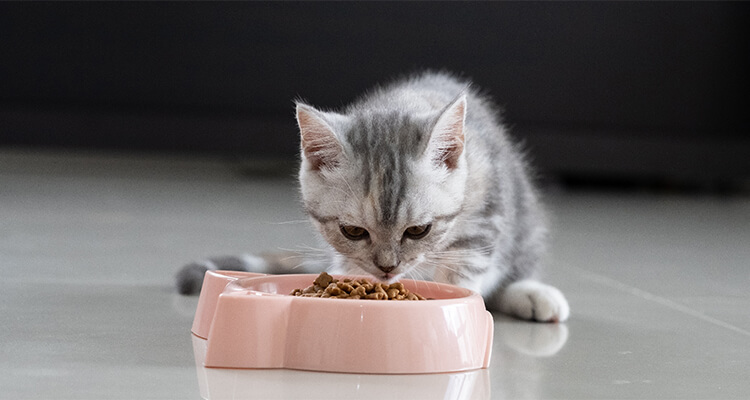
Credit: www.whiskas.co.uk
Frequently Asked Questions
When Is The Right Age To Feed Adult Cat Food To Kittens?
Kittens can start eating adult cat food at about 12 months old. This age marks their transition from growth to adulthood. Until then, kitten food provides essential nutrients for development. Consult your vet to ensure a smooth dietary change for your cat’s health.
Can I Switch Kittens To Adult Food Earlier Than One Year?
Switching before 12 months is not recommended. Kittens need higher protein and fat levels for growth. Early transition might cause nutritional deficiencies and affect development. Always follow vet advice for the best feeding schedule tailored to your kitten’s needs.
What Signs Indicate A Kitten Is Ready For Adult Cat Food?
Look for slowed growth and adult teeth development around 10-12 months. Kittens become less active and their nutritional needs decrease. These signs suggest readiness for adult food. Monitor their health and consult your vet before switching diets.
How To Transition A Kitten To Adult Cat Food Safely?
Gradually mix adult food with kitten food over 7-10 days. Increase adult food portion while decreasing kitten food. This helps prevent digestive upset. Watch for any adverse reactions and adjust the transition pace accordingly. Patience ensures a smooth dietary change.
Conclusion
Kittens need special food to grow strong and healthy. Around one year old, they can start eating adult cat food. Changing food too soon can upset their stomach. Watch your kitten’s weight and energy to know when to switch. Always provide fresh water with their meals.
Feeding the right food helps your cat live a long, happy life. Take time and be patient during this change. Your kitten will thank you with purrs and playful moments.


Leave a Reply