Are you thinking about adding a furry friend to your home and wondering if you can buy a Domestic Shorthair cat from a breeder? You’re not alone.
Many people love the idea of bringing home a healthy, well-socialized kitten, but the path to finding the perfect Domestic Shorthair isn’t always clear. You’ll discover the truth about buying Domestic Shorthair cats from breeders and what you need to know before making this important decision.
Keep reading to avoid common mistakes and find the best way to welcome a loving cat into your life.
Domestic Shorthair Cat Traits
Domestic Shorthair cats are a popular choice for many cat lovers because of their adaptable nature and charming traits. If you’re thinking about getting one, understanding their key characteristics helps you decide if they fit your lifestyle. Let’s take a closer look at what makes Domestic Shorthairs unique in appearance, personality, and health.
Appearance And Size
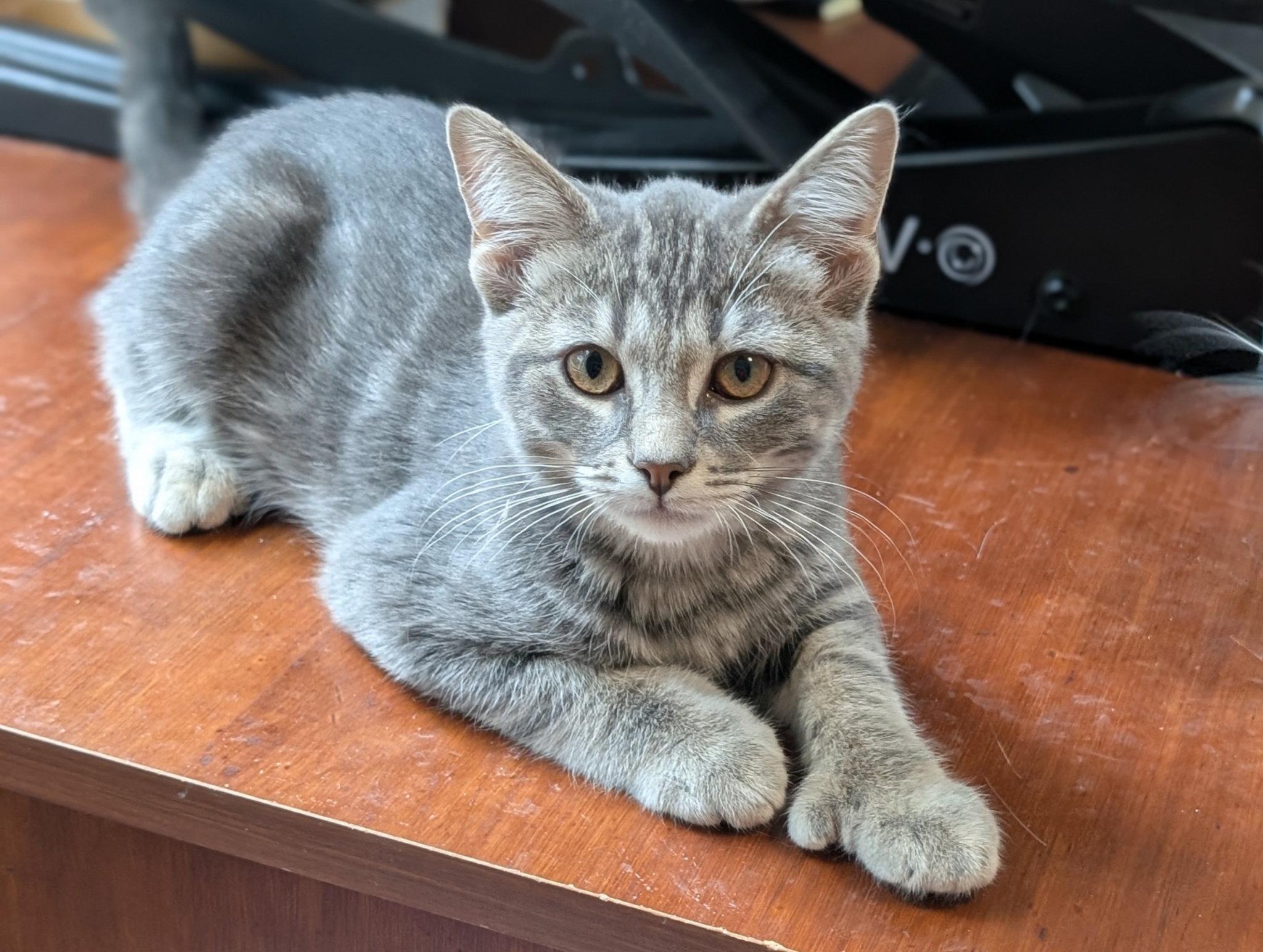
Domestic Shorthair cats come in a wide variety of colors and patterns, from solid black to tabby stripes and calico patches. Their coats are short, dense, and easy to care for, which is a big plus for busy pet owners.
These cats are typically medium-sized, weighing between 6 and 16 pounds. Their body is muscular and well-proportioned, making them agile and strong. Have you noticed how their expressive eyes often reveal their mood instantly?
Personality And Temperament
Domestic Shorthairs are known for their friendly and adaptable personalities. They can be playful and curious, yet calm and affectionate when they want to be. This balance makes them great companions for families, singles, or seniors.
They are usually good with other pets and children, but each cat has its own quirks. Have you ever met a cat that instantly made you feel understood? That’s often the case with Domestic Shorthairs because they tend to bond closely with their owners.
Common Health Issues
Generally, Domestic Shorthair cats are healthy with fewer genetic problems compared to purebred cats. However, like any pet, they can face issues such as obesity, dental disease, and occasional respiratory infections.
Regular vet check-ups and a balanced diet are key to keeping your cat in top shape. Have you considered how a simple change in diet or exercise routine could improve your cat’s longevity and happiness?
Credit: purebredkitties.com
Domestic Shorthair Cat Origins
The origins of Domestic Shorthair cats offer a unique look into the world of feline companionship. Unlike many breeds with carefully traced lineages, Domestic Shorthairs come from a mix of various cats that adapted over generations. Understanding where these cats come from can help you appreciate their charm and why they are often found in shelters rather than breeders.
History And Background
Domestic Shorthair cats are often called the “mutt” of the cat world, but that name hides their rich history. These cats have been around for centuries, evolving naturally without selective breeding. Their ancestors were the common street and farm cats that helped control pests and lived alongside humans worldwide.
Because they are not tied to any formal breed standards, Domestic Shorthairs have diverse colors, patterns, and personalities. This variety makes each one unique, and you might find yourself surprised by how adaptable and resilient they are. Have you ever noticed how some of the friendliest cats you meet don’t have a pedigree?
Differences From Purebred Cats
Purebred cats are bred to meet specific physical and temperamental standards, often by registered breeders. Domestic Shorthairs, however, come from mixed ancestry and lack a breed registry. This means you won’t usually find a Domestic Shorthair with a pedigree or papers from a breeder.
- Health:Domestic Shorthairs tend to have fewer genetic health issues because of their diverse gene pool.
- Appearance:They show a wide range of coat colors and body types, unlike purebreds with uniform looks.
- Availability:You’re more likely to find Domestic Shorthairs in shelters and rescues rather than breeders.
If you want a cat with a predictable look or specific traits, a purebred might be your choice. But if you’re open to a cat with a unique personality and no strict appearance requirements, a Domestic Shorthair can be a wonderful companion. Have you thought about how the unpredictability of a pet’s background could add to the joy of bringing them home?
Availability Through Breeders
Domestic shorthair cats are common pets around the world. Many people wonder if these cats can be bought directly from breeders. Unlike purebred cats, domestic shorthairs are a mixed breed. This makes their availability through breeders different from other cat breeds.
Breeders do sometimes offer domestic shorthairs, but the process is not as straightforward. The demand for purebred cats usually drives most breeders. Domestic shorthairs may be bred more casually or by rescue groups. This affects how easy it is to find them through breeders.
Breeding Practices For Domestic Shorthairs
Domestic shorthairs do not have strict breed standards. Breeders focus less on specific traits or appearances. Their goal is often to produce healthy, friendly cats. This means the breeding process is more flexible and less controlled.
Some breeders may breed domestic shorthairs to improve certain features. Others simply care for cats that are already mixed breed. The focus is usually on good health and temperament. This can lead to a wider variety of looks and personalities.
Challenges In Finding Reputable Breeders
Finding a reputable breeder for domestic shorthairs can be tough. Many breeders prioritize purebred cats, making domestic shorthairs less common. There is also a risk of encountering breeders who do not follow ethical practices.
Reputable breeders will provide health clearances and show care for their cats. They avoid overbreeding and ensure good living conditions. Verifying a breeder’s reputation requires research and asking questions. Visiting the breeder and meeting the cats is important.
Adoption centers and rescue groups often have domestic shorthairs available. These sources sometimes offer healthier and better-socialized cats than some breeders. Choosing adoption can be a rewarding alternative to buying from breeders.
Credit: meowoff.us
Alternatives To Buying From Breeders
Choosing a domestic shorthair cat is exciting. Many think of breeders first. But there are other ways to find a furry friend. Consider adoption. It’s a rewarding path for many cat lovers.
Adopting From Shelters And Rescues
Shelters are full of cats needing homes. Domestic shorthairs are popular there. Many shelters house them. Rescues save cats from tough situations. They care for them well. Visit or contact shelters nearby. You might find your perfect match.
Benefits Of Adoption
Adoption saves lives. You help reduce overpopulation. Shelters often provide health checks. They vaccinate and spay or neuter cats. This means fewer costs for you. Adopted cats can be loving and grateful. They might improve your life in unexpected ways.
What To Look For In A Breeder
Finding a trustworthy breeder is key when you want to buy a Domestic Shorthair cat. The right breeder ensures the health and temperament of your new pet. Knowing what to look for can save you from future headaches and help you bring home a happy, healthy cat.
Signs Of Responsible Breeding
A responsible breeder prioritizes the well-being of their cats over profit. You should see clean, spacious living areas where cats have room to play and rest. The cats should look healthy, with bright eyes and clean coats—signs that they are well cared for.
Good breeders will also socialize their kittens early. This means the cats should be comfortable around people and show friendly behavior. If you visit and the cats seem shy or scared, it might indicate limited human interaction.
Another important sign is transparency. Responsible breeders gladly show you health records and answer your questions honestly. If a breeder hesitates to provide this information, it’s a red flag.
Questions To Ask Before Buying
- What health screenings do you perform on the parents?This helps prevent hereditary problems.
- Can I meet the kitten’s mother?Meeting the mother gives clues about the kitten’s future behavior and health.
- What vaccinations and deworming have the kitten received?Knowing this ensures your kitten is protected from common diseases.
- Do you provide a health guarantee or contract?This protects you if the kitten has hidden health issues.
- How do you socialize your kittens?Early socialization affects how well your cat adapts to your home.
Have you ever wondered how much impact early care has on a cat’s personality? Asking these questions helps you understand the breeder’s commitment to raising well-rounded cats. Don’t hesitate to dig deeper—your future pet depends on it.

Credit: scottishkittens.com
Cost And Commitment
Buying a Domestic Shorthair cat from a breeder is more than just a one-time payment. It’s a commitment that involves both financial and emotional investment. Understanding the cost and what lies ahead can help you prepare better for welcoming your new furry friend into your home.
Typical Price Range
Domestic Shorthair cats are often seen as more affordable than purebred cats, but prices can vary. Expect to pay anywhere from $50 to $300 depending on the breeder’s reputation, the cat’s lineage, and health guarantees.
Some breeders offer kittens with vaccinations and spaying/neutering included, which can add value. But beware of prices that seem too good to be true—they might indicate poor breeding practices or hidden health issues.
Ask yourself: Are you ready to invest in a healthy, well-cared-for cat, or are you prioritizing price over quality?
Long-term Care Considerations
Owning a Domestic Shorthair cat requires ongoing care that goes far beyond the initial purchase. Food, regular vet visits, grooming, and unexpected medical expenses can add up quickly.
Think about your lifestyle—do you have time daily to play and bond with your cat? Domestic Shorthairs are known for their playful and affectionate nature, which means they thrive on interaction.
Also, consider the commitment for the cat’s entire life, which can be 12 to 15 years or more. Are you ready for the responsibility of caring for a pet through different life stages?
Frequently Asked Questions
Can You Buy Domestic Shorthair Cats From Breeders?
Yes, you can buy Domestic Shorthair cats from some breeders. However, they are often found in shelters or rescues. Breeders may not specialize in this mixed breed, so adoption is a common option.
Are Domestic Shorthair Cats Available For Sale?
Domestic Shorthairs are usually not sold commercially as purebred cats. They are a mixed breed with varied traits. Most come from shelters, making adoption the best way to get one.
How To Find Reputable Domestic Shorthair Breeders?
To find reputable breeders, research thoroughly and ask for health clearances. Many breeders focus on purebreds, so Domestic Shorthairs might be less common. Adoption centers are a reliable alternative.
Why Choose Adoption Over Buying Domestic Shorthairs?
Adoption saves lives and helps control pet overpopulation. Domestic Shorthairs are common in shelters, making adoption affordable and ethical. They are healthy, loving pets ready for homes.
Conclusion
Domestic Shorthair cats are usually found in shelters or homes. Buying from a breeder is rare but possible. Choose a reputable breeder who cares for their cats well. Always ask questions about health and history. Consider adopting to give a cat a loving home.
Remember, these cats are friendly, smart, and easy to care for. Patience helps find the right cat for your family. Enjoy the journey of welcoming a new pet.


Leave a Reply