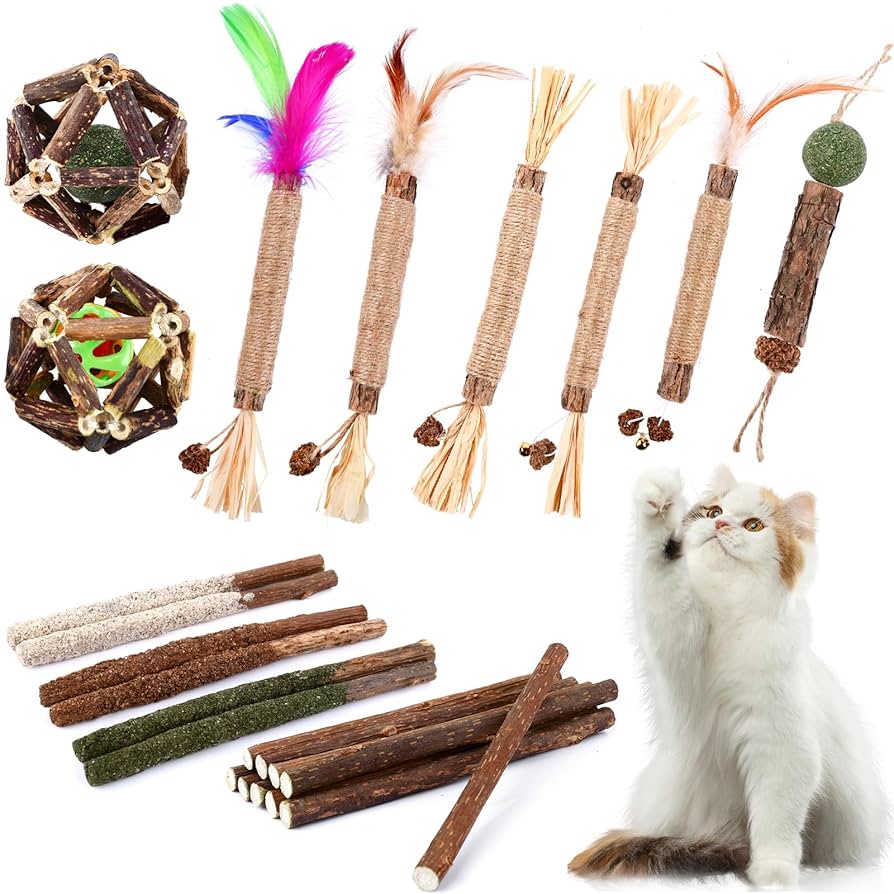
If you have a cat, you’ve probably seen them go wild over catnip toys. But have you ever wondered if it’s actually safe for your furry friend to eat those toys?
You want the best for your cat, and understanding what’s safe and what’s not can be confusing. Keep reading to discover the truth about cats eating catnip toys, what you should watch out for, and how to keep your pet happy and healthy.
This knowledge could save you from unexpected vet visits and give your cat the safe fun they deserve.
Catnip And Its Effects
Catnip is a popular herb known for its strong effect on cats. It often appears in toys, sparking curiosity about its impact. Understanding catnip helps pet owners provide safe and enjoyable play experiences. Here, we explore what catnip is, how it affects cats, and the common behaviors it triggers.
What Is Catnip?
Catnip is a plant from the mint family. Its scientific name is Nepeta cataria. The plant contains a natural oil called nepetalactone. This oil causes reactions in many cats. Not all cats respond to catnip; about 50-70% do. Sensitivity to catnip is inherited genetically.
How Catnip Affects Cats
Nepetalactone binds to receptors in a cat’s nose. This stimulates the sensory neurons. The brain reacts by releasing chemicals like dopamine. These chemicals create feelings of excitement or calm. The effect usually lasts 10 to 15 minutes. After that, cats become temporarily immune to catnip.
Behavioral Changes In Cats
Catnip can cause various behaviors:
- Rolling and rubbing their face on the toy or plant
- Playing energetically or pouncing
- Vocalizing with meows or purrs
- Becoming relaxed or sleepy
These behaviors vary by cat and situation. Some cats become playful, others mellow. Catnip does not harm cats or cause addiction.

Credit: www.amazon.com
Catnip Toys Explained
Catnip toys are a popular choice for cat owners looking to keep their furry friends entertained. These toys are infused with catnip, a herb that triggers playful and sometimes euphoric reactions in many cats. Understanding what catnip toys are made of and how cats respond to them can help you choose the best options for your pet.
Types Of Catnip Toys
Catnip toys come in many shapes and sizes. Some common types include:
- Stuffed mice or small animals filled with dried catnip
- Crinkly balls infused with catnip for batting around
- Interactive toys like wands with catnip-filled attachments
- Scratchers and pads sprayed or stuffed with catnip
Each type offers a different way for your cat to engage with the scent and texture of catnip. Have you noticed which style your cat prefers?
Materials Used In Catnip Toys
Most catnip toys are made with soft fabrics like cotton or felt. These materials hold the catnip well and are gentle on your cat’s claws and teeth.
Some toys use natural fibers, which can be safer if your cat tends to chew or bite aggressively. Always check for non-toxic dyes and safe stuffing to avoid any health risks.
How Cats Interact With Catnip Toys
Cats react to catnip in different ways. Some roll around, purr loudly, or become more playful and energetic. Others might just sniff and lose interest quickly.
Watching your cat’s reaction to catnip toys can give you insight into their personality and preferences. Have you observed any surprising behaviors when your cat plays with these toys?
Safety Concerns For Cats
Catnip toys are a favorite among many cat owners because they bring out playful behavior and keep cats entertained. However, it’s important to consider the safety of these toys to ensure your furry friend stays healthy and happy. Understanding the potential risks and how to recognize problems early can make a big difference in your cat’s well-being.
Potential Risks Of Catnip Toys
Though catnip itself is generally safe, catnip toys can pose some risks. Chewing or swallowing parts of the toy may lead to choking or intestinal blockages. Some catnip toys contain synthetic materials or dyes that could irritate your cat’s digestive system or skin.
Have you ever noticed your cat tearing apart a toy and eating the stuffing? This behavior can be dangerous, especially if the stuffing contains harmful substances. Always inspect toys regularly and remove any damaged ones promptly.
Signs Of Overexposure
Too much catnip can overstimulate your cat, causing signs like excessive drooling, agitation, or hyperactivity. Some cats may become overly aggressive or anxious after playing with catnip toys for too long. If your cat starts to seem overly excited or unbalanced, it’s a clear sign to give them a break.
Watch your cat’s behavior closely after introducing a new catnip toy. Notice if they become restless or start pacing more than usual. Limiting playtime with catnip toys to short sessions helps avoid these issues.
Toxicity And Allergic Reactions
While rare, some cats can have allergic reactions to catnip or the materials in the toys. Symptoms might include sneezing, itching, skin redness, or vomiting. If you spot any of these signs, remove the toy immediately and consult your vet.
It’s worth considering that not all catnip toys are created equal—natural catnip is less likely to cause problems than artificial versions. Have you checked the ingredients of your cat’s toys? Opt for high-quality, non-toxic products to minimize risks.

Credit: www.catmumjournal.co.uk
Safe Use Of Catnip Toys
Cats can chew on catnip toys safely, but swallowing large pieces may cause stomach upset. Always supervise playtime and choose durable toys to prevent choking.
Catnip toys can be an exciting and stimulating addition to your feline friend’s playtime, offering both fun and relaxation. However, ensuring the safe use of these toys is crucial for your cat’s well-being. It’s not just about picking any toy off the shelf; it involves thoughtful consideration of the type, frequency, and supervision during playtime.Choosing The Right Catnip Toys
Selecting the perfect catnip toy isn’t a one-size-fits-all decision. Consider your cat’s size and play style. Soft, plush toys are great for gentle nibblers, whereas more durable options suit aggressive chewers. Check for quality materials. Opt for toys made from non-toxic fabrics and stitching. A well-made toy ensures your cat can play safely without ingesting harmful substances.Frequency Of Use
How often should you let your cat enjoy catnip toys? While cats love them, moderation is key. Excessive exposure can reduce the toy’s allure and lead to disinterest. Introduce catnip toys a few times a week. This keeps your feline interested and ensures they don’t become overly dependent on the stimulating effects. A balanced approach maintains both their enthusiasm and health.Supervising Playtime
It’s tempting to give your cat a toy and walk away, but supervision is important. Watch how your cat interacts with the toy. Are they chewing too aggressively, or trying to swallow parts? Monitoring playtime helps prevent choking hazards and allows you to intervene if the toy starts to break. It’s also a great bonding opportunity, strengthening the trust and connection between you and your furry companion.Alternatives To Catnip Toys
Not all cats react to catnip the same way. Some cats do not respond at all. Others may enjoy different scents or toys. Alternatives to catnip toys offer variety and keep cats interested. These options can stimulate your cat’s senses and provide fun without catnip.
Other Natural Cat Attractants
Some plants attract cats like catnip does. Silvervine is one popular choice. It has a similar effect but works on more cats. Valerian root is another option. It has a strong smell that cats enjoy. Tatarian honeysuckle wood can also excite cats. These natural attractants come in sprays or stuffed toys. They offer a safe way to engage your cat’s curiosity.
Interactive Toys Without Catnip
Toys that move or make sounds keep cats busy. Laser pointers encourage chasing and exercise. Feather wands mimic bird movement and trigger hunting instincts. Balls with bells inside create noise and fun. Puzzle feeders challenge cats to find treats. These toys provide mental and physical stimulation. They help reduce boredom and destructive behavior.
Diy Cat Toys
Making your own toys is easy and affordable. Use simple materials like paper, string, or fabric scraps. Crumpled paper balls can be entertaining. Tie a string to a stick for a quick teaser. Stuff old socks with cotton or fabric for soft toys. You can add a pinch of cat-safe herbs for extra appeal. DIY toys let you customize playtime and save money.
When To Consult A Vet
Knowing when to consult a vet about your cat’s interaction with catnip toys is crucial for their health and happiness. While most cats enjoy catnip safely, some may show signs that something isn’t right. Watching closely and understanding what to look for can save your furry friend from discomfort or potential health risks.
Unusual Reactions To Catnip
Not all cats respond to catnip the same way. If your cat suddenly becomes aggressive, overly anxious, or lethargic after playing with catnip toys, these are unusual reactions worth noting.
Have you noticed your cat’s mood shifting dramatically or acting strangely after exposure? These behaviors could indicate sensitivity or an adverse reaction, signaling it’s time to ask your vet for advice.
Behavioral Changes To Watch For
Keep an eye on lasting behavioral changes after your cat uses catnip toys. If your playful kitty becomes withdrawn, hides more than usual, or shows signs of distress, these could be red flags.
Sometimes, subtle shifts like decreased appetite or excessive grooming may also suggest discomfort. Don’t ignore these signs — your vet can help determine if the catnip or the toy itself is causing an issue.
Health Issues Related To Toy Use
Catnip toys might sometimes cause health problems beyond behavior. Chewing or swallowing parts of the toy can lead to choking, digestive blockages, or mouth injuries.
If your cat coughs, vomits, or shows signs of pain after playing, seek veterinary care immediately. Your vet can check for any internal damage and recommend safer alternatives or treatments.

Credit: www.amazon.com
Frequently Asked Questions
Can Cats Safely Chew On Catnip Toys?
Yes, cats can safely chew on catnip toys. These toys are designed for feline use and usually contain non-toxic materials. However, always supervise your cat to prevent choking or ingestion of toy parts.
Do Catnip Toys Affect All Cats The Same Way?
No, not all cats react the same to catnip toys. About 50-75% of cats are sensitive to catnip. The response depends on genetics and age, with kittens and older cats often less affected.
How Often Should Cats Play With Catnip Toys?
Cats can play with catnip toys a few times a week. Overexposure may reduce their interest. Moderation keeps the toys exciting and encourages healthy activity and mental stimulation.
Can Catnip Toys Cause Allergic Reactions In Cats?
Allergic reactions to catnip toys are rare. Some cats might show mild irritation or sensitivity. If you notice unusual behavior or symptoms, stop use and consult a veterinarian.
Conclusion
Cats usually enjoy catnip toys safely and happily. Catnip can excite and calm cats at once. Toys filled with catnip help keep cats active and entertained. Always watch your cat’s reaction to new toys. Some cats might not like catnip at all.
Giving catnip toys in moderation is best for health. These toys can strengthen your bond with your cat. Safe play means a happy, healthy feline friend. Try different toys to see what your cat prefers. Simple, fun, and safe—catnip toys often bring joy.



Leave a Reply