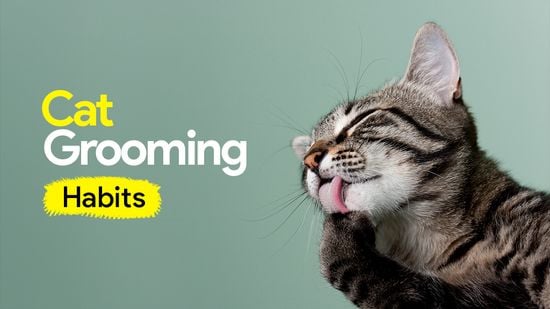
How often do you have to groom your cat? If you’ve ever wondered about the right grooming schedule for your furry friend, you’re not alone.
Grooming isn’t just about keeping your cat looking good—it’s key to their health and happiness. But how often should you do it? Too little, and your cat might struggle with mats or skin problems. Too much, and it could stress them out.
You’ll discover exactly what your cat needs, how to spot the signs they need grooming, and simple tips to make the process easy for both of you. Keep reading to become the best groomer your cat has ever had.
Credit: www.latimes.com
Cat Grooming Basics
Grooming your cat is more than just keeping them looking good. It plays a key role in their overall health and happiness. Understanding the basics of cat grooming helps you decide how often your furry friend needs attention and what kind of care suits their unique coat.
Why Grooming Matters
Regular grooming helps prevent mats and tangles, which can be painful for your cat. It also reduces shedding and the amount of hair around your home. Grooming gives you a chance to check for signs of skin problems, fleas, or lumps that might need a vet’s attention.
I once overlooked grooming my long-haired cat for a few weeks, and she developed painful mats that required a vet visit. That experience taught me how important it is to stay consistent. How often do you check your cat’s coat for issues?
Types Of Cat Fur
Not all cat fur is the same. Cats have different fur types that affect how often they need grooming:
- Short-haired cats:Usually need brushing once a week to remove loose hair and keep their coat shiny.
- Medium-haired cats:Benefit from brushing two to three times a week to prevent tangles and mats.
- Long-haired cats:Require daily grooming to avoid mats and keep their fur healthy.
Knowing your cat’s fur type helps you set a grooming routine that fits their needs. What kind of coat does your cat have, and how often do you brush them?

Credit: www.purina.com
Daily Grooming Tips
Daily grooming is key to keeping your cat healthy and comfortable. Spending just a few minutes each day can prevent mats, reduce shedding, and help you catch any health problems early. It also strengthens the bond between you and your feline friend.
Brushing Techniques
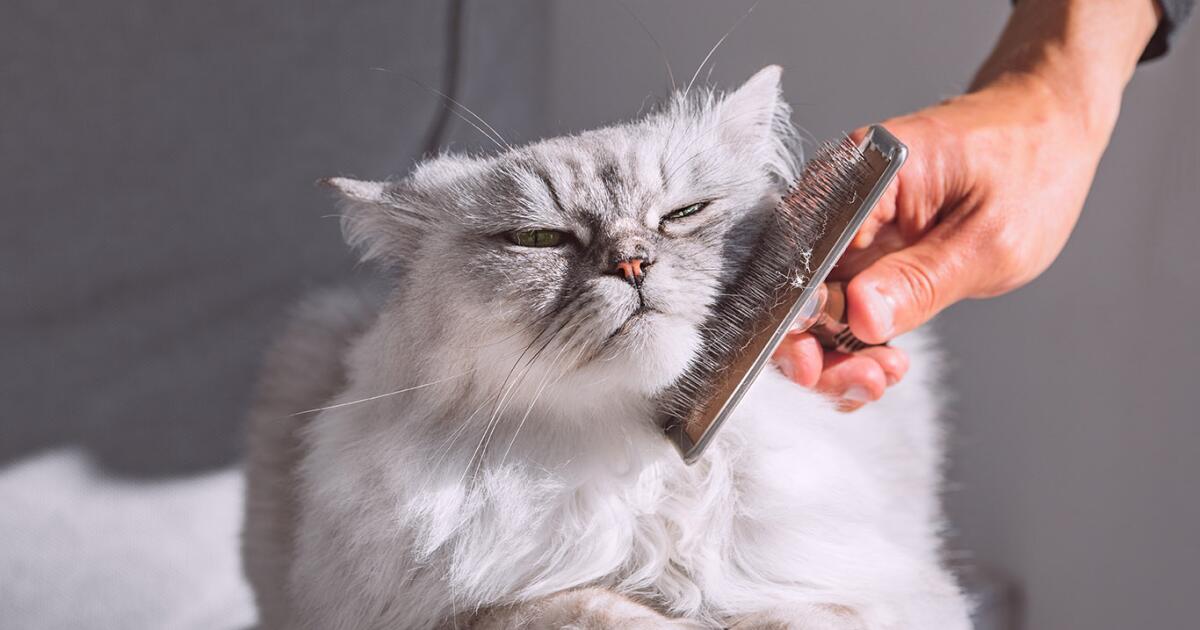
Choose a brush that suits your cat’s fur type—soft-bristle brushes work well for short-haired cats, while slicker brushes help with long fur.
Start brushing gently along the direction of hair growth. Avoid pulling or tugging, as this can hurt your cat and make grooming a struggle next time.
Focus on areas where mats usually form, like behind the ears and under the legs. Pay attention to your cat’s reactions to find out which strokes they enjoy the most.
Checking For Health Issues
Use grooming time to check your cat’s skin for redness, bumps, or wounds. These signs can indicate allergies, infections, or parasites.
Look closely at your cat’s ears for wax buildup or unpleasant odors, which could mean an ear infection. Also, inspect their eyes to catch any redness or discharge early.
Don’t forget to run your fingers along your cat’s body to feel for lumps or unusual bumps. Finding these early can make a big difference in treatment success.
Weekly Grooming Routine
Keeping a consistent weekly grooming routine helps maintain your cat’s health and comfort. Regular grooming prevents mats, reduces shedding, and keeps skin healthy. It also strengthens your bond with your cat. Setting aside a specific time each week makes grooming a smooth habit.
Bathing Guidelines
Bathing your cat is not often needed but can be part of the weekly routine for some cats. Use warm water and a cat-safe shampoo. Avoid getting water in their ears and eyes. Gently massage the shampoo into the fur and rinse thoroughly.
After the bath, dry your cat with a soft towel. Keep your cat calm and speak softly during the bath. Some cats may dislike water, so be patient and gentle.
Nail Trimming Tips
Trim your cat’s nails weekly to prevent overgrowth and injury. Use sharp, small pet nail clippers. Hold your cat’s paw gently but firmly. Identify the pink part inside the nail called the quick; avoid cutting it.
Cut only the clear tip of each nail. If your cat resists, pause and try again later. Reward your cat with treats or affection after trimming. This helps create a positive experience.
Monthly Grooming Tasks
Regular cat grooming keeps your pet healthy and happy. Brush your cat weekly to reduce shedding. Trim claws every few weeks to prevent overgrowth.
Maintaining a regular grooming routine for your cat is essential for their health and happiness. While daily and weekly tasks are important, there are also specific monthly grooming tasks that shouldn’t be overlooked. These tasks ensure your cat stays clean, comfortable, and healthy. Let’s dive into some key monthly grooming responsibilities.Ear Cleaning
Cat ears can accumulate wax and debris over time, which can lead to infections if not cleaned regularly. Examine your cat’s ears once a month for any signs of dirt or unusual discharge. Gently clean the outer ear with a damp cotton ball or cloth. Avoid inserting anything into the ear canal to prevent injury. If you notice a strong odor or excessive wax, it might be time for a vet visit.Dental Care
Dental hygiene is often overlooked in cats, yet it is crucial for their overall health. Monthly dental care can help prevent plaque buildup and gum disease. Use a cat-friendly toothbrush and toothpaste to gently brush your cat’s teeth. If your cat resists, try dental treats or toys designed to reduce plaque. Regular dental check-ups with your vet can also ensure your cat’s teeth remain in tip-top shape. How often do you pay attention to your cat’s dental health? It could make a huge difference in their comfort and lifespan.Grooming Frequency By Cat Type
Grooming needs vary greatly based on the type of cat you have. Each breed or coat style requires specific care to keep them healthy and comfortable. Understanding how often to groom your cat helps maintain their coat and skin condition.
Short-haired Cats
Short-haired cats have sleek coats that need less frequent grooming. Brushing once a week removes loose hair and reduces shedding. This also helps prevent hairballs. Regular grooming keeps their coat shiny and healthy.
Long-haired Cats
Long-haired cats need daily grooming to avoid mats and tangles. Their thick fur can trap dirt and debris easily. Brushing every day keeps their coat soft and clean. Long-haired cats can develop painful knots without regular care.
Hairless Breeds
Hairless cats need special grooming despite having little to no fur. Their skin tends to get oily and dirty quickly. Wiping them down with a damp cloth every few days helps keep their skin clean. Bathing may be necessary about once a month to prevent buildup.
Signs Your Cat Needs Extra Grooming
Knowing when your cat needs extra grooming helps keep them healthy. Cats are good at cleaning themselves but sometimes need a little help. Watch for signs that show your cat struggles with grooming.
These signs mean your cat might need brushing or special care more often.
Matted Fur
Matted fur looks like clumps of hair stuck together. It feels tight and hard on your cat’s skin. Mats can cause pain and skin problems if not removed. Long-haired cats get mats more often. Regular brushing stops mats from forming.
Excessive Shedding
Shedding is normal but too much means your cat needs grooming help. Loose hair can cover furniture and floors quickly. Excess shedding can happen during seasonal changes or stress. Brushing removes dead hair and keeps your home cleaner.
Skin Problems
Redness, bumps, or flakes on your cat’s skin show grooming issues. Cats with skin problems may scratch or lick a lot. This can cause sores or infections. Grooming helps spot skin problems early. It keeps your cat’s coat healthy and smooth.
Tools For Effective Grooming
Grooming your cat effectively depends a lot on having the right tools. The right equipment makes the process easier, safer, and more enjoyable for both you and your feline friend. Choosing tools that fit your cat’s coat type and personality can turn grooming from a chore into a bonding experience.
Brush Types
Different cats need different brushes. A slicker brush works well for long-haired cats, helping to remove tangles and loose fur without hurting their skin. For short-haired cats, a bristle brush can gently lift dirt and spread natural oils for a shiny coat.
Have you noticed how your cat reacts to brushing? Soft rubber brushes often calm nervous cats and can double as a gentle massage tool. Pinpointing your cat’s favorite type of brush can make grooming sessions smoother and less stressful.
Clippers And Trimmers
Sometimes brushing isn’t enough, especially if your cat has thick mats or needs a trim. Clippers designed specifically for pets are quieter and safer than human clippers, reducing the risk of accidents. Look for ones with adjustable blades to handle different fur lengths.
Using clippers might seem intimidating, but starting with short sessions can help your cat get used to the noise and sensation. Have you ever tried trimming your cat’s fur? It can prevent painful mats and keep your cat cooler in warmer months.

Credit: www.reddit.com
Making Grooming A Positive Experience
Grooming your cat should be a calm and happy time. Cats feel relaxed when grooming feels safe and fun. This helps them enjoy the process and stay healthy.
Building good grooming habits takes patience. Use gentle actions and soft words to keep your cat comfortable. Small steps work best to make grooming a positive routine.
Calming Techniques
Start grooming in a quiet room without loud noises. Soft lighting helps your cat feel at ease. Speak in a calm voice to reduce stress.
Try gentle strokes with your fingers before using brushes. Let your cat sniff the brush to get used to it. Pause often to check your cat’s mood.
Use slow, smooth movements when brushing. Avoid pulling on mats or tangles sharply. Stop if your cat shows signs of fear or anger.
Reward Systems
Give treats after each grooming session. Small, tasty snacks make cats happy and eager. Praise your cat with kind words and petting.
Use playtime as a reward to create positive memories. Toys and games help your cat relax after grooming. Consistent rewards build trust and cooperation.
Keep sessions short at first, then increase time gradually. This helps your cat learn that grooming is good. Celebrate small successes to encourage future visits.
Frequently Asked Questions
How Often Should You Groom A Short-haired Cat?
Short-haired cats need grooming once a week. Regular brushing removes loose fur and reduces shedding. It also helps distribute natural oils for a healthy coat and skin.
How Frequently Do Long-haired Cats Require Grooming?
Long-haired cats require grooming at least 3 to 4 times a week. Frequent brushing prevents matting and tangles. It also keeps their fur clean and healthy.
Can Grooming Frequency Affect Cat Health?
Yes, grooming frequency impacts cat health. Regular grooming prevents hairballs, skin issues, and matting. It also helps detect parasites or abnormalities early.
What Factors Influence Cat Grooming Frequency?
Cat grooming frequency depends on fur length, breed, activity level, and health. Older or outdoor cats may need more frequent grooming. Adjust based on your cat’s specific needs.
Conclusion
Grooming your cat keeps its coat clean and healthy. Short-haired cats need grooming once a week. Long-haired cats require brushing every day or two. Older cats or those with health issues may need extra care. Regular grooming also helps spot skin problems early.
Make grooming a calm, pleasant time for your cat. This habit strengthens your bond and keeps your pet happy. Remember, a well-groomed cat feels good and looks great. Keep your grooming routine simple and consistent for best results.



Leave a Reply