Have you ever stopped to think about how the toys you played with as a child shaped your ideas of beauty? From dolls with flawless skin to action figures with perfect bodies, toys often send powerful messages about what is considered attractive.
These messages can influence how you see yourself and others, even without you realizing it. You’ll discover the hidden ways toys promote certain beauty standards—and why understanding this matters for you and those around you. Keep reading, because what you learn might just change the way you look at playtime forever.
Toys And Beauty Norms
Toys often mirror the beauty ideals of their times. They shape how children see appearance and self-worth. These toys send messages about what is attractive or normal. Understanding this helps us see how society’s beauty standards evolve and spread.
Historical Trends In Toy Design
Toy designs have changed with fashion and culture. Early dolls were simple, with basic shapes and features. Over time, toys began to reflect adult beauty trends more closely. The 1950s favored curvy figures and glamorous styles. Later decades introduced slimmer, taller dolls with detailed makeup. These shifts show the changing ideals of beauty in society.
Many toys also showed gender roles through their looks. Girls’ toys often emphasized beauty and care. Boys’ toys focused on strength and action. This division reinforced specific ideas about appearance and behavior.
Iconic Dolls And Their Features
Some dolls became symbols of beauty standards worldwide. Barbie, launched in 1959, had a slim waist, long legs, and perfect hair. She represented an idealized female form that many girls wanted to emulate. Over the years, Barbie’s look changed slightly but stayed close to traditional beauty norms.
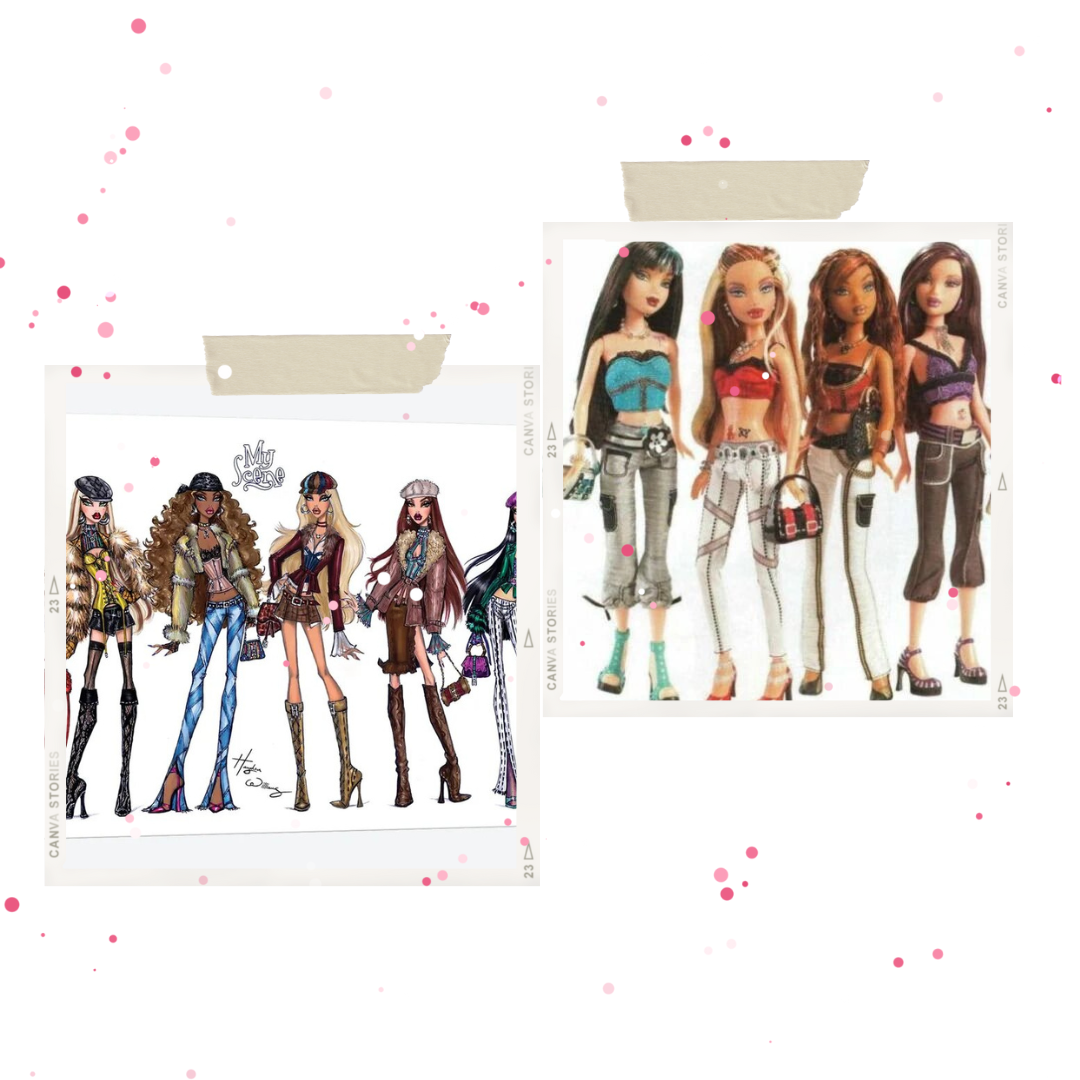
Other dolls like Bratz showed a more modern, edgy style with heavy makeup and trendy clothes. These dolls promoted a different kind of beauty, often linked to youth culture. Meanwhile, dolls from different cultures sometimes highlighted unique features but still followed common beauty ideals like clear skin and symmetrical faces.
- Barbie: slim body, blonde hair, fashionable outfits
- Bratz: bold makeup, trendy clothing, urban style
- American Girl: more natural looks, diverse ethnicities
Each doll type reflects a part of the beauty conversation in society. Toys both shape and follow what people see as beautiful.

Credit: www.amazon.com
Cultural Impact On Toy Aesthetics
Toys reflect the culture they come from. Their looks show what people find beautiful or desirable in a region. These ideas shape toy design and appearance. Toys often follow local customs, traditions, and beauty ideals. This makes toys more relatable and appealing to children in that area.
Beauty standards vary across the world. Toy makers change their products to match these differences. This creates a wide range of toy styles and features. The cultural impact on toy aesthetics is clear in many ways.
Regional Differences In Toy Appearance
Toys differ in shape, color, and style depending on the region. For example, dolls in Asia often have lighter skin and straight black hair. In contrast, dolls in Western countries may have a variety of hair colors and skin tones. These differences show local beauty preferences.
Clothing on toys also follows regional trends. Some dolls wear traditional outfits, while others dress in modern styles. This helps children connect with their cultural heritage. Toys can also show regional symbols and patterns, making them unique.
Media Influence On Toy Beauty
Television, movies, and social media shape how toys look. Popular characters often set beauty trends. Toy companies copy these features to attract buyers. For instance, dolls may have big eyes or slim bodies like famous cartoon characters.
Media also spreads global beauty ideals. This can lead to similar toy appearances worldwide. Children may see the same beauty standards in different countries. This influence makes toy designs more uniform but still linked to media trends.
Body Image Messages In Toys
Toys play a big role in shaping how children see their bodies. They send strong messages about what is normal or beautiful. These messages affect children’s self-esteem and how they feel about themselves. Understanding these messages helps us see how toys influence body image ideas early on.
Portrayal Of Body Shapes And Sizes
Many toys show only one kind of body shape. Thin and tall dolls are common examples. These shapes often do not match real human bodies. This can make children think they must look a certain way to be accepted or liked. Some newer toys try to include different sizes and shapes. This helps children feel better about their own bodies. It also teaches acceptance of diversity in body types.
Skin Tone Representation
Skin color in toys matters a lot. Toys that show only light skin tones limit how children see beauty. Children with darker skin may feel left out or less important. More brands now include a variety of skin tones. This helps kids see themselves reflected in their toys. It also promotes respect for different cultures and backgrounds.
Gender Stereotypes In Toys
Toys often reflect society’s gender stereotypes, shaping young minds. From a young age, children learn roles through play. These roles often mirror societal expectations. Toys designed for specific genders can reinforce stereotypes. This impacts how children perceive themselves and others. The choice of toys is not just about play. It’s a lesson in identity and societal roles. Understanding these stereotypes helps in promoting inclusive play.
Color Choices And Their Meanings
Color plays a key role in toy marketing. Pink toys are usually aimed at girls. Blue and red are commonly for boys. These color choices suggest specific gender roles. Pink often symbolizes femininity and softness. Blue is linked to strength and boldness. These associations teach children what is ‘appropriate’ for their gender. This can limit how they express themselves. Breaking these color norms can promote more inclusive play.
Role Models And Career Themes
Toys often depict specific career paths for each gender. Dolls are usually dressed as teachers or nurses. Action figures are often portrayed as soldiers or doctors. This sets early expectations about career possibilities. Boys see more adventurous and leadership roles in toys. Girls often see nurturing and caregiving roles. Such stereotypes can limit children’s imagination. Offering diverse role models in toys can broaden their horizons. It shows them that any career is possible.
Psychological Effects On Children
Toys play a big role in shaping how children see themselves and others. They often reflect society’s beauty standards. These standards affect children’s thoughts and feelings deeply. Understanding this impact helps us see how toys influence young minds.
Self-esteem And Identity Formation
Toys that show narrow beauty ideals can affect children’s self-esteem. Kids compare themselves to the dolls or action figures they play with. If the toys look very similar and fit one beauty type, children may feel less confident. This can lead to doubts about their own worth.
Children start to build their identity based on what they see. Toys that only promote one kind of beauty limit this process. Kids might think they must look a certain way to be accepted. This can hurt their sense of uniqueness and pride.
Peer Influence And Social Expectations
Children often share toys with friends and talk about them. Toys linked to beauty standards create social rules among peers. Kids may feel pressure to have the “right” toys to fit in. This can cause stress and anxiety.
Peers also reinforce these ideas during playtime. They may praise toys that match popular beauty ideals. Others might tease those who play with different or diverse toys. This shapes how children view beauty and social acceptance.
Industry Responses And Changes
The toy industry has faced growing pressure to rethink how beauty standards are represented in their products. This shift reflects a deeper understanding that toys influence children’s perceptions of themselves and others. Companies are responding by making tangible changes that promote inclusivity and challenge outdated ideals.
Inclusive Toy Lines
Toy makers now offer lines that celebrate different skin tones, body types, and abilities. Dolls with diverse hair textures, heights, and even mobility aids help kids see themselves reflected in play. When I bought a doll with hearing aids for my niece, she lit up seeing a toy that felt like her.
Brands like Mattel and Hasbro have launched collections featuring a variety of ethnicities and physical traits. This approach encourages kids to appreciate diversity naturally while playing. You might wonder how much these changes impact real attitudes—seeing is believing, and these toys open minds from an early age.
Marketing Shifts Toward Diversity
Advertisements and packaging have also evolved to showcase a broader spectrum of beauty. Campaigns now highlight children of all backgrounds enjoying toys without fitting a narrow ideal. This shift helps parents and kids feel included and valued.
Social media plays a role by amplifying voices demanding representation. Brands respond by featuring real stories and everyday heroes, not just perfect images. Next time you shop, take note of the faces on the box—are they diverse enough to inspire your child?
Future Directions In Toy Design
The future of toy design is shifting towards inclusivity and real-life diversity. Toy makers aim to reflect all body types, skin tones, and abilities. This shift helps children build healthy self-images and respect others’ differences.
New designs focus on promoting body positivity and challenging old beauty norms. Toy creators also team up with groups that fight for better representation. These efforts bring fresh ideas and genuine voices into the toy industry.
Innovations Promoting Body Positivity
Toys now feature diverse body shapes and sizes to reflect real people. Dolls with stretch marks, different heights, and varied proportions are becoming common. These designs encourage kids to appreciate their unique bodies.
Some toys include interchangeable parts to mix and match different features. This lets children explore beauty beyond standard ideals. The goal is to normalize all appearances and boost confidence from a young age.
Collaborations With Advocacy Groups
Toy companies work closely with advocacy groups to create respectful representations. These partnerships ensure toys avoid stereotypes and promote equality. Experts guide designers to include cultural, racial, and physical diversity.
Such collaborations increase awareness and improve toy quality. Advocacy groups help spot harmful messages and suggest better alternatives. This teamwork leads to toys that inspire kindness and acceptance in children.

Credit: www.amazon.com

Credit: musingsofmj.medium.com
Frequently Asked Questions
How Do Toys Reflect Beauty Standards?
Toys often mirror societal beauty ideals through design and marketing. They promote specific body shapes, skin tones, and facial features. This influences children’s perceptions of attractiveness and self-worth from an early age.
Can Toys Influence Children’s Self-image?
Yes, toys shape children’s self-image by reinforcing certain beauty ideals. Playing with diverse or stereotypical dolls affects how kids view themselves and others. Positive representation promotes confidence and acceptance.
Why Is Diversity Important In Toy Design?
Diverse toys challenge narrow beauty standards and promote inclusion. They help children appreciate different cultures, body types, and appearances. This fosters empathy and reduces biases from a young age.
How Do Toy Companies Address Beauty Stereotypes?
Many companies now create dolls with varied body shapes, skin colors, and abilities. They aim to break harmful stereotypes and encourage realistic beauty. This shift reflects growing consumer demand for inclusivity.
Conclusion
Toys shape how children see beauty and themselves. They often show one kind of look as best. This can make kids feel pressure to fit in. Changing toy designs can help all kids feel good. Diverse dolls and figures teach acceptance and kindness.
Parents and makers have power to choose better toys. Small changes can create big impacts in young minds. Let’s help kids enjoy play without limits or stress. Toys should celebrate all shapes, sizes, and colors. This helps build confidence and respect from early on.



Leave a Reply