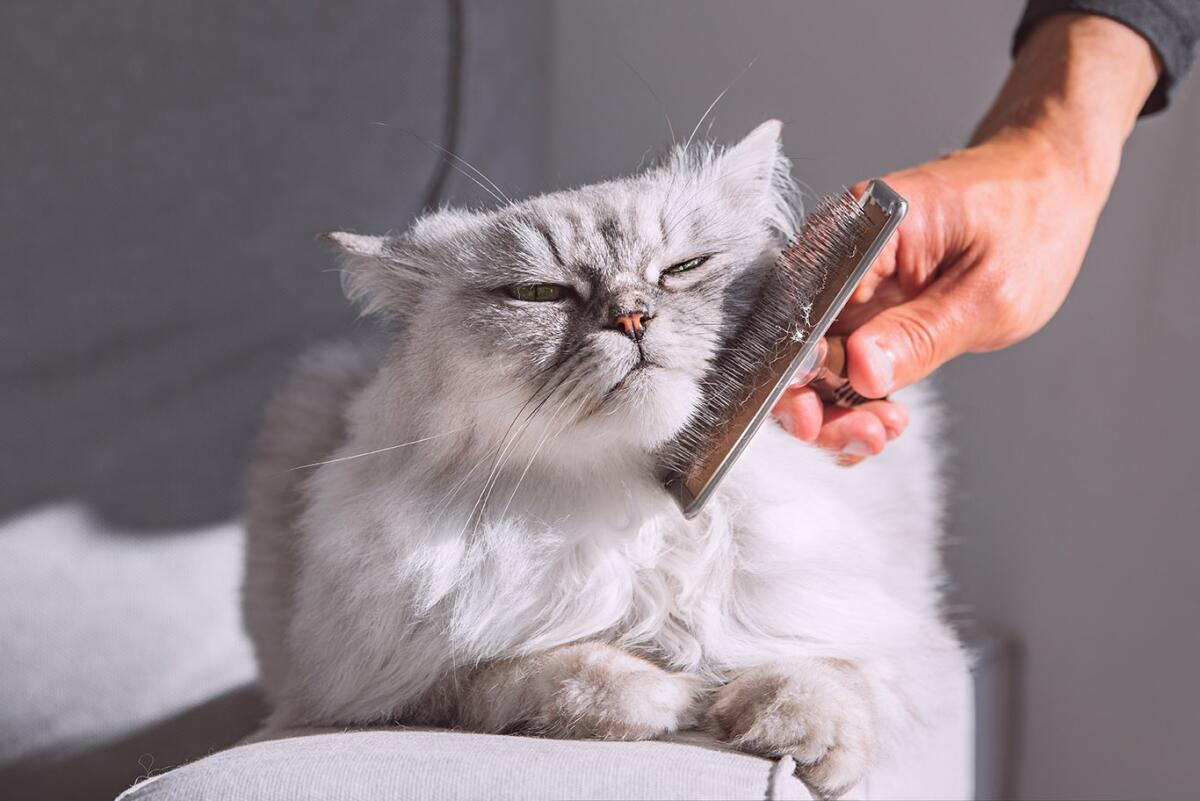
Wondering how much grooming your short-haired cat really needs? You might think short hair means less work, but there’s more to it than just a quick brush.
Taking care of your cat’s coat not only keeps them looking great but also helps prevent health issues you might not expect. You’ll discover easy tips and surprising facts that make grooming simple and effective. Keep reading to find out exactly how much time and effort your furry friend’s short hair requires—and how you can make grooming a stress-free part of your routine.
Grooming Frequency For Short Hair Cats
Short hair cats need regular grooming to stay healthy and clean. Their coats are easier to manage than long hair cats. Still, brushing helps remove loose fur and reduces shedding. It also keeps the skin healthy by spreading natural oils. Knowing how often to groom is important for your cat’s comfort and health.
Daily Vs Weekly Brushing
Daily brushing is ideal for cats that shed a lot or have sensitive skin. It helps catch loose hair before it falls around the house. Short hair cats with less shedding may only need brushing once a week. Weekly brushing keeps their coat shiny and removes dirt or dead skin. Use a soft brush to avoid hurting your cat’s skin.
Seasonal Grooming Changes
Season changes affect how much your cat sheds. In spring and fall, cats lose more fur to adjust to the weather. Increase grooming during these times to manage extra shedding. Brushing more often helps prevent hairballs and keeps your home cleaner. In winter and summer, reduce brushing to the normal schedule unless your cat needs more care.
Credit: catit.ca
Tools For Short Hair Cat Grooming
Choosing the right tools for grooming your short-haired cat can make a huge difference in how much time you spend and how comfortable your cat feels. Unlike long-haired cats, short-haired breeds need less intensive grooming, but the proper brushes and accessories can keep their coats shiny and healthy. Let’s look at what tools you should have on hand to make grooming quick and effective.
Best Brushes And Combs
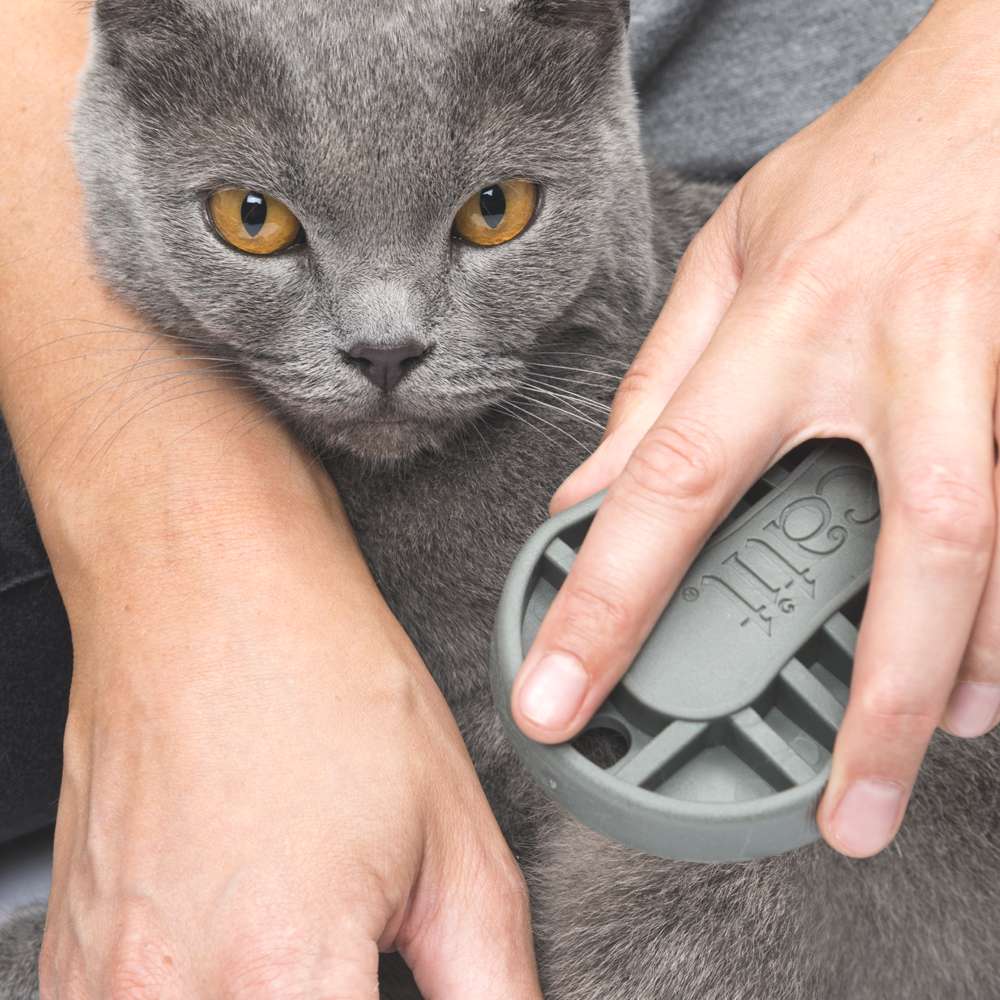
For short-haired cats, a slicker brush or a rubber grooming mitt often works best. These tools gently remove loose hair and stimulate the skin without pulling or causing discomfort. I’ve found that using a rubber grooming mitt during my cat’s shedding season reduces hair around the house dramatically.
A fine-toothed comb can help remove dander and check for fleas or skin issues. It’s especially useful around sensitive areas like behind the ears and under the chin. Would you believe a simple comb can also help you spot changes in your cat’s skin early, preventing bigger problems?
- Slicker brush:Great for removing loose fur and preventing mats.
- Rubber grooming mitt:Perfect for massaging and collecting hair gently.
- Fine-toothed comb:Ideal for detailed grooming and skin checks.
Additional Grooming Supplies
Beyond brushes and combs, a few extra supplies can make grooming easier and more pleasant. Keep pet-friendly wipes nearby for quick cleanups, especially if your cat is prone to getting into messes. These wipes can freshen up the coat without a full bath.
Trimming your cat’s nails regularly is also part of grooming. A quality pair of pet nail clippers and a nail file will keep your cat comfortable and prevent scratches. Have you noticed how relaxed your cat becomes after a gentle nail trim?
- Pet-friendly grooming wipes:For quick cleanups and freshening fur.
- Pet nail clippers:To keep nails short and avoid damage.
- Nail file:Smooths edges after clipping for extra comfort.
Bathing Short Hair Cats
Bathing a short hair cat might seem unnecessary to some, but it can be a helpful part of grooming under certain circumstances. Unlike long-haired cats, short hair breeds usually require fewer baths because their fur doesn’t trap dirt as easily. However, knowing when and how to bathe your cat safely is essential to keep them clean and comfortable without causing stress.
When To Bathe
Short hair cats generally clean themselves well, so frequent baths are rarely needed. You should consider bathing your cat if they get into something sticky, dirty, or smelly that they can’t clean off themselves. Another reason might be skin conditions or allergies that require medicated baths prescribed by your vet.
Think about your cat’s lifestyle—indoor cats rarely need baths, but outdoor explorers might benefit more from occasional washing. If you notice excessive dirt, grease, or dandruff on their coat, a bath might help improve their skin health.
Safe Bathing Techniques
Bathing a cat can be a challenge, but using calm and gentle methods makes the process easier for both of you. Start by preparing all your supplies—cat-friendly shampoo, a cup for rinsing, a towel, and a non-slip mat for the sink or tub.
- Use lukewarm water, not too hot or cold, to avoid shocking your cat.
- Wet your cat slowly, starting from the neck down to avoid water in their ears and eyes.
- Apply shampoo gently, massaging it into the fur without scrubbing harshly.
- Rinse thoroughly to remove all soap, which can irritate the skin if left behind.
- Wrap your cat in a towel immediately to keep them warm and dry off excess water.
Have you noticed how your cat reacts to water? Moving slowly and speaking softly can help keep your cat calm. Remember, patience is key—your cat will remember your care and might even tolerate baths better next time.
Credit: vogdog.com
Managing Shedding And Hairballs
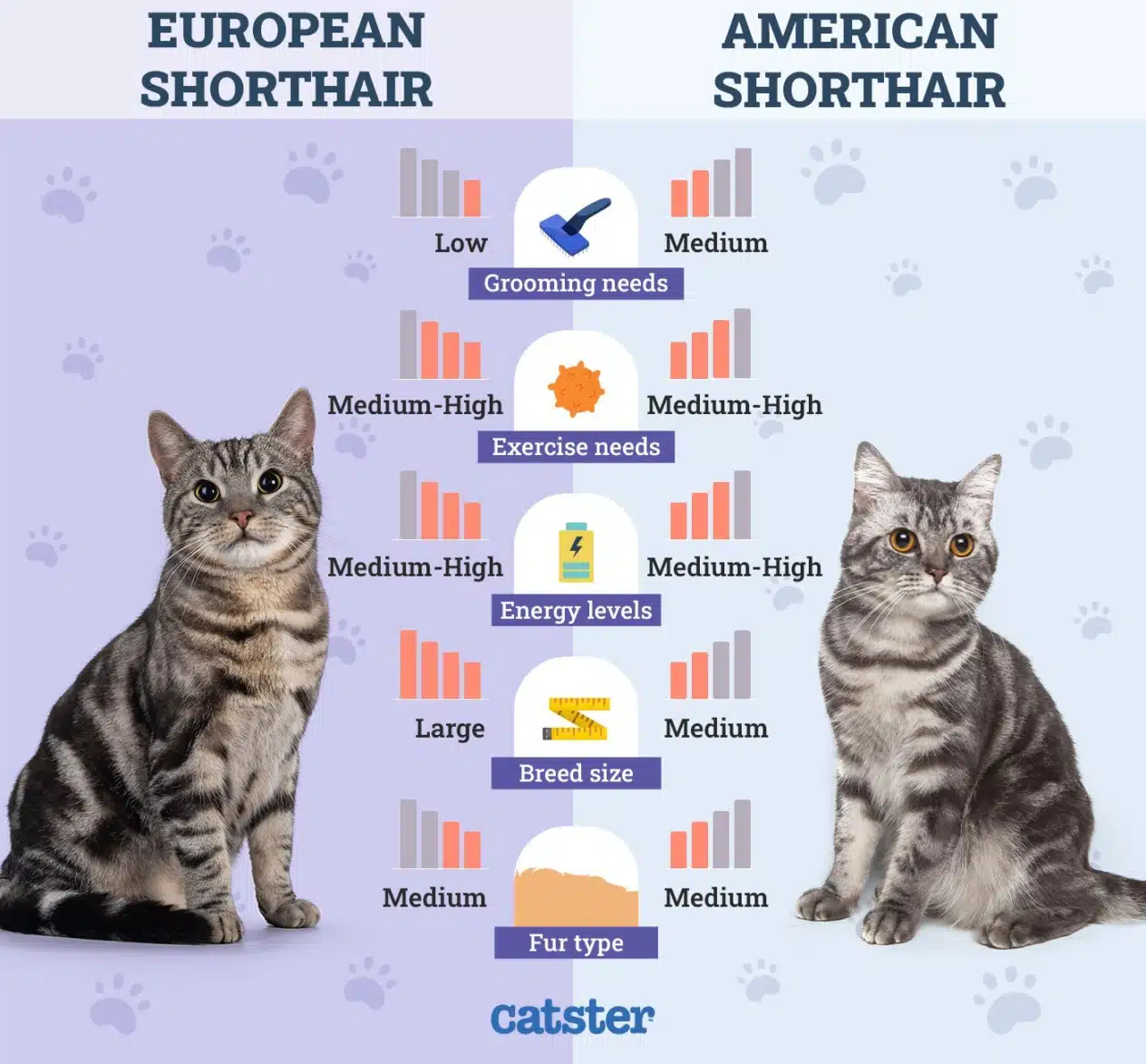
Short-haired cats need grooming about once a week to reduce shedding and hairballs. Regular brushing helps remove loose fur and keeps their coat healthy. Simple grooming routines prevent hairballs and keep your cat comfortable.
Managing shedding and hairballs in short hair cats is essential for their health. These issues can cause discomfort and cleanliness problems for both cats and owners. Regular grooming helps manage both shedding and hairballs effectively. Here’s how you can keep these issues under control.Reducing Shedding
Regular brushing is key to reducing shedding. It removes loose hairs before they fall off naturally. Use a soft-bristled brush for short hair cats. Brush your cat at least once a week. This routine keeps shedding minimal and your home cleaner. A healthy diet also plays a role in controlling shedding. Provide high-quality cat food rich in omega-3 fatty acids. These nutrients improve skin and coat health. Hydration is important too. Ensure your cat has constant access to fresh water. This supports healthy skin and reduces shedding.Preventing Hairballs
Hairballs can cause discomfort and health issues. Regular grooming helps minimize hairball formation. Brushing your cat frequently reduces the amount of hair they ingest. This simple routine helps prevent hairballs from forming. Special hairball formula cat foods are available. These foods aid digestion and help break down hairballs. They are a practical option to include in your cat’s diet. Consistent hydration is crucial. Water aids digestion and helps pass hair naturally. Incorporate playtime to keep your cat active. Physical activity helps with digestion. It also reduces the likelihood of hairball problems.Skin And Coat Health
Short-haired cats need regular care to keep their skin and coat healthy. Their fur is less dense, so skin problems can show up quickly. Healthy skin means less shedding and fewer irritations. Grooming helps remove dirt and dead hair, supporting a shiny coat.
Nutrition Impact
Good food plays a big role in skin and fur health. Proteins help build strong hair. Fatty acids, like omega-3 and omega-6, keep skin soft and reduce dryness. Vitamins A and E support skin healing and coat shine. Make sure your cat eats a balanced diet with these nutrients.
Detecting Skin Issues Early
Check your cat’s skin often during grooming. Look for redness, bumps, or dry patches. Watch for excessive scratching or licking. These signs may mean allergies or infections. Early detection helps treat problems before they get worse. Use gentle strokes to spot changes under the fur.
Nail Trimming And Ear Care
Nail trimming and ear care are key parts of grooming a short-haired cat. These tasks keep your cat healthy and comfortable. Regular attention prevents infections and injuries. Cats with short hair still need these basic care routines. Nail trimming stops claws from growing too long. Ear cleaning removes dirt and wax buildup.
Trimming Tips
- Use sharp, small nail clippers made for cats.
- Hold your cat’s paw gently but firmly.
- Trim only the sharp tip of the nail.
- Avoid cutting the pink part called the quick.
- Trim nails every two to three weeks.
- Reward your cat with treats after trimming.
- Stay calm and patient during the process.
Cleaning Ears Safely
- Check ears weekly for dirt and wax.
- Use a soft cloth or cotton ball dampened with ear cleaner.
- Wipe the outer ear gently; do not insert anything deep.
- Choose a vet-approved ear cleaning solution.
- Watch for redness, bad smell, or swelling.
- Stop cleaning and consult a vet if you see signs of infection.
Behavioral Tips For Grooming
Grooming a short-haired cat is more than just brushing fur. It involves understanding your cat’s behavior and making the process calm and safe. Behavioral tips help reduce stress for both you and your cat. Patience and gentle handling build trust over time.
Making Grooming Stress-free
Choose a quiet, comfortable spot for grooming sessions. Use soft lighting to keep your cat relaxed. Start with short sessions to avoid overwhelming your pet. Watch your cat’s body language for signs of stress. Pause or stop if your cat shows discomfort. Speak softly and move slowly to keep your cat calm.
Positive Reinforcement Techniques
Reward your cat with treats after grooming. Use gentle praise and petting to create a positive experience. Offer rewards immediately to connect good behavior with grooming. Create a routine by grooming at the same time daily. This helps your cat know what to expect. Avoid punishment as it increases fear and resistance.

Credit: www.latimes.com
Frequently Asked Questions
How Often Should I Groom A Short Hair Cat?
Groom a short hair cat once a week to remove loose fur and reduce shedding. Regular grooming keeps their coat healthy and shiny. It also helps prevent hairballs and skin issues. Short-haired cats need less grooming than long-haired breeds but still benefit from weekly brushing.
What Tools Are Best For Grooming Short Hair Cats?
Use a soft-bristle brush or rubber grooming mitt for short hair cats. These tools gently remove loose fur and dirt without irritating the skin. Avoid harsh brushes that can cause discomfort. A fine-toothed comb helps with any tangles or debris.
Choose tools designed specifically for cats.
Can Grooming Reduce Shedding In Short Hair Cats?
Yes, regular grooming reduces shedding in short hair cats by removing loose fur. Brushing once a week helps control hair around your home. It also improves air circulation on the skin, promoting a healthy coat. Shedding naturally varies by season and individual cat health.
Is Bathing Necessary For Short Hair Cats?
Bathing short hair cats is rarely necessary unless they get dirty or have skin conditions. Most cats groom themselves effectively. Use cat-safe shampoo and warm water when bathing. Overbathing can dry out their skin and coat. Consult a vet if bathing is required frequently.
Conclusion
Short-haired cats need regular grooming, but less than long-haired cats. Brushing them once or twice a week keeps their coat healthy. Bathing is rarely needed unless they get very dirty. Nail trimming and ear cleaning are important parts of care.
Simple grooming routines save time and keep your cat happy. A little effort each week helps avoid skin problems. Remember, grooming also builds a strong bond with your pet. Easy care means a healthy, comfortable short-haired cat.




Leave a Reply