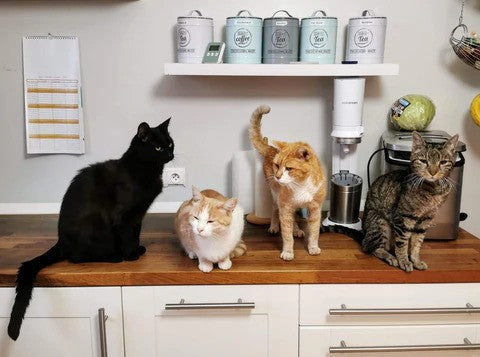
If you have more than one cat, you might wonder, can cats share the same litter box? It’s a question that many cat owners ask because it affects your cats’ comfort and your home’s cleanliness.
You want to make sure your furry friends feel happy and stress-free while keeping things simple for yourself. You’ll discover what experts say about sharing litter boxes, the benefits and risks, and practical tips to keep your cats content. Keep reading to find out how to create the best litter box setup for your cats—and avoid common mistakes that could lead to problems.
Cat Behavior And Litter Box Use
Understanding cat behavior is key to managing litter box use. Cats have unique habits that affect how they share space. Their instincts shape how they use the litter box. These behaviors influence whether cats can comfortably share the same box.
Territorial Nature Of Cats
Cats often see litter boxes as part of their territory. They prefer a space that feels safe and private. Sharing can cause stress if one cat feels its space is invaded. Some cats are more territorial than others. This can lead to avoidance or marking outside the box.
Litter Box Preferences
Each cat has its own litter box likes and dislikes. Texture, size, and cleanliness matter a lot. Some cats want covered boxes; others want open ones. The type of litter can also affect their comfort. Meeting these preferences helps reduce conflicts over sharing.
Signs Of Litter Box Issues
Watch for signs that cats dislike their litter box setup. Avoiding the box, urinating outside, or excessive scratching are common signals. Changes in behavior can indicate stress or health problems. Early detection helps keep cats happy and healthy.

Credit: www.gntos.org
Benefits Of Sharing A Litter Box
Sharing a litter box can bring several benefits for both cats and their owners. It helps manage space, save money, and keep cleaning simple. Many cat owners find these advantages useful, especially in smaller homes or apartments.
Space Saving Advantages
Using one litter box for multiple cats saves a lot of room. It reduces clutter in your living area. This is helpful in small homes where space is limited. Cats can still feel comfortable with a clean, well-maintained box.
Cost Effectiveness
Sharing a litter box cuts down on the amount of litter you buy. You spend less on extra boxes and liners. This reduces household costs over time. Quality litter can be used more efficiently with fewer boxes.
Simplified Cleaning Routine
Cleaning one litter box is easier than managing several. You spend less time scooping and changing litter. This helps keep your routine simple and quick. A single box needs regular care to stay fresh for all cats.
Challenges Of Sharing A Litter Box
Sharing a litter box can pose challenges for cats. Cats are territorial creatures. They often prefer their own space. Using one litter box for multiple cats can lead to issues.
Potential For Conflicts
Cats may fight over litter box access. Dominant cats might block others from using it. This can lead to stress and tension between them. Cats need their own space to feel safe.
Hygiene Concerns
More cats in one box means more waste. This can quickly make the box dirty. A dirty litter box can lead to hygiene problems. It might also cause health issues for your cats.
Stress And Avoidance Behavior
Cats might avoid using a crowded box. They might find it stressful. This can lead to accidents outside the box. Cats prefer a clean, stress-free environment.
Choosing The Right Litter Box
Choosing the right litter box is key to keeping cats happy and your home clean. The right box fits your cats’ needs and encourages good bathroom habits. Size, design, and location all play important roles. Consider these points carefully to make the best choice.
Size And Design Considerations
A litter box must be large enough for cats to move freely. Small boxes cause discomfort and accidents. Choose boxes with high sides to reduce litter scatter. Covered boxes offer privacy but some cats dislike them. Open boxes are easier to clean and monitor. Material matters too; smooth plastic is easy to wash and lasts long.
Number Of Boxes Needed
The rule of thumb is one box per cat, plus one extra. Sharing a single box can cause stress and conflicts. Multiple boxes reduce competition and keep cats calm. Place boxes in different rooms to give cats options. This setup helps prevent accidents and keeps your cats comfortable.
Placement Tips
Place litter boxes in quiet, low-traffic areas. Avoid noisy spots near appliances or loud rooms. Cats prefer some privacy but easy access. Keep boxes away from food and water dishes. Clean, dry, and ventilated spots work best. Proper placement encourages cats to use their boxes consistently.
Maintaining Harmony With Shared Litter Boxes
Sharing a litter box can be tricky for cats. It requires careful attention to keep peace among them. A clean, well-maintained box helps prevent conflicts. Cats appreciate a fresh and comfortable space for their needs. Observing their behavior reveals if sharing works or if changes are needed.
Cleaning Frequency And Techniques
Cleaning the litter box often is key. Scoop waste at least twice a day. Replace the litter fully once a week. Use mild, unscented cleaners to avoid irritating cats. Avoid strong chemicals that can repel cats. Regular cleaning keeps the box inviting and fresh.
Using Multiple Boxes Strategically
Place multiple boxes in different rooms. This reduces competition and stress. Provide one box per cat plus one extra. Choose quiet and private spots for each box. Spread boxes to avoid crowding in one area. Cats feel safer with options nearby.
Monitoring Cat Behavior
Watch how cats use the litter boxes. Look for signs of avoidance or aggression. Notice if one cat blocks others from using the box. Check for accidents outside the boxes. Early detection helps prevent bigger problems. Adjust the setup based on their behavior.

Credit: cathome.sg
When To Provide Separate Litter Boxes
Knowing when to provide separate litter boxes for your cats is crucial for maintaining a peaceful home and healthy pets. Sharing a litter box isn’t always a good idea, especially if your cats show signs of discomfort or health problems. Paying attention to their behavior and needs can save you from dealing with litter box issues and stress later on.
Signs Of Stress Or Aggression
Do your cats hiss, growl, or block each other from using the litter box? These are clear signs they feel threatened or stressed. Cats often avoid the box if another cat intimidates them, which can lead to accidents around the house.
If you notice one cat waiting outside or one cat suddenly stops using the box, it’s time to add another litter box. Your cats deserve their own safe space to do their business without fear.
Health Issues Impacting Litter Use
Sometimes, changes in litter box habits indicate health problems. A cat with a urinary tract infection might urinate outside the box due to pain. Older cats or those with arthritis may find it hard to climb into a shared box if it’s not easily accessible.
Separate litter boxes placed in different spots can help manage these issues and reduce accidents. Always watch for sudden changes in behavior and consult your vet to rule out medical concerns.
Adjusting For Multiple Cats
How many cats do you have? The general rule is one litter box per cat, plus one extra. This prevents competition and ensures there’s always a clean option available.
Place litter boxes in quiet, separate locations to give each cat privacy. You might find that some cats prefer covered boxes while others like open ones—giving them choices can improve their comfort and willingness to use the boxes.

Credit: catanddoghouse.com
Frequently Asked Questions
Can Cats Share One Litter Box Safely?
Yes, cats can share one litter box if they get along well. Ensure the box is large and cleaned frequently to avoid conflicts and maintain hygiene.
How Many Litter Boxes Do Multiple Cats Need?
A good rule is one litter box per cat plus one extra. This helps prevent territorial disputes and keeps all cats comfortable.
What Problems Arise From Sharing A Litter Box?
Sharing can cause stress, territorial fights, and litter box avoidance. Some cats may refuse to use a shared box if it isn’t clean or large enough.
How To Encourage Cats To Share A Litter Box?
Place a spacious, clean litter box in a quiet area. Regularly scoop waste and monitor cats’ behavior to ensure they use it comfortably.
Conclusion
Cats can share a litter box, but it depends on their personalities. Some cats accept sharing easily, while others prefer their own space. Keep the box clean to avoid smells and fights. Watch your cats closely for any signs of stress or problems.
Giving each cat their own box often works best. This helps keep your home peaceful and your cats happy. Sharing is possible, but careful care is the key.



Leave a Reply