If you have two cats at home, you might be wondering how many litter boxes you really need. It’s a simple question, but the answer can make a big difference for your cats’ happiness and your peace of mind.
Getting this right means fewer messes, less stress, and healthier cats. Keep reading to discover the best number of litter boxes for your feline friends—and why it matters more than you might think.

Credit: www.amazon.com
Ideal Litter Box Count
Choosing the right number of litter boxes for two cats helps keep your home clean. It also supports your cats’ comfort and health. The ideal litter box count prevents accidents and reduces stress for your pets.
General Rule For Multiple Cats
The common advice is to have one litter box per cat plus one extra. For two cats, this means three litter boxes. This rule helps avoid competition and gives each cat enough space.
More boxes mean less chance of litter box issues. Cats prefer clean and private spots. Extra boxes help when one needs cleaning or is temporarily unusable.
Factors Influencing Number
Several factors affect how many litter boxes you need. Consider your cats’ personalities. Some cats are shy or dominant and need separate boxes.
Available space also matters. You need enough room for the boxes to fit comfortably. The cats’ age and health play a role. Older or sick cats may need easier access.
The type of litter box and cleaning routine influence the count too. Covered boxes may require more quantity to avoid conflicts. Frequent cleaning reduces odor and encourages use.

Credit: www.amazon.ca
Choosing The Right Litter Boxes
Choosing the right litter boxes for two cats can make a big difference in keeping your home clean and your cats happy. It’s not just about buying any box; the type, size, and accessibility all matter. The right choices help prevent territorial disputes and litter box avoidance, which can save you from a lot of headaches.
Types Of Litter Boxes
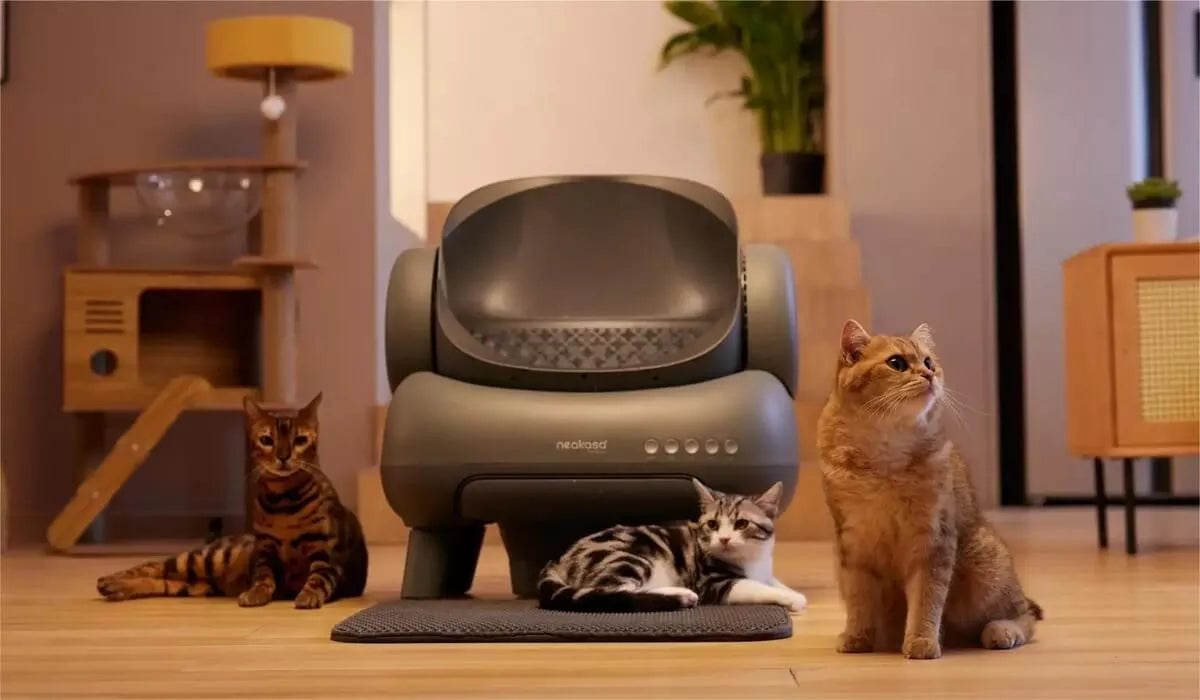
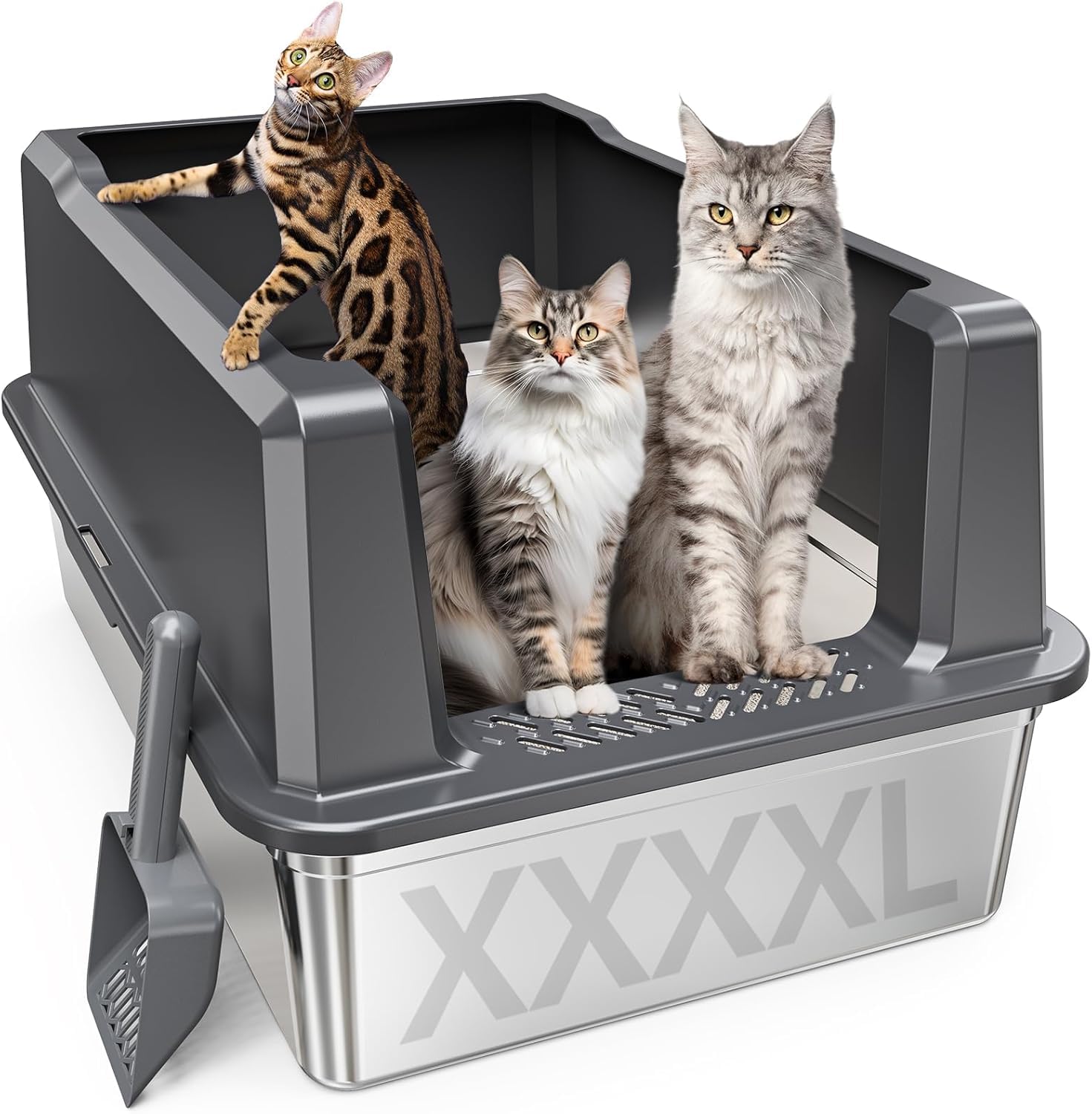
There are several types of litter boxes to consider, each with its own advantages. Open litter boxes offer easy access and allow your cats to see their surroundings, which some cats prefer.
Covered litter boxes help contain odors and litter scatter but can feel cramped or threatening to shy cats. You might want to try both styles to see which your cats like better.
- Self-cleaning boxes reduce your maintenance but can be noisy, potentially scaring your cats.
- Disposable or biodegradable boxes are convenient for travel or emergencies.
- Top-entry boxes help keep litter inside but may not suit older or less agile cats.
Think about your cats’ personalities and habits. Do they like privacy or prefer openness? This can guide your choice.
Size And Accessibility
The size of the litter box must comfortably fit your cats. Two average-sized cats need a box large enough to turn around and dig without feeling cramped.
A good rule is to choose a box at least one and a half times your cat’s length from nose to base of tail. This gives them the space to move naturally.
Accessibility is just as important. Older cats or those with mobility issues may struggle with high-sided boxes.
Low-entry boxes or ramps can help these cats use the litter box without stress. Also, placing boxes in quiet, easy-to-reach areas encourages consistent use.
Ask yourself: Are you making it easy and comfortable for your cats to do their business? If not, your cats might find other places to go.
Litter Box Placement
Place three litter boxes in different quiet spots to keep cats comfortable and reduce conflicts. Cats like privacy and easy access to their litter areas. Spreading boxes out helps maintain cleanliness and peace.
Litter Box Placement Choosing the right spot for your cats’ litter boxes is more important than you might think. It’s not just about convenience for you; it’s about providing a comfortable and stress-free environment for your feline friends. Proper placement can prevent accidents, reduce stress, and keep your home clean and odor-free.Avoiding Common Areas
Placing a litter box in a busy area of your home can be stressful for your cats. Imagine trying to use the bathroom in the middle of a crowded street—it’s unsettling, right? Your cats feel the same way. Avoid placing litter boxes in hallways, kitchens, or living rooms where there’s a lot of foot traffic. Not only does this reduce their privacy, but it also increases the risk of litter box aversion. Always prioritize your cats’ comfort by choosing secluded spots.Quiet And Private Spots
Cats appreciate a little solitude when doing their business. Quiet and private spots are perfect for litter boxes as they allow your cats to feel secure and at ease. Consider a quiet corner in a laundry room or a spare bathroom. Think about your own experiences. Would you prefer a peaceful, quiet area or a noisy, bustling one? Your cats are no different. By providing them with a private spot, you’re more likely to encourage consistent litter box use, keeping both your cats and home happy.Maintaining Cleanliness
Maintaining cleanliness is key when you have two cats sharing litter boxes. Clean litter boxes encourage good habits and prevent unpleasant odors. Keeping the boxes fresh also reduces the risk of health issues for your furry friends.
Cleaning Frequency
How often you clean the litter boxes can make a big difference. Scoop waste at least once a day to keep the boxes inviting for your cats. Completely change the litter and wash the boxes once a week to avoid buildup of bacteria and odors.
If you notice your cats avoiding the boxes, ask yourself: Could the cleaning routine be improved? Sometimes increasing the frequency helps, especially in multi-cat households. Pay attention to each cat’s behavior to find the best schedule.
Best Cleaning Practices
Use unscented, mild soap to wash the litter boxes. Strong chemicals can deter cats from using their boxes. Rinse thoroughly and dry before adding fresh litter to keep the environment comfortable.
Keep a dedicated scoop and use it only for the litter boxes. This prevents cross-contamination and keeps things hygienic. Also, place the boxes in quiet, low-traffic areas to give your cats privacy and reduce stress.
Have you tried different types of litter? Some cats prefer clumping litter for easy scooping, while others like natural materials. Experiment to find what keeps your cats happy and the boxes clean.
Behavioral Considerations
Behavioral considerations play a key role in deciding how many litter boxes two cats need. Cats have unique habits and emotions that affect their litter box use. Understanding these behaviors helps prevent problems and keeps cats comfortable.
Signs Of Litter Box Issues
Watch for signs that cats avoid the litter box. These include:
- Urinating or defecating outside the box
- Scratching around the box but not inside
- Frequent visits without using the box
- Sudden changes in litter box habits
Such signs may show stress, illness, or dislike of the box. Spotting problems early avoids bigger issues later.
Managing Territorial Behavior
Two cats may compete over litter box space. This can cause stress and accidents. To ease tensions:
- Place boxes in separate quiet areas
- Use multiple boxes to reduce competition
- Keep boxes clean to make them inviting
- Observe cats’ preferences for box type and location
Giving each cat its own space helps maintain peace and proper litter box use.
Adjusting For Special Needs
Adjusting the number of litter boxes for two cats means considering their unique needs. Special needs require extra care and attention to keep cats comfortable and healthy. Some cats need more accessible or extra litter boxes to avoid stress and accidents. Understanding these needs helps maintain a clean, happy home for both cats.
Senior Cats
Older cats may have trouble reaching or using litter boxes. Place boxes in easy-to-reach, quiet spots. Use low-entry boxes to avoid jumping or climbing. Senior cats may prefer softer litter that is gentle on their paws. Consider adding an extra box to reduce strain and prevent accidents. Frequent cleaning keeps the boxes inviting and hygienic for them.
Health Concerns
Cats with health issues like urinary problems need more litter boxes. Extra boxes reduce competition and stress, encouraging regular use. Use unscented, dust-free litter to avoid irritation. Monitor the boxes closely for changes in urine or stool. Keeping multiple boxes clean helps detect health problems early. Consult a vet for specific recommendations if needed.
Credit: www.amazon.com
Frequently Asked Questions
How Many Litter Boxes Are Ideal For Two Cats?
Ideally, provide three litter boxes for two cats. The rule is one box per cat plus one extra. This helps reduce territorial disputes and keeps cats comfortable. Multiple boxes improve cleanliness and prevent accidents outside the box.
Can Two Cats Share One Litter Box?
Cats can share one litter box, but it’s not recommended. Sharing can cause stress and territorial issues. Providing separate boxes ensures privacy and reduces conflicts. Multiple boxes also promote better hygiene for both cats.
Where Should Litter Boxes Be Placed For Two Cats?
Place litter boxes in quiet, accessible, and separate areas. Avoid high-traffic or noisy spots. Separate locations reduce competition and stress. Cats prefer privacy when using the litter box, so spacing helps maintain peace.
How Often Should Litter Boxes Be Cleaned For Two Cats?
Clean litter boxes at least once daily for two cats. Regular cleaning prevents odors and maintains hygiene. Scoop waste and replace litter as needed. Clean boxes encourage consistent use and reduce health risks.
Conclusion
Two cats need at least two litter boxes to stay happy. Each cat likes its own space for using the litter box. This helps avoid fights and keeps your home clean. Place boxes in quiet, easy-to-reach spots. Clean them often to prevent odors and mess.
Watching your cats’ habits will help you decide if more boxes are needed. Taking these steps makes life better for both you and your cats. Simple care goes a long way in a happy home.



Leave a Reply