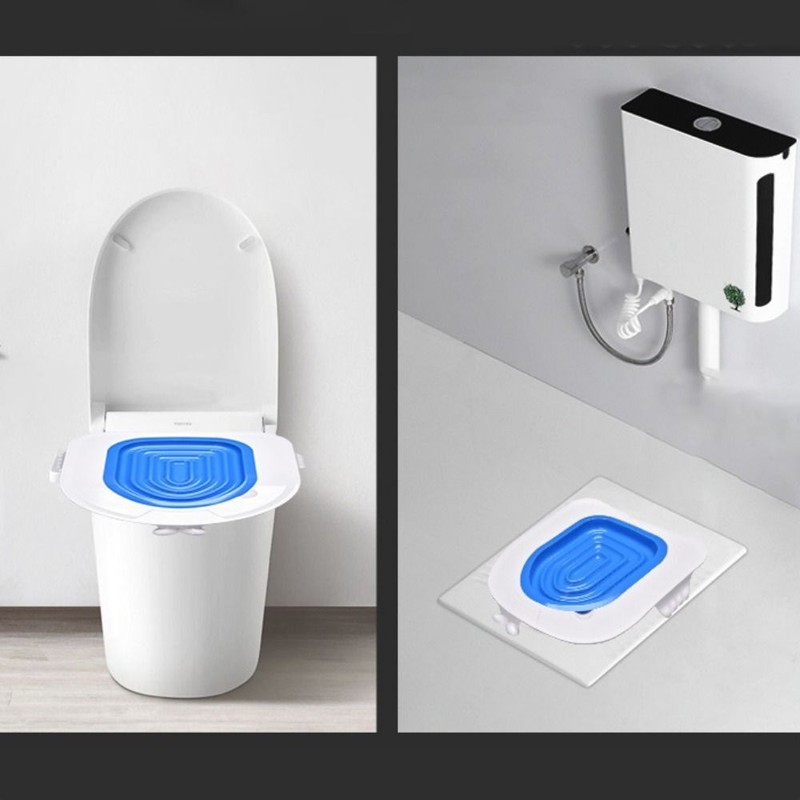
Potty training your cat to use the toilet might sound tricky, but it’s easier than you think. Imagine never having to scoop a litter box again.
You and your cat can enjoy a cleaner, fresher home with less hassle. In this guide, you’ll discover simple steps to help your cat make the switch smoothly. Ready to save time and keep your space spotless? Keep reading to learn how you can teach your cat this clever trick.

Credit: www.walmart.com
Benefits Of Cat Toilet Training
Training your cat to use the toilet can transform your daily routine in surprising ways. It’s not just a quirky trick—it offers real benefits that affect your home, your cat’s well-being, and your wallet. Understanding these perks can motivate you to take the plunge into cat toilet training with confidence.
Environmental Benefits
Using the toilet means no more litter boxes filled with clumping or clay litter. This reduces the waste that goes into landfills, helping you cut down on your household’s environmental footprint.
Think about how much litter you buy each month. With toilet training, you save resources and reduce plastic packaging waste. It’s a small change with a big impact on the planet.
Cost Savings Over Time
Litter can be expensive, especially if you have multiple cats. Toilet training eliminates the need for litter, which saves you money in the long run.
Imagine how much you spend each month on litter and cleaning supplies. These savings can add up and free your budget for other things, like toys or vet visits.
Cleaner And Fresher Home
Eliminating litter boxes means no more dusty litter tracked around your floors. It also cuts down on odors that can linger in your living space.
Many cat owners notice their homes feel fresher and cleaner after toilet training their cats. Wouldn’t you like a home that smells better without extra effort?
Convenience And Time-saving
No more scooping litter daily or changing the entire box weekly. Toilet training saves you these chores, giving you more free time.
This is especially helpful if you have a busy schedule. How much more could you enjoy your day without the litter box hassle?
Improved Cat Hygiene And Health
Using a toilet can be more hygienic for your cat since they avoid stepping in litter and tracking it around. It may also help prevent litter allergies in sensitive cats.
Some cat owners report fewer urinary infections and cleaner paws after toilet training. Could this be a way to boost your cat’s health?
Credit: advantia.com.au
Preparing Your Cat And Toilet
Preparing your cat and toilet for potty training is a crucial phase that sets the foundation for success. This stage requires patience and attention to your cat’s habits and comfort. It’s not just about teaching your cat a new skill; it’s about making sure the environment feels safe and accessible for them.
Choosing The Right Toilet
Not every toilet suits cat potty training. Look for a toilet with a sturdy seat that doesn’t wobble when your cat steps on it. Some toilets have a wider seat, which can help your cat balance better.
Consider the height too. If the toilet is too tall or narrow, your cat might feel insecure. Have you noticed your cat’s favorite spots to sit or jump? Use those observations to guide your choice.
Gathering Training Supplies
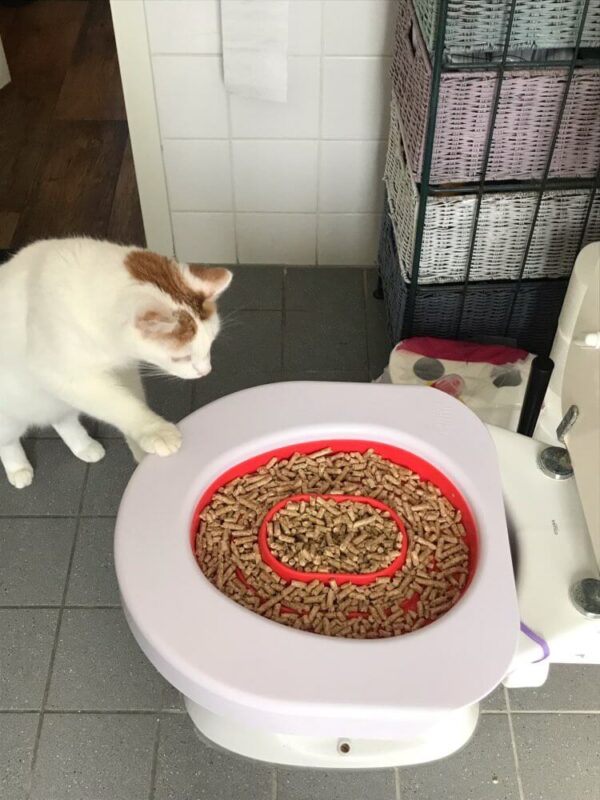
Before starting, gather all the supplies you’ll need. This includes a cat toilet training kit, flushable litter, and cleaning wipes. The training kit often has inserts to gradually reduce litter space, helping your cat adjust slowly.
Keep treats handy to reward your cat’s progress. You might also want a small stool to help your cat climb up to the toilet comfortably. Preparing these items beforehand prevents interruptions during training.
Ensuring Your Cat’s Comfort
Your cat’s comfort is key to a smooth transition. Make sure the bathroom is quiet and free from sudden noises. You don’t want your cat startled while they’re learning this new routine.
Keep the toilet seat warm if possible; cold porcelain can be off-putting. Watch your cat’s body language—if they hesitate or seem stressed, pause and give them a break.
Have you tried placing familiar bedding or toys nearby? This can make the new setting feel less intimidating for your cat.
Step-by-step Training Process
Training your cat to use the toilet requires patience and consistency. Follow these steps to help your feline friend transition smoothly.
Introducing The Litter Box Near The Toilet
Start by placing the litter box next to the toilet. This helps your cat associate the two. Keep it there for a few days. Allow your cat to get comfortable with the new location.
Raising The Litter Box Gradually
Once your cat is comfortable, begin raising the litter box. Use stacks of newspapers or boxes. Raise it a little every day. Ensure it’s stable to prevent accidents. Continue until the box is level with the toilet seat.
Switching To A Training Seat
Replace the litter box with a training seat. These are specially designed for toilet training cats. Position the seat securely on the toilet. Encourage your cat to use it by offering treats or praise.
Reducing Litter Amount
Gradually decrease the litter in the training seat. This helps your cat get used to less litter. Reduce the amount every few days. Aim for your cat to use the seat with minimal litter.
Removing The Training Seat
Once your cat is comfortable, remove the training seat. Ensure the toilet lid is always up. Keep the bathroom door open for easy access. Monitor your cat to ensure it uses the toilet consistently.
Common Challenges And Solutions
Potty training your cat to use the toilet can be a rewarding experience, but it also comes with its share of challenges. Understanding these common obstacles can help you navigate the process more smoothly. Let’s look at some typical issues you might face and practical ways to handle them.
Handling Resistance
It’s normal for your cat to resist change. Cats love routine, and switching from a litter box to a toilet can feel unsettling.
Start by introducing the training seat gradually. Place it on the litter box first, allowing your cat to get used to it before moving it onto the toilet. Patience is key—don’t rush the process.
If your cat avoids the toilet, try offering extra treats and praise when they approach it. Sometimes, a little encouragement goes a long way in easing their reluctance.
Preventing Accidents
Accidents will happen during training, and that’s okay. The goal is to minimize these mishaps without punishing your cat.
Keep the litter box accessible during the transition period. This way, your cat has an alternative if they’re not ready to use the toilet yet.
Watch for signs your cat might need to go, like sniffing or circling, and gently guide them to the toilet. Consistency helps them connect the dots faster.
Dealing With Fear Or Anxiety
Some cats may feel scared or anxious about using the toilet. This fear can stem from unfamiliar sounds or the height of the toilet seat.
Make the toilet area inviting—add a non-slip mat and keep the lid up. Sit with your cat nearby during early attempts to provide comfort.
Observe your cat’s body language. If they seem stressed, slow down the training pace. Remember, your calm attitude can reassure your cat more than you think.
Tips For Long-term Success
Keeping your cat successfully toilet trained means more than just the initial switch from the litter box. It requires consistent effort and awareness to ensure your cat stays comfortable and the habit sticks for the long haul. The tips below focus on what you can do daily to maintain progress and catch any issues early.
Maintaining Cleanliness
Cleanliness is key to keeping your cat interested in using the toilet. Cats are naturally clean animals, so a dirty toilet seat or surrounding area can quickly turn them away.
Wipe the toilet seat regularly with a pet-safe cleaner to remove any odors or residue. Avoid harsh chemicals that might deter your cat.
Also, check the water level in the bowl. Some cats prefer the water level to be low, while others feel more comfortable with a higher level. Experiment and observe what your cat likes best.
Positive Reinforcement
Reward your cat consistently when they use the toilet correctly. Praise, gentle petting, or a small treat right after successful toilet use will reinforce the behavior.
Keep rewards immediate and consistent. If you wait too long, your cat may not connect the reward with the action.
Consider using a clicker or a specific word like “good” to mark the behavior. This helps your cat understand exactly what you want them to do.
Monitoring Your Cat’s Behavior
Watch for any signs that your cat is uncomfortable or reluctant to use the toilet. Changes like meowing near the bathroom, avoiding the toilet, or accidents around the house can signal a problem.
Sometimes, stress or health issues cause these changes. If your cat suddenly stops toilet training, consult your vet to rule out medical causes.
Keep a daily routine to help your cat feel secure. Cats thrive on consistency, so try to keep bathroom access and household noise levels steady.
Have you noticed subtle changes in your cat’s habits that hint at discomfort? Catching these early can save frustration and keep the training on track.
Credit: www.amazon.com
Frequently Asked Questions
How Long Does Cat Toilet Training Take?
Cat toilet training typically takes 4 to 8 weeks. Consistency and patience are key. Some cats adapt faster, while others need more time to adjust comfortably.
What Tools Help With Cat Toilet Training?
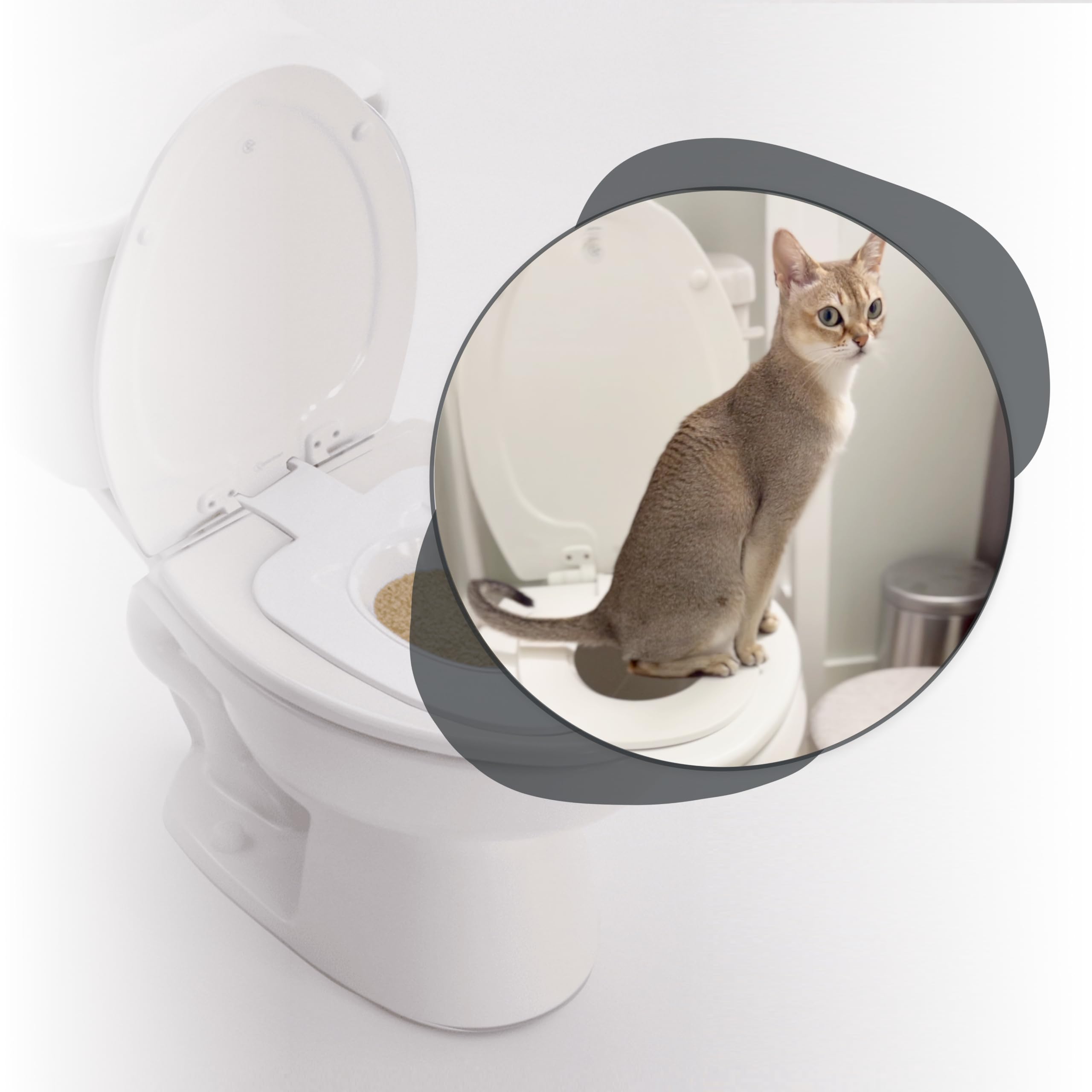
A cat toilet training kit usually includes a special seat and inserts. These tools gradually transition your cat from a litter box to the toilet.
Can All Cats Learn To Use The Toilet?
Most cats can learn, but some may resist. Factors like age, personality, and previous habits affect success. Patience and positive reinforcement improve results.
Is Toilet Training Safe For Cats?
Yes, it’s safe if done gradually. Avoid forcing your cat. Monitor their behavior to ensure they feel comfortable and stress-free throughout the process.
Conclusion
Potty training a cat to use the toilet takes time and patience. Start slow and follow each step carefully. Celebrate small successes to keep your cat motivated. Watch your cat’s comfort and adjust if needed. Stay consistent and gentle throughout the process.
This helps your cat learn without stress. Soon, your cat can use the toilet like a pro. Enjoy a cleaner home and less litter mess. Remember, every cat learns at its own pace. Keep trying and be patient. The effort will pay off in the end.


Leave a Reply