
Are you thinking about breeding cats but don’t know where to start? Breeding cats can be a rewarding experience, but it takes careful planning and knowledge to do it right.
Whether you want to raise healthy kittens or build a successful breeding program, understanding the basics is key. You’ll learn simple steps that will guide you through everything you need to know. Keep reading, and you’ll discover how to get started confidently and responsibly with cat breeding.
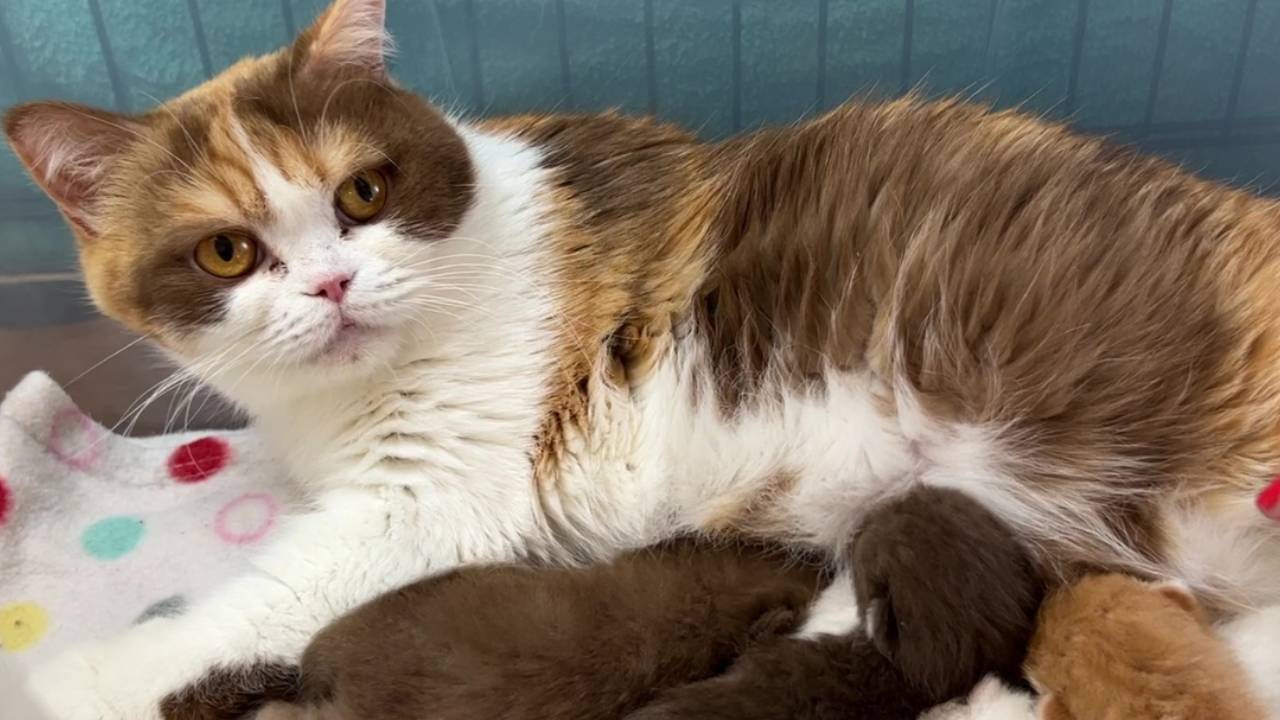
Credit: www.catbreedingforbeginners.com
Choosing The Right Cat Breed
Choosing the right cat breed is the first step in successful cat breeding. The breed affects many aspects like care, personality, and popularity. Select a breed that fits your lifestyle and goals. Understanding breed characteristics helps in making the best choice.
Popular Breeds For Breeding
- Siamese:Known for their sleek look and social nature.
- Persian:Famous for their long fur and calm temperament.
- Maine Coon:Large size, friendly, and good with families.
- Bengal:Wild appearance with a playful attitude.
- Ragdoll:Gentle, relaxed, and affectionate.
Traits To Consider
Look for traits that match your breeding goals. Focus on coat color, size, and activity level. Consider the cat’s adaptability to your environment. Some breeds need more grooming or space. Choose traits that are manageable and appealing to buyers.
Health And Temperament
Check the health history of the breed. Some breeds have common genetic issues. Choose cats with strong immune systems and good overall health. Temperament matters for both breeders and pet owners. Friendly and calm cats are easier to handle and sell.
Preparing Your Home
Preparing your home is essential before starting cat breeding. A safe and clean space helps keep cats healthy. Proper setup reduces stress for the mother and kittens. This section guides you through creating the right environment.
Creating A Safe Environment
Choose a quiet and calm area in your home. Keep the space free from hazards like sharp objects or toxic plants. Ensure good ventilation and stable temperature. Avoid loud noises and heavy foot traffic. Cats need privacy and comfort to thrive.
Necessary Supplies
- Clean litter boxes
- Soft bedding or blankets
- Food and water dishes
- Heating pads or lamps for warmth
- Cleaning supplies like mild disinfectants
- Health records and identification tags
Gather all supplies before breeding starts. This keeps care smooth and efficient.
Setting Up A Breeding Space
Designate a separate room or corner for breeding. Use a cozy nesting box for the mother cat. The box should be easy to clean and large enough for kittens. Place the box in a draft-free, quiet spot. Make sure it has soft bedding and is easy to access.
Selecting Breeding Cats
Selecting the right cats for breeding is a crucial step that shapes the future of your cattery. The choices you make here affect the health, temperament, and quality of the kittens you raise. It’s not just about picking the prettiest cats; it involves careful evaluation of their health, genetics, and readiness.
Health Screening
Before breeding, ensure each cat undergoes a thorough health screening. This should include checks for parasites, infections, and chronic conditions that might be passed on or worsened by breeding.
Vaccinations and regular vet visits are essential. Have you considered how a hidden health issue could impact your entire breeding program?
Genetic Testing
Genetic testing helps identify inherited diseases and traits that might affect your kittens. Tests vary by breed but often cover conditions like hypertrophic cardiomyopathy or polycystic kidney disease.
Knowing these details allows you to avoid pairing cats that could produce unhealthy offspring. It’s a step that protects not only the kittens but also the reputation of your breeding efforts.
Age And Maturity
Breeding cats should be physically and emotionally mature. Females typically reach maturity around one year, but waiting until the second heat cycle often leads to healthier pregnancies.
Males also benefit from maturity to ensure strong fertility. Have you thought about how rushing this phase might cause complications or stress for your cats?

Credit: dremmanuelfontaine.com
Mating Process
The mating process is a crucial part of cat breeding. It requires understanding cat behaviors and cycles. Proper preparation ensures a successful mating process.
Timing And Cycle Awareness
Female cats, or queens, have specific cycles called heat or estrus. Recognizing these cycles is vital for successful breeding. A queen in heat will show signs like increased affection and vocalization. These signs indicate readiness to mate.
Breeders should monitor these cycles closely. This ensures mating happens at the right time. The cycle typically lasts several days, occurring every two to three weeks. Timing is essential to maximize the chances of conception.
Introducing Cats
Introducing the male and female cat requires care. A neutral environment is best. This helps reduce territorial behavior. Allow the cats to explore and get comfortable. Supervise their interactions initially to ensure harmony.
Gradual introductions help prevent stress. Stress can hinder successful mating. Patience is key when bringing the cats together. Observe their reactions and adjust the environment as needed.
Monitoring Behavior
During mating, observe the cats’ behavior closely. Look for signs of interest and acceptance. These include playful chasing and gentle grooming. Aggression or disinterest might indicate a problem.
If aggression occurs, separate the cats briefly. Try reintroducing them later. Successful mating might require multiple attempts. Keep the environment calm and stress-free. This encourages positive interactions.
Pregnancy And Care
Pregnancy is a delicate time for cats that requires special care. Ensuring the mother cat is healthy and comfortable is key. Proper attention during this period supports the health of both mother and kittens. Understanding the needs of a pregnant cat helps prepare for a smooth birth and healthy offspring.
Nutrition Needs
Pregnant cats need more calories and nutrients than usual. Feed high-quality, protein-rich food designed for kittens or pregnant cats. Increase feeding frequency to support energy demands. Fresh water should always be available. Avoid giving raw or unsafe foods. Proper nutrition helps the kittens grow strong inside the mother.
Health Monitoring
Watch the cat closely for signs of illness or discomfort. Regular vet checkups ensure the pregnancy is progressing well. Check her weight and appetite daily. Look for any unusual behavior like lethargy or vomiting. Vaccines and parasite treatments must be up to date before pregnancy. Early detection of problems improves outcomes for mother and kittens.
Preparing For Birth
Create a quiet, warm, and safe nesting area for the mother. Use soft blankets or towels in a box or enclosed space. Keep the area clean and free from drafts. Observe the cat for signs of labor like restlessness or nesting behavior. Have contact information for a vet in case of emergency. Being ready reduces stress and helps deliver healthy kittens.
Kitten Care
Taking care of kittens is a vital part of breeding cats. Proper kitten care helps them grow strong and healthy. It builds a good foundation for their future life. Every stage of a kitten’s early life needs special attention. From birth to weaning, each moment shapes their health and behavior.
Neonatal Care Basics
Newborn kittens need warmth and safety. Keep their area clean and quiet. They cannot regulate body temperature well. Use a heating pad or warm blanket to keep them cozy.
Feed the mother cat well so she produces enough milk. If the mother cannot nurse, use kitten formula. Avoid cow’s milk as it can upset their stomach.
Check kittens daily for weight gain and signs of illness. Newborns sleep most of the time. Wake them gently for feeding every 2-3 hours.
Weaning And Socialization
Start weaning kittens at about four weeks old. Introduce soft, wet kitten food alongside mother’s milk. Gradually increase solid food and reduce milk intake.
Socialize kittens early by handling them gently. Let them explore new sights and sounds. This builds confidence and reduces fear later.
Playtime is important for muscle development and bonding. Use safe toys to encourage movement and interaction.
Vaccination And Vet Visits
Schedule the first vet visit at six to eight weeks old. The vet will check for parasites and overall health. Vaccinations protect kittens from serious diseases.
Follow the vet’s vaccination schedule carefully. Common vaccines include those for feline distemper and respiratory viruses.
Regular vet visits help spot problems early. Keep health records for each kitten. This ensures proper care and future breeding decisions.
Record Keeping And Legalities
Keeping clear records and understanding legal requirements are crucial when you start breeding cats. Without proper documentation, you risk losing track of bloodlines, facing registration issues, or even breaking laws. Good habits from the beginning save time and headaches later.
Tracking Pedigrees
Tracking pedigrees means keeping detailed records of each cat’s ancestry. You should note parents, grandparents, and any health issues within the family. This helps maintain breed standards and avoids inbreeding, which can lead to health problems.
Use a simple spreadsheet or dedicated software to log this information. Include dates of birth, colors, and any traits that stand out. Imagine trying to explain your cat’s background without clear data—wouldn’t that make selling or showing your kittens difficult?
Registration And Paperwork
Registering your cats with a recognized breed association is essential. Registration proves your kittens are purebred and eligible for shows. It also adds value when you sell them.
You’ll need to fill out forms for each cat, usually including pedigree details and health clearances. Keep copies of all paperwork organized and accessible. Missing a deadline or losing documents can cause major delays or rejection of your registration.
Breeding Ethics And Laws
Breeding cats comes with legal and ethical responsibilities. Laws may regulate the number of litters, require proper care standards, and demand permits. Know the rules in your area before you start.
Ethics means prioritizing the cats’ health and well-being over profit. Ask yourself—are you prepared to provide lifelong care for every cat you breed? Responsible breeders avoid breeding cats with known genetic issues and ensure homes for all kittens.
By combining careful record keeping with respect for legal and ethical standards, you build trust with buyers and contribute positively to the cat breeding community. How confident are you that your current system can handle these demands?
Marketing And Selling Kittens
Marketing and selling kittens requires care and thought. Finding the right homes helps keep kittens safe and happy. Setting fair prices attracts serious buyers. Handling questions well builds trust and shows professionalism.
Finding Good Homes
Focus on families or individuals ready for a cat. Ask about their experience with pets. Check their living space and lifestyle. Ensure they understand kitten care needs. Avoid selling to places where cats might not be safe.
Pricing Strategies
Research prices for similar breeds in your area. Consider costs like vet visits, food, and vaccinations. Set a price that covers expenses and reflects kitten quality. Be clear about what the price includes, like health checks or supplies.
Handling Inquiries
Respond quickly to questions about kittens. Be honest about the kitten’s health and behavior. Provide clear information about care and feeding. Offer to meet potential buyers and show your breeding environment. Keep communication polite and professional.

Credit: dremmanuelfontaine.com
Frequently Asked Questions
What Are The First Steps To Start Breeding Cats?
Begin by researching cat breeds and genetics. Choose healthy, high-quality cats. Prepare a safe, clean environment. Consult a vet for health checks and breeding advice. Understand legal and ethical responsibilities before starting.
How Do I Select The Right Cats For Breeding?
Select cats with strong health, good temperament, and breed standards. Avoid hereditary diseases. Choose cats with complementary traits to enhance offspring quality. Proper selection ensures healthy kittens and successful breeding outcomes.
What Are The Common Health Checks Before Breeding Cats?
Perform vaccinations, parasite control, and genetic testing. Check for infectious diseases like FeLV and FIV. Ensure cats are in optimal health. Regular vet visits prevent complications during pregnancy and protect both mother and kittens.
How Long Is A Cat’s Gestation Period?
A cat’s gestation period typically lasts 63 to 65 days. Monitor your cat closely during this time. Provide proper nutrition and a quiet space. Prepare for the birth and care of the kittens.
Conclusion
Breeding cats takes patience and care. Start by learning about cat health and genetics. Choose healthy cats with good traits. Provide a safe, clean space for your cats. Keep track of breeding dates and kitten care. Ask a vet for advice when needed.
Remember, breeding cats is a big responsibility. It needs time, effort, and love. Stay patient and enjoy the process. Your hard work will help you raise happy, healthy kittens.



Leave a Reply