Have you ever wondered if you should be grooming your cat yourself? Taking care of your cat’s coat isn’t just about keeping them looking good—it’s about their health and happiness too.
But can a human really do it right? You’ll discover the simple secrets to grooming your cat safely and effectively. By the end, you’ll feel confident and ready to strengthen the bond with your furry friend through grooming. Keep reading to find out how you can make this a positive experience for both of you.
Benefits Of Grooming Cats
Grooming cats offers several benefits beyond keeping their fur clean. It helps maintain their overall health and enhances your relationship with your pet. Regular grooming also controls loose hair around your home.
Health Improvements
Grooming removes dirt and dead fur from your cat’s coat. It helps prevent skin problems and infections. Brushing stimulates blood flow and promotes healthy skin. It also allows early detection of lumps or wounds.
Strengthening Bond
Spending time grooming your cat builds trust and comfort. It creates a calm and positive experience for both of you. Cats often enjoy gentle strokes, which reduce their stress. This shared activity improves your emotional connection.
Reducing Shedding
Regular brushing reduces the amount of loose fur in your home. It stops fur from ending up on furniture and clothes. This makes cleaning easier and keeps your living space tidy. Grooming also helps manage hairballs by removing loose hair.
Credit: www.petscare.com
Choosing The Right Tools
Choosing the right tools for grooming your cat can make the whole experience smoother and more enjoyable for both of you. The right brush, comb, and other supplies can help keep your cat’s coat healthy and reduce shedding. It also helps you avoid discomfort or stress that might come from using improper tools.
Brush Types
Different brushes serve different purposes depending on your cat’s fur type. A slicker brush, with its fine wire bristles, works well for removing loose hair and detangling mats in medium to long-haired cats.
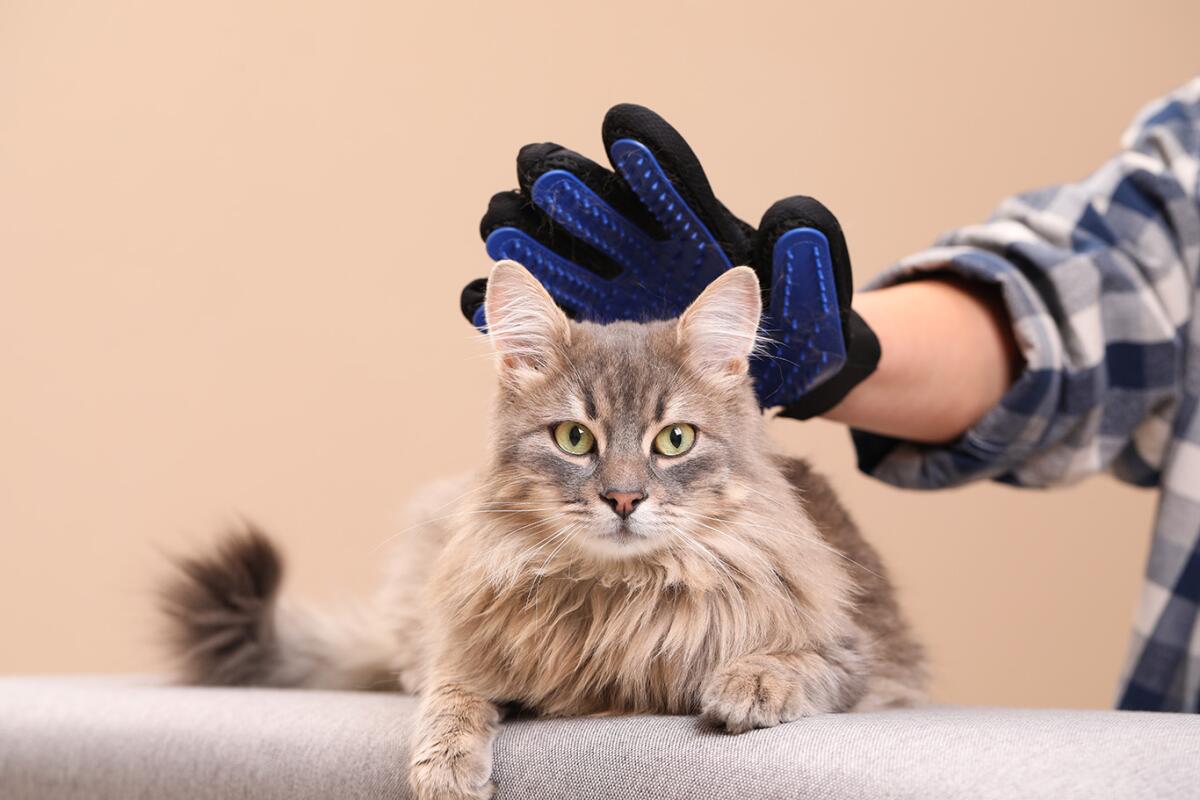
For short-haired cats, a bristle brush or rubber grooming mitt can remove loose hair and stimulate the skin without causing irritation. If your cat has sensitive skin, consider a soft-bristle brush to avoid scratching.
Have you noticed how your cat reacts when you use certain brushes? Their reaction often reveals which brush suits them best.
Combs And Clippers
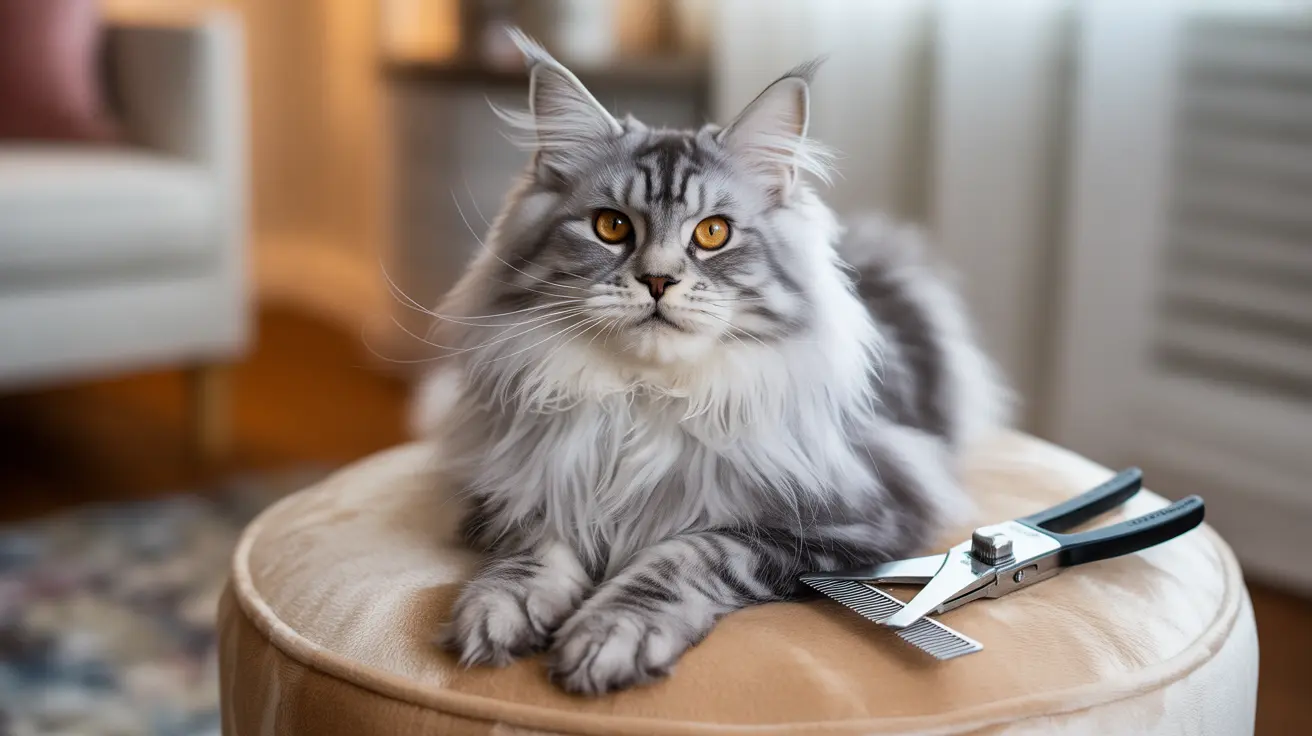
Combs help remove tangles and mats that brushes might miss. A wide-toothed comb is ideal for gently working through stubborn knots without pulling on your cat’s fur.
Clippers are useful if your cat needs a trim, especially around sensitive areas like the belly or paws. Use clippers designed specifically for pets to ensure safety and comfort.
Before clipping, try running the comb through the fur to check for mats. This reduces the risk of clipping the skin accidentally.
Additional Supplies
Other helpful supplies include nail clippers, grooming wipes, and ear cleaners. Nail clippers designed for cats prevent overcutting and reduce the chance of injury.
Grooming wipes can freshen your cat’s coat between brushings, especially if your cat dislikes baths. Ear cleaners keep your cat’s ears free from wax build-up and infection.
Have you thought about setting up a dedicated grooming kit? Having everything in one place makes grooming quicker and less stressful for your cat.
Preparing Your Cat For Grooming
Grooming a cat yourself helps build trust and comfort between you and your pet. Start by gently brushing in a calm, quiet space to keep your cat relaxed. Use soft, slow strokes and watch for signs your cat enjoys the process.
Preparing your cat for grooming can make the experience smoother. A well-prepared cat feels safe and relaxed during grooming sessions. This preparation involves creating a calm environment, handling nervous cats, and setting a routine.Creating A Calm Environment
Start by choosing a quiet room with minimal distractions. Soft lighting and gentle music can help set a peaceful mood. Remove any items that might startle your cat. Familiar scents can also soothe your cat. Place a favorite blanket or toy nearby.Handling Nervous Cats
Nervous cats need extra care during grooming. Speak softly and move slowly around them. Offer treats to build trust and reduce anxiety. Use gentle strokes to comfort your cat. If your cat seems too anxious, pause and try later.Setting A Routine
Establish a regular grooming schedule. Consistency helps your cat feel secure. Short, frequent sessions are better than long, infrequent ones. Gradually increase the duration as your cat becomes more comfortable. A routine helps your cat know what to expect.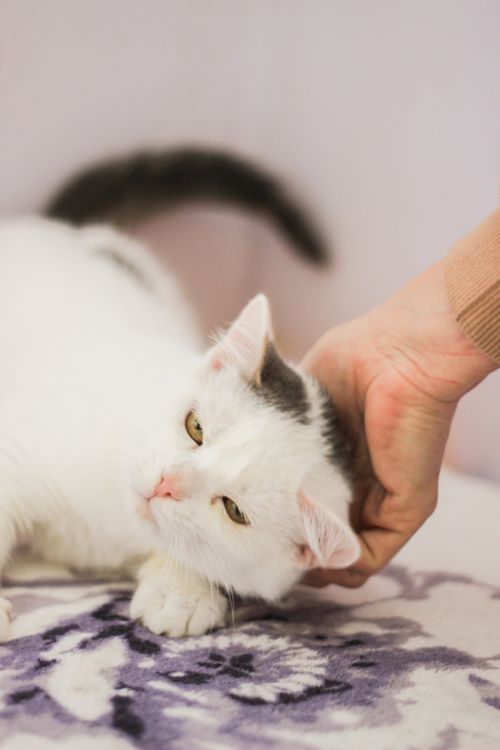
Credit: www.pexels.com
Step-by-step Grooming Process
Grooming a cat is a gentle process that helps keep your pet healthy and happy. It also strengthens the bond between you and your cat. This step-by-step grooming guide covers key tasks to keep your cat clean and comfortable.
Brushing Techniques
Use a soft brush suited for your cat’s fur type. Brush in the direction of hair growth. Start from the head and move toward the tail. Be gentle around sensitive areas like the belly and legs. Regular brushing removes loose hair and prevents mats. It also reduces shedding and hairballs.
Bathing Tips
Choose a shampoo made for cats only. Use lukewarm water to wet your cat carefully. Avoid getting water in the eyes and ears. Lather the shampoo gently and rinse thoroughly. Dry your cat with a soft towel. Keep the room warm to prevent chills. Bathing only when necessary avoids stress for your cat.
Nail Trimming
Use a small pet nail clipper. Hold your cat’s paw firmly but gently. Trim only the sharp tip of each nail. Avoid the pink part called the quick; it hurts if cut. If unsure, trim a little at a time. Reward your cat after trimming to create positive feelings.
Ear Cleaning
Check ears for dirt or wax buildup. Use a cotton ball dampened with a vet-approved ear cleaner. Gently wipe the outer ear; do not insert anything inside. Stop if your cat shows signs of pain. Clean ears prevent infections and discomfort. Regular checks help catch problems early.
Common Grooming Challenges
Grooming a cat is not always easy. Cats have unique needs and can react differently to grooming. Some common challenges often arise during this process. Understanding these challenges helps make grooming smoother and less stressful for both the cat and the owner.
Dealing With Mats And Tangles
Mats and tangles form when a cat’s fur is not brushed regularly. These can be painful and pull on the skin. Use a wide-tooth comb to gently loosen mats. For severe mats, scissors or a dematting tool may be needed. Always be patient and avoid pulling hard to prevent hurting the cat.
Managing Aggression
Cats can become aggressive during grooming due to fear or discomfort. Signs include hissing, swatting, or biting. Speak softly and use calm movements to help the cat relax. Short grooming sessions and frequent breaks reduce stress. Use treats to reward calm behavior and build trust.
Handling Sensitive Areas
Some parts of a cat’s body are more sensitive, like the belly, paws, and tail. Cats may resist touch in these areas. Approach gently and use slow strokes. Start by petting near sensitive spots before grooming. This helps the cat feel safer and more comfortable.
When To Seek Professional Help
Grooming your cat at home is often simple and rewarding. Some situations need a professional’s touch. Knowing when to call a groomer or vet keeps your cat healthy and comfortable. Watch for signs that show grooming needs expert care.
Signs Of Skin Issues
Look for redness, bumps, or sores on your cat’s skin. Excessive scratching or licking can signal irritation. Dry or flaky patches might mean skin problems. These conditions need a vet’s diagnosis and treatment. Avoid grooming over inflamed areas to prevent pain or infection.
Severe Matting
Matted fur is hard to remove at home. It pulls tightly, causing discomfort and skin damage. Thick mats near sensitive areas need professional grooming tools. Experts can safely cut or shave mats without hurting your cat. Trying to remove severe mats yourself may cause injury.
Behavioral Concerns
Some cats resist grooming due to fear or stress. Aggressive behavior like biting or scratching is a warning. Professionals know how to calm anxious cats during grooming. They use gentle techniques and proper handling. This keeps grooming safe for both you and your pet.
Maintaining Grooming Between Sessions
Maintaining your cat’s grooming between professional sessions is essential for keeping their coat healthy and comfortable. It’s not just about brushing; it’s a combination of daily habits, nutrition, and health checks that contribute to a shiny, tangle-free coat. You might be surprised how small actions can make a big difference in your cat’s overall grooming routine.
Daily Care Tips
Brushing your cat daily helps prevent mats and reduces shedding. Use a brush suited to your cat’s fur type—soft bristle brushes for short hair, and slicker brushes for longer coats work best.
Keep an eye on your cat’s skin for signs of irritation or dryness. Gently wipe your cat’s eyes and ears with a damp cloth to avoid buildup. Have you noticed your cat enjoys these little moments? It can turn grooming into bonding time.
Diet And Coat Health
Your cat’s diet plays a huge role in the quality of their fur. Foods rich in omega-3 and omega-6 fatty acids promote a shiny, healthy coat. Consider adding fish oil supplements after consulting your vet.
Hydration also matters. Cats often don’t drink enough water, which can lead to dry skin and dull fur. Wet food or water fountains can encourage better hydration. What changes can you make to your cat’s meals today to boost their coat health?
Regular Vet Checkups
Regular vet visits catch skin conditions or parasites that might affect your cat’s coat early. Your vet can recommend specialized shampoos or treatments if needed.
Vaccinations and parasite control are part of maintaining overall health, which reflects in your cat’s grooming. Don’t wait for visible problems—schedule routine checkups to keep your cat’s coat in top shape.

Credit: www.latimes.com
Frequently Asked Questions
Can Humans Safely Groom Cats At Home?
Yes, humans can safely groom cats with the right tools and techniques. Regular brushing prevents mats and reduces shedding. Use a gentle brush and be patient. Avoid sensitive areas like the face and tail. If unsure, consult a vet or professional groomer for guidance.
How Often Should A Cat Be Groomed By Humans?
Cats should be groomed at least once a week. Long-haired cats may need daily brushing. Regular grooming helps remove loose fur and prevents hairballs. It also promotes healthy skin and bonding. Adjust frequency based on your cat’s coat type and activity level.
What Tools Are Best For Grooming Cats?
Use a soft-bristle brush, fine-toothed comb, or rubber grooming mitt. These tools remove loose hair and prevent tangles. Avoid harsh brushes that irritate the skin. Choose tools based on your cat’s fur length and sensitivity. Always handle your cat gently during grooming.
Can Grooming Reduce Cat Allergies For Humans?
Regular grooming reduces loose fur and dander, which can lessen allergies. Bathing your cat occasionally also helps remove allergens. However, grooming doesn’t eliminate all allergens. Wash your hands after grooming and clean your home often to minimize allergy symptoms.
Conclusion
Grooming a cat by hand helps build trust and care. It keeps your cat clean and healthy. Regular brushing removes loose fur and dirt. Cats often enjoy gentle strokes and attention. Be patient and gentle to avoid stress. Use the right tools for your cat’s coat.
Watch your cat’s reactions to know their comfort level. Grooming is a simple way to bond daily. It supports your cat’s wellbeing and happiness. Try it often and enjoy quiet moments together.



Leave a Reply