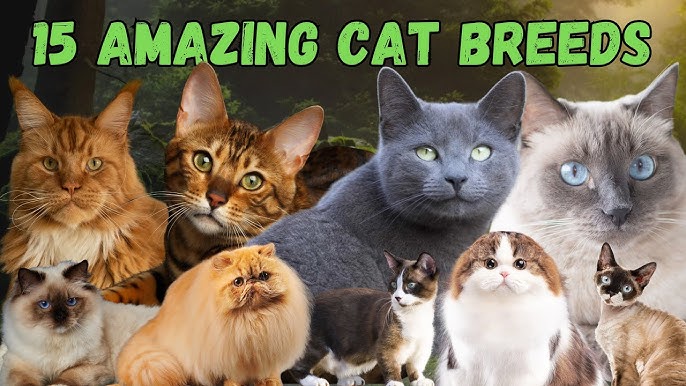
Have you ever wondered why some cats seem to have so much to say? If you’re curious about which cat breeds love to chat and express themselves, you’re in the right place.
Knowing which cats are naturally talkative can help you find a furry friend who matches your personality and lifestyle. Whether you want a companion that greets you with a meow or one that keeps the conversation going all day, understanding these vocal breeds will change how you connect with your cat.
Keep reading to discover the most talkative cat breeds and what makes their voices so unique.
Traits Of Talkative Cats
Talkative cats have a unique charm that many cat owners find irresistible. These cats often express themselves with a rich variety of sounds and vocalizations. Understanding the traits that make cats talkative can help you connect better with your feline friend and appreciate their lively personality.
Vocal Communication In Cats
Cats use vocal sounds to communicate a wide range of feelings and needs. From gentle purring to loud yowls, each sound has a purpose. Talkative cats tend to have a larger “vocal vocabulary” and use different meows to get your attention or express emotions.
Some cats chirp or trill when they’re happy or excited, while others might growl softly if they feel threatened. Pay attention to the tone and context of your cat’s sounds to understand what they want. Have you ever noticed your cat using different meows when asking for food versus seeking attention?
Why Some Cats Meow More
Several factors influence why some cats are more vocal than others. Breed plays a significant role—certain breeds like Siamese or Burmese are naturally talkative. These cats often seek interaction and use meowing as a way to engage with their humans.
Personality also matters. A social and confident cat is more likely to use vocalizations to communicate. On the other hand, shy or independent cats might stay quiet. Environment can influence vocal behavior too—cats in busy households might meow more to stand out among the noise.
- Attention seeking:Cats meow to let you know they want playtime or affection.
- Hunger:A classic reason for meowing, especially around feeding times.
- Stress or discomfort:Vocalizing can signal that something is wrong.
- Greeting:Some cats use meows as a way to say hello.
Have you noticed if your cat’s meowing changes with different situations? Understanding these traits can improve your communication and strengthen your bond.

Credit: m.youtube.com
Top Talkative Cat Breeds
Some cat breeds are known for their chatty nature. These cats love to “talk” with their owners. Their vocalizations vary from soft chirps to loud meows. Understanding which breeds are talkative helps match pets to owners who enjoy conversation. Below are some top talkative cat breeds that often share their thoughts loudly and clearly.
Siamese Cats
Siamese cats are famous for their loud and constant talking. They use their voice to express needs and emotions. These cats often demand attention and enjoy human interaction. Their unique, raspy meow stands out among other breeds.
Oriental Shorthair
Oriental Shorthairs are close relatives of Siamese cats. They have a wide range of vocal sounds. Their meows can be high-pitched and persistent. These cats are very social and love to communicate with their humans.
Burmese Cats
Burmese cats have a softer, sweet voice but talk a lot. They are very affectionate and use their voice to bond with owners. Burmese cats often “chat” about their daily experiences and feelings.
Sphynx Cats
Sphynx cats are surprisingly vocal for their unusual look. They use a variety of sounds to get attention. Their meows can be loud and demanding. Sphynx cats enjoy being the center of conversations.
Maine Coon
Maine Coons have a deep, soft voice and are quite talkative. They often chirp and trill to communicate. These gentle giants use their sounds to show affection and curiosity.
Russian Blue
Russian Blues are quieter but still like to talk. They have soft, gentle meows. This breed uses their voice mainly to greet and interact with people.
How Vocal Cats Express Themselves
Certain cat breeds, like Siamese and Maine Coons, are known for being very vocal. They use meows and purrs to share their feelings and get attention. Talkative cats often enjoy chatting with their owners throughout the day.
Understanding how vocal cats express themselves can be as captivating as it is enlightening. If you’ve ever owned a chatty feline, you know their vocalizations go beyond mere meows. Cats use their voices to convey emotions, needs, and even their moods. Are you listening closely to what your furry friend is trying to tell you?Different Types Of Cat Sounds
Cats have a fascinating range of sounds they use to communicate. A soft purr often means contentment, but it can also indicate a need for comfort when your cat feels unwell. The trill, a sound between a purr and a meow, is usually a friendly greeting. Hissing and growling, on the other hand, are unmistakable signs of displeasure or fear. Ever noticed the rapid-fire chirping when your cat spots a bird outside? This is a sound of excitement and frustration, as if they are trying to mimic their prey. Each sound serves a distinct purpose, offering clues about what your cat wants or feels.Body Language And Vocalization
Vocalization is only one part of the communication puzzle. Cats often pair sounds with body language to enhance their message. A cat that meows loudly with ears pointed forward is likely curious and seeking attention. If those same ears are flattened, however, the meow might be a warning. Tail movements also complement vocal cues. A tail held high often accompanies a playful meow, signaling happiness and confidence. Conversely, a tail puffed up alongside a growl can indicate fear or aggression. By observing these combinations, you can better understand your cat’s unique language. The next time your cat “talks” to you, consider what they might be saying with their sounds and body language. Are you responding to their needs and emotions? Understanding these cues can deepen your connection and make your feline friend feel truly heard.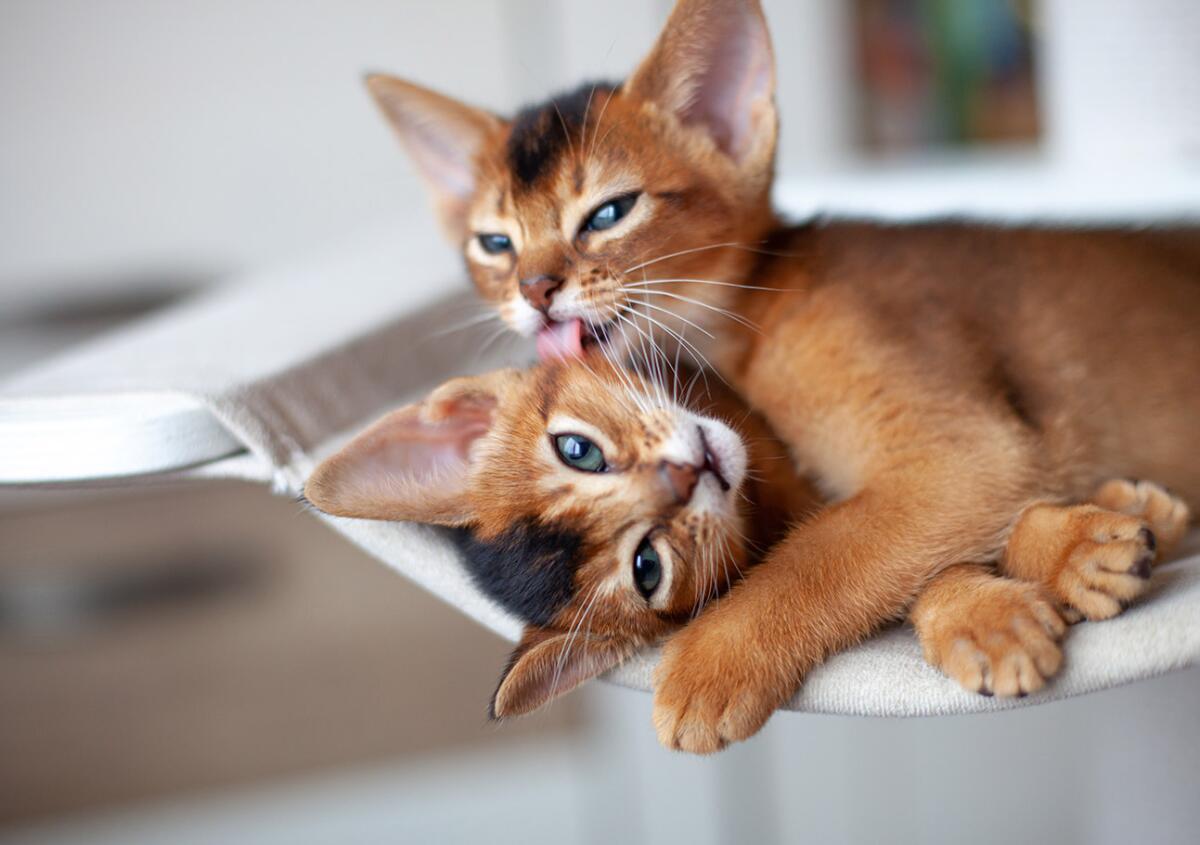
Credit: www.latimes.com
Caring For Talkative Cats
Talkative cats express themselves through constant sounds and meows. Caring for these vocal pets means understanding their needs and habits. Providing the right environment helps keep your cat happy and calm. It also strengthens your bond with your furry friend.
Meeting Their Communication Needs
Talkative cats use meowing to share feelings and get attention. Listen carefully to their different sounds. They may want food, play, or company. Respond with gentle words and actions to show you care.
Keep fresh water and food available at all times. Give them toys to stay busy and reduce boredom. Spend time each day playing or cuddling. This helps meet their social and emotional needs.
- Create a quiet space for rest and relaxation.
- Offer interactive toys to stimulate their mind.
- Use soft tones when speaking to soothe them.
Training To Manage Excessive Meowing
Excessive meowing can become stressful. Train your cat to reduce noise with patience. Avoid yelling or punishment; these cause fear and confusion. Instead, reward quiet behavior with treats or praise.
Ignore meows that demand attention but offer affection when calm. Set regular feeding and play times. This helps your cat feel secure and less anxious. Consistency is key in changing vocal habits.
- Use positive reinforcement to encourage silence.
- Distract your cat with toys during noisy periods.
- Consult a vet if meowing seems linked to pain or illness.
Choosing A Talkative Cat Breed
Choosing a talkative cat breed means picking a pet that enjoys communication. These cats often use their voices to express needs and emotions. They bring lively energy and constant interaction to your home. Selecting the right breed helps match your personality and daily routine.
Personality Matches
Talkative cats have unique personalities. Some are friendly and demand attention. Others prefer quiet moments with occasional chats. Think about your own social style. Do you want a cat that talks a lot or one with gentle meows? Matching personalities creates a strong bond.
Consider breeds like Siamese or Burmese. They are known for being vocal and affectionate. They enjoy interaction and respond well to conversation. If you like a chatty companion, these cats fit well.
Lifestyle Considerations
Your daily life affects which talkative cat suits you best. Busy households might find vocal cats tiring. Quiet homes benefit from cats that enjoy chatting. Think about your time at home and noise tolerance.
Some talkative cats need more attention and play. Others are content with short conversations. Plan for the time you can spend with your cat. This helps keep both happy and healthy.

Credit: www.youtube.com
Frequently Asked Questions
Which Cat Breeds Are Known For Being Talkative?
Siamese, Burmese, and Oriental Shorthair cats are famously talkative. They enjoy vocalizing to communicate with their owners frequently and expressively.
Why Do Some Cats Talk More Than Others?
Talkative cats are usually more social and seek interaction. Their breed traits and early socialization also influence their vocal behavior.
How Can I Encourage My Cat To Be More Talkative?
Spend quality time and respond to your cat’s meows. Positive reinforcement encourages more vocal communication and bonding.
Are Talkative Cats More Affectionate?
Yes, many talkative cat breeds are also affectionate. They use vocalization to show love and seek attention from their owners.
Conclusion
Talkative cat breeds bring joy with their lively chatter. They love to share feelings and stories through meows. Siamese and Burmese cats often lead the talkative pack. Their vocal nature creates a strong bond with owners. Quiet cats have charm too, but talkative ones stand out.
Choose a breed that matches your lifestyle and personality. Enjoy the unique sounds each cat breed offers daily. A chatty cat can brighten any home with its voice.

Leave a Reply