You want your cat to be happy and healthy, right? Just like you, your furry friend sometimes needs a little extra help to stay in top shape.
But with so many health supplements out there, it’s easy to feel lost. What does your cat really need? Which supplements will make the biggest difference? You’ll discover exactly what health supplements can boost your cat’s energy, support their immune system, and keep their coat shiny.
Keep reading to find the simple, effective ways to give your cat the care they deserve.

Credit: www.amazon.com
Key Nutrients For Cats
Cats need specific nutrients to stay healthy and active. Their diet should provide these key elements to support growth, energy, and overall well-being. Supplements can help fill gaps in their nutrition.
Proteins And Amino Acids
Proteins are vital for cats. They build muscles, repair tissues, and support the immune system. Cats require high-quality animal proteins because they are obligate carnivores.
Amino acids like taurine are essential. Cats cannot produce enough taurine on their own. A lack of taurine can cause heart and eye problems.
Vitamins And Minerals
Vitamins help regulate body functions and keep cats healthy. Important vitamins include A, D, E, and B-complex. Each vitamin plays a unique role, from vision to skin health.
Minerals such as calcium, phosphorus, and potassium support bone strength and nerve function. Deficiency or excess of minerals can lead to health issues.
Essential Fatty Acids
Essential fatty acids like omega-3 and omega-6 keep a cat’s coat shiny and skin hydrated. They also support brain and eye health.
These fats help reduce inflammation and improve joint health. Cats cannot make these fats, so diet or supplements must supply them.
Common Health Supplements
Common health supplements help cats maintain overall well-being and vitality. They fill nutritional gaps and support specific body functions. Understanding these supplements helps owners make better choices for their pets.
Omega-3 And Omega-6 Oils
Omega-3 and Omega-6 oils are essential fatty acids for cats. They support healthy skin and a shiny coat. These oils also help reduce inflammation and support brain health. Many cat foods include these oils, but supplements can boost intake.
Probiotics And Digestive Aids
Probiotics improve gut health by balancing good bacteria. They help cats digest food better and absorb nutrients efficiently. Digestive aids can relieve upset stomachs and reduce diarrhea. Probiotics promote a strong immune system as well.
Joint Support Supplements
Joint support supplements protect cartilage and ease movement. Cats with arthritis or aging joints benefit most from these supplements. Common ingredients include glucosamine, chondroitin, and MSM. These help reduce pain and improve mobility.
Signs Your Cat Needs Supplements
A cat showing dull fur, low energy, or poor appetite may need supplements. Essential vitamins and minerals support their overall health and vitality.
Recognizing when your cat might need supplements can make a world of difference in their health and happiness. Cats, like humans, show signs when something isn’t quite right. Paying attention to these signs can ensure your feline friend gets the nutrients they need to thrive.Poor Coat And Skin Health
A shiny coat is often a sign of a healthy cat. If your cat’s fur has become dull, brittle, or is shedding excessively, this might indicate a nutritional deficiency. Omega-3 and Omega-6 fatty acids, often found in fish oils, are known to support coat health. Does your cat frequently scratch or have dry, flaky skin? These could be signs that they need a supplement to improve their skin condition. Adding supplements designed for skin health can help restore their coat’s natural luster.Digestive Issues
If your cat frequently has an upset stomach or irregular bowel movements, it might be time to consider digestive supplements. Probiotics and enzymes can support a healthy gut, promoting better digestion and nutrient absorption. Have you noticed your cat being less enthusiastic about their meals? Digestive discomfort can lead to a reduced appetite. Ensuring their digestive system is in top shape can make mealtime enjoyable again.Reduced Mobility
Is your once playful cat now hesitant to jump or climb? This might indicate joint pain or stiffness. Supplements containing glucosamine and chondroitin are known to support joint health and can help improve mobility. Aging cats often experience decreased agility. By addressing mobility issues early with the right supplements, you can help maintain their quality of life and keep them active for longer. Understanding these signs ensures your cat remains healthy and happy. What steps will you take to meet your cat’s nutritional needs today?Choosing Safe Supplements
Choosing safe supplements for your cat is crucial to support their health without causing harm. Not all supplements on the market meet the safety and quality standards your pet deserves. Taking a careful approach helps you avoid risks and ensures your cat benefits fully.
Consulting Your Veterinarian
Your veterinarian knows your cat’s health history and specific needs better than anyone. Before adding any supplement, ask their opinion to avoid potential interactions or overdoses. They can recommend products based on your cat’s age, condition, and diet, saving you time and worry.
Have you ever given a supplement without checking first? Many pet owners do, not realizing some ingredients might worsen existing problems. Your vet’s advice is the best safety net.
Reading Labels Carefully
Labels reveal what’s really inside a supplement. Look for clear ingredient lists and avoid products with vague terms like “proprietary blend.” Reliable brands disclose every component and dosage.
Check expiration dates and storage instructions too. Supplements lose potency over time or if stored improperly. Your cat deserves the freshest, most effective product possible.
Avoiding Harmful Ingredients
Some common supplement ingredients can be dangerous to cats, such as xylitol, artificial sweeteners, and excessive vitamins. Too much vitamin D or iron, for instance, can cause serious health issues.
Stay away from products that contain fillers, dyes, or preservatives that might trigger allergies or sensitivities. Choosing natural, minimal-ingredient supplements often reduces risks.
- Identify any ingredient you don’t recognize and research it.
- Look for supplements tested by third-party labs for purity.
- Choose supplements made specifically for cats, not human formulas.
Natural Alternatives
Natural alternatives can be a great way to support your cat’s health without relying solely on commercial supplements. These options often provide nutrients in a form that’s easier for your cat to digest and absorb. Plus, they allow you to know exactly what your pet is getting, which can give you peace of mind.
Whole Foods For Nutrient Boost
Whole foods can provide essential vitamins and minerals that your cat needs. Adding small amounts of cooked pumpkin can help with digestion, while a bit of salmon offers omega-3 fatty acids that support skin and coat health.
Leafy greens like spinach or kale, finely chopped and mixed into their meals, can supply antioxidants and fiber. You might wonder, how much of these foods is safe? Always introduce new foods gradually and watch for any signs of intolerance.
Remember, whole foods should complement your cat’s regular diet, not replace it. They are best used to fill nutritional gaps naturally.
Homemade Supplement Options
Creating your own supplements at home is easier than you might think. A simple recipe like blending fish oil with a pinch of turmeric can provide anti-inflammatory benefits. Just be careful with quantities to avoid over-supplementing.
Another option is to make bone broth, rich in collagen and minerals. Many cats love the taste, and you can add it to their food as a healthy treat. Have you tried making broth yourself? It’s a cost-effective way to enhance nutrition and hydration.
Always check with your vet before introducing homemade supplements to ensure they suit your cat’s specific health needs.
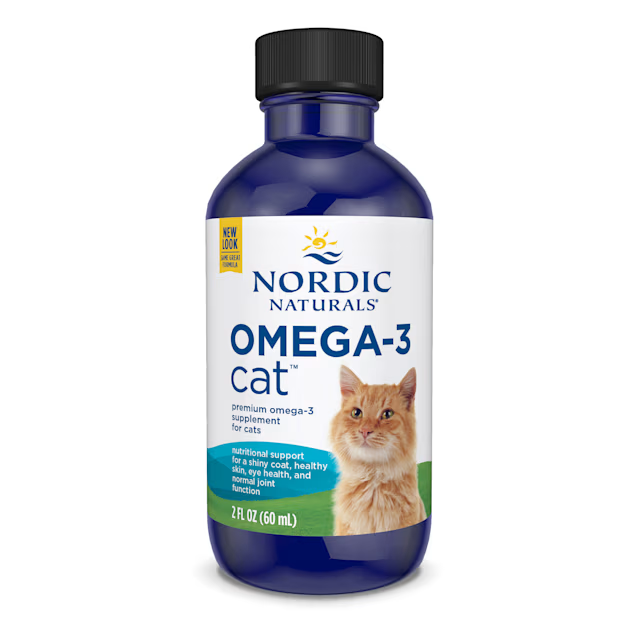
Credit: www.petco.com
Dosage And Administration Tips
Giving the right amount of supplements to your cat is key to their health. Too much can harm, and too little may not help. Follow clear guidelines and watch your cat’s reaction closely. This ensures they get the benefits without risks.
Proper Dosing Guidelines
Read the label carefully for the correct dose. Each supplement has a specific dose based on your cat’s weight and age. Use a proper measuring tool like a syringe or dropper for liquids. Avoid guessing the amount. Stick to the recommended schedule, whether daily or weekly. Consult your vet before changing the dose.
Incorporating Supplements Into Meals
Mix supplements into your cat’s food for easier intake. Use wet food or a small treat to hide the taste. Break tablets into smaller pieces if needed. Avoid adding supplements to dry food as cats might eat unevenly. Observe if your cat finishes the meal. Try different foods to find what works best.
Monitoring For Side Effects
Watch your cat for any unusual signs after giving supplements. Look for vomiting, diarrhea, or loss of appetite. Changes in behavior or energy can also signal problems. Stop the supplement if side effects appear. Contact your vet for advice and possible alternatives. Keep a log of supplements and reactions for better tracking.

Credit: www.amazon.com
Frequently Asked Questions
What Are Essential Supplements For A Cat’s Health?
Essential supplements for cats include omega-3 fatty acids, probiotics, and taurine. These support heart, digestive, and eye health. Always consult your vet before adding supplements to your cat’s diet to ensure safety and proper dosage.
How Do Omega-3 Supplements Benefit Cats?
Omega-3 supplements improve skin, coat health, and reduce inflammation. They also support brain and joint function. Regular supplementation can enhance your cat’s overall well-being and mobility.
Can Probiotics Improve My Cat’s Digestion?
Yes, probiotics help balance gut bacteria and improve digestion. They reduce diarrhea and support immune health. Adding probiotics can aid cats with sensitive stomachs or those on antibiotics.
Why Is Taurine Important For Cats?
Taurine is an essential amino acid vital for heart, vision, and reproductive health. Cats cannot produce enough taurine naturally, so supplementation is crucial to prevent deficiencies and related diseases.
Conclusion
Cats need the right supplements to stay healthy and happy. Good nutrition supports their energy and immune system. Always choose supplements made for cats, with safe ingredients. Consult your vet before adding anything new to their diet. Simple care and the right supplements can help your cat live well.
Keep an eye on their health and adjust as needed. Small steps make a big difference in your cat’s life.



Leave a Reply