Are you wondering if the National Health Care system in Canada will cover the cost of an abortion? This is an important question that many people have, especially when facing a difficult decision.
Understanding what is covered by your health plan can ease your worries and help you make informed choices. You’ll discover exactly how Canada’s healthcare handles abortion costs, what to expect, and where you can turn for support. Keep reading to get clear answers that matter to you.
Canada’s Health Care System
Canada’s health care system is known for providing essential medical services to all residents. It operates under a public funding model. This means most health care costs are paid by the government. The system aims to make health care accessible and affordable for everyone.
Health care in Canada is managed at different levels. The federal government sets national standards and provides funding. Provinces and territories deliver the actual health care services. This structure affects how certain services, like abortion, are funded and accessed.
Public Funding Basics
Canada’s health care is funded mainly through taxes. These public funds cover doctor visits, hospital stays, and medical procedures. Services must be medically necessary to qualify for public coverage. The system focuses on fairness, ensuring no one pays directly for essential care.
Abortion is considered a medical procedure in Canada. It generally falls under publicly funded health care. This means the cost of abortion is covered by the government for residents. Coverage details may vary depending on the province or territory.
Provincial And Territorial Roles
Each province and territory manages its own health care plan. They decide how to allocate federal funds and set rules for services. This creates differences in how abortion services are provided across Canada.
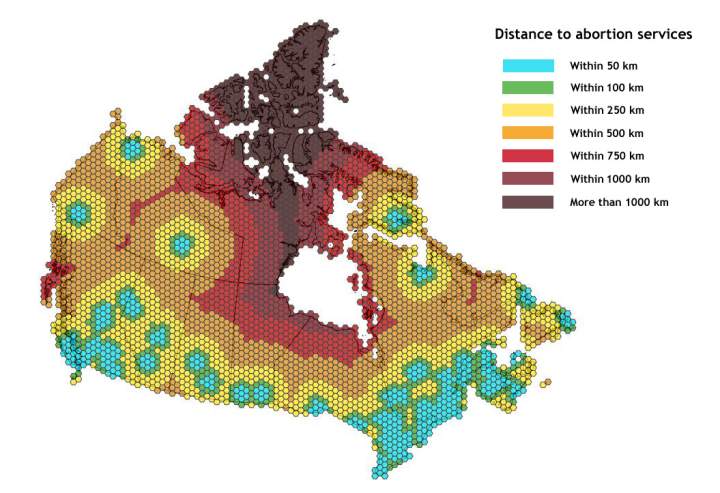
Some provinces offer abortion services in hospitals and clinics. Others may have limited access and fewer facilities. Travel may be necessary for some women to receive care. Provincial health plans cover the cost within their regions.
Understanding your province’s health care plan is important. It helps to know what services are available and covered. Local health authorities can provide specific information on abortion coverage and access.
Abortion Coverage In Canada
Abortion coverage in Canada is part of the country’s public health system. Each province and territory manages its own health care plan. This means how abortion services are covered can vary. The Canada Health Act ensures medically necessary services are covered, including abortions. Access to abortion through public health plans depends on local policies and available facilities.
Medical Vs. Surgical Abortions
Medical abortions use pills to end a pregnancy. They are safe and can be done early, usually before 10 weeks. Surgical abortions involve a minor operation to remove pregnancy tissue. Both methods are approved and covered by public health plans. Choice depends on how far the pregnancy has progressed and patient preference. Medical abortions often happen at home under doctor supervision. Surgical abortions require a clinic or hospital visit.
Access Through Public Health Plans
Public health plans in Canada cover abortion costs in hospitals and clinics. Coverage includes consultation, procedure, and follow-up care. Provinces like Ontario and British Columbia provide broad access through their health plans. Some remote areas may face limited access due to fewer clinics. Travel costs to access abortion may not be covered. Patients should check with their local health authority for specific coverage rules and locations.
Provincial Variations In Coverage
Abortion coverage in Canada varies across provinces. These differences can affect access and cost. Understanding these variations is crucial for those seeking an abortion. Each province has its own policies and funding rules.
Coverage Differences Across Provinces
In some provinces, public health insurance covers abortions fully. In others, only specific clinics and hospitals are covered. Some provinces require referral from a doctor. Others allow self-referral to clinics. It’s important to check local regulations and services. This helps in planning the procedure.
Private Vs. Public Facilities
Public facilities often receive government funding for abortions. This makes the procedure cost less or nothing for patients. Private facilities might not be fully covered. Patients may need to pay some fees. Private clinics might offer more flexible appointment times. They may also provide a wider range of services.

Credit: globalnews.ca
Eligibility For Public Funding
Understanding eligibility for public funding is crucial if you’re considering an abortion in Canada and want to know if the National Health Care system will cover the costs. Public funding depends on several factors including your residency status and where the procedure is performed. Knowing these details upfront can save you time and reduce stress during an already challenging moment.
Who Qualifies For Coverage
Canadian citizens and permanent residents typically qualify for abortion coverage under provincial health plans. If you have a valid health card issued by your province or territory, you are likely eligible for publicly funded services.
Temporary residents, such as international students or workers, usually do not qualify for full coverage unless they have private insurance or specific provincial programs. Some provinces offer coverage to Indigenous peoples regardless of residency status, reflecting a commitment to equitable healthcare access.
Are you wondering if your specific situation fits these categories? It’s important to check with your local health authority because rules can vary between provinces like Ontario, Quebec, and British Columbia.
Documentation And Process
To access publicly funded abortion services, you need to present valid health insurance documentation. This usually means your provincial health card and a photo ID.
Booking an appointment often requires a referral from a healthcare provider, such as your family doctor or a clinic. Some provinces allow direct access to abortion clinics without a referral, but this depends on local regulations.
Make sure to ask about the paperwork required when you call or visit a clinic. Missing documentation can delay the process, which is critical because timing matters with abortion services.
Additional Costs And Limitations
Understanding the additional costs and limitations related to abortion coverage under Canada’s National Health Care is essential. While the system covers many medical procedures, some expenses and barriers might still affect your access and financial responsibility. Knowing what to expect can help you prepare and make informed decisions about your care.
Potential Out-of-pocket Expenses
Although the procedure itself is covered, you may face some extra costs. Travel expenses can add up if you need to visit a clinic far from home, especially in rural areas where services are limited.
Medications prescribed during or after the abortion might not be fully covered by provincial health plans. You might also need to pay for counseling or follow-up visits that aren’t included in the basic coverage.
Have you considered how these additional fees could impact your budget? Planning ahead can reduce unexpected financial stress.
Waiting Periods And Accessibility
Access to abortion services varies significantly across provinces and territories. Some regions have long waiting times due to a shortage of providers or clinics, which can delay your care.
Waiting periods can affect your health and emotional well-being. It’s important to know the local laws and available services to avoid surprises.
What options do you have if the nearest clinic is hours away or if the wait time is weeks long? Exploring telemedicine or support organizations might help bridge these gaps.
Support Services And Resources
Support services and resources play a vital role in the abortion care process in Canada. These services ensure individuals receive the help they need before, during, and after the procedure. Access to support can ease anxiety and promote better health outcomes. Understanding available resources helps patients make informed decisions and feel supported throughout their experience.
Counseling And Follow-up Care
Counseling is available to provide emotional support and clear information. Professionals help discuss options and address concerns. Follow-up care ensures recovery goes smoothly and checks for any complications. It also offers a chance to talk about contraception and future health plans. These services are often covered by provincial health plans.
Local Clinics And Hospitals
Many clinics and hospitals across Canada offer abortion services. These locations provide medical and surgical options depending on the stage of pregnancy. Staff at these centers are trained to provide respectful and confidential care. Patients can find clinics in both urban and rural areas. Provincial health insurance usually covers costs at these facilities.
Legal Framework And Rights
Understanding the legal framework and your rights around abortion in Canada is essential if you are considering this option. The country’s laws shape what services are covered by the National Health Care system and protect your privacy and freedom to make personal health decisions. Knowing these details helps you navigate the process with confidence and clarity.
Federal Laws Affecting Abortion
In Canada, abortion is legal and regulated under federal law. The Supreme Court’s 1988 decision removed criminal restrictions, making abortion a medical procedure governed by healthcare regulations instead of criminal law.
The Canada Health Act ensures that medically necessary services, including abortion, are covered by provincial health plans. However, availability can vary depending on your province or territory, affecting how and where you can access abortion services.
Have you checked your local health authority’s coverage details? Being informed about your region’s specific policies can save you time and stress.
Patient Rights And Privacy
Your rights as a patient in Canada are strongly protected. You have the right to confidential and respectful care, meaning your abortion decision and medical information remain private.
Healthcare providers must obtain your informed consent before any procedure. This means you should receive clear, unbiased information about your options and the risks involved.
Think about the importance of privacy in your own healthcare experience. How would knowing your information is secure impact your comfort level in seeking care?

Credit: globalnews.ca
Credit: globalnews.ca
Frequently Asked Questions
Does Canada’s Health System Cover Abortion Costs?
Yes, abortion procedures are generally covered by Canada’s public health insurance in most provinces and territories, ensuring access without direct charges.
Are There Provincial Differences In Abortion Coverage?
Yes, coverage can vary by province, with some offering full public funding and others having specific regulations or restrictions.
Can Non-residents Access Publicly Funded Abortions In Canada?
Typically, public health insurance covers Canadian residents; non-residents may need private insurance or pay out-of-pocket for abortion services.
Is Medical Abortion Included In National Health Coverage?
Medical abortions are usually covered under Canada’s health plans, providing non-surgical options without extra costs to eligible patients.
Conclusion
Canada’s national health care covers abortion services in most cases. Each province may have different rules and coverage details. Costs are usually covered through public health insurance plans. It is important to check local policies for specific information. Access to abortion remains safe and legal across Canada.
Health care aims to support people’s needs with respect and care. Understanding coverage helps avoid unexpected expenses. Always seek advice from health providers or official sources. Access to care matters for everyone’s well-being and choice.



Leave a Reply