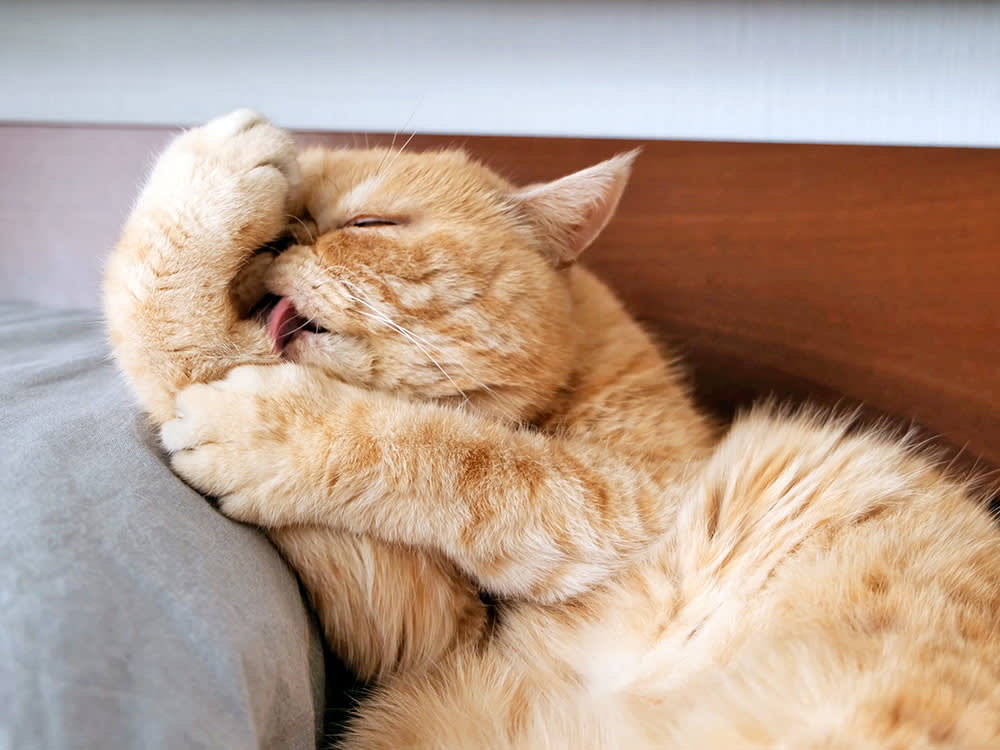
Have you ever watched your cat spend hours licking its fur and wondered, “Why does my cat keep grooming itself?” It’s a common sight, but sometimes this behavior can be more than just a simple habit. Your cat’s grooming tells a story about its health, comfort, and emotions.
You’ll discover the surprising reasons behind this constant cleaning and learn how to tell when it’s normal or a sign that something might be wrong. Keep reading to understand what your furry friend is trying to tell you through its grooming habits.
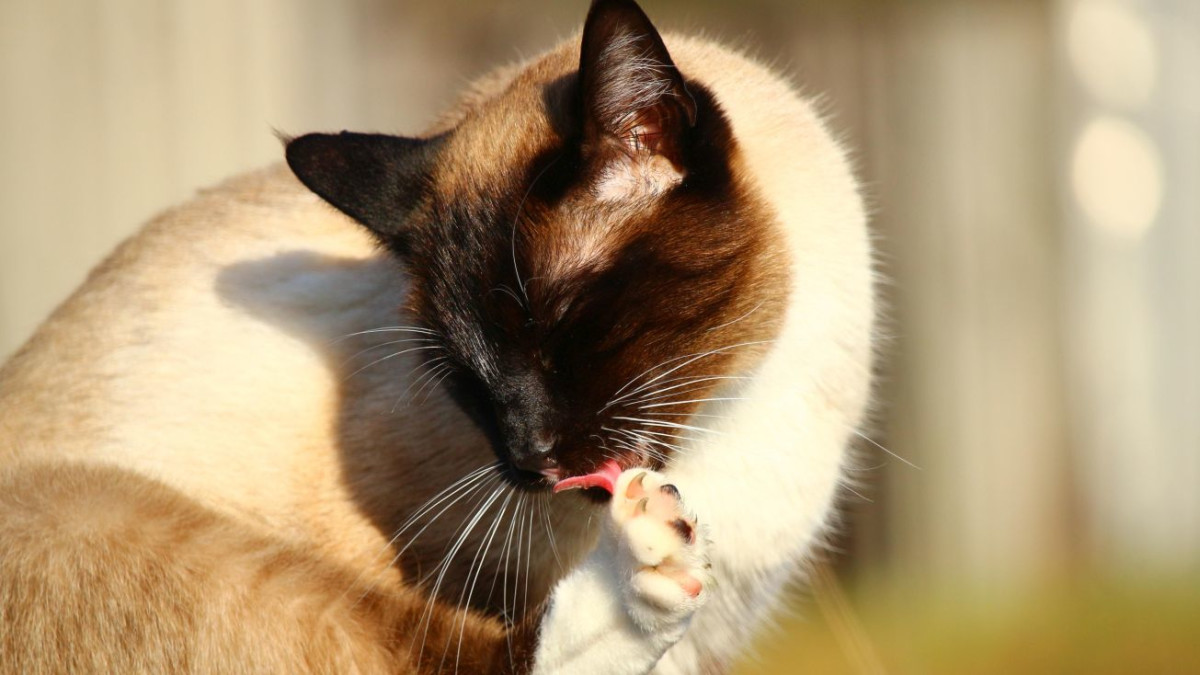
Credit: pethelpful.com
Normal Grooming Habits
Watching your cat grooming itself might seem like a simple, everyday action. Yet, this behavior is a vital part of their normal routine. Understanding your cat’s grooming habits helps you recognize what’s healthy and when to be concerned.
Daily Grooming Routine
Your cat spends a significant part of its day grooming. This routine includes licking their fur to remove dirt and loose hairs. You might notice them focusing on certain spots like their face, paws, or tail more frequently.
Grooming also involves scratching and nibbling to clean hard-to-reach areas. Have you ever seen your cat pause, look satisfied, then start again? That’s their way of keeping their coat in top shape.
Benefits Of Grooming
Grooming does much more than just keep your cat looking clean. It helps regulate their body temperature by spreading natural oils across their fur. These oils add shine and keep the coat waterproof.
It also reduces stress and helps your cat feel calm. When your cat grooms itself after a stressful event, it’s their way of soothing their nerves. Have you noticed your cat grooming more after a loud noise or a vet visit?
- Removes dirt and parasites
- Prevents matting and hairballs
- Strengthens the bond when cats groom each other
Next time you see your cat grooming, think about all the benefits packed into that simple act. It’s a small, powerful behavior that plays a big role in their daily wellbeing.
Excessive Grooming Signs
Excessive grooming in cats is more than just a cleaning habit. It may signal stress or health problems. Cats normally groom to stay clean and calm. But too much grooming can cause harm and discomfort. Spotting signs of over-grooming helps protect your cat’s health.
When Grooming Becomes A Problem
Watch for signs that grooming is out of control. Your cat may lick or bite the same area repeatedly. Fur loss or bald patches often appear. Skin may look red or irritated. Grooming sessions get longer and more intense. Your cat might seem restless or anxious. Such behavior shows grooming has turned from routine to excessive.
Physical Effects On Cats
Excessive grooming can damage your cat’s skin. It may cause sores, scabs, or infections. The fur can become thin or patchy. Skin may bleed if scratched too much. Constant licking dries out the skin. This leads to itchiness and discomfort. These effects lower your cat’s quality of life.
Common Causes Of Over-grooming
Cats often groom themselves too much due to stress, allergies, or skin problems. Parasites like fleas can also cause constant licking and biting. Sometimes, boredom or pain leads to over-grooming as well.
Understanding why your cat might be over-grooming can be a bit of a puzzle. While grooming is a natural behavior, excessive grooming might hint at underlying issues. Let’s dive into some common causes that could be triggering this behavior in your feline friend.Fleas And Parasites
Fleas are tiny but mighty irritants. They can cause your cat to groom excessively as they try to rid themselves of these pesky invaders. Even a single flea can cause severe itching, leading to relentless grooming. Check your cat’s fur regularly. Use a flea comb and watch for any signs like tiny black specks or excessive scratching. Treating your pet and home for fleas can make a world of difference.Skin Allergies
Just like humans, cats can suffer from allergies. These can be triggered by food, pollen, or even the materials in their bedding. Allergies often manifest as itchy skin, prompting cats to groom more than usual. Consider any recent changes in your cat’s environment or diet. Has there been a change in their food brand or have you switched cleaning products? Identifying and eliminating the allergen can significantly reduce your cat’s discomfort.Infections And Irritations
Infections or irritations from cuts, scrapes, or insect bites can also lead to over-grooming. Your cat might be trying to soothe the affected area, but excessive grooming can worsen the problem. Regularly inspect your cat for any unusual bumps or sores. If you notice any suspicious spots, a visit to the vet could be necessary to ensure it doesn’t lead to a more severe infection. Could your cat’s grooming behavior be a sign of something more? Understanding these common causes can help you make informed decisions about your pet’s health. Remember, a happy cat is often a healthy cat!
Credit: hellopetsinc.com
Stress And Anxiety Factors
Cats often groom themselves to stay clean and healthy. But too much grooming can mean stress or anxiety. Stress makes cats feel uneasy and restless. Grooming becomes a way to calm down or feel safe. Understanding stress and anxiety helps you care for your cat better.
Environmental Changes
Cats dislike sudden changes in their home. New furniture, loud noises, or moving can upset them. These changes cause confusion and fear. Grooming more than usual helps cats feel in control. It gives them comfort in an uncertain place.
Separation Anxiety
Some cats get upset when left alone. They miss their owners or feel lonely. This anxiety can lead to repeated grooming. It acts as a distraction from feeling sad or scared. Keeping your cat company reduces this type of stress.
Boredom And Lack Of Stimulation
Cats need activity and mental challenges. Without toys or playtime, boredom sets in. Grooming fills the time and eases their restlessness. Providing toys and interaction stops over-grooming caused by boredom.
Medical Conditions Linked To Grooming
Excessive grooming in cats can sometimes signal more than just a cleaning habit. Various medical conditions can drive your cat to groom itself persistently. Recognizing these underlying causes can help you address your pet’s discomfort before it worsens.
Pain Or Discomfort
Cats often groom to soothe areas where they feel pain or irritation. If your cat keeps licking a specific spot, it might be trying to manage an injury, allergy, or skin infection.
Have you noticed your cat focusing on one area repeatedly? This behavior could indicate discomfort that needs veterinary attention. Ignoring such signs might lead to skin damage or infections.
Hormonal Imbalances
Hormonal changes can alter your cat’s grooming habits significantly. Conditions like hyperthyroidism or diabetes can cause excessive licking or self-grooming due to skin dryness or itchiness.
Watch for other symptoms such as weight loss, increased thirst, or changes in appetite alongside grooming. These clues can help your vet diagnose hormonal issues early.
Neurological Issues
Sometimes, neurological problems trigger compulsive grooming in cats. Conditions affecting the brain or nerves may cause repetitive licking as a coping mechanism for confusion or discomfort.
If your cat’s grooming seems obsessive and is paired with behavioral changes, consider a neurological check-up. Early diagnosis can improve your cat’s quality of life.

Credit: medium.com
Behavioral Causes
Cats groom themselves for many reasons beyond cleanliness. Sometimes, grooming is linked to their behavior. Understanding these behavioral causes helps identify if your cat needs help or just has unique habits. Excessive grooming often signals stress, boredom, or a way to get attention. Recognizing these signs early can improve your cat’s wellbeing and your bond.
Compulsive Grooming
Compulsive grooming happens when a cat grooms too much, often causing skin problems. It is similar to human habits like nail-biting. Stress and anxiety usually trigger this behavior. Changes in the environment or routine can upset your cat. The cat may lick or bite the same spot repeatedly. This can lead to hair loss or sores. Compulsive grooming needs careful attention to stop further harm.
Attention-seeking Behavior
Some cats groom themselves to get your attention. They learn that grooming brings you closer or makes you react. This behavior often appears when a cat feels lonely or ignored. Grooming becomes a way to connect with their owner. Cats may also purr or meow while grooming to attract attention. Understanding this helps you give your cat the care it needs.
How To Help Your Cat
Helping your cat stop excessive grooming starts with understanding the cause. Over-grooming can signal stress, allergies, or health issues. Careful observation and timely action improve your cat’s comfort and health. Here are ways to help your feline friend feel better and reduce grooming habits.
Identifying The Root Cause
Watch your cat’s behavior closely. Notice if grooming happens after certain events or at specific times. Check for skin redness, hair loss, or wounds. Look for signs of fleas or ticks. Stress triggers include changes in the home or routine. Allergies may cause itching and scratching. Pinpointing the cause guides the right treatment.
When To Visit The Vet
Seek veterinary advice if grooming causes skin damage. Sudden or severe hair loss needs urgent care. If your cat shows signs of pain or discomfort, visit the vet. Persistent itching or licking suggests underlying health problems. A vet can check for parasites, infections, or allergies. Early diagnosis helps prevent serious conditions.
Home Care Tips
- Keep your cat’s environment calm and stable.
- Use flea control products recommended by your vet.
- Provide regular playtime to reduce stress.
- Gently clean affected skin areas with vet-approved solutions.
- Offer a balanced diet to support healthy skin and coat.
- Use soft bedding to avoid skin irritation.
- Give your cat plenty of attention and reassurance.
Frequently Asked Questions
Why Does My Cat Groom Itself So Often?
Cats groom often to clean their fur, regulate body temperature, and reduce stress. It also helps them remove loose hair and parasites, keeping their coat healthy and shiny.
Can Excessive Grooming Indicate Health Problems?
Yes, excessive grooming can signal allergies, skin infections, or stress. If your cat grooms excessively, consult a vet to rule out medical issues or behavioral problems.
How Does Grooming Benefit A Cat’s Health?
Grooming removes dirt, loose fur, and parasites, preventing skin infections. It also boosts blood circulation and helps cats feel calm and comfortable.
Is It Normal For Cats To Groom After Eating?
Yes, cats often groom after eating to clean their faces and paws. It’s a natural behavior to maintain hygiene and comfort after meals.
Conclusion
Cats groom themselves to stay clean and healthy. This behavior also helps them feel calm and safe. Sometimes, too much grooming shows stress or skin problems. Watch your cat’s habits closely. A vet can help if grooming seems unusual or harmful.
Understanding why your cat grooms helps you care for them better. Keep your furry friend happy and comfortable every day. Simple care makes a big difference in your cat’s life.



Leave a Reply