Have you ever noticed your cat playing with the same toy over and over? You might wonder, “Will my cat get bored of one toy?” It’s a question every cat owner asks at some point.
Understanding your cat’s play habits can help keep them happy and active. You’ll discover why your feline friend might lose interest in a toy and what you can do to keep their playtime exciting. Keep reading to learn how to make sure your cat never gets bored again.
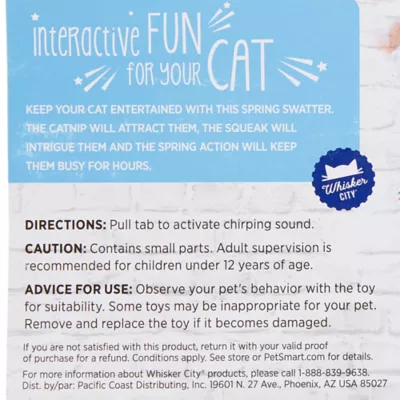
Credit: www.petsmart.com
Cat Play Behavior
Understanding your cat’s play behavior is key to keeping them happy and mentally stimulated. Cats use play to express their natural hunting instincts, learn about their environment, and burn off energy. Observing how your cat interacts with toys can give you clues about their preferences and mood.
How Cats Engage With Toys
Cats don’t just swat at toys randomly; their play often mimics hunting behavior. You might notice your cat stalking, pouncing, or batting at a toy like it’s prey. Some cats prefer chasing moving toys, while others like toys they can carry or chew on.
Think about how your cat usually plays. Do they like quick bursts of activity or long, gentle batting? This can help you choose toys that keep them interested longer.
Signs Of Toy Boredom
When a toy no longer excites your cat, they might ignore it or lose interest quickly. If your cat walks away from the toy or uses it less enthusiastically, it’s a clear sign they are bored.
Other signs include distracted play, like looking around the room or focusing on something else, and lack of interaction. Have you noticed your cat dropping a toy after just a few minutes lately? That could mean it’s time to refresh their play options.
Why Variety Matters
Keeping your cat entertained with just one toy can be tricky. Cats are curious and intelligent creatures, and they often lose interest if they don’t get new challenges. Offering a variety of toys keeps their minds sharp and their playtime exciting.
Benefits Of Different Toys
Different toys stimulate different instincts in your cat. Soft toys encourage gentle batting and carrying, while interactive toys like laser pointers or feather wands engage their hunting skills. Puzzle feeders add a mental challenge, making them work for treats.
By mixing toy types, you help your cat stay active and mentally alert. This variety can reduce boredom and prevent destructive behavior. Have you noticed how your cat reacts differently to each toy? That’s a clue that variety truly matters.
Rotating Toys To Maintain Interest
Instead of giving your cat all toys at once, try rotating them every few days. This simple switch keeps toys feeling fresh and exciting. Your cat will be eager to explore the “new” items again.
Rotation also prevents toys from getting worn out too quickly. Keep a small stash hidden and swap them out regularly. You might find your cat becomes more engaged and playful with this approach.
Have you tried hiding a favorite toy for a week and then bringing it back? Many cats treat the toy like a new discovery, showing how rotation can bring back their enthusiasm.
Interactive Play Ideas
Cats may lose interest in a single toy over time. Changing toys or adding new textures keeps playtime exciting. Interactive play helps your cat stay active and happy.
Interactive play ideas can keep your cat entertained and mentally stimulated. Using a variety of engaging techniques ensures your cat remains active and happy. These activities also help strengthen the bond between you and your furry friend. Here are some creative ways to engage your cat with interactive play.Using Toys To Bond
Playing with toys can enhance your relationship with your cat. Use toys that mimic prey, like feather wands or small balls. Engage your cat with these toys by mimicking hunting movements. This encourages natural instincts and keeps their interest piqued. Spend a few minutes daily in focused play sessions. This not only provides exercise but also strengthens your connection.Incorporating Movement And Sounds
Toys that move and make sounds can captivate your cat’s attention. Consider toys with built-in squeakers or those that rustle. Movement can be unpredictable, like a motorized mouse toy. These toys spark curiosity and provide mental stimulation. Experiment with different sounds to see which your cat prefers. Rotate toys weekly to maintain novelty and excitement.
Credit: www.youtube.com
Diy Cat Toys
DIY cat toys offer a fun way to keep your cat entertained without spending much money. These toys can be simple and made from things around your home. They provide variety, which helps prevent your cat from getting bored. Making toys yourself also lets you customize them to your cat’s preferences.
Simple Homemade Options
- Paper balls: Crumple a small piece of paper into a ball. Cats love batting these around.
- Feather wand: Attach feathers to a stick or string. It mimics prey and encourages play.
- Cardboard boxes: Cut holes and create tunnels. Cats enjoy hiding and exploring inside.
- Toilet paper rolls: Stuff with a bit of catnip or crinkle paper. Great for batting and chewing.
- Fabric scraps: Tie strips of fabric into knots. Cats like to paw and chew these.
Safe Materials To Use
Always choose materials that are safe for cats to chew and play with. Avoid anything small enough to swallow or sharp edges that can hurt. Natural materials like cotton, wool, and paper are usually safe. Do not use toxic glues or paints. Check toys regularly for wear and replace them if damaged.
Creating A Play Routine
Creating a play routine with your cat helps keep their interest alive and prevents boredom with a single toy. Establishing regular play sessions not only strengthens your bond but also offers mental and physical stimulation. The key is to balance consistency with flexibility, so your cat looks forward to playtime without feeling overwhelmed.
Timing And Frequency
Short, frequent play sessions often work better than long, infrequent ones. Aim for about 10 to 15 minutes, two to three times a day. Cats have short attention spans, and breaking play into manageable chunks keeps them excited.
Try to schedule playtimes around your cat’s natural activity peaks, usually early morning and evening. If you notice your cat losing interest quickly, it might mean you’re playing too long or too often. Have you noticed your cat’s favorite time for play?
Adapting To Your Cat’s Energy Levels
Each cat has unique energy rhythms. Some may be hyperactive in the morning but calm in the afternoon. Watch your cat closely and adjust play sessions based on their mood and energy.
If your cat seems tired, switch to gentle activities like slow feather chasing instead of vigorous pouncing games. On high-energy days, increase the intensity or introduce short bursts of interactive play. How does your cat’s energy change throughout the day?
When To Replace Toys
Knowing when to replace your cat’s toys is essential to keep your feline friend happy and engaged. Toys that are damaged or no longer interesting can lead to boredom or even pose safety risks. Paying attention to the condition of the toys and how your cat interacts with them helps you decide the right time to bring in something new.
Signs A Toy Is Worn Out
You might notice your cat losing interest in a toy, but sometimes the toy itself shows clear signs of wear. Look for torn fabric, broken parts, or missing pieces that could hurt your cat.
- Frayed edges or stuffing coming out
- Loose strings or broken mechanisms
- Unpleasant odors or dirt buildup
If you’ve ever watched your cat bat a toy that barely moves or squeaks anymore, you know how dull it can be. These signs tell you it’s time to replace the toy to keep playtime exciting and safe.
Introducing New Toys Gradually
Bringing in a new toy all at once might overwhelm your cat or cause them to ignore it. Instead, introduce new toys slowly and alongside old favorites.
Try swapping one toy at a time or mixing new toys with familiar ones during play sessions. This approach encourages curiosity and helps your cat adjust without stress.
Have you noticed how your cat reacts differently to a new toy when it’s introduced gently? Watching their interest grow can be a rewarding experience and keeps your cat mentally stimulated.

Credit: www.reddit.com
Frequently Asked Questions
Will My Cat Get Bored Of One Toy Quickly?
Yes, cats can get bored of one toy if used repeatedly. Rotating toys regularly keeps their interest fresh and stimulating.
How Often Should I Change My Cat’s Toys?
It’s best to rotate toys every few days to a week. This variety helps maintain your cat’s curiosity and playfulness.
Can Boredom Affect My Cat’s Behavior?
Yes, boredom can lead to destructive or lethargic behavior. Providing new toys or playtime helps keep your cat mentally active.
What Types Of Toys Keep Cats Entertained Longest?
Interactive toys, puzzle feeders, and toys that mimic prey usually keep cats engaged longer. Variety and movement stimulate their natural hunting instincts.
Conclusion
Cats can enjoy one toy for a while but may lose interest. They like new challenges and different textures. Rotating toys keeps playtime exciting and fresh. Pay attention to your cat’s reactions and swap toys often. Boredom can lead to less activity or bad behavior.
Keep your cat happy by offering variety and fun. Small changes make a big difference in their daily play. Toys are important, but your time matters most. Play together to strengthen your bond and keep boredom away.

Leave a Reply