Have you ever wondered when it’s safe to give your cat those fun catnip toys? You want your furry friend to enjoy playtime without any worries.
But the question is, at what age can your cat start having catnip toys? Knowing the right time can make a big difference in your cat’s happiness and health. You’ll discover everything you need to know about introducing catnip toys to your cat safely.
Keep reading to find out how to make playtime both fun and safe for your beloved pet!

Credit: www.amazon.com
Catnip Basics
Understanding catnip is important before giving your cat any catnip toys. Catnip is a natural herb loved by many cats. It can make playtime more exciting and fun for your pet. Knowing the basics helps you use catnip safely and effectively.
What Is Catnip
Catnip is a plant from the mint family. Its scientific name is Nepeta cataria. The leaves and stems contain a compound called nepetalactone. This compound causes strong reactions in cats. Catnip can be fresh, dried, or in toys.
How Catnip Affects Cats
Catnip affects cats by stimulating their senses. It triggers a temporary feeling of happiness and excitement. Cats may roll, jump, or rub against catnip. Some cats become very playful. Others may become calm or relaxed.
Not all cats respond to catnip. Sensitivity is genetic. Usually, kittens under six months do not react. The effect lasts about 10 to 15 minutes. After that, cats lose interest until it resets.
Age To Introduce Catnip Toys
Introducing catnip toys to your feline friend is an exciting milestone. But when is the right age for your cat to start enjoying these aromatic treasures? Understanding the appropriate age ensures your cat can safely enjoy the stimulating effects of catnip without any worries. Here’s a guide to help you determine the perfect time to introduce catnip toys to your playful companion.
When Kittens Can Start
Kittens are curious by nature, but their sensitivity to catnip doesn’t kick in immediately. Typically, cats develop a response to catnip between three to six months of age. Before this period, your kitten might not show any interest in catnip toys.
It’s fascinating to see how some cats are completely unaffected by catnip, while others go wild with excitement. If your kitten doesn’t react, don’t be concerned; not all cats carry the gene that makes them sensitive to catnip. Observe and wait until your kitten reaches the right age to try again.
Signs Your Cat Is Ready
How do you know your cat is ready for catnip toys? Look for signs of curiosity and playfulness. If your cat is actively exploring new textures and scents, it’s a good indicator they might enjoy catnip.
Another sign is your cat’s interaction with other toys. If they’re batting and chasing them around, they might be ready to experience the enhanced playtime that catnip provides. Start with a small toy and observe their reaction.
Have you noticed your cat showing interest in certain smells or plants around the house? This curiosity could mean they’re ready for a catnip introduction. Just ensure the environment is safe and free of any potentially harmful plants.
Remember, every cat is unique. What works for one may not work for another. Pay attention to your cat’s behavior and adjust your approach accordingly. Your feline’s enjoyment is the ultimate goal, and with a little patience, you’ll find the right time to introduce the joy of catnip toys.
Types Of Catnip Toys
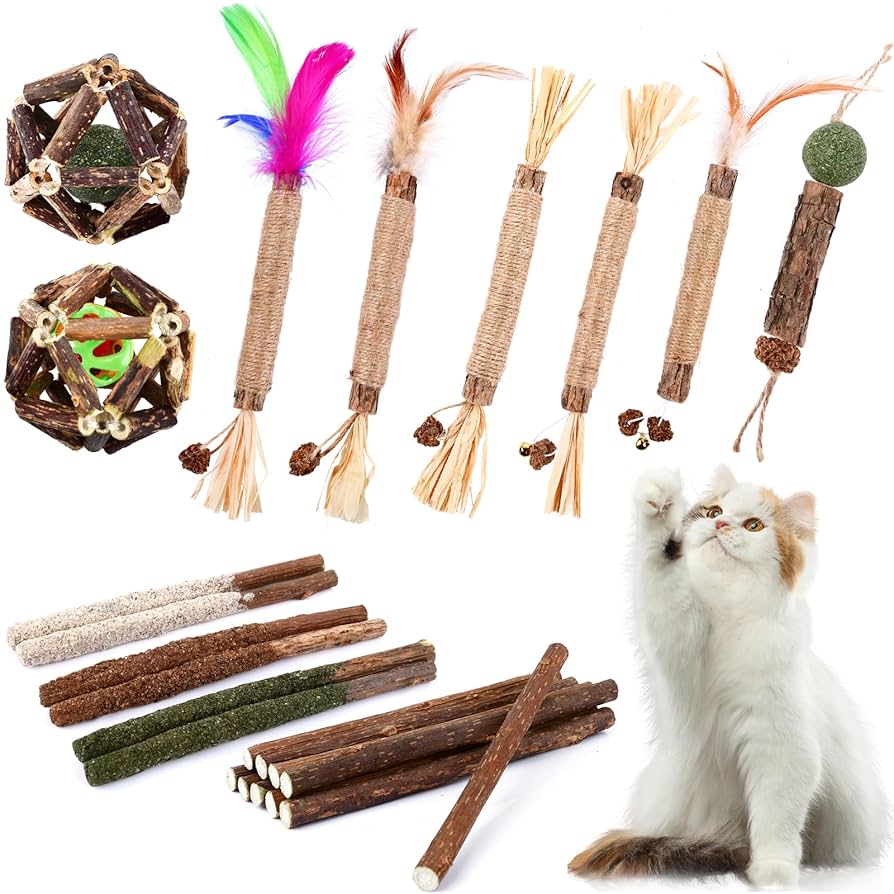
Catnip toys come in many shapes and forms, each offering a unique way to engage your feline friend. Knowing the different types helps you choose the best fit for your cat’s personality and play style. Let’s take a closer look at some popular options you might consider.
Stuffed Toys
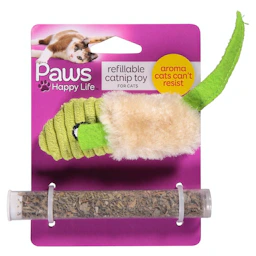
Stuffed catnip toys are soft and cuddly, making them perfect for cats that like to carry their toys around or snuggle with them. These toys often come in fun shapes like mice, fish, or balls, filled with dried catnip that releases scent when squeezed or bitten.
I once gave my cat a small stuffed mouse, and she instantly became more playful and affectionate. Such toys are great for solo play and can keep your cat entertained for hours. Are you ready to see your cat pounce and wrestle with a new favorite?
Interactive Toys
Interactive catnip toys combine the allure of catnip with movement or puzzle elements to stimulate your cat’s mind and body. These toys might include balls that roll and release catnip scent or puzzle feeders that reward your cat with treats when they solve them.
Watching my cat chase a rolling catnip ball was a delightful reminder that cats crave challenge as much as comfort. These toys keep cats active and can help reduce boredom or anxiety. Could adding some interaction to your cat’s playtime improve their mood and fitness?
Homemade Options
You don’t always need to buy catnip toys—making your own can be fun and budget-friendly. Simple ideas include filling small fabric pouches with dried catnip or stuffing old socks with catnip and soft materials.
Creating homemade toys gave me control over the ingredients and size, ensuring safety and personalization. Plus, you can experiment with different fabrics and shapes to see what your cat prefers. Have you tried crafting toys to see if your cat enjoys something unique and hand-made?

Credit: www.amazon.com
Benefits Of Catnip Toys
Catnip toys do more than just entertain your feline friend. They offer a range of benefits that help keep your cat happy and healthy. Understanding these benefits can guide you on when and how to introduce catnip toys effectively.
Mental Stimulation
Catnip toys spark your cat’s curiosity and keep their mind active. When your cat interacts with a catnip toy, it encourages problem-solving and exploration.
You might notice your cat becoming more alert and engaged, which helps reduce boredom. Have you ever watched your cat suddenly perk up and focus intensely on a toy? That’s mental stimulation in action.
Physical Exercise
Catnip toys motivate cats to move around more. Whether your cat is chasing, batting, or pouncing on the toy, they get a good workout without even realizing it.
Regular play with catnip toys can improve your cat’s agility and overall fitness. Does your cat seem sluggish sometimes? Adding catnip toys might get them moving again.
Stress Relief
Catnip has natural calming effects that can reduce anxiety in cats. When your cat rubs or chews a catnip toy, it can help them relax and feel more secure.
This is especially helpful during stressful events like vet visits or moving to a new home. Have you noticed how your cat reacts to new environments? A catnip toy might ease that tension.
Safety Tips For Catnip Use
Using catnip toys can be fun for cats, but safety matters most. Catnip affects each cat differently. Some cats react strongly, others do not. Knowing how to use catnip safely helps keep your cat happy and healthy.
Moderation Is Key
Too much catnip can upset your cat’s stomach. Use catnip toys only a few times each week. Let your cat enjoy short play sessions. This prevents overexposure and keeps the excitement fresh.
Avoiding Allergic Reactions
Some cats may have allergies to catnip. Watch for sneezing, coughing, or skin irritation. Stop using catnip if you see these signs. Consult your vet for advice on allergies.
Monitoring Your Cat’s Behavior
Observe how your cat acts with catnip toys. Look for signs of stress or aggression. Some cats become overly excited or anxious. Remove the toy if your cat seems upset. Always keep playtime safe and calm.
Alternatives To Catnip
Not all cats react to catnip. Some cats show no interest due to genetics. For these cats, there are natural alternatives that can spark their play and curiosity. These options provide safe, fun ways to engage your cat without catnip.
Silvervine
Silvervine comes from a plant native to Asia. It contains two compounds that attract cats. Many cats that ignore catnip respond well to silvervine. It can cause playful and excited behavior in cats. Silvervine is available as powder, sticks, or toys. It is safe and non-toxic for cats. Use it in moderation to avoid overstimulation.
Valerian Root
Valerian root is a herb known for its calming effects. It has a strong smell that many cats find interesting. Some cats become playful or relaxed when exposed to valerian root. It can be used in toys or sprinkled on scratching posts. Like silvervine, it is safe for cats when used correctly. Always observe your cat’s reaction to valerian root before regular use.
Maintaining Catnip Toys
Maintaining catnip toys keeps your cat happy and engaged. Proper care helps the toys last longer and stay fresh. Clean and store them well to preserve the scent and texture. This ensures your cat enjoys the toys every time.
Storage Tips
Store catnip toys in a cool, dry place. Avoid direct sunlight to prevent the catnip from losing its scent. Use airtight containers or sealed bags to keep the toys fresh. Keep them away from moisture to stop mold growth. Separate old toys from new ones to preserve their quality.
Refreshing Catnip
Catnip loses its smell over time. Sprinkle a little fresh catnip on old toys to revive interest. You can also replace the catnip inside toys if possible. Use high-quality catnip for better results. Refresh toys regularly to keep your cat excited and playful.
Credit: www.gianteagle.com
Frequently Asked Questions
When Can Kittens Start Playing With Catnip Toys?
Kittens can start playing with catnip toys around 3 to 6 months old. At this age, their sensitivity to catnip develops. Introducing toys gradually helps them enjoy stimulation safely without overwhelming their senses.
Is Catnip Safe For Young Cats And Kittens?
Yes, catnip is safe for young cats and kittens. However, very young kittens under 3 months often don’t respond to catnip. Always supervise playtime to prevent excessive chewing or ingestion of toy materials.
How Often Should Cats Play With Catnip Toys?
Cats should play with catnip toys 2 to 3 times per week. Frequent exposure can cause desensitization. Limited play sessions keep the toy exciting and maintain the cat’s interest and stimulation.
Why Do Some Cats Ignore Catnip Toys?
About 30% to 50% of cats are genetically insensitive to catnip. Age, personality, and past experiences also influence their reaction. Offering alternative toys or herbs like silvervine may engage non-responsive cats.
Conclusion
Cats can enjoy catnip toys safely after they reach a few months old. Start by watching how your cat reacts to catnip. Some cats love it; others may not care. Always offer catnip toys in small amounts to avoid overstimulation.
Use these toys to keep your cat active and happy. Remember, not all cats respond to catnip the same way. Keep playtime fun and safe for your furry friend. Catnip toys can add joy to your cat’s day when used wisely.

Leave a Reply