If you have a long-haired cat, you know how beautiful—and challenging—their fur can be. Tangled knots, shedding, and matting can quickly turn your cuddly friend into a fluffball that needs extra care.
But don’t worry—grooming your long-haired cat doesn’t have to be a struggle. With the right tips and tools, you can keep your cat’s coat healthy, shiny, and comfortable. In this guide, you’ll discover simple, effective ways to make grooming easy and even enjoyable for both you and your feline friend.
Ready to make your cat’s fur look its best? Let’s dive in!
Choosing The Right Tools
Choosing the right tools is key to grooming your long-haired cat well. The proper tools make the process easier and more comfortable for your cat. Using the right brush, comb, and other accessories helps keep your cat’s coat healthy and shiny. It also reduces hairballs and mats. Investing in quality grooming tools saves time and effort in the long run.
Brush Types For Long Hair
Long-haired cats need brushes that reach deep into their fur. Slicker brushes work well to remove tangles and loose hair. Pin brushes help smooth the coat without pulling. Bristle brushes spread natural oils and add shine. Choose brushes with soft pins to avoid hurting your cat’s skin.
Combs And Nail Clippers
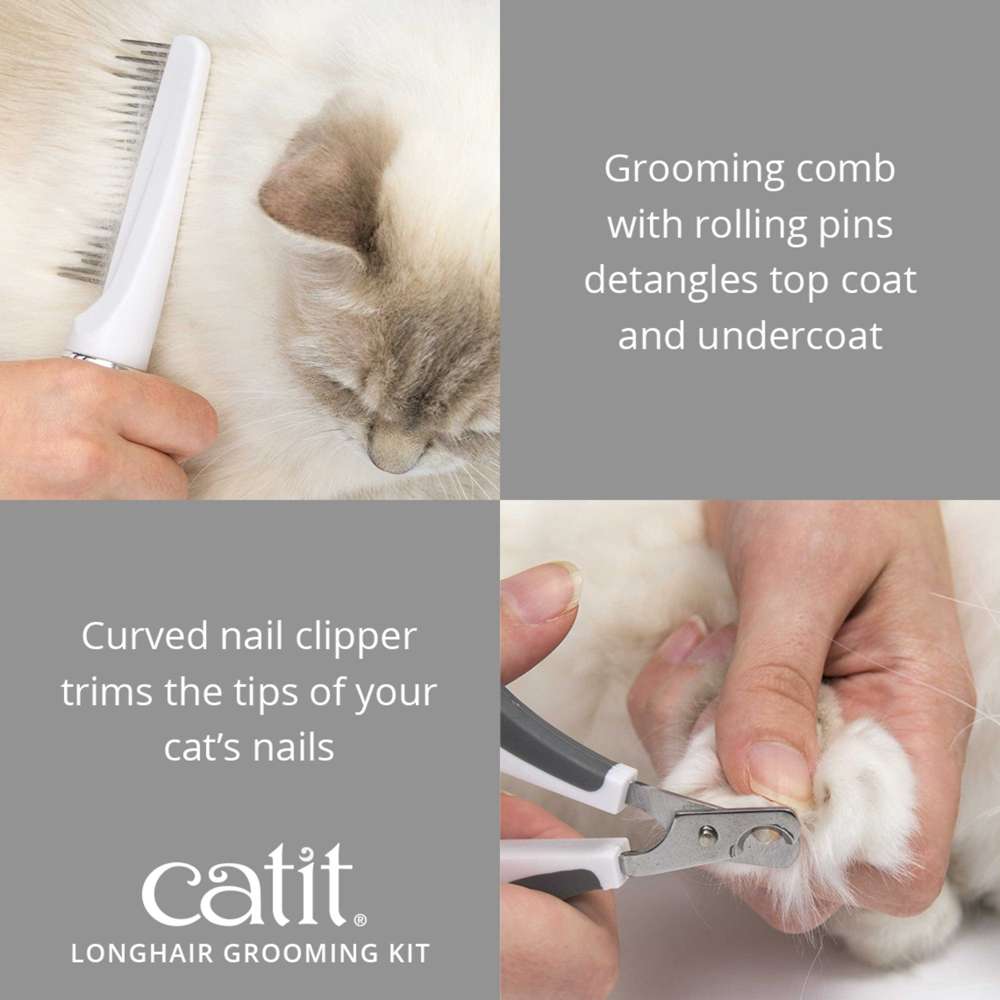
A wide-toothed comb untangles knots gently. Use it after brushing to catch smaller mats. Fine-toothed combs help remove fleas and dirt from the fur. Nail clippers designed for cats keep claws trimmed safely. Regular nail care prevents scratches and damage to furniture.
Grooming Gloves And Scissors
Grooming gloves remove loose hair while petting your cat. They offer a gentle way to reduce shedding. Scissors with rounded tips help trim stubborn mats and hair around sensitive areas. Always use scissors carefully to avoid accidents. These tools support thorough grooming at home.
Establishing A Grooming Routine
Creating a regular grooming routine helps keep your long-haired cat healthy and comfortable. It prevents mats and tangles, reduces shedding, and promotes a shiny coat. A consistent schedule makes grooming easier for both of you.
Start slow and be patient. Your cat will get used to the routine over time. This builds trust and makes grooming a positive experience.
Frequency Of Brushing
Brush your long-haired cat at least three times a week. Daily brushing is best for very thick or tangled fur. Regular brushing removes loose hair and stops mats from forming. It also spreads natural oils, keeping the coat soft.
Adjust frequency based on your cat’s activity and coat condition. More frequent brushing may be needed during shedding seasons.
Best Time For Grooming
Choose a quiet time when your cat is calm. After a nap or meal works well. Avoid grooming when your cat is active or stressed. Short sessions of 5 to 10 minutes help keep your cat relaxed.
Pick a consistent time each day or every few days. This routine helps your cat expect and accept grooming.
Creating A Calm Environment
Find a quiet, comfortable spot for grooming. Use soft lighting and keep noise low. Gentle talking or soft music can soothe your cat. Avoid sudden movements or loud sounds.
Use a soft brush and handle your cat gently. Take breaks if your cat shows signs of stress. Reward your cat with treats or praise after grooming to build positive feelings.
Brushing Techniques
Gentle brushing removes loose hair and prevents mats in long-haired cats. Use a soft-bristle brush and work slowly, focusing on tangles. Regular grooming keeps their coat smooth and healthy.
Grooming your long-haired cat can feel like an art form. It’s not just about keeping their coat shiny but ensuring they are comfortable and healthy. One critical aspect of grooming is brushing, which helps prevent mats and tangles. Here, we’ll delve into effective brushing techniques to keep your feline friend looking their best.Detangling Knots And Mats
Knots and mats can be stubborn foes in your cat’s fur. Start by gently teasing apart small knots with your fingers before they become mats. Use a wide-toothed comb to work through larger mats, holding the fur close to the skin to prevent pulling. Patience is key; rushing can cause discomfort or even pain. Have you ever noticed how your cat seems to sense your mood? Keeping calm will help both you and your cat.Brushing In The Direction Of Hair Growth
Always brush in the direction your cat’s hair grows. This method minimizes discomfort and helps distribute natural oils throughout the coat. Use a soft-bristled brush to tackle the surface and a slicker brush for deeper layers. Imagine trying to brush against the grain of your own hair—it’s not pleasant. Your cat will appreciate the gentle, soothing strokes that mimic natural grooming.Handling Sensitive Areas
Sensitive areas like the belly and tail require a delicate touch. Approach these spots with extra care, using a small, gentle brush. It’s wise to let your cat guide you; if they pull away or seem uncomfortable, pause and try again later. Rewarding your cat with treats during and after brushing can create a positive association. Isn’t it amazing how a little patience and understanding can transform grooming into bonding time?Bathing Your Cat
Bathing your long-haired cat can feel like a daunting task, but it’s an important part of keeping their coat healthy and free from mats. Unlike short-haired cats, your fluffy friend may need occasional baths to remove dirt and reduce shedding. The key is to know the right timing, use gentle products, and dry them safely to make the experience as stress-free as possible for both of you.
When To Bathe
Not every long-haired cat needs frequent baths. You should consider bathing your cat if their fur is visibly dirty, greasy, or has stuck-on substances that brushing can’t remove. Cats with skin conditions or allergies might also benefit from special baths recommended by your vet.
Think about your cat’s personality too—if they hate water, limit baths to when absolutely necessary. Would your cat be more comfortable with a quick rinse or a full bath? Observing their behavior helps decide the best approach.
Choosing Cat-friendly Shampoo
Always pick a shampoo made specifically for cats. Human shampoos or dog shampoos can irritate their sensitive skin and upset the natural oils in their coat. Look for products labeled “hypoallergenic” or “for sensitive skin” to avoid allergic reactions.
Some shampoos contain conditioners that make your cat’s fur softer and easier to brush afterward. You might want to try a sample first—does your cat’s skin stay calm and their coat shiny? Testing helps you find the best fit for your furry friend.
Drying Methods
After the bath, drying your cat properly is crucial to prevent chills and matting. Use a soft, absorbent towel to gently blot their fur, avoiding vigorous rubbing that can tangle hair. You may need several towels, especially if your cat’s coat is very thick.
If your cat tolerates it, a hairdryer on the lowest heat and speed can speed up drying. Keep the dryer moving and at a safe distance to avoid burns. Otherwise, create a warm, draft-free spot where your cat can relax and air dry naturally.
Maintaining Skin Health
Healthy skin is key to a happy long-haired cat. Grooming helps prevent common skin problems. It also keeps your cat comfortable and shiny. Regular care supports natural oils that protect the skin. This section covers simple ways to maintain your cat’s skin health.
Checking For Irritations
Look closely at your cat’s skin during grooming. Check for redness, bumps, or dry patches. These signs may mean irritation or allergies. Pay special attention to areas under the fur. Gently part the hair to see the skin clearly. If you spot anything unusual, consult a vet.
Preventing Fleas And Ticks
Fleas and ticks cause itching and skin damage. Use vet-approved flea and tick treatments regularly. Clean your cat’s bedding and living areas often. Check your cat’s skin and fur for pests after outdoor time. Early detection stops infestations and skin problems. A flea comb helps remove tiny pests.
Hydration And Diet Tips
Water keeps your cat’s skin moist and healthy. Provide fresh water daily in a clean bowl. A balanced diet supports skin health from inside out. Choose cat food rich in omega-3 and omega-6 fatty acids. These nutrients reduce inflammation and promote a shiny coat. Avoid overfeeding to prevent obesity-related skin issues.

Credit: catit.ca
Trimming And Nail Care
Trimming and nail care are important for your long-haired cat’s health and comfort. Keeping nails short prevents scratches and damage to furniture. Trimming excess fur helps reduce mats and keeps your cat clean. Proper care improves your cat’s wellbeing and happiness.
Safe Nail Trimming
Choose a quiet place with good light. Use special pet nail clippers for best results. Hold your cat’s paw gently but firmly. Cut only the sharp tip of the nail. Avoid the pink part called the quick. Cutting the quick causes pain and bleeding. If unsure, trim a little at a time. Praise your cat after each paw is done. Keep styptic powder nearby to stop bleeding if needed.
Trimming Excess Fur
Long fur around paws and belly can cause mats. Use scissors with rounded tips for safety. Trim fur gently without pulling the hair. Focus on areas that get dirty or tangled. Trim fur between paw pads to prevent slipping. Regular trimming keeps your cat cleaner and more comfortable. Check for mats and loosen them with a comb before trimming.
Avoiding Common Mistakes
- Do not trim nails too short to avoid pain.
- Avoid forcing your cat during grooming sessions.
- Never use human scissors or clippers on your cat.
- Don’t ignore signs of stress or discomfort.
- Do not trim fur too close to the skin.
- Skip trimming if your cat is very anxious; try later.
- Regular grooming prevents emergency mat removal and nail issues.
Recognizing Grooming Challenges
Grooming a long-haired cat requires patience and care. Their thick fur can cause unique challenges. Recognizing these issues early makes grooming easier for you and your cat. Understanding your cat’s behavior and coat needs helps prevent problems.
Dealing With Aggressive Behavior
Some cats resist grooming strongly. They may hiss, scratch, or bite to protect themselves. Aggression often comes from fear or discomfort. Watch for signs like tail flicking or growling. Use calm voices and gentle touches to soothe your cat. Break grooming into short sessions to avoid stress. Offering treats can create a positive experience.
Managing Shedding Seasons
Long-haired cats shed more in spring and fall. Their thick coats lose old fur to make way for new growth. Shedding can cause mats and tangles if not managed. Brush daily during these times to remove loose hair. Use a wide-tooth comb or slicker brush for best results. Regular grooming reduces hairballs and keeps your home cleaner.
When To Seek Professional Help
Some grooming tasks need expert care. Severe mats or skin problems require a groomer or vet. Avoid cutting mats yourself; it can hurt your cat. Professionals have tools and skills to handle difficult cases safely. Consult a vet if your cat shows signs of pain or infection. Regular check-ups ensure your cat stays healthy and comfortable.

Credit: catit.ca

Credit: catit.ca
Frequently Asked Questions
How Often Should I Groom My Long-haired Cat?
Groom your long-haired cat daily to prevent mats and tangles. Regular brushing reduces shedding and hairballs. It also keeps their coat healthy and shiny.
What Tools Are Best For Grooming Long-haired Cats?
Use a wide-toothed comb, slicker brush, and grooming scissors. These tools help remove loose hair and detangle knots safely. Avoid harsh brushes that can irritate your cat’s skin.
How Do I Prevent Mats In My Cat’s Fur?
Brush your cat’s fur gently every day, focusing on problem areas. Use detangling spray if needed. Regular grooming stops mats from forming and keeps your cat comfortable.
Can Grooming Reduce My Cat’s Shedding?
Yes, grooming removes loose fur before it falls off. Frequent brushing lowers shedding around your home. It also helps maintain your cat’s skin health.
Conclusion
Grooming your long-haired cat takes time and care. Regular brushing keeps their fur soft and clean. It also stops mats and tangles from forming. Use gentle tools and speak softly to your cat. Watch for skin issues or discomfort during grooming.
Make grooming a calm and positive routine. Your cat will enjoy the attention and look great. Keep these simple steps in mind for happy, healthy fur. A little effort goes a long way in cat care.

Leave a Reply