Have you ever wondered if giving your cat too many toys could actually be too much for them? You want your furry friend to be happy and entertained, but could an overload of toys cause stress or overstimulation?
It’s easy to think more toys mean more fun, but sometimes, less might be more. You’ll discover how to find the perfect balance so your cat stays engaged without feeling overwhelmed. Keep reading to learn how to make your cat’s playtime both exciting and healthy.
Cat Play Behavior
Understanding your cat’s play behavior is key to knowing how many toys they really need. Cats don’t just play for fun—they are expressing deep natural instincts. Watching your feline friend at play reveals a lot about what makes them happy and how much stimulation is just right.
Natural Hunting Instincts
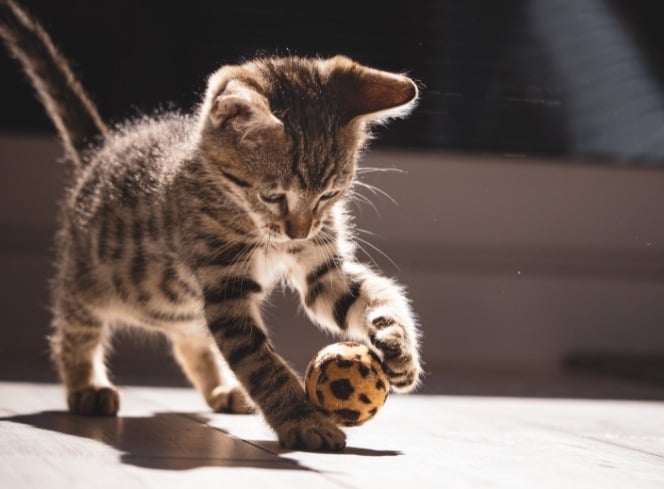
Cats have an inborn drive to hunt, even if they live indoors. Play mimics this behavior by allowing them to stalk, chase, and pounce on toys. This instinct keeps their mind sharp and their body active.
If you notice your cat intensely focusing on a toy or suddenly darting around, they are channeling their hunting skills. Overloading them with too many toys can sometimes confuse or overwhelm these instincts instead of satisfying them.
Signs Of Overstimulation
How do you tell if your cat is overstimulated? Watch for quick tail flicks, flattened ears, or sudden biting and scratching during play. These signs mean your cat might be feeling stressed or irritated rather than entertained.
Sometimes, the excitement turns to frustration when there are too many options or the play lasts too long. Knowing when to pause or switch to calmer interaction is just as important as providing toys.
Benefits Of Play
Play isn’t just fun; it’s essential for your cat’s health. Regular play helps reduce anxiety, prevents obesity, and strengthens the bond between you and your pet. Even a single toy, used creatively, can fulfill these benefits if you engage with your cat thoughtfully.
Try rotating toys instead of offering them all at once. This keeps your cat interested and avoids overwhelming their senses. How often do you change your cat’s play routine to keep it fresh and stimulating?
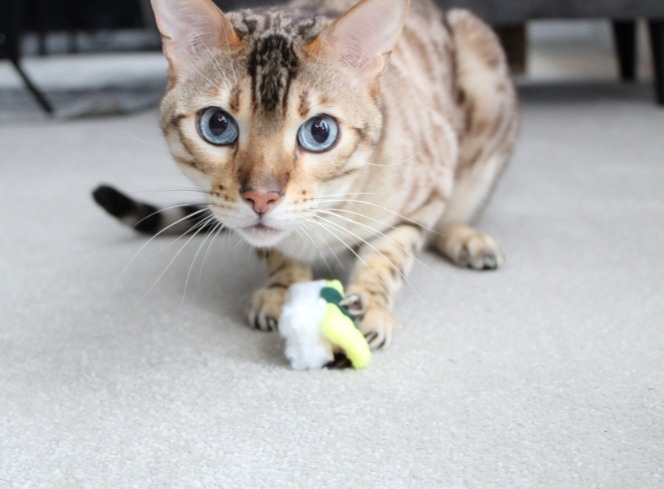
Credit: www.lordsandlabradors.co.uk
Effects Of Too Many Toys
Having many toys for your cat might seem like a good idea. Toys keep cats active and happy. But too many toys can have negative effects. Cats can feel overwhelmed or lose interest in their toys. This section explains what happens when cats have too many toys.
Possible Overwhelm
Cats can feel stressed if surrounded by too many toys. Too many items make it hard to focus. Cats may not know which toy to choose. This confusion can lead to frustration. Overwhelm lowers their playtime enjoyment.
Reduced Interest In Toys
When toys are always available, cats may get bored. The excitement of new toys fades quickly. Cats might ignore toys completely. This reduces their mental and physical activity. Fewer toys with occasional rotation keep interest alive.
Stress And Anxiety Risks
Too many toys can cause stress in some cats. Excess clutter may create an unsafe feeling. Cats need calm spaces to relax. Stress can lead to anxiety and behavior issues. A tidy environment helps cats feel secure and happy.
Balancing Toy Quantity
Too many toys can overwhelm a cat, causing stress instead of fun. Keeping a few favorite toys helps maintain their interest and calm. Regularly rotating toys keeps playtime exciting without overstimulation.
Balancing Toy Quantity Finding the right balance in the number of toys for your cat is crucial. Too many toys might overstimulate them, while too few could lead to boredom. Striking the perfect balance ensures your cat stays engaged and happy.Choosing Quality Over Quantity
It’s not about having a mountain of toys but rather selecting a few high-quality ones. Look for toys that stimulate your cat’s senses and encourage them to be active. A durable feather wand or a puzzle toy can provide endless entertainment and mental stimulation.Rotating Toys Regularly
Switching out toys periodically can keep them exciting for your cat. Imagine if you played with the same toy every day—eventually, it would lose its charm. By rotating toys, you can rekindle your cat’s interest and prevent overstimulation.Observing Your Cat’s Preferences
Pay attention to which toys your cat gravitates toward. Do they love chasing a laser pointer or prefer batting at dangling strings? Observing their preferences allows you to tailor their toy collection to their liking, ensuring they remain entertained without feeling overwhelmed.
Credit: petbarnkw.com
Creating A Stimulating Environment
Creating a stimulating environment for your cat means balancing excitement with calm. Too many toys can feel overwhelming, but the right mix keeps your furry friend engaged without causing stress. It’s about understanding what sparks their interest and what gives them peace.
Interactive Playtime With Owners
Nothing beats the bond built through play between you and your cat. Use toys like feather wands or laser pointers to invite your cat into active play sessions. These moments not only provide physical exercise but also mental engagement and strengthen your connection.
Try to set aside short, focused playtimes daily. Cats often prefer bursts of activity rather than long sessions. Watching your cat’s reactions helps you learn what they enjoy most and avoid overstimulation.
Incorporating Different Toy Types
Your cat’s interest can shift quickly, so offer a variety of toys to keep things fresh. Mix in toys that encourage chasing, pouncing, and problem-solving, like puzzle feeders or balls. This variety stimulates different senses and skills without overwhelming your cat.
Rotate toys regularly to maintain novelty. You can keep some toys hidden and swap them out every few days. This simple strategy keeps your cat curious and reduces the risk of boredom or overstimulation from too many options at once.
Safe Spaces For Rest
Even the most playful cat needs downtime. Provide cozy, quiet spots where your cat can retreat and relax away from toys and noise. These safe spaces help your cat decompress and recharge.
Consider placing soft beds or blankets in secluded corners or elevated spots. Your cat will appreciate having control over when to engage and when to rest, making their environment truly balanced and stimulating.
When To Adjust Toy Collection
Knowing when to adjust your cat’s toy collection is key to keeping them happy and healthy. Too many toys can confuse or overwhelm your cat. Watching their behavior helps decide if changes are needed. Adjusting toys means balancing fun without causing stress.
Noticing Behavioral Changes
Look for signs that your cat feels overwhelmed. Sudden hiding or avoiding play can be a clue. Excessive biting or scratching at toys may show frustration. Watch if your cat loses interest quickly or acts restless. These changes suggest the toy collection needs review.
Consulting A Veterinarian
A vet can help understand your cat’s behavior better. They can rule out health problems causing stress. Share details about your cat’s play habits and reactions. A professional opinion guides the right toy adjustments. This step ensures your cat’s well-being is the priority.
Tailoring To Your Cat’s Personality
Every cat has a unique way of playing. Some prefer soft toys, others chase moving ones. Observe which toys bring joy and which cause anxiety. Remove toys that seem to overstimulate your cat. Focus on quality, not quantity, to match their style.
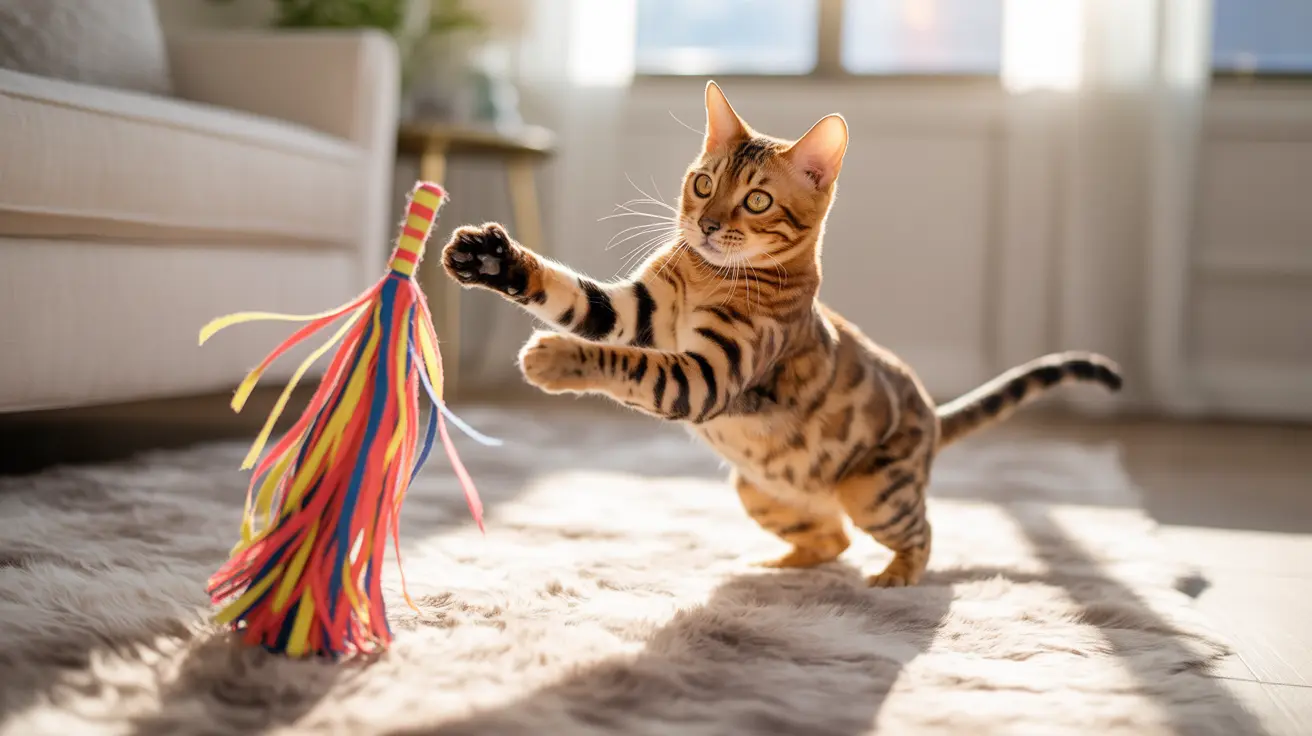
Credit: www.petscare.com
Frequently Asked Questions
Can Too Many Toys Overwhelm My Cat?
Yes, too many toys can overwhelm your cat. It may cause stress or confusion, reducing play interest. Rotating toys helps keep your cat engaged and prevents overstimulation.
How Can I Tell If My Cat Is Overstimulated?
Signs include restlessness, aggression, or avoidance during play. Your cat might also hide or show irritability. Watch body language closely to avoid overstimulation.
What Is The Ideal Number Of Toys For Cats?
A small selection of 3 to 5 toys is ideal. This variety keeps your cat interested without causing stress. Rotate toys regularly for ongoing engagement.
Does Overstimulation Affect My Cat’s Behavior?
Yes, overstimulation can lead to anxiety or destructive behavior. It impacts their mood and social interactions negatively. Managing toy quantity helps maintain a balanced temperament.
Conclusion
Too many toys can sometimes stress your cat instead of helping. Cats need variety but also quiet time to rest. Watch your cat’s behavior to find the right balance. A few favorite toys often bring more joy than many unused ones.
Rotate toys to keep playtime fresh and exciting. Remember, your cat’s happiness matters most. A calm, happy cat is a healthy cat. Keep play sessions short and fun to avoid overwhelm. Simple choices often work best for your furry friend.

Leave a Reply