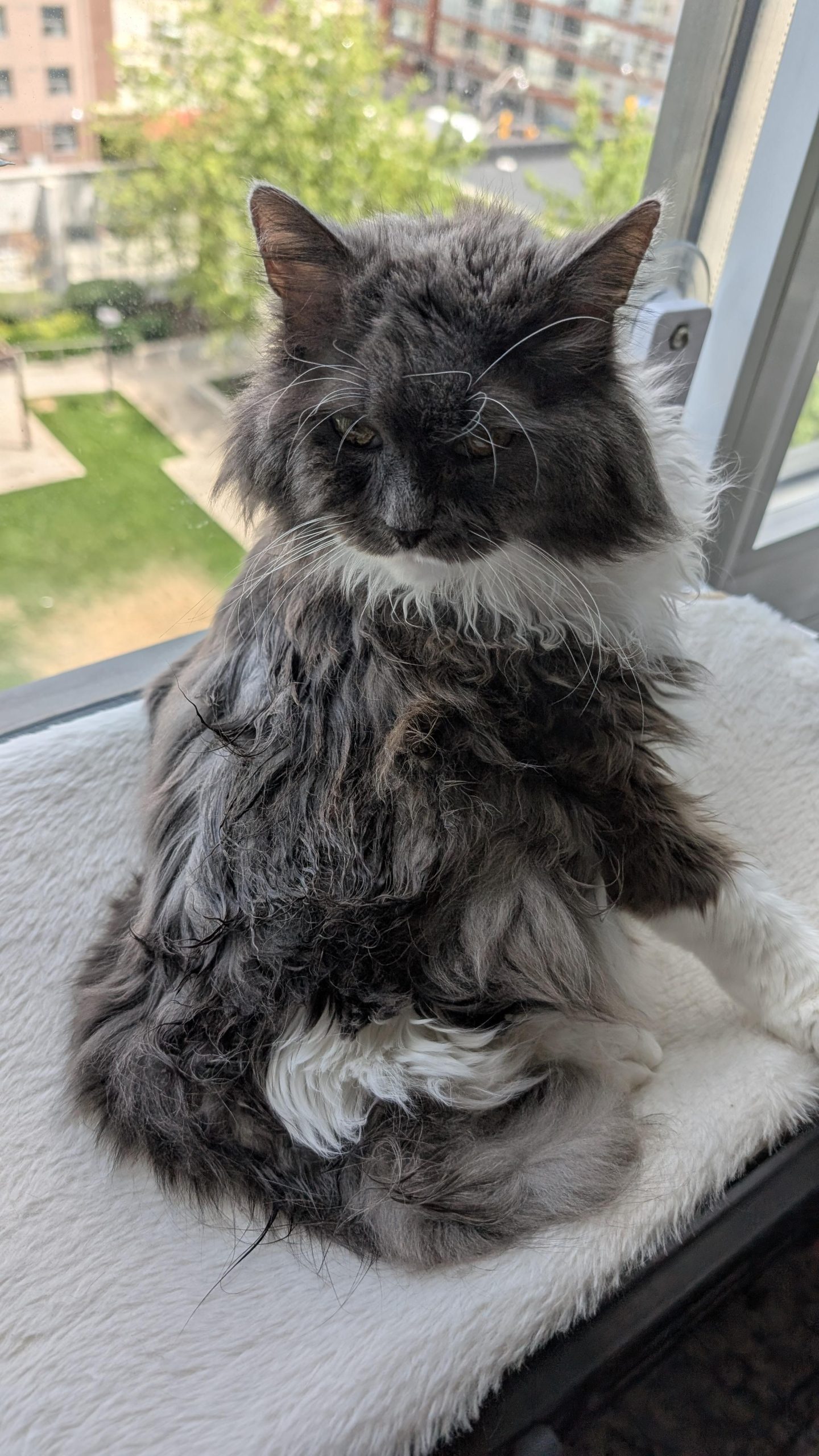
Have you noticed your cat licking or biting its fur more than usual? Suddenly, your furry friend spends hours grooming, leaving patches of skin exposed or even sore.
You might wonder, “Why is my cat suddenly over grooming? ” This change in behavior can be worrying and confusing. Understanding the reasons behind this can help you protect your cat’s health and happiness. Keep reading to discover what’s causing your cat’s sudden over grooming and what you can do to help.
Credit: www.petscare.com
Signs Of Over Grooming
Over grooming in cats can signal underlying issues. Recognizing signs early helps prevent serious problems. Watch your cat’s habits and physical state closely. Spotting signs early is key to keeping your cat healthy and happy.
Common Symptoms
- Excessive licking or biting of fur
- Frequent scratching in one area
- Hair loss or thinning patches
- Red or irritated skin
- Visible wounds or scabs
Behavioral Changes
Your cat may act restless or anxious. It might hide more than usual. Watch for sudden mood swings or irritability. Over grooming often increases during stress or boredom. Some cats lick to calm themselves, causing harm.
Physical Effects
Hair loss is the most obvious effect. Skin may look dry, flaky, or raw. Open sores can become infected without care. Over time, thickened skin or dark patches may form. These effects need prompt attention to heal.
Health-related Causes
Sudden over grooming in cats often signals underlying health problems you shouldn’t ignore. Your cat’s excessive licking or scratching might be their way of coping with discomfort or irritation. Understanding these health-related causes can help you spot issues early and provide the right care.
Skin Allergies
Skin allergies can trigger intense itching, leading your cat to groom excessively. These allergies might come from food, environmental factors, or even household products. Have you noticed if your cat’s skin looks red or inflamed after certain meals or outdoor play?
Allergic reactions often cause patches of hair loss and scaly skin. You might also find small bumps or sores from constant scratching. A visit to the vet can help identify the allergen and suggest treatments like hypoallergenic diets or medicated shampoos.
Parasite Infestations
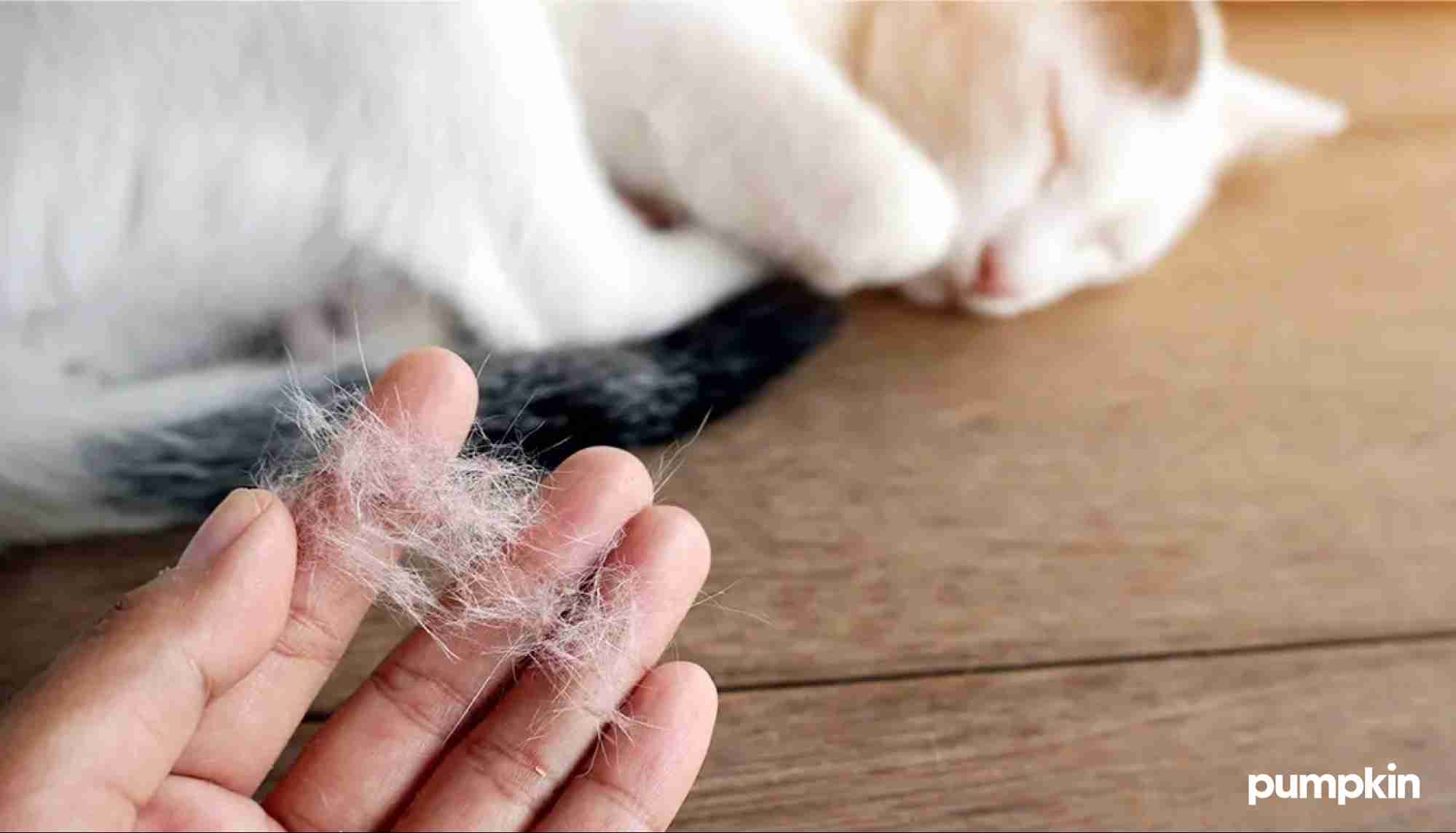
Parasites such as fleas, mites, or ticks are common culprits behind sudden over grooming. Even if you don’t see them, your cat’s persistent scratching and licking could mean these tiny pests are causing discomfort. Have you checked your cat’s fur thoroughly for any signs of parasites lately?
Fleas often cause allergic reactions that worsen itching. Mites can lead to crusty, inflamed skin and hair loss in specific areas. Using vet-recommended parasite control treatments regularly can prevent these issues and keep your cat comfortable.
Pain And Discomfort
Sometimes, over grooming points to pain in a specific body part. Cats often lick wounds, arthritis-affected joints, or irritated areas to soothe themselves. Have you noticed your cat favoring one side or avoiding certain movements?
Invisible injuries or internal pain can trigger this behavior, making it important to observe any changes in activity or mood. A thorough veterinary exam can pinpoint the source of pain and help you manage it with appropriate care or medication.
Environmental Triggers
Cats are sensitive to their surroundings. Environmental triggers often cause sudden changes in their behavior. Over grooming can be a sign that your cat is reacting to something in its environment. These triggers can disrupt their comfort and cause stress.
Stress And Anxiety
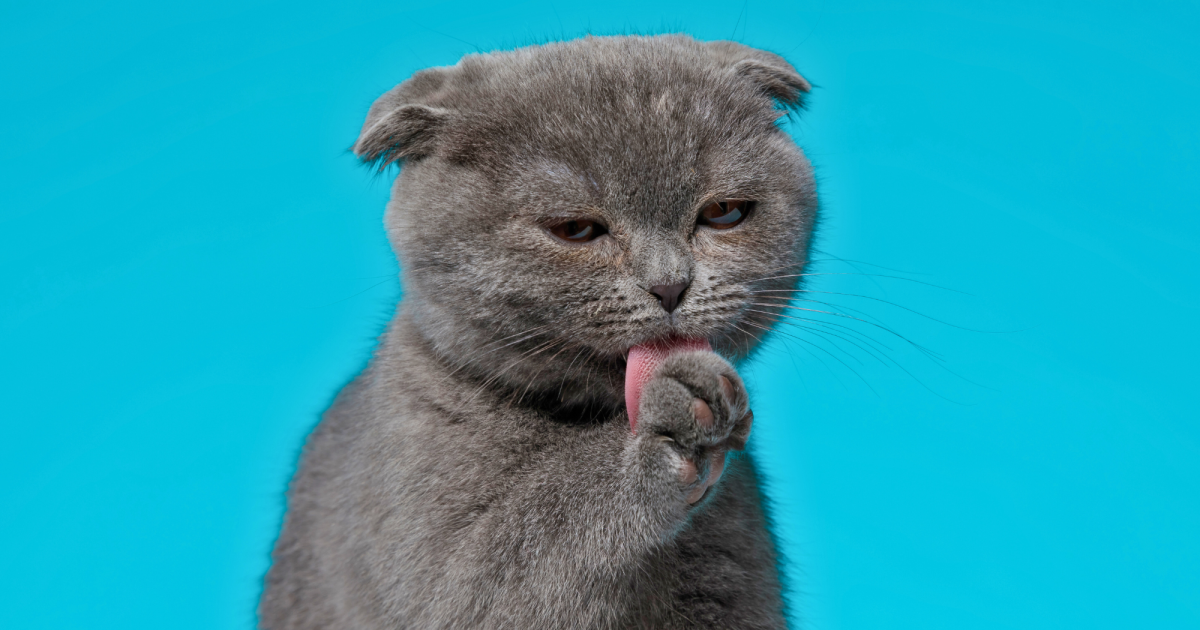
Stress is a common cause of over grooming in cats. Loud noises, new people, or other animals can make a cat anxious. This anxiety may lead to excessive licking or grooming as a way to calm down. Cats use grooming to soothe themselves but too much can harm their skin.
Changes In Routine
Cats love routine and predictability. Sudden changes, like moving to a new home or rearranging furniture, can upset them. Even small changes in feeding times or the absence of a family member can trigger over grooming. These disruptions create uncertainty, making cats feel insecure.
Lack Of Stimulation
Boredom can cause cats to groom excessively. Without enough play or mental challenges, cats may focus on grooming to fill time. Indoor cats especially need toys and activities to stay busy. Providing stimulation helps reduce stress and prevent over grooming behaviors.
Credit: pethelpful.com
Behavioral Factors
Cats are known for their meticulous grooming habits, but what happens when your feline friend starts overdoing it? Behavioral factors could be at play, turning a normal routine into an obsessive pattern. Understanding these behaviors can help you address the root cause and bring your cat back to a healthy grooming routine.
Compulsive Grooming
Compulsive grooming can be a sign of stress or anxiety in your cat. Just like people bite their nails when anxious, cats might groom themselves excessively. This behavior might be triggered by changes in their environment, such as a new pet or a recent move.
Watch for other signs of stress, like hiding or changes in appetite. If you suspect anxiety is the cause, consider providing a quiet and safe space for your cat. Using calming aids or consulting with a vet can also be beneficial.
Boredom And Attention Seeking
Cats, like humans, can get bored and seek attention in unusual ways. Over grooming might be your cat’s way of telling you it’s time for more play and interaction. Have you noticed your cat grooming more when you’re busy or away?
Adding engaging toys or interactive playtime can help divert their attention. Simple toys like feather wands or laser pointers can provide much-needed stimulation. Try incorporating short, frequent play sessions into your daily routine to keep your cat entertained and content.
Veterinary Diagnosis
Veterinary diagnosis plays a key role in understanding why a cat suddenly starts over grooming. This behavior can signal health or emotional issues that need professional attention. A vet carefully examines the cat to find any underlying problems. The diagnosis process involves two main steps: a physical examination and diagnostic tests. Both help identify the cause of the excessive grooming.
Physical Examination
The vet begins with a detailed physical exam. They check the cat’s skin and fur for signs of irritation or injury. The vet looks for redness, bald spots, or sores that could cause discomfort. They also feel the skin to detect lumps or bumps. The cat’s overall health is assessed, including weight and hydration. Checking the cat’s behavior and body language gives clues about stress or pain. This exam helps narrow down possible causes.
Diagnostic Tests
Diagnostic tests provide more information when the physical exam is not enough. The vet may take skin scrapings or hair samples to check for parasites or infections. Blood tests can reveal allergies, hormonal imbalances, or other internal issues. Sometimes, allergy testing or biopsies are needed for a clearer picture. These tests confirm or rule out medical problems causing over grooming. Accurate diagnosis leads to the right treatment for the cat’s condition.
Treatment Options
Treating sudden over grooming in cats requires a careful approach. The cause can be medical, behavioral, or environmental. Understanding each option helps manage your cat’s discomfort. Proper treatment reduces stress and prevents further damage to their skin.
Medical Interventions
Veterinarians often start with a physical exam. They check for allergies, infections, or parasites. Treatment may include:
- Medications to relieve itching or inflammation
- Antibiotics for skin infections
- Flea control products
- Prescription diets for food allergies
Medical care targets the root cause of over grooming. It is important to follow the vet’s instructions closely.
Behavioral Therapy
Stress and anxiety can cause over grooming. Behavioral therapy helps reduce these feelings. Techniques include:
- Interactive play to distract and engage
- Positive reinforcement to encourage calm behavior
- Use of calming pheromone sprays or diffusers
- Training to prevent excessive licking
Consistent routines and gentle handling can improve behavior over time.
Environmental Modifications
Changes in the cat’s environment can reduce over grooming triggers. Consider these adjustments:
- Provide quiet, safe spaces for rest
- Remove stressors such as loud noises or other pets
- Increase enrichment with toys and climbing structures
- Maintain a clean litter box and feeding area
Creating a comfortable environment supports emotional and physical health.
Preventing Over Grooming
Preventing over grooming in cats involves careful care and attention. It helps keep your cat healthy and happy. Over grooming can cause skin problems and discomfort. Taking steps early can stop these issues from getting worse.
Regular Vet Checkups
Schedule vet visits to catch health problems early. Vets check for allergies, parasites, or infections. These issues often cause itching and over grooming. Regular exams keep your cat’s skin and fur in good condition. Follow the vet’s advice on treatments and care.
Stress Reduction Techniques
Stress often triggers over grooming in cats. Create a calm and safe space for your pet. Use soft bedding and quiet areas for rest. Play soothing music or use pheromone diffusers. Keep a consistent daily routine to reduce anxiety. Avoid loud noises or sudden changes in the environment.
Engaging Activities
Keep your cat busy with toys and playtime. Interactive toys help distract from over grooming urges. Provide scratching posts and climbing trees for exercise. Rotate toys to keep interest high. Spend time playing to build a strong bond. A tired cat grooms less out of boredom.
Credit: www.pumpkin.care
Frequently Asked Questions
Why Is My Cat Suddenly Over Grooming Itself?
Sudden over grooming in cats often signals stress, allergies, or skin infections. It can also indicate pain or anxiety. Identifying the cause helps in effective treatment and preventing further harm to your cat’s skin.
Can Allergies Cause My Cat To Over Groom?
Yes, allergies to food, fleas, or environmental factors can trigger over grooming. Allergic reactions cause itching and discomfort, leading cats to lick or bite their fur excessively.
How Does Stress Lead To Cat Over Grooming?
Stress causes behavioral changes like over grooming in cats. Anxiety or changes in environment can make cats lick or chew their fur as a coping mechanism.
When Should I See A Vet For Cat Over Grooming?
If over grooming causes bald patches, sores, or bleeding, consult a vet immediately. Persistent over grooming needs professional diagnosis and treatment to prevent serious skin damage.
Conclusion
Cats over grooming can signal stress or health issues. Watch your cat’s behavior closely and note any changes. Visit a vet to rule out allergies or skin problems. Creating a calm environment helps reduce your cat’s anxiety. Regular playtime and attention can keep your cat happy.
Understanding why your cat overgrooms helps you act quickly. Early care improves your cat’s comfort and well-being. Keep your furry friend safe and loved every day.

Leave a Reply