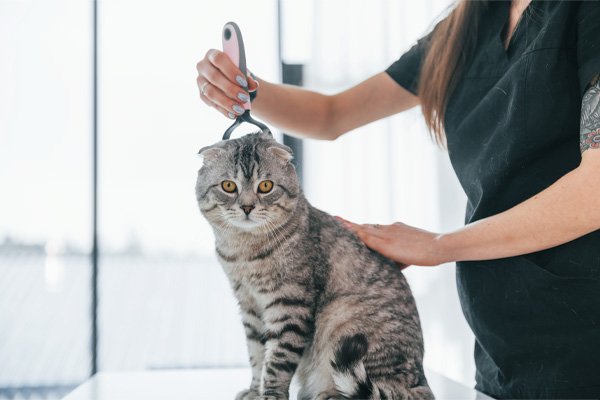
Are you wondering if a vet can groom your cat? You might be thinking about your furry friend’s comfort and health.
Grooming isn’t just about making your cat look good—it’s about keeping them clean, healthy, and happy. But is a vet the right choice for this? You’ll discover what vet grooming involves, how it benefits your cat, and what to expect if you decide to go this route.
Keep reading to find out if your cat’s next grooming session should be at the vet!
Why Choose A Vet For Cat Grooming
Choosing a vet for cat grooming offers many benefits beyond just a clean coat. Vets understand cats deeply and know how to keep them safe during grooming. Their skills go beyond trimming fur. They watch for health problems and provide care that regular groomers cannot.
Expertise In Cat Health
Vets have medical training focused on cats. They spot skin issues, infections, or allergies early. Grooming is done with your cat’s health in mind. They use gentle tools and methods suited for sensitive cats. This reduces the risk of injury or stress.
Handling Difficult Cats
Some cats get scared or aggressive during grooming. Vets are trained to calm and control nervous cats safely. They know how to keep cats relaxed without causing harm. This skill makes grooming less stressful for your pet and the groomer.
Access To Medical Care
Vets can provide immediate treatment if grooming reveals a health problem. Cuts, wounds, or infections get quick attention. This quick response can prevent serious issues. Grooming at a vet clinic means your cat’s health is always a priority.
Services Offered By Veterinary Groomers
Veterinary groomers offer a range of services tailored to keep your cat healthy, comfortable, and looking their best. These professionals combine grooming skills with medical knowledge to handle your pet’s unique needs. Understanding what services they provide can help you decide if vet grooming is the right choice for your feline friend.
Basic Grooming Tasks
Basic grooming includes essential care like bathing, brushing, and nail trimming. Veterinary groomers are trained to handle cats gently, reducing stress during these routine tasks. They can also clean ears and check for skin issues while grooming, which many pet owners overlook.
Have you noticed your cat avoiding brushing at home? A vet groomer can make the experience smoother and more effective, especially for long-haired cats prone to mats.
Specialized Treatments
Beyond basic care, vet groomers offer treatments like flea and tick removal, de-shedding, and coat conditioning. These services help maintain your cat’s coat health and reduce allergens in your home. Specialized grooming can also include trimming around sensitive areas to prevent discomfort or infections.
If your cat has a thick undercoat or sheds heavily, vet groomers use tools designed to reach deep layers without hurting your pet. Would you want your cat to suffer through painful mats that you can’t safely remove at home?
Grooming For Medical Conditions
Some cats have medical conditions that affect their grooming needs, such as arthritis, skin allergies, or obesity. Veterinary groomers work closely with your vet to provide safe grooming that accommodates these issues. They may use gentle shampoos, avoid certain areas, or adjust techniques to keep your cat comfortable.
Have you ever struggled to groom a cat with sensitive skin or mobility problems? Vet groomers offer expert care that helps manage these challenges, preventing further health problems caused by poor grooming.
Preparing Your Cat For A Vet Grooming Session
Getting your cat ready for a vet grooming session can make all the difference in how smooth and stress-free the experience will be. Cats are sensitive creatures, and a little preparation helps them feel more comfortable and secure. You want your furry friend to leave the grooming session looking great without any added anxiety.
Scheduling And Appointments
Choose a time when your cat is usually calm and relaxed, such as after a nap or meal. Avoid scheduling grooming during high-activity periods to reduce stress. Call ahead to confirm the appointment and ask about any specific instructions the vet might have for grooming day.
Have you ever noticed how your cat’s mood changes at different times of the day? Tapping into those calmer moments can make a big difference during grooming.
Familiarizing Your Cat
Introduce your cat to the carrier and grooming tools a few days before the appointment. Let them explore these items in a safe space without pressure. You can even gently brush your cat at home to get them used to the sensation and touch.
Some cats react better when they recognize the environment and tools. Does your cat show curiosity or fear toward new objects? Understanding this helps you prepare better.
What To Bring
Bring your cat’s favorite blanket or toy to provide comfort during the visit. Carry a photo or record of your cat’s medical history and any grooming preferences. Don’t forget treats—these can reward calm behavior and create positive associations with grooming.
Think about what makes your cat feel secure. A familiar scent or item can transform a stressful trip into a more relaxed experience.
Credit: noblevetclinic.com
Safety Measures During Vet Grooming
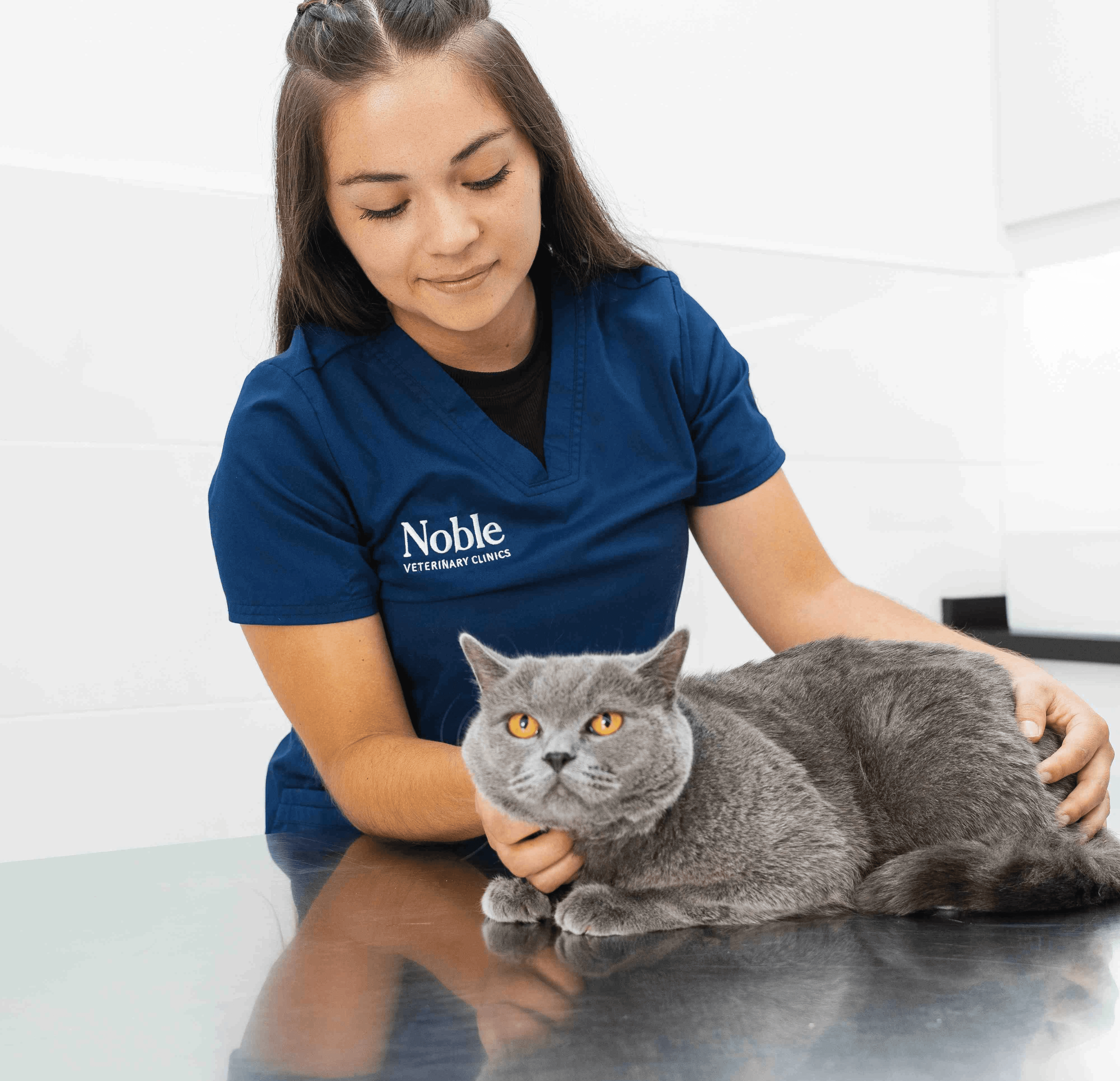
Grooming your cat at the vet can be an excellent way to ensure they stay clean and healthy. However, it’s crucial to understand the safety measures in place during vet grooming. These measures are designed to protect both your furry friend and the professionals caring for them. Let’s explore how vets prioritize safety during grooming sessions.
Handling And Restraint Techniques
Vets are trained to handle cats with care and precision. They use gentle restraint techniques that keep your cat secure without causing distress. You might wonder, how do they manage to keep a wiggly cat calm? The key lies in using specialized handling tools like cat muzzles or soft towels, ensuring your pet feels safe and comfortable.
Monitoring Stress Levels
Stress management is a significant part of grooming at the vet’s office. Vets keep a close eye on your cat’s body language and vocalizations to gauge their stress levels. If your cat seems anxious, they may pause the session or offer a calming break, ensuring the experience isn’t overwhelming.
Sanitation And Equipment
Cleanliness is paramount in any vet clinic. All grooming tools are sanitized before and after each use to prevent the spread of germs. This meticulous attention to hygiene can prevent potential infections and ensure your cat’s safety. Have you ever considered how much thought goes into maintaining a clean environment for your pet?
By understanding these safety measures, you can feel more confident entrusting your cat to a vet for grooming. Remember, these professionals are dedicated to providing the best care possible, ensuring a safe and stress-free experience for your beloved pet.
Home Grooming Vs. Vet Grooming
Choosing between home grooming and vet grooming for your cat depends on several factors. Both options have benefits and challenges. Understanding when to groom at home and when to seek professional help is important. Cost also plays a key role in decision-making. This section breaks down these points clearly.
When To Groom At Home
Home grooming works well for regular brushing and nail trimming. Cats with short fur usually need less frequent grooming. It helps keep your cat comfortable and clean. Grooming sessions can also strengthen your bond with your pet. You can use simple tools like brushes and nail clippers. Keep sessions short to avoid stress. Watch your cat’s reactions and stop if they get upset.
Signs You Need A Professional
Some situations require vet or professional grooming. Look for mats or tangles that you cannot remove. Heavy shedding or hairballs might need expert care. Signs of skin problems like redness or sores call for vet attention. Cats who resist grooming or get very anxious may need professional help. Older cats or those with health issues often benefit from vet grooming. Professionals handle difficult grooming safely and gently.
Cost Considerations
Home grooming costs mainly involve buying tools. Brushes, combs, and clippers are one-time expenses. Vet grooming prices vary by location and services. Basic grooming might cost less than specialized care. Professional grooming can be more expensive but offers more thorough care. Consider your budget and your cat’s needs. Sometimes spending more means better health and comfort for your pet.
Common Grooming Challenges And Solutions
Grooming your cat can sometimes feel like a tricky puzzle. Cats have unique needs and personalities that can turn simple grooming into a challenge. Understanding common issues helps you prepare and find solutions that keep your cat calm and healthy.
Dealing With Matted Fur
Matted fur isn’t just ugly—it can be painful and cause skin problems. If your cat has thick or long hair, mats can form quickly, especially around the neck, belly, and behind the ears.
Gently work through mats using a wide-toothed comb or mat splitter. If mats are tight or close to the skin, it’s safer to let a professional, like your vet or groomer, handle them. Regular brushing prevents mats, so try to make grooming a daily habit, even if your cat protests.
Managing Shedding
Shedding is a natural process, but it can create a mess and trigger allergies. You can reduce excess fur around your home by brushing your cat regularly to catch loose hair before it falls out.
Use tools designed for your cat’s coat type—slicker brushes work well for long hair, while rubber grooming gloves help with short-haired cats. Also, consider your cat’s diet, as a healthy coat often sheds less.
Handling Aggressive Behavior
Cats may react aggressively during grooming because they feel threatened or uncomfortable. Watch for signs like hissing, swatting, or sudden tensing, and pause the grooming session if your cat becomes upset.
Try to create a calm environment with soft voices and slow movements. If aggression continues, breaking grooming into shorter sessions or seeking help from your vet or a professional groomer can make a big difference.
Aftercare Following Vet Grooming
After your cat visits the vet for grooming, the care you provide at home plays a crucial role in keeping them comfortable and healthy. Vet grooming can sometimes reveal or cause mild skin issues that need attention. Knowing what to look for and how to maintain your cat’s coat will help you avoid complications and keep your feline friend happy.
Checking For Skin Irritations
After grooming, take time to carefully examine your cat’s skin. Look for redness, bumps, or flaky patches that weren’t there before. These signs might indicate irritation from shaving or a reaction to grooming products.
If you spot any unusual spots, gently touch the area to see if it causes discomfort. Cats often hide pain, so subtle signs like scratching or licking the area more than usual can be clues. Don’t hesitate to call your vet if you notice swelling or open sores.
Maintaining Coat Health
Grooming at the vet removes loose fur and mats, but your job continues at home. Regular brushing helps prevent new mats and spreads natural oils that keep the coat shiny and healthy. Choose a brush suited for your cat’s fur type—short-haired cats need different tools than long-haired ones.
Diet also impacts coat health. Foods rich in omega-3 and omega-6 fatty acids can improve skin condition and reduce shedding. Have you ever noticed how your cat’s fur looks after switching to a higher-quality food? Small changes can make a big difference.
Follow-up Visits
Sometimes, vet grooming uncovers underlying issues like skin infections or parasites. Your vet may recommend follow-up visits to monitor these conditions or perform additional grooming. Keep these appointments to ensure your cat stays on track.
Use follow-up visits as an opportunity to ask questions about your cat’s skin and coat care. Each cat is unique, and what works for one might not work for another. How often does your cat need professional grooming? This is a question your vet can help you answer based on your cat’s lifestyle and health.

Credit: www.catcarevet.ca

Credit: www.reddit.com
Frequently Asked Questions
Will A Vet Groom My Cat Professionally?
Yes, many vets offer professional grooming services. They handle baths, nail trims, and ear cleaning safely. Vet grooming ensures your cat’s health is monitored during the process, reducing stress and risks.
How Often Should A Cat Be Groomed By A Vet?
Cats should be groomed by a vet every 4 to 8 weeks. Regular grooming prevents matting, reduces shedding, and detects health issues early. Frequency depends on your cat’s breed, age, and coat type.
Can Vets Handle Difficult Or Anxious Cats During Grooming?
Yes, vets are trained to manage anxious or difficult cats. They use gentle techniques and calming methods to reduce stress. Sedation may be an option for cats extremely fearful during grooming.
What Grooming Services Do Vets Typically Provide For Cats?
Vets typically provide baths, nail trims, ear cleaning, and haircuts. They can also check for skin issues or parasites during grooming. Some vets offer dental cleaning as part of grooming care.
Conclusion
A vet can groom your cat safely and carefully. They know how to handle pets with health issues. Regular grooming helps keep your cat clean and healthy. Some cats may need special care during grooming. Vet grooming can prevent matting and skin problems.
It also helps spot health concerns early. Choose a vet experienced in cat grooming for best results. Your cat’s comfort and safety matter most. Consider vet grooming if your cat dislikes regular grooming. It’s a good option for busy pet owners too.



Leave a Reply