
How often do you groom your cat? If you’ve ever wondered whether you’re doing enough or maybe too much, you’re not alone.
Grooming isn’t just about keeping your cat looking good—it’s key to their health and happiness. But how do you find the right balance? You’ll discover simple tips to make grooming easy and enjoyable for both you and your furry friend.
Keep reading to learn how often you should groom your cat and why it matters more than you might think.

Credit: www.purina.com
Benefits Of Regular Grooming
Regular grooming is essential for a cat’s well-being. It helps keep their fur clean and healthy. Grooming sessions also create a bond between you and your cat. These benefits make grooming a vital part of cat care.
Improved Coat Health
Grooming removes dirt and loose fur from your cat’s coat. This keeps the fur smooth and shiny. It also helps spot skin problems early. Healthy skin means a healthier coat for your cat.
Reduced Shedding
Brushing your cat often lowers the amount of fur shed around your home. It catches loose hairs before they fall. This means less cleaning and fewer hairballs on furniture.
Prevention Of Hairballs
Cats swallow loose fur when they groom themselves. Regular brushing reduces the amount they swallow. This helps prevent hairballs from forming in their stomach. It keeps your cat more comfortable and healthy.
Factors Influencing Grooming Frequency
Knowing how often to groom your cat depends on several important factors. These can vary widely between different cats, so understanding what influences grooming frequency helps you keep your feline friend comfortable and healthy. Let’s look at the key points that affect how often you should groom your cat.
Breed And Fur Type
Long-haired breeds like Persians or Maine Coons need more frequent grooming than short-haired cats. Their fur can easily mat and tangle, so brushing a few times a week or even daily is often necessary.
Short-haired cats usually require less frequent grooming—once a week is often enough. But some breeds with dense undercoats, like British Shorthairs, may still benefit from regular brushing to remove loose fur and reduce shedding.
Age And Health
Kittens and young cats are typically more active and groom themselves well, so you might not need to groom them often. Older cats, however, may struggle to clean hard-to-reach spots due to arthritis or other health issues.
If your cat has health problems like obesity, skin conditions, or dental issues, grooming becomes even more important. You may need to groom more frequently to prevent mats, skin infections, or discomfort.
Indoor Vs Outdoor Cats
Outdoor cats tend to get dirtier and pick up debris more often, so they usually need more frequent grooming. Their fur might collect leaves, twigs, or even parasites, requiring regular checks and brushing.
Indoor cats generally stay cleaner and may only need grooming once or twice a week. However, if your indoor cat sheds a lot or has a thick coat, more frequent grooming might still be necessary to keep shedding under control.
How does your cat’s lifestyle affect their grooming needs? Paying attention to these factors can help you tailor a grooming routine that suits your cat perfectly.
Daily Grooming Tips
Daily grooming is more than just a routine; it’s a chance to connect with your cat and keep them healthy. Short, consistent sessions help your cat feel comfortable and reduce shedding around your home. Let’s look at simple grooming habits you can easily add to your daily care.
Brushing Techniques
Use a soft-bristle brush or a grooming glove to gently remove loose fur and prevent mats. Brush in the direction of the hair growth to avoid discomfort. Start with short sessions and praise your cat to build a positive experience.
Pay extra attention to areas behind the ears and under the legs where tangles often form. Regular brushing can reduce hairballs and keep your cat’s coat shiny. Have you noticed how your cat’s mood improves after a good brush?
Checking For Parasites
Look closely at your cat’s skin and fur for any signs of fleas, ticks, or mites. Parasites may cause itching, redness, or small black specks that look like dirt but move. Run your fingers through the fur slowly to catch anything unusual.
Use a flea comb daily to catch tiny pests early. Early detection can save you from bigger problems and costly treatments. How confident are you in spotting these tiny invaders on your cat?
Cleaning Eyes And Ears
Check your cat’s eyes for any discharge or redness every day. Use a damp, soft cloth or cotton ball to gently wipe away any crust or dirt. Avoid touching the eyeball directly to prevent irritation.
Inspect ears for wax buildup or foul smell, which could signal infection. Clean the outer ear with a vet-approved ear cleaner and a cotton ball—never use cotton swabs inside the ear canal. Have you noticed how small changes in your cat’s ears can indicate health issues early?

Credit: justcatsclinic.com
Weekly Grooming Routine
Grooming your cat weekly keeps them healthy and happy. It strengthens your bond with your feline friend. Regular grooming also reduces shedding and prevents matting. Establishing a routine ensures your cat stays clean and comfortable.
Bathing Your Cat
Bathing your cat helps maintain their coat’s cleanliness. Use cat-specific shampoo for best results. Ensure the water is warm, not hot. Gently lather the shampoo on their fur. Rinse thoroughly to remove all soap residue.
Nail Trimming
Trim your cat’s nails to prevent them from becoming too long. Long nails can cause discomfort or injury. Use a cat nail clipper for precision. Hold your cat’s paw gently and clip the sharp tips. Avoid cutting too close to the quick.
Fur Detangling
Detangle your cat’s fur to prevent knots and matting. Use a comb or brush suitable for your cat’s fur type. Start from the base and work towards the tip. Be gentle to avoid pulling or hurting your cat. Regular brushing keeps their coat shiny and healthy.
Signs Your Cat Needs Extra Grooming
Noticing when your cat needs extra grooming is key to keeping them healthy and happy. Cats are usually good at grooming themselves, but sometimes they need a little help from you. If you spot any unusual signs, it’s time to step up your grooming routine and give your feline friend some extra care.
Matted Fur
Have you ever tried brushing your cat only to find clumps of fur stuck together? Matted fur happens when loose hair tangles and forms knots that your cat can’t remove alone. This can be uncomfortable and even painful for your cat, leading to skin problems or infections if left untreated.
Check areas like behind the ears, under the legs, and around the neck where mats often form. Regularly running a comb through these spots helps prevent mats from developing. If mats are severe, carefully trim them or consult a groomer to avoid hurting your pet.
Excessive Shedding
Is your cat leaving fur everywhere despite your regular brushing sessions? Excessive shedding can signal that your cat needs more frequent grooming. Seasonal changes, stress, or health issues might cause this sudden increase.
Try brushing your cat daily during shedding seasons to remove loose hair before it falls. Using the right grooming tools, like a de-shedding brush, can make a huge difference. If shedding remains excessive, consider checking with your vet to rule out underlying causes.
Skin Irritation
Scratching, redness, or flaky skin are signs your cat might need extra grooming and attention. Grooming helps distribute natural oils that keep your cat’s skin healthy and hydrated. Without it, dry or irritated skin can worsen, making your cat uncomfortable.
Look closely for any bumps, sores, or signs of parasites like fleas. Gentle brushing can soothe irritated skin and improve blood flow. If irritation persists, don’t hesitate to get a professional opinion to protect your cat’s skin health.
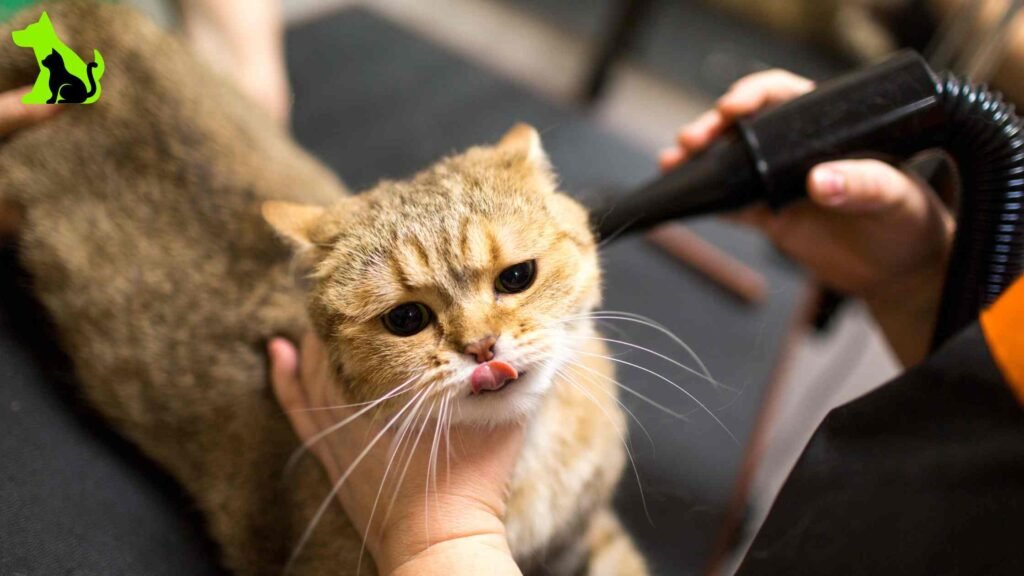
Credit: hellopetsinc.com
Tools For Effective Grooming
Grooming your cat regularly keeps its coat healthy and reduces shedding. Using the right tools makes grooming easier and more enjoyable for both of you. Each tool serves a special purpose and helps maintain your cat’s comfort and hygiene.
Types Of Brushes
Different brushes suit different fur types. A slicker brush has fine wires to remove loose fur and dirt. A bristle brush spreads natural oils and smooths the coat. A comb helps detangle knots and prevents mats in long hair. Choose a brush based on your cat’s fur length and texture.
Grooming Gloves
Grooming gloves feel like petting, which cats love. The gloves have soft rubber tips that catch loose fur. They work well on short-haired cats and sensitive skin. Gloves also help remove dirt and stimulate blood flow. They are easy to use and reduce fur around your home.
Nail Clippers
Regular nail trimming prevents scratches and nail damage. Use clippers designed for cats to avoid splitting nails. Hold your cat gently and trim only the sharp tip. Avoid cutting too close to the pink area called the quick. Proper nail care keeps your cat comfortable and safe.
Handling Grooming Challenges
Grooming a cat is not always easy. Many cats do not like being brushed or touched in certain ways. Some cats have delicate skin that needs extra care. These challenges can make grooming stressful for both the cat and the owner.
Understanding how to handle these problems helps keep grooming time calm. It also protects your cat’s health and comfort. With patience and the right approach, grooming can become a positive routine.
Cats That Resist Grooming
Some cats dislike grooming from the start. They may scratch, bite, or run away. For these cats, try these tips:
- Choose a quiet, safe place.
- Use a soft brush or comb.
- Start with short sessions, just a few minutes.
- Give treats and praise to create good associations.
- Stop if the cat becomes too upset.
Patience is key. Slowly increase grooming time over days or weeks.
Dealing With Sensitive Skin
Sensitive skin can make grooming uncomfortable for cats. Signs include redness, dryness, or flaking.
To protect sensitive skin:
- Use gentle brushes or combs made for sensitive skin.
- Avoid harsh shampoos or soaps.
- Brush softly without pressing hard.
- Check skin regularly for irritation.
- Consider grooming gloves to control pressure.
Consult your vet for special shampoos or skin treatments if needed.
When To Consult A Professional
Some grooming challenges need expert help. Visit a groomer or vet if your cat:
- Has severe mats or tangles.
- Shows signs of skin infection or wounds.
- Becomes aggressive or fearful during grooming.
- Has long or thick fur that is hard to manage.
- Needs nail trimming but resists strongly.
Professionals have tools and skills to groom safely. They also can advise you on home care.
Frequently Asked Questions
How Often Should You Groom A Short-haired Cat?
Short-haired cats need grooming once a week to remove loose fur and dirt. This helps reduce shedding and hairballs, keeping their coat healthy and shiny.
How Frequently Do Long-haired Cats Need Grooming?
Long-haired cats require grooming daily or at least every other day to prevent mats and tangles. Regular brushing keeps their fur clean and comfortable.
Can Grooming Frequency Affect Cat Health?
Yes, regular grooming improves skin health, reduces hairballs, and helps spot parasites early. Infrequent grooming may lead to matting and skin issues.
What Tools Are Best For Cat Grooming?
Use a soft-bristle brush for short hair and a wide-tooth comb or slicker brush for long hair. These tools effectively remove loose fur and prevent tangles.
Conclusion
Grooming your cat helps keep its coat clean and healthy. Regular brushing reduces hairballs and matting. Short-haired cats need grooming once a week. Long-haired cats require more frequent care. Pay attention to your cat’s behavior and fur condition. Grooming also strengthens your bond with your pet.
Make grooming a calm and gentle routine. This keeps your cat happy and comfortable. Small efforts bring big benefits for your cat’s health. Keep a grooming schedule that fits your cat’s needs.



Leave a Reply