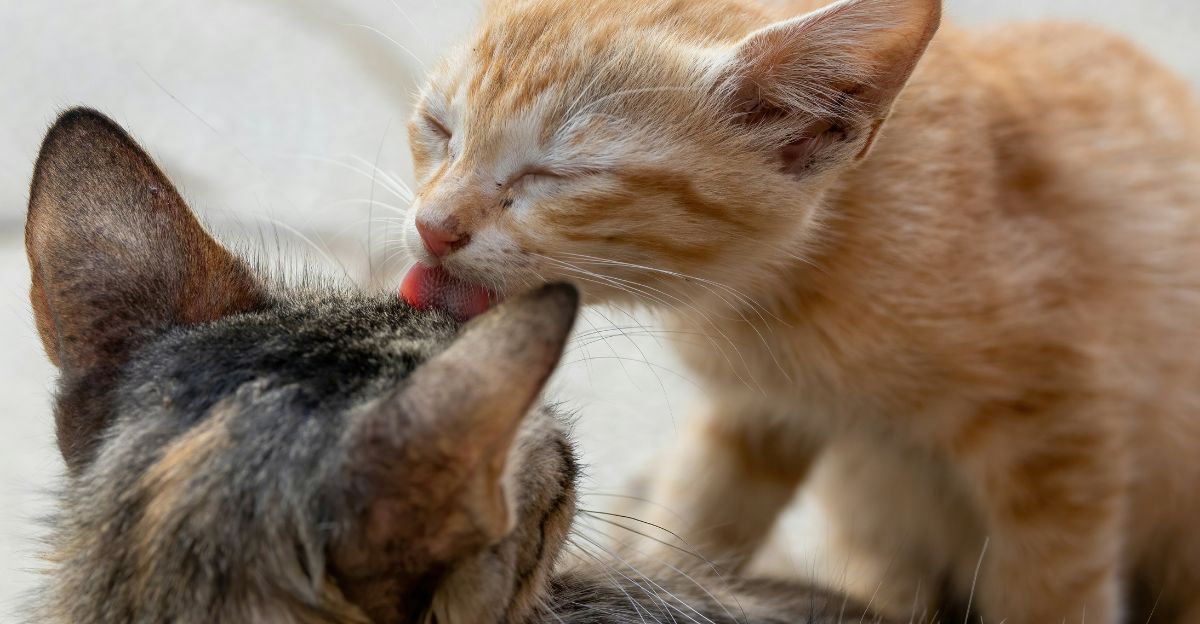
Have you ever watched two cats gently licking each other and wondered why they do it? It’s more than just keeping clean.
When cats groom each other, they are sharing a special bond that tells you a lot about their feelings and social life. Understanding this behavior can help you connect better with your furry friends and notice what they’re really trying to say.
Keep reading to discover the surprising reasons behind this sweet and sometimes puzzling habit.
Social Bonds
Cats grooming each other is more than just cleaning. It is a powerful way they build and keep social bonds. This behavior shows trust and care among cats. It helps them feel safe and connected in their group. Grooming is a silent language of friendship and comfort.
Strengthening Relationships
Grooming helps cats grow closer. It shows acceptance and friendship. Cats groom those they trust the most. This act reduces stress and makes cats feel calm. It also helps solve conflicts quietly. A cat that grooms another says, “You are part of my family.”
Group Harmony
In groups, grooming keeps peace. It spreads a sense of belonging to all cats. Grooming helps balance the group’s social order. Cats who groom each other share a bond that stops fights. This behavior builds teamwork and cooperation. It creates a calm and happy group life.

Credit: catgroomerla.com
Health Benefits
Cats grooming each other offers many health benefits. It helps them stay clean and healthy. Grooming reaches places a cat cannot reach on its own. It also plays a key role in parasite control. These benefits help cats feel comfortable and avoid illness.
Cleaning Hard-to-reach Areas
Cats cannot always clean every part of their body. Their teeth and tongue only reach certain spots. Grooming by another cat helps clean areas like the head, neck, and back. This keeps the fur free of dirt and debris. It also removes loose hair that can cause matting. Clean fur helps cats stay cool and comfortable.
Parasite Control
Parasites like fleas and ticks cause irritation and illness. Cats grooming each other can spot these pests early. They use their tongues and teeth to remove parasites. This reduces the chance of infections and skin problems. Grooming also spreads natural oils that protect the skin. Healthy skin acts as a barrier against parasites and bacteria.
Stress Relief
Cats groom each other to reduce stress and build trust. This shared grooming helps them feel calm and connected. It’s a natural way for cats to relax together.
Cats are fascinating creatures with unique behaviors. Grooming each other, known as allogrooming, is not just about hygiene. It serves as a form of stress relief, providing comfort and security. This act strengthens their social bonds. It also plays a significant role in their emotional well-being. Let’s dive deeper into how this behavior helps reduce stress.Calming Effects
When cats groom each other, it has a calming effect. The rhythmic action of licking can soothe both cats involved. This gentle grooming helps lower their heart rate. It promotes a sense of peace and relaxation. Cats often purr during grooming, adding to the calming atmosphere. This mutual grooming helps them feel safe and secure.Reducing Anxiety
Grooming each other reduces anxiety in cats. It reassures them that they are not alone. This activity creates a sense of belonging. It reduces feelings of isolation. It can also distract them from stressful situations. Cats use this bonding time to alleviate tension. It strengthens their emotional connection and reduces anxiety levels.
Credit: basepaws.com
Communication Signals
Cats use grooming each other as a way to send messages. This behavior is more than just cleaning. It helps them share feelings and build bonds. Grooming can show trust and respect in cat groups. Understanding these signals reveals how cats communicate silently but clearly.
Marking Territory
When cats groom each other, they spread their scent. This scent marks their shared space as safe. It tells other cats this area belongs to their group. Grooming helps create a familiar smell that feels comforting. This action reduces fights over territory by signaling ownership.
Expressing Affection
Grooming shows care and friendship between cats. It’s a way to say, “I trust you.” Cats groom friends to strengthen their bond. This act calms them and reduces stress. Grooming also helps cats feel connected and secure with each other.
Hierarchy And Dominance
Cats groom each other not just for cleanliness but to show their place in the group. This social behavior helps them manage their relationships. Grooming can reflect who is in charge and who follows. It is a silent way to keep peace and order among cats.
Establishing Social Order
Grooming helps cats decide who is the leader. The dominant cat usually grooms others more often. This action shows care but also control. Lower-ranking cats accept grooming from higher-ranking ones as a sign of respect. This routine keeps the group calm and balanced.
Subtle Power Dynamics
Not all grooming is equal. The dominant cat chooses who to groom and when. Sometimes, grooming is gentle and slow. Other times, it is quick or limited to certain spots. These differences send clear messages about power. Cats understand these signals and adjust their behavior accordingly.

Credit: www.youtube.com
When Grooming Goes Too Far
Cats grooming each other is a sign of friendship and trust. Yet, sometimes grooming can become excessive. This can harm their skin and cause stress. Knowing when grooming goes too far helps protect your pets. Watch for clear signs that show over-grooming is a problem. Addressing these issues early keeps cats happy and healthy.
Signs Of Over-grooming
- Bald patches or thin fur on the body
- Red or irritated skin
- Scabs or sores from constant licking
- Restlessness or signs of anxiety
- One cat always grooming another
- Changes in behavior like hiding or aggression
Addressing Behavioral Issues
Give cats plenty of playtime to reduce stress. Separate them if grooming causes fights or anxiety. Provide safe spaces where each cat can relax alone. Use calming sprays or diffusers made for cats. Consult a vet for advice on skin problems or anxiety. Consistent care helps stop over-grooming and restores peace.
Frequently Asked Questions
Why Do Cats Groom Each Other Frequently?
Cats groom each other to strengthen social bonds and show affection. This behavior helps reduce tension and promotes group harmony. It also assists in cleaning hard-to-reach areas, maintaining hygiene among feline companions.
How Does Mutual Grooming Benefit Cats’ Health?
Mutual grooming removes dirt, parasites, and loose fur, improving skin and coat health. It also stimulates circulation and reduces stress, contributing to overall well-being and a stronger immune system in cats.
Can Grooming Indicate A Cat’s Social Hierarchy?
Yes, grooming often reflects social structure. Dominant cats may groom subordinates more, establishing status. Mutual grooming helps maintain peace and reinforces relationships within the cat group.
Do Cats Groom Each Other To Communicate?
Absolutely. Grooming acts as non-verbal communication, conveying trust and comfort. It signals acceptance and helps cats resolve conflicts or bond after disagreements.
Conclusion
Cats groom each other to build trust and stay clean. This behavior helps them bond and feel safe together. Grooming also reduces stress and keeps their fur healthy. It shows love and friendship in the cat world. Watching cats groom each other reveals their strong social ties.
Understanding this helps pet owners care better for their cats. Cats truly use grooming as a way to connect and communicate. It’s a simple act with deep meaning.

Leave a Reply