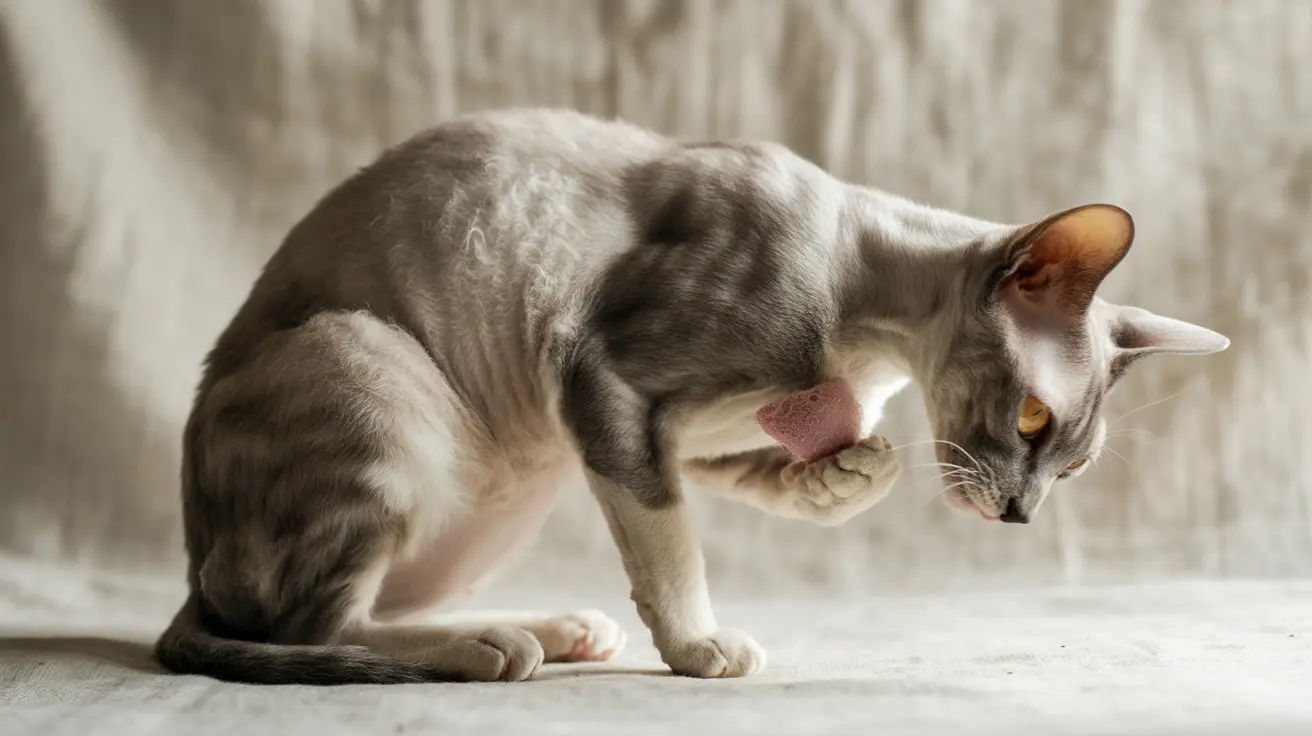
Have you ever noticed your cat pulling out fur while grooming and wondered why this happens? It can be worrying to see your furry friend losing more hair than usual.
You might ask yourself if this is normal or a sign of something serious. Understanding why your cat does this helps you keep them healthy and happy. You’ll discover the common reasons behind fur pulling and what you can do to help your cat feel comfortable again.
Keep reading to learn how to protect your cat’s coat and well-being.
Cat Grooming Behavior
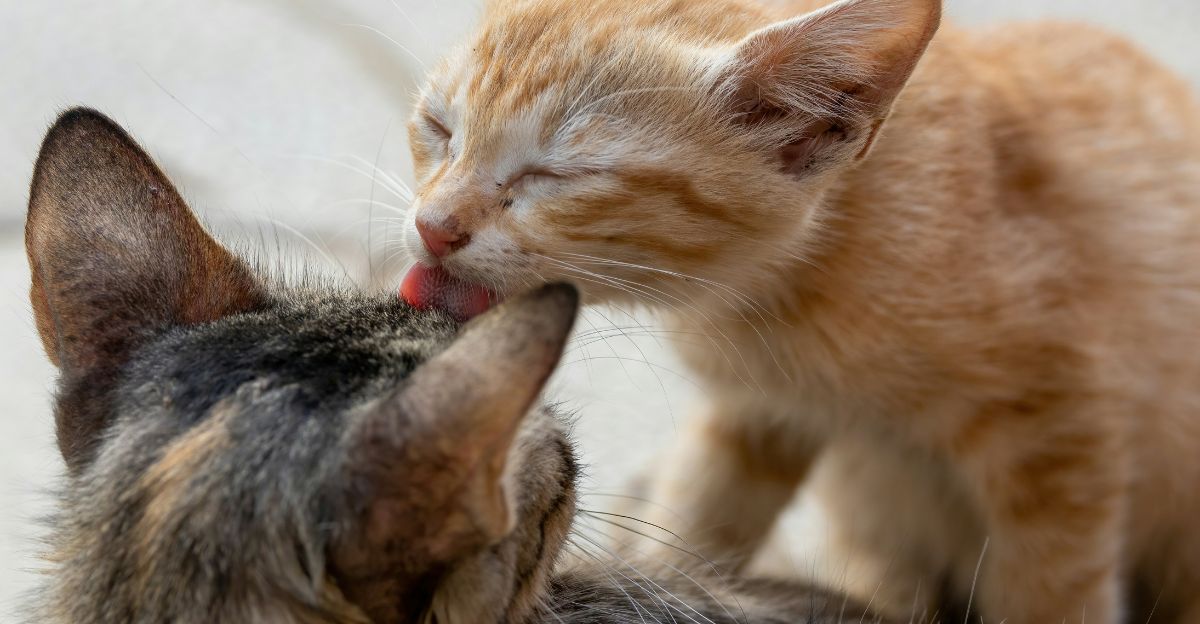
Cats spend a lot of time grooming themselves. This behavior keeps their fur clean and healthy. Grooming also helps cats relax and feel safe. It is a natural and important part of their daily routine.
Understanding normal grooming habits can help you spot any unusual behavior. Cats usually lick their fur gently and carefully. They use their tongues to remove dirt and loose hair. Grooming also spreads natural oils over their coat, which keeps it shiny and soft.
Normal Grooming Habits
- Cats groom several times a day, usually in short sessions.
- They lick their fur evenly to clean all body parts.
- Paw licking followed by face rubbing is common.
- Grooming helps control shedding by removing loose hairs.
- It calms cats and reduces stress levels.
When Grooming Becomes Excessive
Sometimes cats groom too much. Excessive grooming can cause bald spots or skin damage. It may be a sign of stress, allergies, or skin problems. Cats might pull out their fur while grooming if they feel itchy or anxious.
Watch for these signs of excessive grooming:
- Repeated licking or biting in one area
- Red, irritated, or raw skin
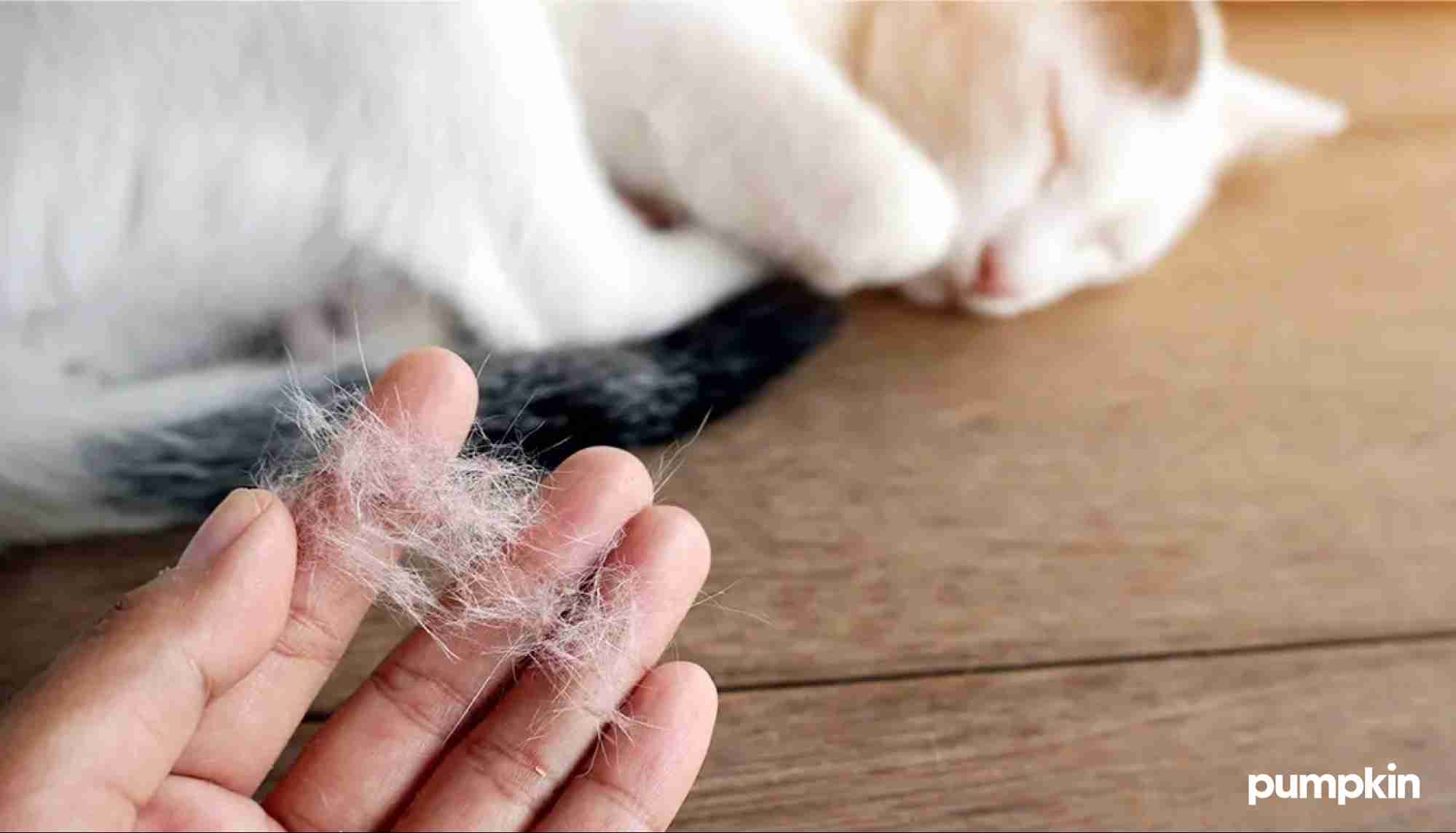
- Bald patches or thinning fur
- Restlessness or nervous behavior
Excessive grooming needs attention. It could point to health issues that require care. Observing your cat’s grooming helps keep them happy and healthy.
Common Causes Of Fur Pulling
Fur pulling in cats can be troubling to see. It often signals discomfort or an underlying issue. Understanding common causes helps address the problem early. Some cats pull fur due to physical irritations, while others do it because of emotional stress.
Allergies And Skin Irritations
Allergies cause itching and redness on a cat’s skin. Cats may pull out fur to relieve this irritation. Common allergens include certain foods, pollen, dust, and chemicals. Skin irritations like rashes or dry patches also lead to fur pulling. Regular vet checks help identify these problems fast.
Parasites And Infections
Parasites such as fleas and mites cause intense itching. Cats often bite and pull fur in affected areas. Infections, bacterial or fungal, worsen the skin condition. These infections may cause hair loss and discomfort. Proper treatment clears parasites and heals infections quickly.
Stress And Anxiety
Emotional stress affects a cat’s behavior deeply. Anxiety can lead to over-grooming and fur pulling. Changes in environment, loud noises, or lack of attention trigger stress. Fur pulling becomes a coping mechanism to soothe nerves. Creating a calm environment reduces anxiety and stops this behavior.
Medical Conditions Linked To Fur Loss
If your cat is pulling out fur during grooming, it might be more than just a quirky habit. Several medical conditions can cause this behavior and lead to noticeable fur loss. Understanding these conditions helps you recognize when to seek veterinary care and how to support your cat’s health effectively.
Dermatological Disorders
Skin problems are a common reason behind your cat’s fur loss. Conditions like allergies, fungal infections, or parasites such as fleas often make your cat itchy and uncomfortable. This irritation can cause your cat to over-groom or pull out fur to relieve the discomfort.
Have you noticed redness, bumps, or scabs along with fur loss? These signs usually point to skin infections or allergic reactions that need prompt treatment. Ignoring these symptoms might worsen your cat’s skin health and lead to more severe fur damage.
Hormonal Imbalances
Hormonal issues can silently trigger fur loss in cats. Problems with the thyroid gland, adrenal glands, or reproductive hormones can disrupt your cat’s fur growth cycle. This imbalance often results in thinning fur or bald patches, especially around the abdomen and tail base.
Your cat may not show obvious signs of illness besides the fur loss. This makes it tricky to spot without a vet’s checkup. Could your cat’s unexplained bald spots be linked to a hidden hormonal problem?
Pain And Discomfort
Sometimes, cats pull out fur because they are trying to cope with pain or discomfort in a specific area. Injuries, arthritis, or internal issues can make grooming painful, causing your cat to focus on certain spots and pull fur excessively.
Pay attention if your cat is licking or biting one area more than others. This behavior might be a silent call for help. Addressing the underlying pain can reduce the fur pulling and improve your cat’s overall well-being.
Credit: www.pumpkin.care
Behavioral Triggers
Cats may pull out fur during grooming due to stress or anxiety. Behavioral triggers like boredom or changes in their environment often cause this habit. Identifying these triggers helps reduce fur pulling and keeps your cat calm.
Cats are known for their meticulous grooming habits. Sometimes, this behavior leads to fur pulling. Understanding why your cat pulls out fur can be crucial. Behavioral triggers often play a significant role in this behavior.Boredom And Lack Of Stimulation
Cats need mental and physical stimulation. Without it, they may resort to over-grooming. This can lead to fur pulling. Interactive toys and regular playtime can help keep them engaged. A bored cat might groom excessively to fill time. Ensure your cat has plenty of activities.Compulsive Grooming
Some cats develop a habit of compulsive grooming. This behavior can be similar to human habits like nail-biting. It might start as a way to deal with anxiety. Gradually, it becomes a repetitive action. If your cat can’t stop, it’s important to intervene. Consult a vet to explore treatment options.Environmental Factors
Changes in your cat’s environment can cause stress. New pets, moving homes, or a new routine can affect them. Stress often leads to fur pulling as a coping mechanism. Creating a stable environment can help reduce stress. Ensure your cat has a safe, comfortable space to retreat.Signs To Watch For
Noticing signs that your cat pulls out fur is important. These signs reveal if your cat needs help. Watch closely for changes in skin, fur, and behavior.
Skin Redness And Sores
Redness on your cat’s skin can mean irritation or infection. Sores may appear from constant scratching or biting. These wounds often hurt and may get worse if untreated.
Patchy Fur Loss
Look for spots where fur looks thinner or is missing. Patchy fur loss shows your cat is pulling hair out. These bald areas can spread or stay in one place.
Changes In Behavior
Your cat might act restless or nervous. Grooming more than usual is a clear sign. Sometimes, cats hide or avoid play due to discomfort.
Credit: hellopetsinc.com
Treatment Options
When a cat pulls out its fur during grooming, choosing the right treatment is key. Treatment depends on the cause, severity, and your cat’s overall health. Early action can stop fur loss and ease your cat’s discomfort.
Veterinary Diagnosis
A vet will examine your cat to find the root cause. They may check for:
- Skin infections or parasites
- Allergies to food or environment
- Stress or anxiety signs
- Underlying medical conditions
Tests like skin scrapings, blood work, or allergy panels may be needed. Accurate diagnosis guides effective treatment.
Medications And Topical Treatments
Medications can reduce itching and inflammation. Common options include:
- Antibiotics for infections
- Antifungal creams or shampoos
- Anti-itch medications like steroids
- Flea control products
Topical ointments soothe irritated skin. Always follow the vet’s directions to avoid side effects.
Behavioral Therapy
Stress or boredom can trigger fur pulling. Behavioral therapy helps by:
- Providing more playtime and attention
- Using calming pheromone sprays
- Creating a quiet and safe space
- Offering interactive toys or puzzles
Sometimes, vets recommend anti-anxiety medication. Patience and consistency improve your cat’s behavior over time.
Preventing Fur Pulling
Preventing your cat from pulling out fur during grooming involves more than just stopping the behavior—it’s about understanding the root causes and addressing them thoughtfully. You can help your feline friend feel more comfortable and reduce fur pulling by creating a supportive environment and care routine. Small changes in how you manage grooming, stress, and diet can make a big difference in your cat’s well-being.
Regular Grooming Routine
Establish a consistent grooming schedule to keep your cat’s coat healthy and reduce the urge to pull fur. Brushing removes loose hairs and prevents mats that can irritate your cat’s skin. Try to groom your cat gently and in a calm environment—this helps build trust and makes grooming a positive experience.
Pay attention to the type of brush you use. Some cats prefer soft bristles, while others respond better to rubber grooming gloves. Have you noticed how your cat reacts to different tools? Adjusting your approach based on their preference can prevent stress and fur pulling.
Stress Reduction Techniques
Stress is a common trigger for fur pulling. Identify what might be stressing your cat—new pets, changes in the home, or loud noises can all contribute. Creating a quiet, safe space with familiar scents and toys can help your cat feel more secure.
Interactive play is another way to reduce anxiety. Using wand toys or puzzle feeders can distract your cat from grooming excessively. Have you tried calming pheromone diffusers or gentle background music? These can also soothe your cat’s nerves and reduce fur pulling.
Proper Diet And Nutrition
Your cat’s diet directly affects their skin and coat health. A lack of essential fatty acids or nutrients might cause dry, itchy skin, leading to fur pulling. Feeding high-quality cat food with omega-3 and omega-6 fatty acids supports a shiny, healthy coat.
Supplements like fish oil can be beneficial but check with your vet first. Have you noticed your cat’s coat looking dull or flaky? Improving their diet might be the key to stopping fur pulling and boosting their overall health.

Credit: www.feliway.co.uk
Frequently Asked Questions
Why Does My Cat Pull Out Fur While Grooming?
Cats may pull out fur due to stress, allergies, or skin irritation. Over-grooming often indicates discomfort or anxiety. Identifying the cause helps prevent further fur loss and keeps your cat healthy.
Can Allergies Cause Cats To Pull Out Their Fur?
Yes, allergies to food, pollen, or fleas can cause itching. Cats scratch or groom excessively, leading to fur loss. Treating allergies reduces discomfort and stops fur pulling behavior.
Is Over-grooming A Sign Of Illness In Cats?
Over-grooming can signal health issues like parasites or infections. It may also indicate emotional stress or boredom. A vet visit is essential to diagnose and treat underlying problems.
How Can I Stop My Cat From Pulling Out Fur?
Identify and address the root cause, such as allergies or stress. Provide environmental enrichment and regular vet checkups. Use calming products or medications if recommended by a vet.
Conclusion
Cats pulling out fur while grooming can signal health or stress issues. Watch your cat’s behavior closely for any changes. Regular vet visits help catch problems early. Keep your cat’s environment calm and clean. Use gentle grooming tools to avoid skin irritation.
Understanding why your cat pulls fur aids better care. Small actions can improve your cat’s comfort and health. Stay patient and observant for a happy, healthy pet.

Leave a Reply