
Is your cat suddenly avoiding the litter box? It can be frustrating and confusing to find your furry friend making a mess outside their usual spot.
You might wonder, “Why would a cat not use the litter box? ” Understanding the reasons behind this behavior is key to solving the problem quickly. You’ll discover common causes and simple solutions that can help you and your cat get back to a clean, happy home.
Keep reading—you’ll want to know what could be driving your cat away from their litter box and how you can fix it.

Credit: www.icnplast.com
Health Issues
Health issues can often be the hidden reason why your cat suddenly stops using the litter box. Cats are masters at hiding discomfort, so you might not notice anything wrong until their litter habits change. Paying close attention to health-related causes can help you catch problems early and keep your feline friend comfortable.
Urinary Tract Infections
Urinary tract infections (UTIs) are a common cause of litter box avoidance. When your cat experiences burning or pain while urinating, they may associate the litter box with discomfort and avoid it altogether.
You might notice frequent trips to the box with little output or visible blood in the urine. If your cat is acting restless or licking their genital area excessively, it’s time to consult your vet. Treating a UTI promptly can restore your cat’s litter box routine quickly.
Digestive Problems
Digestive issues such as constipation, diarrhea, or inflammatory bowel disease can also disrupt litter box habits. A cat struggling with digestion might avoid the box due to pain or urgency that feels uncontrollable.
Watch for signs like irregular stool, straining, or accidents outside the box. You can help by ensuring your cat has a balanced diet and easy access to water. If problems persist, your vet can recommend treatments that ease discomfort and encourage regular use of the litter box.
Pain And Mobility Challenges
Older cats or those with arthritis might find it painful to climb into or move around the litter box. This can lead to accidents as they try to avoid the discomfort of entering the box.
Consider the height and type of litter box you provide—lower sides or a ramp can make a big difference. If your cat shows signs of stiffness or reluctance to jump, a vet visit is important to manage pain and improve mobility. Adjusting the litter box setup can keep your cat comfortable and litter-trained.
Litter Box Problems
Cats can refuse to use their litter box for many reasons. One common cause is problems with the litter box itself. Small issues can make the box uncomfortable or unpleasant for your cat. Understanding these problems helps you fix them quickly. A happy cat usually means a clean and suitable litter box.
Dirty Or Unpleasant Litter
Cats are very clean animals. They dislike dirty litter boxes. If the litter is not changed often, it smells bad. This can make cats avoid the box. Clumps and waste should be removed daily. Use litter that your cat likes. Some cats prefer unscented or soft litter. Keep the litter fresh and clean.
Box Size And Type
The size of the litter box matters. A box too small can feel cramped. Cats need enough space to move and dig. Older cats may need a box with lower sides. The type of box also matters. Some cats like covered boxes for privacy. Others prefer open boxes to see around them. Match the box to your cat’s needs.
Location Concerns
Where the litter box sits affects use. Loud or busy places can scare cats. Avoid placing the box near loud machines or busy doors. Cats want quiet, private spots. Make sure the box is easy to reach. Avoid places that are too cold or too hot. A calm and safe location encourages use.
Behavioral Factors
Stress or changes in the environment can make a cat avoid the litter box. Sometimes, a cat may mark territory due to anxiety or conflicts with other pets. Understanding these behaviors helps address litter box issues effectively.
Cats are known for their independent and sometimes mysterious nature, and when they choose not to use the litter box, it can be perplexing. Various behavioral factors can influence this behavior, and understanding them can help you address the issue effectively. Let’s dive into some common behavioral reasons why your cat might be avoiding the litter box.Stress And Anxiety
Stress and anxiety can significantly affect your cat’s litter box habits. Cats are creatures of habit, and even minor changes in their environment can cause stress. Have you recently rearranged furniture or introduced a new pet? These changes might seem trivial to you, but they can be overwhelming for your feline friend. Try to maintain a stable environment and offer extra comfort to your cat during times of change.Territorial Marking
Cats are territorial animals, and marking their territory is a natural behavior. If your cat is not using the litter box, it might be marking its territory instead. This behavior is more common in multi-cat households where competition for territory might exist. Consider providing multiple litter boxes in different locations to reduce territorial disputes. Observe your cat’s behavior and see if there’s a pattern or specific area where marking is frequent.Changes In Household
Changes in the household, such as a new family member or a move, can disrupt your cat’s sense of security. Such changes can lead to litter box avoidance as your cat adjusts to the new dynamics. Have you noticed your cat hiding more often or behaving differently since a recent change? Offer your cat extra attention and reassurance to ease the transition. Patience and understanding are key as your cat adapts to the new environment. By recognizing these behavioral factors, you can better support your cat and encourage positive litter box habits. What changes can you make today to help your cat feel more at ease?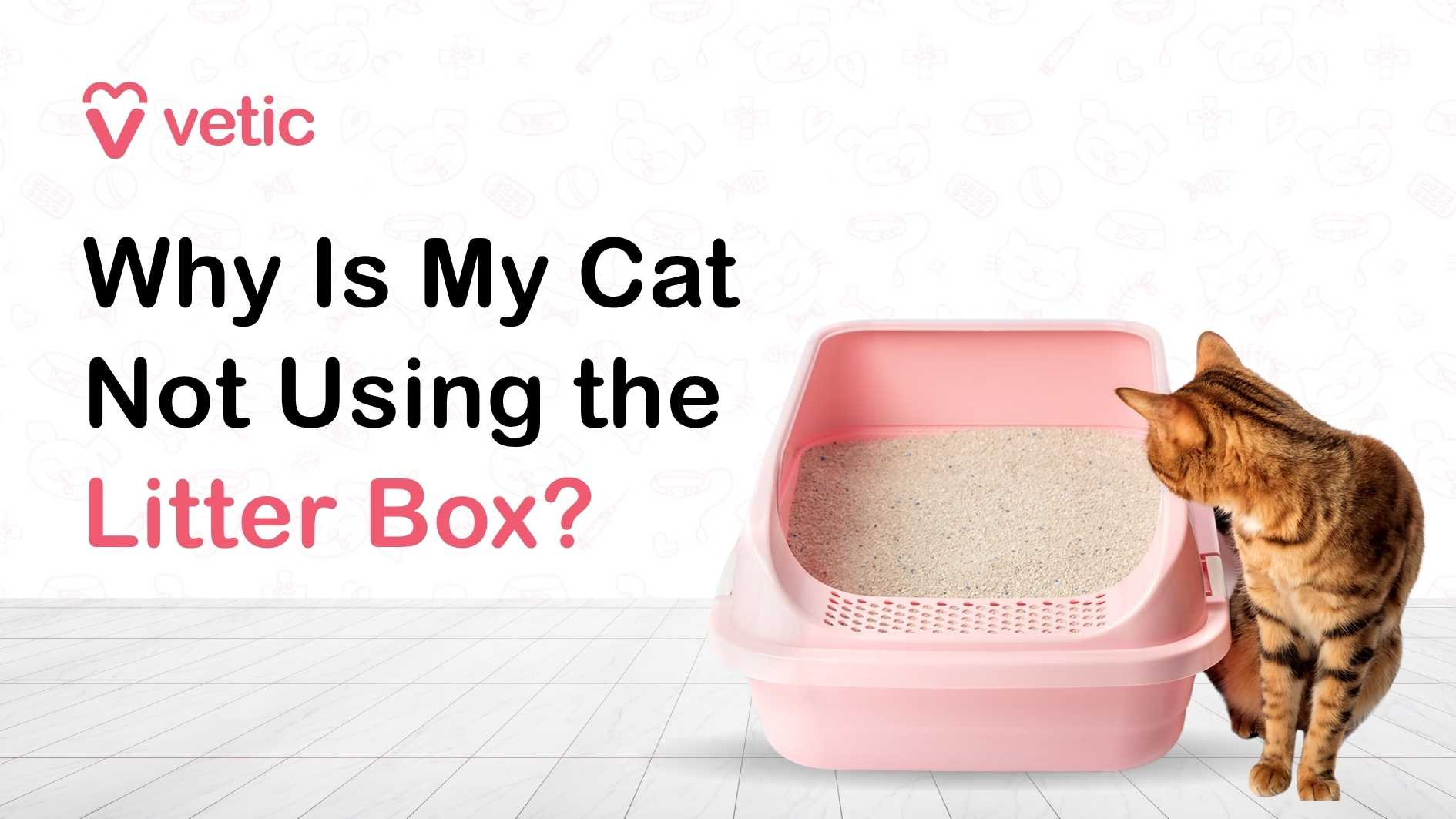
Credit: vetic.in
Environmental Triggers
Environmental triggers can have a big impact on your cat’s bathroom habits. Cats are creatures of habit and highly sensitive to changes around them. Even small shifts in their environment can make them avoid the litter box, causing frustration for both you and your furry friend.
New Pets Or People
Introducing a new pet or person into your home can unsettle your cat. They may feel threatened or stressed by unfamiliar scents and sounds. This anxiety often leads them to avoid the litter box as they try to find a safer or quieter spot.
Have you noticed your cat hiding more or acting withdrawn after a new arrival? That’s a sign they might be struggling with the change. Giving your cat extra attention and creating separate safe spaces can help ease their discomfort.
Loud Noises
Sudden loud noises like construction, fireworks, or even a vacuum cleaner can scare your cat. These noises disrupt their sense of security, prompting them to avoid areas they once felt comfortable using, including the litter box.
Try to observe if your cat’s litter box avoidance coincides with noisy events. Providing a quiet, calm area for their litter box away from loud sounds can encourage them to return to normal habits.
Changes In Routine
Cats thrive on routine. Changes such as moving the litter box, switching litter types, or altering feeding times can confuse them. This confusion often causes them to skip the litter box until they adjust.
Think about recent changes in your home. Did you move the litter box to a new spot or try a different litter? Slowly reintroducing familiar elements can help your cat feel more secure and willing to use the litter box again.
Solutions And Tips
Solving litter box issues often requires simple, consistent actions. Small changes can make a big difference in your cat’s behavior. Focus on cleaning, the litter box itself, and your cat’s comfort. Understanding these areas helps keep your cat happy and healthy.
Cleaning And Maintenance
Keep the litter box clean to encourage use. Scoop waste daily to remove odors and mess. Wash the box with mild soap every week. Avoid strong-smelling cleaners; cats dislike harsh scents. Replace the litter regularly to keep it fresh. A dirty box can make your cat avoid it.
Choosing The Right Litter Box
Select a box that fits your cat’s size and needs. Some cats prefer covered boxes for privacy. Others like open boxes to see around. Consider low-sided boxes for older or small cats. Place the box in a quiet, accessible spot. Avoid areas with loud noises or heavy traffic.
Managing Stress
Stress can cause litter box problems. Provide a calm environment for your cat. Keep feeding and playtime routines consistent. Use calming sprays or diffusers made for cats. Give your cat plenty of attention and affection. Reduce changes in the household when possible.
When To Consult A Vet
Visit a vet if your cat suddenly stops using the box. Health issues like infections or pain can cause this behavior. A vet can check for urinary or digestive problems. Early treatment prevents serious health risks. Get professional advice to keep your cat healthy and comfortable.

Credit: www.yahoo.com
Frequently Asked Questions
Why Is My Cat Avoiding The Litter Box Suddenly?
Cats may avoid the litter box due to stress, illness, or dirty litter. Changes in their environment or litter type can also cause avoidance. Always check for health issues and maintain a clean, quiet litter area to encourage proper use.
Can Medical Problems Cause Litter Box Issues?
Yes, urinary tract infections, bladder stones, or kidney disease can make litter box use painful. These conditions often lead to accidents outside the box. If your cat suddenly stops using the box, consult a vet promptly for diagnosis and treatment.
How Does Litter Box Cleanliness Affect My Cat?
Cats prefer a clean litter box; dirty boxes can deter use. Scoop waste daily and change litter regularly to maintain freshness. A clean box reduces odors and encourages consistent use, supporting your cat’s hygiene and comfort.
Does Litter Box Location Impact My Cat’s Behavior?
Yes, cats need a quiet, private, and accessible litter box location. Avoid noisy or high-traffic areas. A well-placed box helps your cat feel safe and relaxed, promoting proper litter box habits and preventing accidents.
Conclusion
Cats avoiding the litter box can signal many issues. Health problems, stress, or a dirty box often cause this behavior. Changing the litter type or box location might help. Pay attention to your cat’s habits and feelings. Patience and care can solve most problems.
A happy cat uses the litter box again. Keep observing and acting with kindness. Your cat will thank you with trust and love.



Leave a Reply