Choosing the right size for your cat’s litter box might seem simple, but it can make a huge difference in your cat’s comfort and your home’s cleanliness. If the box is too small, your cat may avoid using it, causing unwanted messes.
Too big, and it might take up unnecessary space or be hard to clean. You want to make sure your furry friend feels comfortable and happy every time they use their litter box. You’ll discover exactly how big a cat litter box should be and why size matters more than you might think.
Keep reading to find out how to create the perfect bathroom spot for your feline companion.
Ideal Litter Box Dimensions
Choosing the right size for a cat litter box is key to your cat’s comfort and hygiene. The box must have enough space for your cat to move, turn, and dig. Ideal litter box dimensions depend on your cat’s size and habits.
Length And Width Recommendations
The litter box should be at least 1.5 times the length of your cat, excluding the tail. This gives enough room for your cat to stretch and turn comfortably.
- For small cats, 18 to 20 inches long works well.
- Medium cats need 20 to 24 inches.
- Large cats require 24 to 30 inches.
The width should match the length or be slightly smaller to allow easy entry and exit. A wider box helps prevent litter scatter.
Height And Depth Considerations
Height matters for your cat’s ease of access. Low sides work best for kittens and older cats. A height of 4 to 6 inches is ideal for easy entry.
For active cats that dig deeply, sides should be taller, about 6 to 8 inches, to keep litter inside. Covered boxes need extra height for comfort.
Depth is important for holding enough litter. Aim for 2 to 3 inches of litter depth. This allows your cat to cover waste properly without making a mess.
Cat Size And Breed Factors
Choosing the right size litter box depends heavily on your cat’s size and breed. Your cat needs enough space to move comfortably, dig, and turn around without feeling cramped. Ignoring these factors can lead to litter box avoidance, which is frustrating for both you and your feline friend.
Small And Medium Cats
Smaller cats like Siamese or domestic shorthairs usually do well with litter boxes around 18 to 20 inches long. This size gives them enough room to dig and cover waste without feeling confined.
If you have multiple small cats, consider a larger or multiple boxes to avoid crowding. Cats appreciate personal space when it comes to bathroom habits.
Think about your cat’s activity level too. A playful, energetic cat may benefit from a slightly bigger box to accommodate their movement.
Large And Extra-large Breeds
Big breeds such as Maine Coons or Norwegian Forest Cats need much larger boxes — ideally 24 inches or longer. These cats require extra room to turn around comfortably and avoid stepping outside the box.
For giant breeds, some owners even opt for litter boxes designed for small dogs. This prevents accidents and keeps your home cleaner.
Have you noticed your large cat avoiding the box? It might be time to upgrade to a more spacious option. Comfort directly influences their willingness to use the litter box consistently.
Types Of Litter Boxes
Choosing the right size of a cat litter box is important for your pet’s comfort. It should be at least one and a half times your cat’s length to allow easy movement. Different types of litter boxes vary in size and shape to fit your cat’s needs.
Types of litter boxes vary in design and function. Each type offers unique benefits for cats and their owners. Choosing the right litter box can improve your cat’s comfort and cleanliness.Open Vs Covered Boxes
Open litter boxes are simple and easy to clean. They allow free airflow, reducing odor buildup. Cats often feel less confined using open boxes. They can easily enter and exit without barriers. Covered boxes offer privacy and help contain odors. They have a lid or hood that covers the box. This design can help reduce litter scatter. Some cats might prefer the security of a covered space.Self-cleaning Options
Self-cleaning litter boxes simplify maintenance for cat owners. These boxes automatically remove waste after use. They use sensors to detect when a cat exits. Then, they rake or sift the waste into a separate compartment. Self-cleaning boxes can reduce odors and keep the litter fresh. They are ideal for busy households. Cats always have a clean space to use, improving their hygiene.:max_bytes(150000):strip_icc()/jumbo-hooded-litter-9a24d0f6fd1945528a75c52c39e4d3fb.jpg)
Credit: people.com
Number Of Cats And Box Size
The number of cats you have directly influences how large and how many litter boxes you need. Each cat requires enough space to feel comfortable and avoid territorial disputes. Understanding the right box size for your feline friends makes a big difference in keeping your home clean and your cats happy.
Single Cat Households
If you have just one cat, the litter box should be spacious enough for your cat to turn around easily and dig without feeling cramped. A good rule of thumb is to choose a box that is at least 1.5 times the length of your cat from nose to the base of the tail.
For example, if your cat is about 18 inches long, aim for a litter box that is around 27 inches long. This extra space encourages your cat to use the box consistently and reduces the chance of accidents outside the box.
Have you noticed your cat avoiding its litter box? It might be time to check if the box is too small or uncomfortable.
Multi-cat Homes
With multiple cats, size matters even more, but so does the number of boxes. Experts suggest providing one litter box per cat, plus an extra one. This helps prevent competition and territorial issues.
Each box should be at least as large as the biggest cat in your household. For example, if one cat is 20 inches long and another is 15 inches, pick boxes that accommodate the 20-inch cat comfortably.
Space out the boxes in different areas of your home to give each cat privacy and reduce stress. Have you tried placing boxes in quiet corners or separate rooms? It can make a big difference in how your cats use them.
Material And Design Impact
The material and design of your cat’s litter box play a crucial role in its comfort and usability. These factors affect not only how easy it is for your cat to use the box but also how simple it is for you to clean and maintain. Picking the right combination can save you time and keep your feline friend happy.
Plastic Vs Other Materials
Plastic is the most common material for litter boxes. It’s lightweight, affordable, and easy to clean. But have you noticed how some plastics absorb odors or stain quickly? That can make your home smell unpleasant.
Other materials like stainless steel or ceramic offer better odor resistance and durability. Stainless steel boxes don’t trap smells and are nearly impossible to scratch, which keeps bacteria at bay. Ceramic options can be heavier but often look nicer and are easier to clean thoroughly.
Still, some cats prefer the feel of plastic under their paws, so consider your cat’s preferences. Could switching materials improve your cat’s litter habits?
Shape And Accessibility
The shape of the litter box impacts your cat’s willingness to use it. Rectangular boxes provide more space for movement, while round ones might feel cramped. If your cat is older or has mobility issues, the entry height matters a lot.
Low-entry boxes make it easier for kittens and senior cats to get in and out without pain. Covered boxes offer privacy but can trap odors and make cleaning tougher. Open designs promote ventilation but might feel less secure to shy cats.
Think about your cat’s size and personality. Does the current design invite your cat to use the box comfortably? Trying a different shape or entry style might solve accidents outside the box.
Placement And Space Constraints
Choosing the right place for a cat litter box matters a lot. Space constraints in homes can make this tricky. The box needs to fit well and feel comfortable for your cat. Poor placement can lead to accidents or your cat avoiding the box.
Finding The Right Spot
Pick a quiet corner with low foot traffic. Cats prefer privacy while using their litter box. Avoid noisy areas like near washing machines or busy hallways. Make sure the spot is easy for your cat to reach. Keep the box away from their food and water bowls. This helps keep your cat comfortable and happy.
Maximizing Small Spaces
Use compact litter boxes designed for small areas. Consider covered boxes to contain litter scatter. Place the box under furniture like a desk or cabinet. Use a litter box enclosure that doubles as furniture. Keep the area clean to avoid odors in tight spaces. Rotate the box location if space feels cramped. Small adjustments can make a big difference for your cat.
Signs Your Cat Needs A Bigger Box
Recognizing when your cat needs a bigger litter box can save you from frustration and keep your feline friend happy. Cats are particular about their space, especially when it comes to their bathroom habits. If you’ve noticed some changes in behavior or physical signs, it might be time to upgrade the size of their litter box.
Behavioral Clues
Is your cat avoiding the litter box or using odd spots around the house? This often means the box is too small or uncomfortable. Cats need enough room to turn around and dig comfortably.
Watch for signs like:
- Your cat hesitates before entering the box.
- They scratch around the edges instead of inside the box.
- Frequent accidents outside the box.
These behaviors suggest your cat feels cramped or stressed. Have you noticed your cat looking frustrated or restless near their litter area? That’s a clear hint that the box isn’t meeting their needs.
Physical Indicators
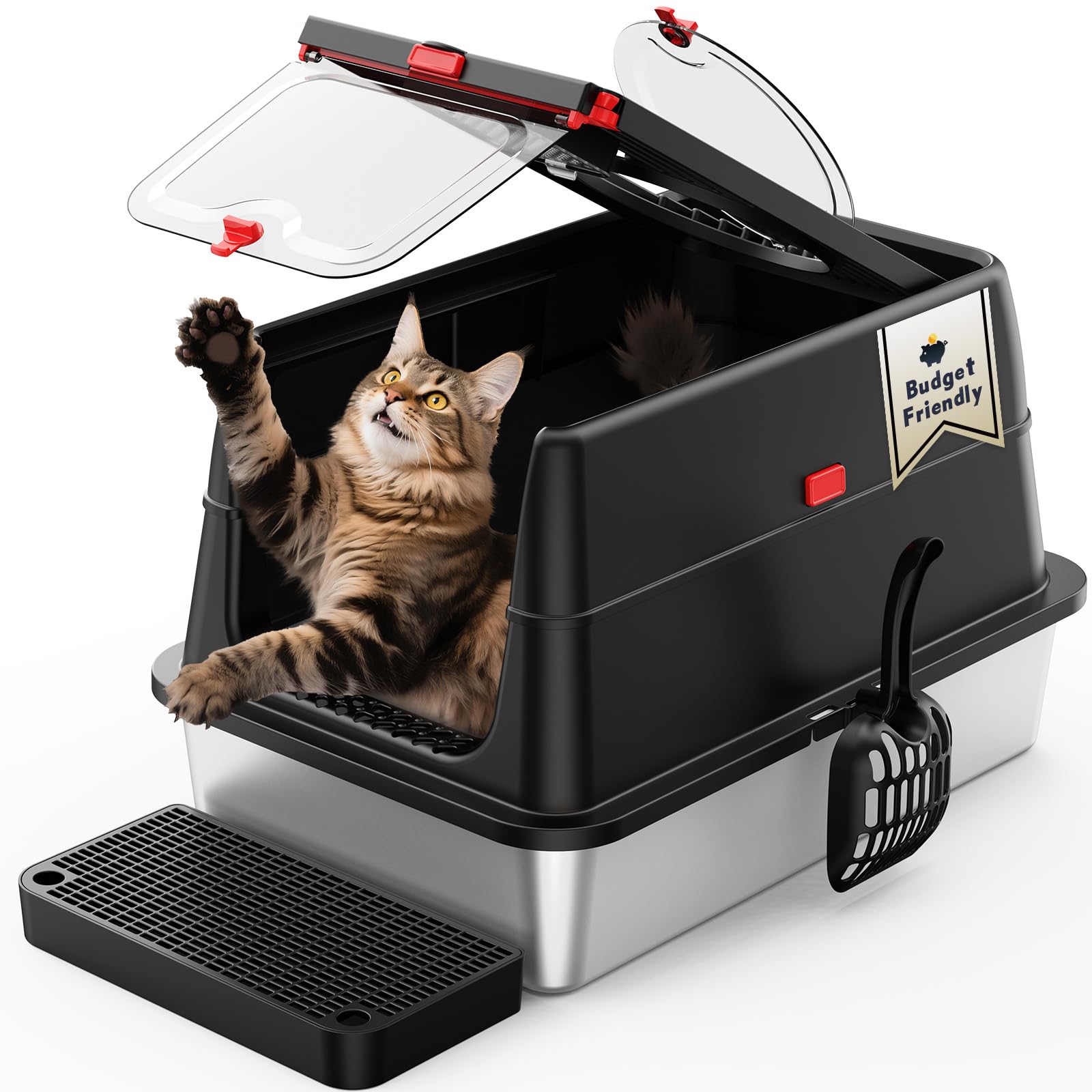
Look closely at how your cat fits inside the box. If their tail or paws are always pushing against the sides, the box is too small. A cramped space can cause discomfort and discourage your cat from using it properly.
Consider your cat’s size and weight. Larger breeds like Maine Coons need significantly bigger boxes than smaller cats. If your cat has grown recently, their old box might no longer be sufficient.
Also, check if your cat’s fur or litter scatters outside the box more than usual. This can mean they don’t have enough room to dig or cover their waste comfortably.
Credit: www.amazon.ca
Maintaining Comfort With Proper Size
Choosing the right size for a cat litter box is key to keeping your cat comfortable. A box that is too small can cause your cat stress or discomfort. Cats need enough room to turn around and dig without feeling cramped. Comfort encourages good bathroom habits and keeps your cat happy.
Proper box size also helps control messes. A larger box reduces litter scatter and keeps your home cleaner. It also makes cleaning easier and more effective. Small boxes fill up quickly and need more frequent attention.
Cleaning Frequency And Box Size
The size of the litter box affects how often you must clean it. Smaller boxes fill up fast with waste. This means more frequent scooping and litter changes. Larger boxes hold more litter and waste. They stay cleaner longer and need less frequent cleaning.
Cleaning frequency impacts your cat’s comfort. A dirty box can cause your cat to avoid it. Keeping the box clean and properly sized improves your cat’s experience. It helps prevent accidents outside the box.
Encouraging Consistent Use
A well-sized box encourages your cat to use it consistently. Cats avoid boxes that feel cramped or uncomfortable. A spacious box allows natural digging and covering behavior. This makes your cat more likely to use it every time.
Consistent use means fewer accidents and less stress for your cat. It also helps you keep the home clean. Providing the right size is a simple way to support your cat’s needs and comfort.

Credit: catit.ca
Frequently Asked Questions
What Is The Ideal Size For A Cat Litter Box?
The ideal litter box should be 1. 5 times the length of your cat. This size allows comfortable movement and proper waste coverage, reducing mess and odor effectively.
How Does Litter Box Size Affect Cat Behavior?
A properly sized litter box helps cats feel secure and relaxed. If it’s too small, cats may avoid it or have accidents outside the box.
Should I Get A Bigger Box For Multiple Cats?
Yes, a larger or multiple litter boxes are recommended for multi-cat households. This prevents overcrowding and promotes better hygiene and cat comfort.
Can A Small Litter Box Cause Health Issues?
Yes, a small litter box can stress cats, leading to urinary or behavioral problems. Providing enough space encourages regular, healthy litter box use.
Conclusion
Choosing the right size for your cat’s litter box helps keep them happy. A box too small can cause discomfort and mess. Cats need enough space to move and dig. A bigger box is usually better than a small one.
Clean the box often to keep your cat healthy. Remember, a comfortable cat is a happy cat. Size matters, but comfort and cleanliness matter more. Give your cat the space they need to feel safe. This simple step improves their daily routine and your home’s cleanliness.

Leave a Reply