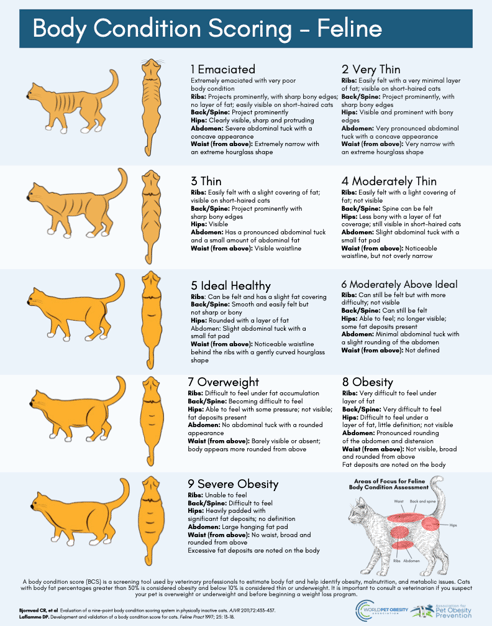
Have you noticed your cat isn’t grooming herself like she used to? It’s natural to wonder why your furry friend suddenly stops cleaning her fur.
Grooming is a key part of a cat’s daily routine, so when it changes, it can be a sign that something’s wrong. Understanding the reasons behind this behavior will help you keep your cat healthy and happy. Keep reading to discover what might be causing your cat to skip her grooming and what you can do to help her feel better.
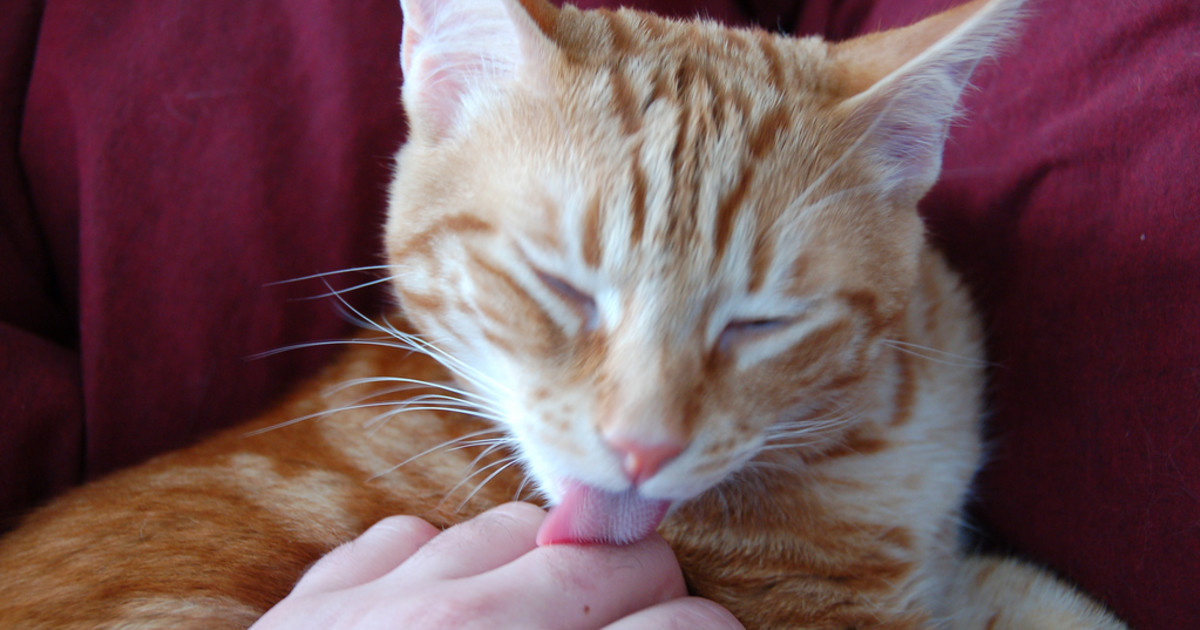
Credit: pethelpful.com
Common Grooming Habits
Understanding your cat’s grooming habits can give you key insights into why she might stop grooming herself. Cats have very specific ways they keep themselves clean and healthy, and noticing changes can help you spot problems early. Let’s look closely at what normal grooming looks like and why it matters so much.
How Cats Normally Groom
Cats use their tongues like tiny brushes to clean their fur. Their tongues have tiny, hook-like structures that pull dirt and loose hair away. Grooming usually happens several times a day, especially after meals or naps.
They often lick their paws first, then rub them over their face and head. This helps reach spots their tongues can’t easily touch. You might see your cat stretch out to reach her sides and back too.
Grooming isn’t just about looking good. It helps regulate body temperature and reduce stress. Have you noticed your cat licking more when she’s anxious or scared? That’s a natural calming behavior.
Importance Of Grooming For Cats
Grooming keeps your cat’s fur free of mats, dirt, and parasites. Without regular grooming, fur can get tangled and cause pain or skin infections. Cats also use grooming to spread natural oils that keep their coat shiny and waterproof.
Grooming plays a big role in your cat’s health beyond just the fur. It stimulates blood flow and helps them stay alert to any skin problems. If your cat stops grooming, it could be a sign of pain, illness, or emotional distress.
Have you ever wondered why your cat grooms you sometimes? It’s a sign of trust and social bonding. When your cat neglects her own grooming, it might mean she’s not feeling safe or well enough to care for herself.
Health Issues Affecting Grooming
When your cat stops grooming herself, it’s often a sign that something is wrong beneath the surface. Health issues can make grooming difficult or painful, leading your furry friend to neglect this essential habit. Understanding these health problems can help you spot warning signs early and provide the care your cat needs.
Skin Conditions
Skin problems can make grooming uncomfortable or even painful for your cat. Issues like allergies, parasites, or infections cause itching and irritation, which may discourage your cat from licking or scratching the affected areas.
You might notice bald patches, redness, or scabs if your cat is struggling with skin conditions. Have you checked your cat’s coat closely lately? These signs can tell you when a vet visit is necessary.
Dental Problems
Pain in the mouth can seriously affect your cat’s willingness to groom. Dental issues such as tooth decay, gum disease, or abscesses make licking and chewing painful tasks.
Your cat might seem less interested in cleaning herself if her mouth hurts. Watch for bad breath, drooling, or difficulty eating—these could be clues that dental care is needed.
Arthritis And Mobility
As cats age, arthritis can make it hard for them to reach certain parts of their body. Stiffness and joint pain reduce their flexibility, so grooming becomes a struggle.
If your cat seems less agile or avoids cleaning hard-to-reach spots, arthritis might be the culprit. Have you noticed her favoring one side or hesitating to jump? These behaviors can hint at mobility issues affecting grooming.
Behavioral Causes
Behavioral causes can often explain why a cat stops grooming herself. Cats rely on grooming to feel comfortable and clean. When something disrupts their mental state, they might neglect this important habit. Understanding these behavioral issues can help you support your cat better.
Stress And Anxiety
Stress can cause a cat to stop grooming. Loud noises, new people, or other pets may trigger anxiety. A stressed cat may feel unsafe and avoid self-care. Grooming is a calming activity, but too much stress can block this behavior.
Depression In Cats
Cats can get depressed just like humans. Loss of a companion or sudden changes can cause sadness. Depressed cats often lose interest in grooming. They may sleep more and move less, showing low energy and motivation.
Changes In Environment
Moving to a new home or rearranging furniture can confuse a cat. Cats like routine and familiar surroundings. Environmental changes may cause insecurity and stop grooming. Providing a quiet, safe space helps cats adjust and regain grooming habits.
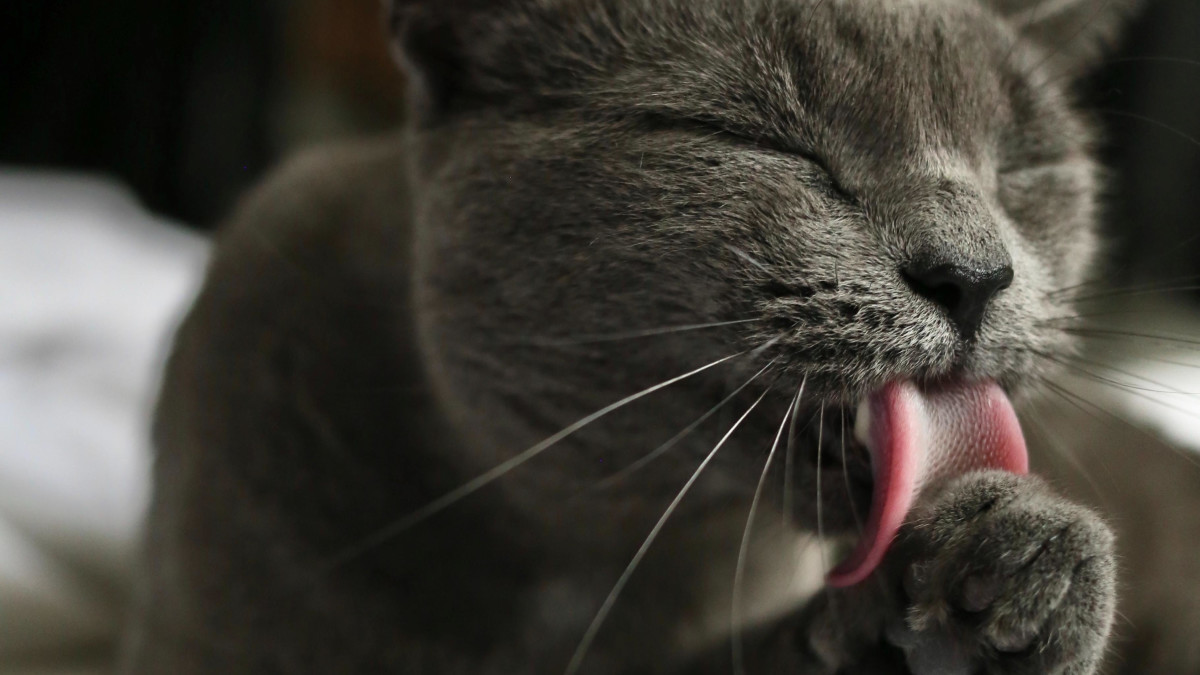
Credit: pethelpful.com
Nutritional Deficiencies
Nutritional deficiencies can play a surprising role in why your cat might stop grooming herself. Cats rely on a balanced diet to maintain healthy skin and fur, and missing key nutrients can lead to discomfort or lethargy, making grooming less of a priority. Have you ever noticed your cat’s coat looking dull or patchy? This could be a sign that her diet isn’t meeting her needs.
Impact Of Poor Diet
A lack of essential fatty acids, vitamins, and minerals can cause dry skin, itching, and hair loss in cats. These symptoms often make grooming uncomfortable or even painful for your furry friend. Without enough omega-3 and omega-6 fatty acids, your cat’s skin can become flaky and irritated.
Protein is another critical nutrient for skin repair and fur growth. If your cat’s diet is low in quality protein, she may not have enough energy or resources to keep up with regular grooming. Have you checked the ingredients on your cat’s food lately? Sometimes even popular brands don’t provide the right balance for optimal health.
Supplements That Help
Adding supplements to your cat’s diet can sometimes make a big difference in her grooming habits. Fish oil supplements rich in omega-3 fatty acids can improve skin hydration and reduce inflammation. Many cat owners have seen their pets start grooming again after introducing these supplements.
Biotin and vitamin E are other helpful supplements that support skin health. However, it’s important to talk to your vet before adding anything new to your cat’s diet. They can recommend the right dosage and ensure the supplements won’t interfere with existing health conditions.
Parasites And Infestations
Parasites and infestations can cause cats to stop grooming themselves. These tiny invaders irritate your cat’s skin, leading to discomfort and stress. Cats often struggle to groom when they’re battling infestations. Left untreated, these parasites can lead to more severe health issues. Understanding these pests is crucial to helping your cat stay healthy.
Fleas And Mites
Fleas are common parasites that affect cats. These tiny insects live on your cat’s skin and feed on their blood. Mites, on the other hand, are microscopic and cause intense itching. Both can make grooming painful for your cat. Fleas and mites not only cause discomfort but can lead to skin infections.
Signs To Watch For
Look for excessive scratching or biting at the fur. Your cat may also have red, irritated skin. Hair loss in patches is another sign. Check for tiny black specks in the fur, a sign of flea dirt. If your cat seems restless or agitated, parasites might be the cause. Regular vet check-ups can help catch infestations early. Addressing these issues promptly can help your cat return to their grooming routine.
When To See A Vet
Noticing that your cat isn’t grooming herself can be worrying. Grooming is a key part of a cat’s daily routine, and changes might signal health issues. Knowing when to see a vet can help catch problems early and keep your furry friend comfortable.
Red Flags In Grooming Behavior
Watch for sudden changes in your cat’s grooming habits. If she stops cleaning herself altogether or overgrooms a specific area, it could mean pain, skin irritation, or stress.
Other signs to look out for include:
- Mattes or clumps in fur that don’t improve
- Visible wounds or sores under the fur
- Excessive licking causing hair loss
- Unpleasant odor from the coat
- Behavioral changes like hiding or irritability
If you notice any of these, don’t wait. Your cat might be trying to tell you something important.
Diagnostic Tests
At the vet, several tests can help identify why your cat isn’t grooming. A physical exam will check for pain, lumps, or skin infections.
Common tests include:
- Skin scrapingsto look for parasites like mites
- Blood teststo check for underlying diseases such as diabetes or thyroid issues
- Allergy testingif an allergic reaction is suspected
- X-rays or ultrasoundsif internal problems are suspected
These tests give your vet clues to the root cause and the best treatment plan. Remember, early diagnosis can save your cat discomfort and prevent complications.
Helping Your Cat Groom Again
Seeing your cat stop grooming can be worrying. Grooming is more than just keeping clean—it helps cats feel comfortable and healthy. Helping your cat groom again means supporting her gently and patiently, understanding what might be causing the change, and offering practical ways to encourage her natural habits.
At-home Grooming Tips
You can assist your cat’s grooming routine with simple tools and care. Start by brushing her fur daily, especially if she has long hair or seems reluctant to groom herself. Use a soft brush to avoid irritating her skin, and pay attention to mats or tangles that might be painful.
Bathing might seem scary, but occasionally cleaning your cat with a damp cloth can help remove dirt and soothe irritated skin. Check her paws and face too, as these areas are often missed. Remember, gentle praise and treats during grooming build trust and make her more willing to cooperate.
Creating A Stress-free Space
Stress can stop a cat from grooming. Look around her environment—are there loud noises, new pets, or changes that could upset her? Creating a calm, safe spot can make a big difference.
Set up a cozy corner with her favorite blanket and toys where she feels secure. You might also try calming pheromone sprays or diffusers designed for cats. Watch her behavior—does she groom more when relaxed? If you notice improvement, keep that space peaceful and undisturbed.

Credit: www.reddit.com
Frequently Asked Questions
Why Won’t My Cat Groom Herself Regularly?
Cats may stop grooming due to illness, pain, or stress. Dental problems, arthritis, or skin issues can cause discomfort. Behavioral changes or anxiety also reduce grooming. If your cat stops grooming, consult a vet for a proper diagnosis and treatment.
Can Health Problems Affect My Cat’s Grooming Habits?
Yes, health problems like infections, arthritis, or dental disease often reduce grooming. Pain and discomfort make self-cleaning difficult. Skin allergies or parasites also discourage grooming. Early vet visits help identify and treat these issues, restoring normal grooming behavior.
How Does Stress Impact My Cat’s Grooming?
Stress and anxiety can cause cats to groom less or over-groom. Changes in environment, new pets, or loud noises increase stress. Reduced grooming is a common stress sign. Providing comfort and routine helps your cat feel secure and resume normal grooming.
When Should I Take My Cat To The Vet For Grooming Issues?
Visit a vet if your cat stops grooming for more than two days. Also, seek help if you notice hair loss, skin redness, or foul odors. Early diagnosis prevents worsening health problems and ensures your cat stays clean and comfortable.
Conclusion
Cats may stop grooming for many reasons like illness or stress. Watch your cat closely for signs of pain or behavior changes. Keep their environment calm and clean to help them feel safe. Regular vet visits can catch health problems early.
Helping your cat stay clean keeps them happy and healthy. Small changes in care make a big difference. Remember, patience and love are key to support your furry friend.




Leave a Reply