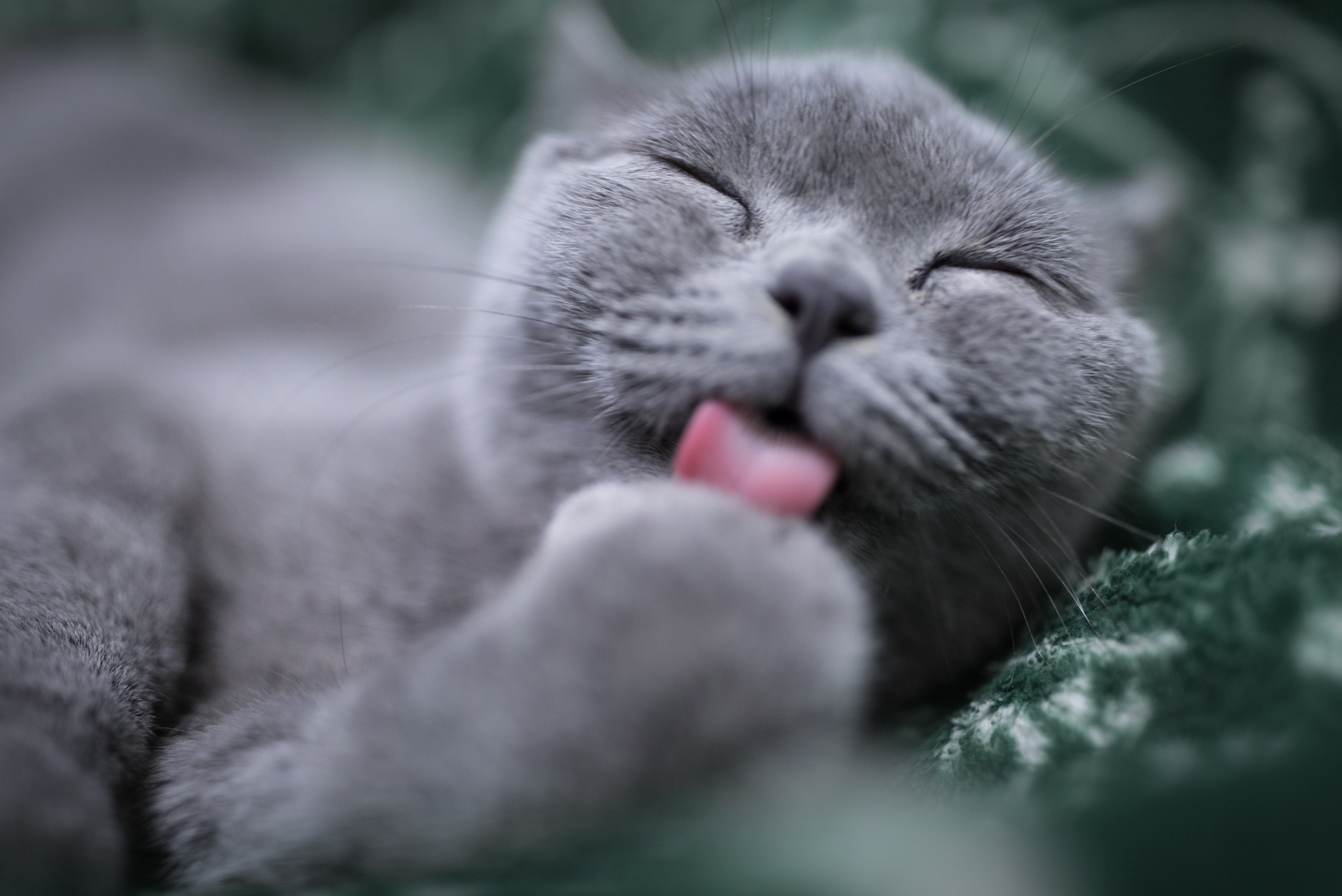
Is your cat spending too much time licking or biting its fur? Excessive grooming can be a sign that your furry friend is stressed or uncomfortable.
You might feel worried or unsure about how to help your cat relax and stop this behavior. You’ll discover simple and effective ways to destress your cat and bring back their happy, calm self. Keep reading to learn how you can make a real difference in your cat’s well-being.

Credit: www.angiesmobilepetstyling.com
Causes Of Excessive Grooming
Excessive grooming in cats often signals an underlying issue. It can cause hair loss, skin problems, and discomfort. Understanding what triggers this behavior helps you support your cat’s health and happiness.
Stress And Anxiety Factors
Cats groom to calm themselves. Stress from changes in routine or environment can increase grooming. Loud noises, new pets, or visitors may cause anxiety. Boredom and loneliness also lead to over-grooming. Identifying stressors helps reduce this behavior.
Medical Issues
Health problems often cause excessive grooming. Skin allergies, parasites, or infections irritate the skin. Pain from arthritis or injuries may make cats lick more. Hormonal imbalances can also affect grooming habits. A vet check is essential to rule out medical causes.
Environmental Triggers
Environmental factors play a big role in grooming. Dry air or harsh cleaning products can dry out skin. Lack of stimulation or confined spaces increase stress. Poor diet affects skin and fur health, leading to more grooming. Improving the environment can help calm your cat.
Credit: pethelpful.com
Signs Of Overgrooming
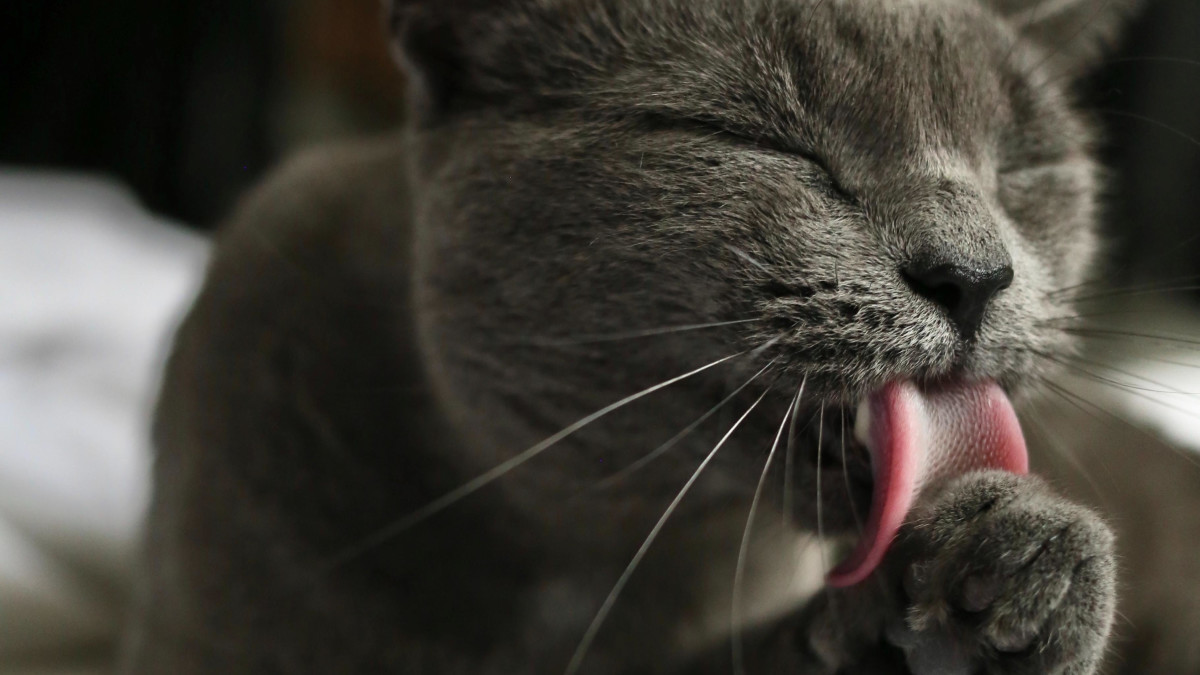
Recognizing the signs of overgrooming is crucial for your cat’s well-being. Excessive grooming can be a sign of stress, allergies, or other health issues. By spotting these signs early, you can help your cat feel more comfortable and reduce their urge to overgroom.
Physical Symptoms
Look closely at your cat’s coat and skin. Overgrooming often leads to bald patches, usually on the belly, legs, or face. You might also notice red, irritated skin or scabs from constant licking or biting.
Hairballs can become more frequent if grooming is excessive. Your cat’s fur may appear uneven or clumped. These physical signs tell you that something is wrong beneath the surface.
Behavioral Changes
Does your cat seem restless or anxious? Overgrooming often comes with changes in behavior like increased irritability or hiding. They might lick or chew the same spot repeatedly, even when not grooming normally.
Have you noticed your cat avoiding playtime or acting withdrawn? These shifts can signal stress or discomfort. Paying attention to these behaviors helps you understand your cat’s emotional state better.
Creating A Calm Environment
Creating a calm environment is essential to help your cat stop excessive grooming. Cats often groom too much when they feel stressed or unsafe. By making your home more peaceful and secure, you can reduce their anxiety and discourage this behavior.
Safe Spaces For Your Cat
Your cat needs a quiet spot where it can relax without interruptions. Choose a cozy corner or a small room and add soft bedding or a cat tree. Make sure this area is off-limits to noisy household activity and other pets.
Think about your cat’s habits. Does it like high places? Adding shelves or a window perch can give your cat a vantage point to feel secure. Safe spaces help your cat feel in control, which lowers stress and cuts down on over-grooming.
Reducing Noise And Distractions
Sudden loud sounds can scare your cat and trigger grooming as a coping mechanism. Try to keep household noises like vacuum cleaners, loud music, or banging doors to a minimum around your cat’s safe zone.
Use soft background sounds like classical music or white noise if your home is naturally loud. These can mask sudden noises and create a soothing atmosphere. Have you noticed how your cat reacts to different sounds? Observing this can guide you in making your home quieter for them.
Enrichment Activities To Distract
Enrichment activities offer great ways to distract your cat from excessive grooming. These activities keep your cat’s mind busy and reduce stress. A bored cat may groom too much. Engaging your cat with fun tasks helps break this habit. Enrichment also improves your cat’s overall happiness and health.
Interactive Toys
Interactive toys stimulate your cat’s natural hunting instincts. Toys that move or make noise grab your cat’s attention. Examples include:
- Feather wands that mimic bird movements
- Battery-operated mice that scurry around
- Laser pointers to chase light spots
- Puzzle feeders that release treats
These toys encourage your cat to focus on play instead of grooming. Change toys often to keep your cat interested. Supervise playtime to ensure safety and fun.
Playtime Routines
Creating a regular playtime routine helps your cat release energy. Short, frequent sessions work best. Try 10 to 15 minutes, two or three times a day. Consistent play reduces anxiety and boredom.
Include different types of play, such as:
- Chasing a string
- Jumping to catch toys
- Exploring new objects or boxes
End each session with gentle petting or treats. This builds trust and comfort. A happy cat grooms less and enjoys life more.
Diet And Nutrition Tips
Diet plays a big role in reducing your cat’s stress from too much grooming. A healthy diet supports skin health and helps calm your cat. Proper nutrition can stop itching and irritation that cause over-grooming.
Feeding your cat the right foods gives essential nutrients. These nutrients keep their coat shiny and skin strong. Good diet choices may also lower anxiety, which often triggers excessive grooming.
Balanced Diet Benefits
A balanced diet provides all key nutrients your cat needs daily. Proteins, fats, vitamins, and minerals work together for healthy skin and fur. Quality protein helps repair damaged skin and fur.
Omega-3 and omega-6 fatty acids reduce inflammation and dryness. Vitamins like E and B support skin healing and shine. Minerals such as zinc help protect the skin barrier.
Feeding high-quality wet or dry food made for cats ensures balanced nutrition. Avoid foods with fillers and artificial ingredients that can cause allergies or upset skin.
Supplements For Skin Health
Some cats may need extra supplements to ease grooming stress. Fish oil capsules rich in omega-3 fatty acids improve skin moisture and reduce itching. Probiotics help balance gut health, which affects skin condition.
Consult your vet before adding supplements to your cat’s diet. They can recommend safe amounts and types based on your cat’s needs. Natural supplements like aloe vera or chamomile can soothe irritated skin.
Use supplements alongside a balanced diet for best results. Healthy skin reduces the urge to groom excessively and helps your cat feel comfortable.
When To Visit The Vet
Excessive grooming may signal stress or health issues in cats. Visit the vet if your cat loses fur or has sore skin from over-grooming. A professional can help find the cause and suggest ways to calm your pet.
When your cat shows signs of distress from excessive grooming, consider a vet visit. Cats groom themselves to stay clean and relaxed. But sometimes, this behavior becomes excessive. This could indicate underlying issues. A vet can help identify medical problems. Early intervention is key.Identifying Medical Conditions
Excessive grooming might signal allergies or skin infections. Cats may also have parasites like fleas. Stress can also cause over-grooming. Look for bald spots or redness. These signs often indicate medical issues. A vet can conduct tests to find the root cause.Treatment Options
Treatment varies based on the diagnosis. For allergies, vets might recommend dietary changes. Skin infections require topical or oral medications. Parasites need specific treatments like flea control. For stress, behavioral therapy might help. Your vet will suggest the best approach. Regular check-ups ensure effective treatment.Stress Reduction Techniques
Excessive grooming in cats often signals stress or anxiety. Providing a calm environment and gentle playtime helps ease their nerves. Regular interaction and soothing sounds also reduce tension and distract your cat from over-grooming.
Helping your cat manage stress can significantly reduce excessive grooming, which often signals underlying anxiety. Stress reduction techniques not only soothe your feline friend but also create a happier, healthier home environment. By focusing on easy-to-implement strategies, you can help your cat feel more secure and relaxed.Pheromone Products
Pheromone products can work wonders in calming your cat. Products like Feliway mimic natural cat pheromones, creating a comforting atmosphere. Place pheromone diffusers in areas where your cat spends most of their time, and watch for signs of reduced stress. Sprays and collars infused with pheromones are also available. These can be especially helpful during travel or visits to the vet. Always monitor your cat’s response to ensure the product is effective.Calming Supplements
Calming supplements offer another layer of stress relief. Many are available in easy-to-administer forms like treats or liquid drops. Ingredients like L-theanine and chamomile can provide natural relaxation without sedating your cat. Consider consulting with your vet to choose the right supplement for your cat’s specific needs. It’s essential to follow dosage instructions to avoid any adverse effects. Is your cat’s grooming habit linked to dietary needs? Supplements might just be the missing piece. By using these techniques, you can help your cat lead a more peaceful life. Your bond with your pet will deepen, and you’ll enjoy the peace of mind knowing your cat is comfortable and content.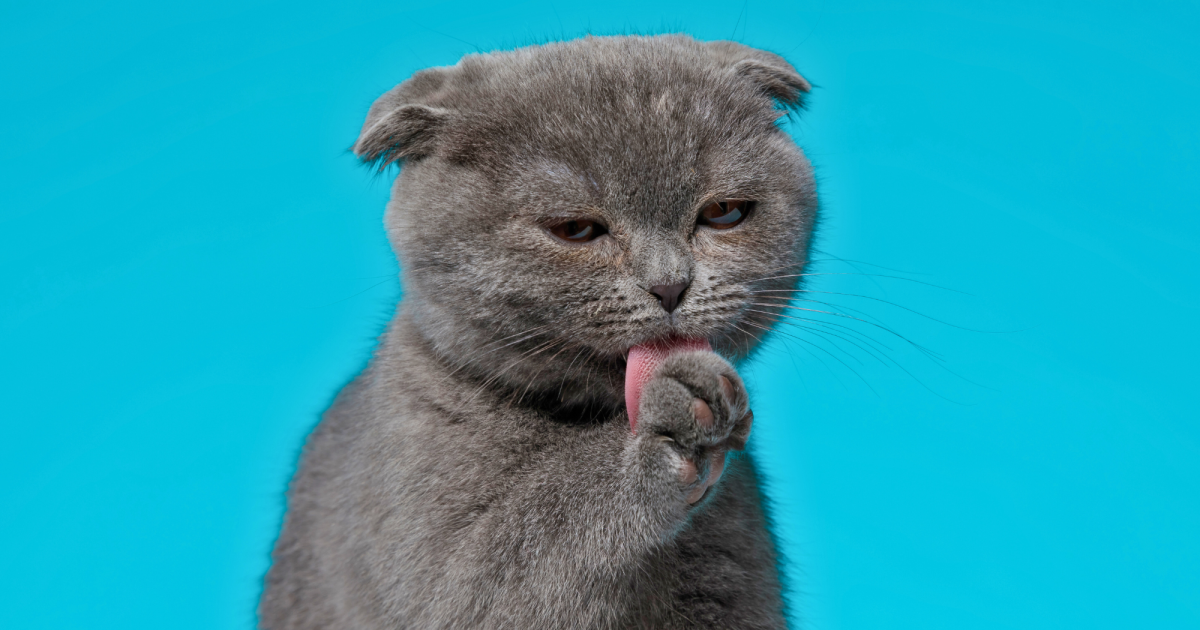
Credit: pethelpful.com
Training And Behavior Modification
Training and behavior modification play a crucial role in helping your cat overcome excessive grooming. Cats often groom themselves to relieve stress, but when it becomes obsessive, it’s a sign that they need your help. By carefully shaping their behavior, you can reduce stress and guide your cat toward healthier habits.
Positive Reinforcement
Positive reinforcement means rewarding your cat when they choose to engage in calm, non-grooming behaviors. This could be as simple as offering a favorite treat or extra petting when your cat stops licking excessively. You’ll want to act quickly—reward your cat immediately after they stop grooming to link the behavior with the reward.
Consistency is key. If your cat learns that calm behavior earns treats or attention, they’ll be more likely to repeat it. Have you noticed how your cat responds to small rewards? Use that to your advantage and keep the motivation high.
Redirecting Grooming Behavior
Redirecting your cat’s grooming urges onto more appropriate activities can be very effective. When you see your cat start to groom excessively, gently distract them with toys or interactive play. This helps shift their focus and provides a healthier outlet for their energy.
Try introducing puzzle feeders or scratching posts to keep your cat mentally and physically engaged. These alternatives can reduce boredom, which often triggers over-grooming. Have you tried offering new toys during times your cat tends to groom the most? This simple change can make a big difference.
Frequently Asked Questions
Why Is My Cat Grooming Excessively?
Excessive grooming in cats often signals stress, allergies, or skin issues. It can also be a behavioral response to anxiety or boredom. Identifying the root cause is crucial for effective treatment and calming your cat.
How Can I Reduce My Cat’s Grooming Stress?
Provide a calm environment with plenty of play and mental stimulation. Use calming sprays or pheromone diffusers. Regularly groom your cat gently to reduce anxiety and redirect their focus.
Can Diet Affect My Cat’s Grooming Habits?
Yes, poor nutrition or food allergies can cause skin irritation, leading to excessive grooming. A balanced diet with hypoallergenic options may improve skin health and reduce over-grooming.
When Should I See A Vet For My Cat’s Grooming?
Consult a vet if grooming leads to bald patches, sores, or persistent licking. A vet can diagnose medical issues or behavioral problems needing treatment.
Conclusion
Excessive grooming can harm your cat’s health and happiness. Reducing stress helps stop this behavior. Give your cat a calm, safe space to relax. Play and gentle petting work well to soothe them. Watch for changes and seek help if needed.
Small steps make a big difference over time. Keep your cat happy and stress-free every day. Your care matters more than you think.




Leave a Reply