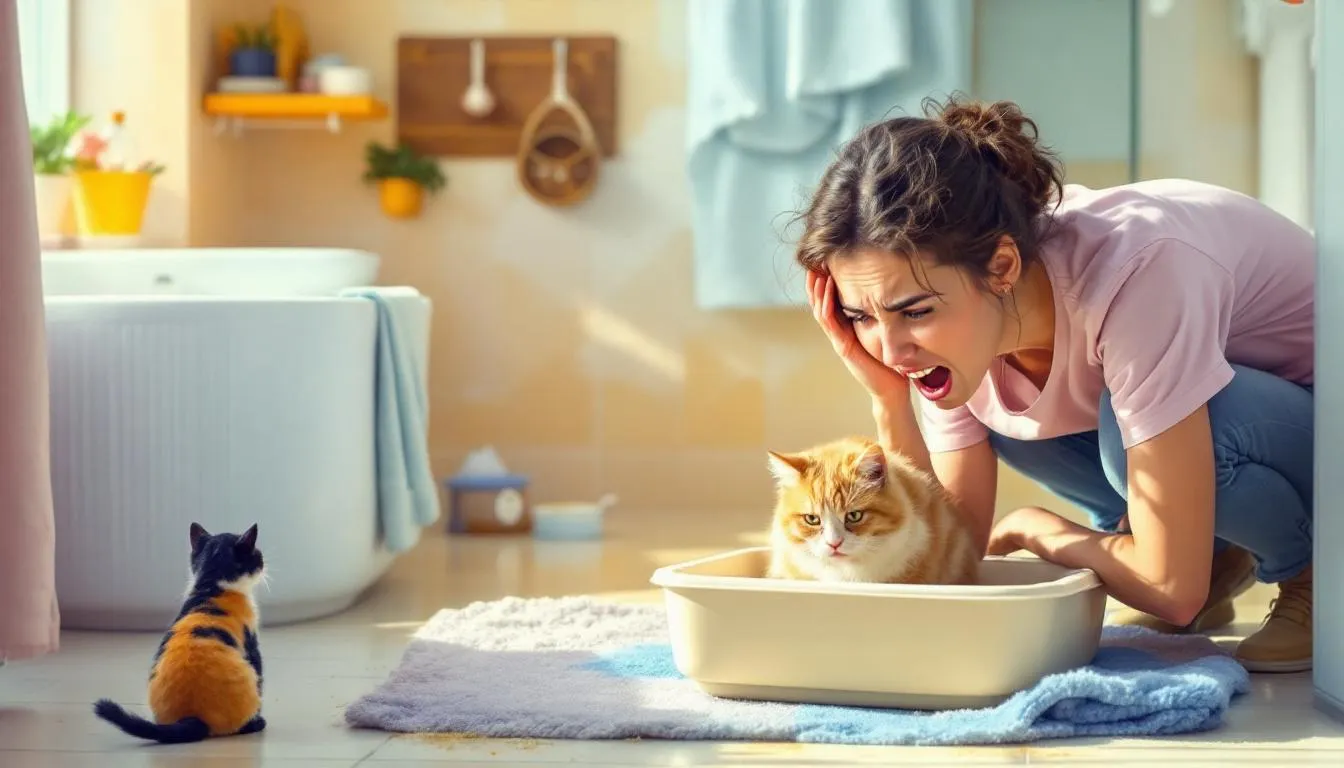
Have you ever noticed a strange smell in your home that just won’t go away? If you live with pets like cats or dogs, chances are it might be their urine.
But have you ever stopped to wonder—can living with cat or dog urine actually cause health problems for you and your family? This is more than just an unpleasant odor. It could affect your breathing, trigger allergies, or even cause infections.
You’ll discover the hidden risks of pet urine in your home and simple steps you can take to protect your health. Keep reading to find out what you need to know to keep your living space safe and fresh.
Health Risks From Cat And Dog Urine
Cat and dog urine can cause several health problems if left untreated in the home. The urine contains bacteria and chemicals that may harm people’s health. Understanding these risks helps keep your family safe.
Pets often urinate inside, especially if they are not fully trained or have health issues. This urine can soak into carpets, floors, and furniture. Over time, it creates an environment where harmful microbes can grow. Breathing in or touching these areas can trigger health problems.
Bacterial Infections
Cat and dog urine carries bacteria that can cause infections. These bacteria multiply quickly in warm, damp places. Contact with contaminated surfaces may lead to skin infections or stomach issues.
- Salmonella and E. coli are common bacteria found in pet urine.
- They can cause diarrhea, vomiting, and fever in humans.
- Children and elderly people are more vulnerable to these infections.
- Cleaning urine spots promptly reduces the risk of bacterial growth.
Allergic Reactions
Pet urine contains proteins that can trigger allergies. People sensitive to these proteins may develop itching, rashes, or watery eyes. Continuous exposure may worsen allergy symptoms over time.
- Allergic reactions vary from mild to severe.
- Some individuals may experience skin irritation or hives.
- Asthma sufferers can have increased attacks due to urine allergens.
- Regular cleaning helps minimize these allergens in the home.
Respiratory Issues
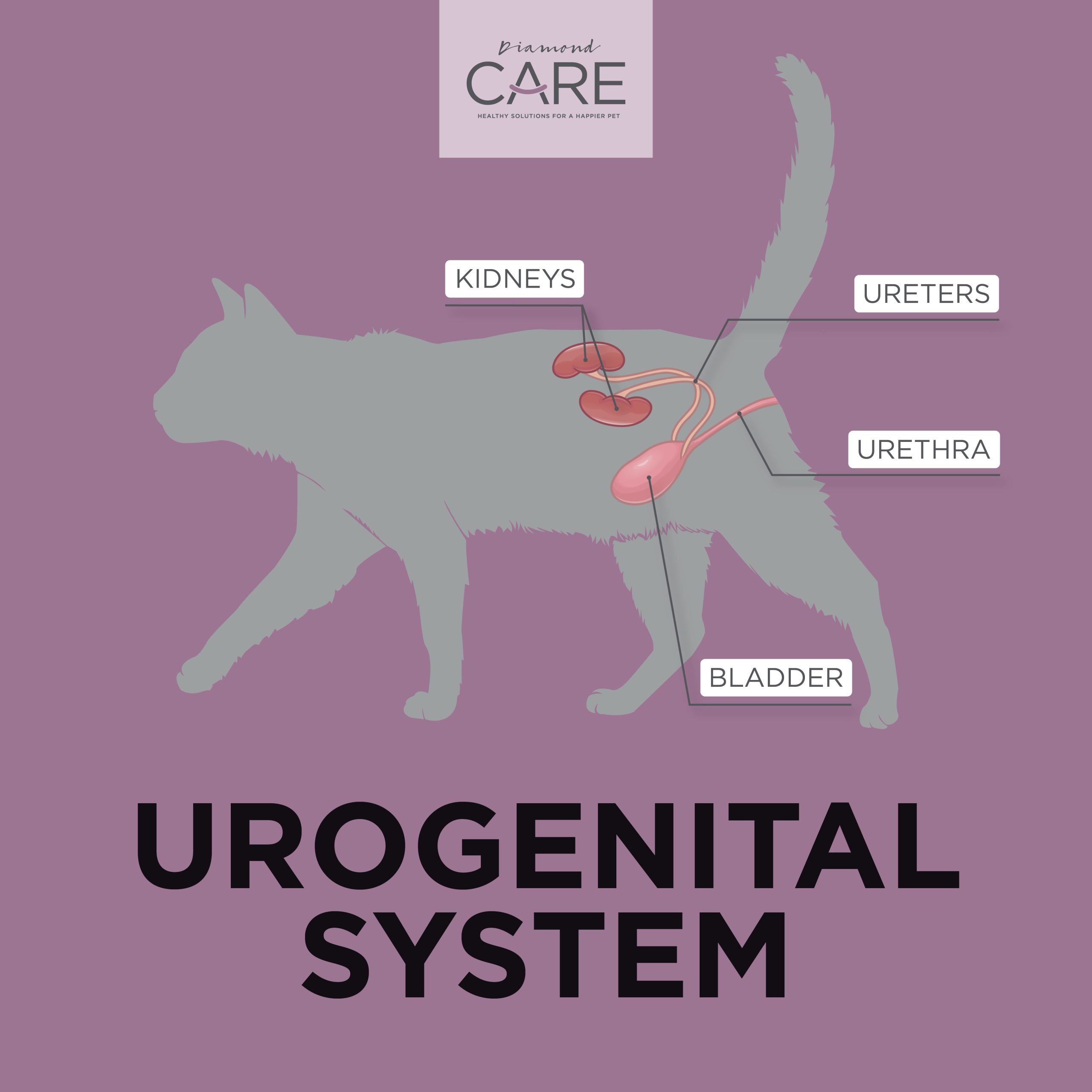
Urine odor comes from ammonia and other gases released over time. Breathing these gases irritates the lungs and airways. People with asthma or lung problems may find it harder to breathe.
- Ammonia can cause coughing, wheezing, and throat irritation.
- Long-term exposure can damage lung tissues.
- Children and pets are at higher risk of respiratory problems.
- Ventilation and deep cleaning reduce harmful gas buildup indoors.
Credit: www.astrobrite.net
Common Urine Contaminants
Cat and dog urine contains several contaminants that can affect health. These substances come from the animal’s body and environment. Understanding common urine contaminants helps in recognizing potential risks. This knowledge guides proper cleaning and prevention.
Ammonia And Its Effects
Ammonia forms as urine breaks down over time. It produces a strong, sharp smell. Breathing in ammonia can irritate eyes, nose, and throat. High levels may cause coughing or worsen asthma. Pets and humans both are sensitive to ammonia fumes.
Parasites And Pathogens
Urine can carry parasites and harmful germs. These include bacteria, viruses, and protozoa. They can cause infections if they enter the body. Touching contaminated surfaces or inhaling particles spreads these pathogens. Proper cleaning reduces the risk of illness.
Urine Odor Compounds
Besides ammonia, urine has other odor compounds. These come from proteins and waste products. They create unpleasant smells that linger in the home. Odor compounds can attract pets to mark the same spot again. Using enzyme cleaners helps break down these substances.
Impact On Indoor Air Quality
Living with cat or dog urine inside the home can harm the indoor air quality. The strong odors and chemical components in urine affect the air you breathe. This impact often goes unnoticed but can cause health issues over time.
Pet urine releases harmful substances that mix with indoor air. These substances create an environment where air quality declines. Understanding these effects helps protect your home and health.
Ammonia Vapor Hazards
Urine contains ammonia, which evaporates into the air. Ammonia vapors irritate eyes, nose, and throat. High levels cause coughing and breathing problems. Children and people with asthma are more sensitive. The smell of ammonia also lowers comfort inside the home.
Mold Growth From Moisture
Pet urine adds moisture to floors and carpets. This moisture creates a perfect place for mold to grow. Mold spores spread through the air and cause allergies. Mold can also worsen asthma and other lung problems. Removing urine quickly helps prevent mold development.
Long-term Exposure Consequences
Breathing air with urine vapors for a long time harms health. It can cause chronic respiratory issues and worsen allergies. Continuous exposure may lead to headaches and fatigue. Poor air quality also affects sleep and overall well-being. Keeping indoor air clean is essential for health.
Vulnerable Groups At Higher Risk
Exposure to cat and dog urine can pose health risks. Some groups are more vulnerable than others. Understanding these risks helps in taking precautions.
Children And Infants
Children and infants explore their surroundings through touch and taste. They are closer to the ground, increasing exposure to urine-contaminated surfaces. Their immune systems are still developing, making them more susceptible to infections and diseases. Urine odors can irritate their sensitive respiratory systems, leading to discomfort and potential health issues.
Elderly Individuals
Elderly individuals often have weakened immune systems. They may have chronic health conditions, making them more vulnerable to infections. Urine odors can also trigger respiratory problems in older adults. Arthritis or mobility issues can prevent them from cleaning contaminated areas, increasing exposure risks.
People With Respiratory Conditions
Individuals with asthma or allergies are highly sensitive to urine odors. Ammonia in urine can trigger asthma attacks and allergic reactions. Respiratory issues can worsen, causing discomfort and health complications. Avoiding exposure to urine is crucial for these individuals to maintain their health.
Preventing Health Issues From Pet Urine
Living with cat or dog urine in your home can invite more than just unpleasant smells. It can lead to health issues, especially if the urine is not cleaned properly. Preventing these problems starts with understanding how to handle and reduce exposure to pet urine effectively.
Effective Cleaning Techniques
Cleaning pet urine quickly is crucial. Use enzymatic cleaners designed specifically for pet stains; they break down urine molecules and stop odors at the source. Avoid ammonia-based cleaners since they can mimic urine smell and encourage pets to mark the same spot again.
Blot the urine immediately with paper towels or a clean cloth to soak up as much as possible. Then apply the enzymatic cleaner and let it sit as directed. Rinse the area with water and dry thoroughly to prevent mold growth, which can also cause respiratory problems.
Pet Training Tips
Training your pet to use designated bathroom areas reduces the risk of urine-related health issues. Reward good behavior consistently and supervise your pet to catch accidents early. Consider crate training or using puppy pads if you’re dealing with young animals or those with medical conditions.
Remember, pets don’t urinate indoors out of spite—they may be stressed, unwell, or confused. Identifying and addressing these underlying issues can save you from repeated cleaning and potential health hazards.
Using Air Purifiers
Air purifiers can help improve indoor air quality by reducing airborne particles and odors linked to pet urine. Choose models with HEPA filters combined with activated carbon to trap allergens and neutralize smells effectively.
Place the purifier in rooms where your pet spends most of their time or where accidents frequently happen. Regularly change filters to maintain performance and keep your home environment healthier for everyone.
Credit: somersetvethospital.com
When To Seek Medical Advice
Living in a home where cat or dog urine has been present can raise concerns about your health. It’s important to know when the situation calls for medical attention. Paying close attention to your body’s signals can help you decide if you need to seek professional advice.
Recognizing Symptoms
Watch out for symptoms like persistent coughing, wheezing, or difficulty breathing. Skin rashes or unexplained irritation may also indicate a reaction to urine residues. If you notice recurring headaches, nausea, or fatigue without a clear cause, these could be warning signs.
Think about whether these symptoms appear or worsen when you are at home. Does your breathing improve when you leave the house? These patterns can help you connect the dots between your environment and your health.
Professional Cleaning Services
Sometimes, no matter how much you clean, urine odor and bacteria can linger in carpets, walls, or furniture. Professional cleaning can reach deep into fabrics and surfaces where urine seeps in. This can reduce harmful bacteria and allergens that might be affecting your health.
Hiring experts not only improves your home’s air quality but also protects your family from potential health risks. If you’ve tried cleaning yourself without success, consider this step seriously. Clean surroundings are crucial for preventing ongoing health issues.
Consulting Healthcare Providers
If symptoms persist or worsen despite cleaning efforts, it’s time to talk to a healthcare provider. Be ready to describe your symptoms clearly and mention your exposure to pet urine at home. Your doctor can perform tests to rule out infections or allergic reactions related to the environment.
Don’t hesitate to seek advice if you feel unwell. Early medical consultation can prevent complications and help you find effective treatments. What questions will you ask your healthcare provider about living with pet urine exposure?

Credit: prckc.org
Frequently Asked Questions
Can Cat Or Dog Urine Cause Respiratory Problems?
Yes, pet urine can release ammonia and bacteria. These irritants may trigger allergies and worsen asthma symptoms. Proper cleaning reduces health risks.
What Health Issues Arise From Long-term Urine Exposure?
Prolonged exposure can cause skin irritation, respiratory infections, and allergic reactions. It may also promote mold growth, worsening indoor air quality.
How To Safely Clean Cat And Dog Urine?
Use enzymatic cleaners designed for pet urine. These break down odor-causing compounds and prevent bacteria growth. Avoid ammonia-based cleaners that worsen smells.
Does Pet Urine Pose Risks For Children And Elderly?
Yes, children and elderly are more vulnerable to infections and allergies from pet urine. Maintaining hygiene and ventilation is essential for their safety.
Conclusion
Cat and dog urine can cause health risks if not cleaned well. It may lead to bad smells and germs that harm breathing. Young kids, elderly, and people with allergies face more problems. Clean accidents quickly using proper cleaners to avoid issues.
Keeping your home fresh and safe helps everyone feel better. Pet owners must stay alert and act fast to protect health. Simple care and good hygiene keep your family safe and happy. Don’t ignore pet urine problems; address them right away.



Leave a Reply