Have you ever noticed your cat meowing at her toy and wondered why she does it? It might seem strange or even a little funny, but there’s actually a lot going on behind those tiny meows.
Your furry friend isn’t just making noise for no reason—she’s trying to tell you something. Understanding why your cat meows at her toy can help you connect with her better and make playtime even more enjoyable. Keep reading, and you’ll discover the surprising reasons behind this curious behavior.

Credit: moderncat.com
Cat Communication Basics
Cats use meowing as a key way to communicate with people and other animals. Each sound has its own meaning. Understanding these sounds helps us know what our cats want or feel. Meowing is not random; it carries messages about needs and emotions.
Watching your cat meow at her toy can reveal her feelings and intentions. Cats often use meows to express excitement, curiosity, or a call for attention. Knowing the basics of cat communication makes these interactions clearer and more enjoyable.
Different Types Of Meows
Cats have many kinds of meows. Each type sounds different and means something special. Some meows are short and soft, while others are loud and long.
- Short meows often mean a simple greeting.
- Repeated meows can ask for food or attention.
- Loud meows may show frustration or demand.
- Soft meows can signal contentment or curiosity.
Listening closely to these sounds helps decode what your cat tries to say.
What Cats Express Through Vocalization
Cats use their voices to share feelings and needs. Meowing can express hunger, playfulness, or discomfort. Sometimes, it shows excitement, especially during play with toys.
Your cat might meow at her toy to invite interaction or to show she enjoys it. Meows can also signal that she wants you to join her in play. These sounds build a connection between you and your pet.
Meowing At Toys
Have you ever noticed your cat meowing at her toy and wondered why she does that? It might seem odd at first, but this vocal behavior reveals a lot about how cats interact with their environment. Understanding why your cat meows at her toy can help you connect better and enrich her playtime experience.
Play Behavior And Vocal Responses
When your cat meows at her toy, she is often expressing excitement or frustration during play. Cats use vocal sounds to communicate their feelings, and meowing can signal that they are fully engaged in the activity.
Sometimes, your cat might be inviting you to join in or simply announcing her “catch.” This vocal response adds a layer of interaction to playtime, making it more stimulating for her.
Imitating Hunting Instincts
Meowing at toys can mimic the sounds cats use when stalking or capturing prey. These vocalizations are part of their natural hunting behavior, even if the “prey” is just a stuffed mouse or a feather wand.
Your cat’s meow might be a way to celebrate a successful pounce or to keep the excitement going during the chase. Recognizing this can help you choose toys that tap into her instinctual needs, keeping her mentally and physically satisfied.
Emotional Connections
Emotional connections play a big role in why cats meow at their toys. Cats are more than just playful pets. They form bonds with objects that comfort and entertain them. These connections often explain their vocal behavior toward toys.
Attachment To Favorite Toys
Cats can develop strong attachments to certain toys. These toys become familiar and safe objects. They may remind cats of hunting or playtime fun. Meowing at a favorite toy can show excitement or affection. It is like talking to a friend they trust.
Some cats treat toys as companions. They may carry them around or guard them closely. This attachment helps reduce stress and loneliness. Meowing helps keep the connection alive.
Seeking Attention Or Interaction
Cats use meows to get attention from their humans. When meowing at toys, they may want you to join playtime. This vocal call invites interaction and fun. It shows their desire for social contact and engagement.
Sometimes, meowing signals that the cat wants you to throw or move the toy. They enjoy the chase but want your help. This behavior strengthens your bond and makes play more exciting.

Credit: moderncat.com
Cognitive Factors
Cats meow at their toys because they recognize them as prey. Their brain processes these toys as targets to hunt or catch. This behavior shows how their natural instincts and learning shape their actions.
Cats are fascinating creatures with complex minds. Their behaviors often reflect underlying cognitive factors. One curious behavior is when a cat meows at its toy. This behavior may seem odd but reveals much about a cat’s mental world. Let’s explore these cognitive factors.Learning And Curiosity
Cats are natural learners. Their curious nature drives them to explore their surroundings. When a cat meows at a toy, it might be expressing curiosity. This behavior helps them understand the toy better. Each meow can be a part of their learning process. Toys often mimic prey. Cats use play to hone their hunting skills. Meowing could be a way to communicate with the toy. It keeps their mind active and engaged. This learning phase is crucial for their mental development.Testing Responses From Environment
Cats are keen observers. They often test responses from their environment. Meowing at a toy might be their way of eliciting a reaction. They are checking if the toy responds to their cues. This behavior mimics interaction with real prey. The environment often influences their actions. Cats may meow to gauge the reactions of their owners. This helps them understand their surroundings better. It shows their ability to adapt and learn from different situations.Health And Stress Signals
Understanding the health and stress signals behind your cat’s meowing at her toy can help you respond in the best way. Cats often communicate discomfort or anxiety through vocalizations, and a toy might trigger these feelings. Paying attention to these signs can improve your cat’s well-being and your bond.
Possible Discomfort Or Anxiety
Your cat’s meowing at her toy could be a sign of discomfort or anxiety. Sometimes, a toy might remind her of something stressful, like a past negative experience. Other times, the toy might have a texture or smell that causes unease.
Have you noticed if your cat meows more when the toy moves or when it stays still? This might hint at sensory sensitivity or fear. Also, changes in your cat’s environment, like new pets or loud noises, can increase anxiety and make her vocalize more around toys.
Watch for other signs such as hiding, pacing, or changes in eating habits. These behaviors combined with meowing suggest that your cat may be uncomfortable or stressed. Addressing these early can prevent bigger health issues.
When To Consult A Vet
If your cat’s meowing at her toy becomes frequent or intense, it’s time to seek professional advice. Persistent vocalization can indicate underlying health problems, including pain or neurological issues.
Consult your vet if you notice:
- Sudden changes in meowing patterns
- Signs of physical pain like limping or sensitivity
- Loss of appetite or unusual lethargy
- Other abnormal behaviors such as aggression or withdrawal
Don’t hesitate to describe the specific circumstances when your cat meows at her toy. Your vet can help identify if the issue is medical or behavioral and suggest effective treatments or modifications to your cat’s environment.
Credit: www.chewy.com
Encouraging Positive Play
Encouraging positive play helps keep your cat happy and healthy. Playtime builds trust and strengthens your bond. It also reduces stress and stops bad behaviors. Cats meow at toys because they feel curious and excited. Guiding this behavior with the right toys and interaction makes playtime fun and safe.
Choosing Engaging Toys
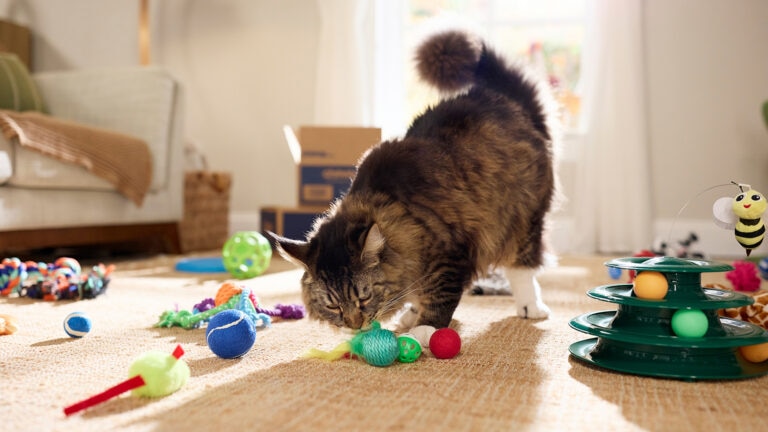
Select toys that match your cat’s instincts. Toys that move or make noise catch their attention.
- Feather wands mimic birds and encourage chasing.
- Laser pointers stimulate hunting skills.
- Soft balls are easy to bat around.
- Interactive puzzle toys challenge their mind.
Change toys regularly to keep your cat interested. Avoid toys with small parts that can be swallowed.
Interactive Play Tips
Spend time playing with your cat every day. Use toys to mimic prey movements. Let your cat catch the toy sometimes. This makes play rewarding and reduces frustration.
- Keep play sessions short but frequent.
- Use different toys to vary the fun.
- Follow your cat’s lead and pause if tired.
- Reward good behavior with treats or petting.
Active play helps your cat use energy and stay calm. It also makes her meows during playtime a sign of joy.
Frequently Asked Questions
Why Does My Cat Meow At Her Toy?
Cats meow at toys to express excitement or frustration. They treat toys like prey, vocalizing their hunting instincts. This behavior shows engagement and playful communication with their environment.
Is Meowing At Toys Normal Cat Behavior?
Yes, meowing at toys is normal. It mimics natural hunting and social behaviors. Cats use vocalizations to interact with their surroundings and express emotions during playtime.
Can Meowing At Toys Indicate Stress In Cats?
Sometimes, yes. If meowing is excessive or anxious, it may signal stress or frustration. Observe your cat’s body language to determine if she feels uneasy or overstimulated.
How Can I Encourage Positive Meowing During Play?
Use interactive toys and praise your cat when she meows appropriately. Keep play sessions short and engaging to reduce frustration and promote happy vocalizations.
Conclusion
Cats meow at toys to express excitement and curiosity. They may see toys as little friends or prey. This behavior shows their playful and social nature. Understanding why your cat meows helps you bond better. Pay attention to her sounds and actions.
It makes playtime more fun for both of you. Keep toys safe and interesting to keep her engaged. Enjoy watching your cat’s unique ways of communicating. Her meows tell a small story of joy and play.


Leave a Reply